
 Lina Hope
By Industry Insights Desk
October 21, 2026
For seventy-five years, the fundamental objective of advertising has remained strikingly consistent: brands must identify, reach, and resonate with potential customers through compelling messaging. While the core mission has stayed the same, the ecosystem required to execute it has undergone a seismic shift. Today, the media landscape is a fragmented mosaic of traditional linear TV, burgeoning connected TV (CTV) platforms, social media, podcasts, search, and a rapidly evolving array of AI-driven formats.
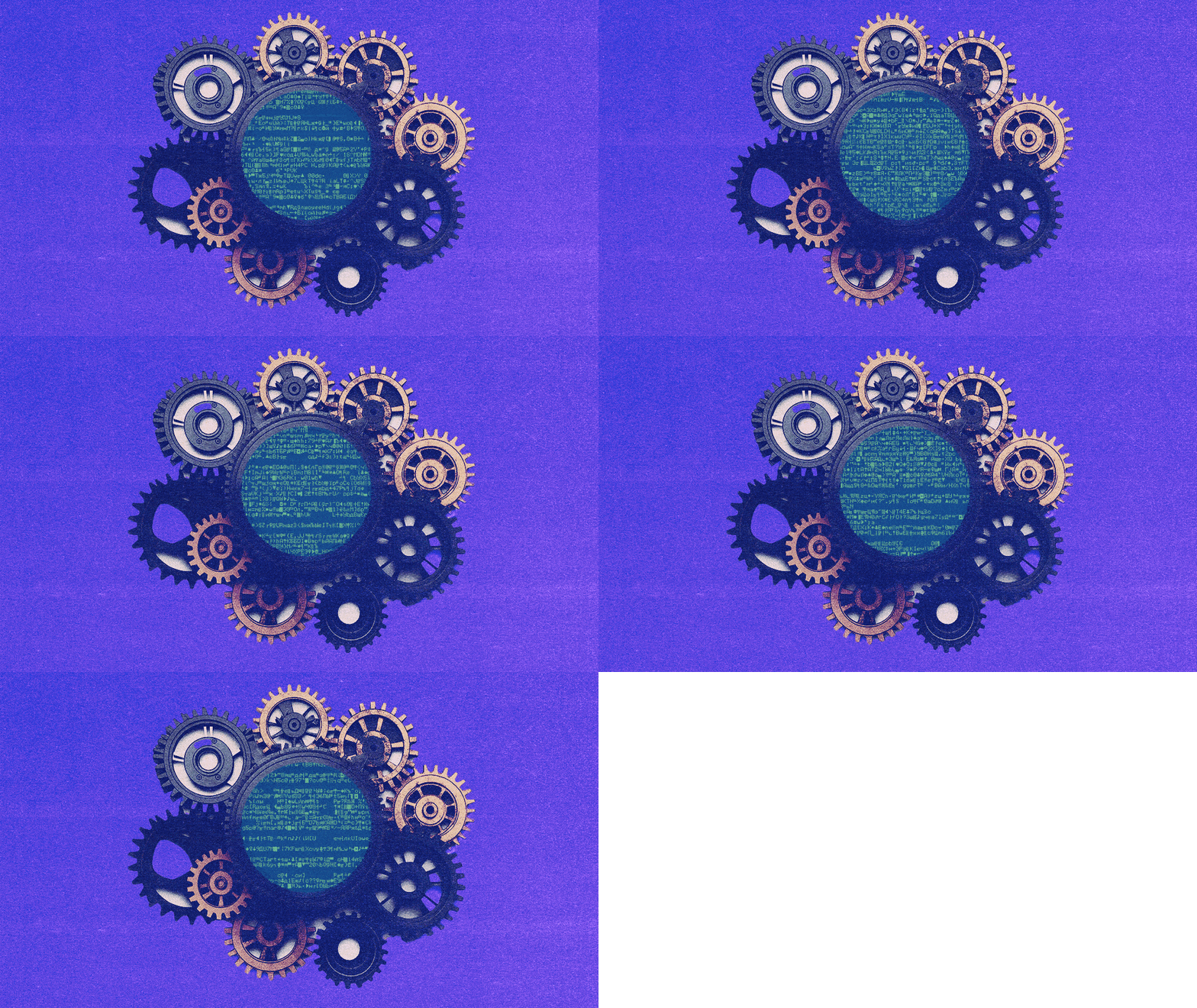
As advertisers scramble to maintain relevance in this hyper-fragmented environment, the industry is reaching a critical inflection point. Evan Rutchik, President and Chief Strategy Officer at Viamedia, argues that the complexity of modern media has outpaced the technology used to manage it. The result is a growing disparity between where consumers spend their time and the efficiency with which advertisers can reach them. To bridge this gap, the industry is pivoting toward a new paradigm: the unified operating system.
Main Facts: The Challenge of Fragmentation
The primary obstacle facing today’s marketers is not a lack of inventory, but a lack of integration. Advertisers are increasingly adopting omnichannel strategies, yet they are often forced to use siloed systems to execute these campaigns.
The core issue is twofold. First, audiences are no longer tethered to a single device or medium. A consumer might watch a broadcast news program on linear TV in the morning, stream a show on a CTV device at lunch, and engage with social media content on a mobile device in the evening.
Second, the administrative burden of managing these buys has become unsustainable. Agencies and technology platforms often find that while certain channels—like linear TV—perform exceptionally well in driving brand awareness and conversions, they are becoming increasingly difficult and cost-prohibitive to manage. This friction creates a "digital divide" in marketing where capital is disproportionately allocated to platforms that are easy to use, rather than those that are most effective at reaching the target audience.
Chronology: The Evolution of Media Consumption
To understand the current state of the industry, one must look at the timeline of media consumption over the last decade:
- 2015–2018: The Rise of Digital Dominance. Advertisers began shifting significant portions of their budgets from print and linear TV to digital and social platforms, drawn by the promise of granular targeting and immediate performance measurement.
- 2019–2022: The Streaming Explosion. CTV transitioned from a niche luxury to a household necessity. As subscription-based and ad-supported streaming models took hold, linear TV saw its first major decline in total viewership share.
- 2023–2025: The Complexity Crisis. As streaming platforms proliferated and linear TV became "appointment viewing" for older or live-event demographics, marketers realized that focusing on one channel over another led to massive audience gaps.
- 2026–Present: The Push for Orchestration. The industry is now moving away from siloed planning toward centralized, data-driven orchestration. The goal is no longer just "digital-first" or "TV-first," but an integrated approach that treats all inventory as part of a single, fluid campaign.
Supporting Data: The CTV vs. Linear Tug-of-War
The necessity of a unified operating system is highlighted by the state of TV viewing. According to recent industry data, including Nielsen’s The Gauge, streaming has officially surpassed linear in its share of total TV viewing time. This transition has led many major media companies and holding companies to pivot their entire strategy toward CTV enablement.
However, the "death of linear" has been greatly exaggerated. Data reveals that more than one-third of total viewing time is still spent with cable and broadcast television. Perhaps more importantly, a significant segment of the population remains "linear-only," meaning they have no streaming capability and are entirely unreachable by CTV-exclusive campaigns.
For an advertiser, ignoring linear TV means ignoring a vast, high-intent audience. Conversely, relying solely on linear leaves a gaping hole in the younger, cord-cutting demographics. The data underscores a clear mandate: advertisers must operate in a hybrid reality, requiring a technical bridge that treats both linear and streaming as components of a single, reachable audience pool.
Official Responses: The Viamedia Perspective
Viamedia’s Evan Rutchik emphasizes that the industry’s current pain points are symptoms of a supply-demand mismatch. "The advertiser demand is there," Rutchik notes. "But the industry needs an efficient way to connect that interest to quality supply."
According to Viamedia, the solution lies in an operating system that performs three critical functions:
- Inventory Unification: Aggregating disparate supply sources—from local cable providers to national streaming services—into a single interface.
- Strategic Intelligence: Utilizing proprietary data signals to optimize campaigns in real-time, effectively replacing the declining efficacy of traditional third-party identifiers.
- Path Optimization: Creating a fully optimized supply path that minimizes "ad tech tax," ensuring that more of the advertiser’s dollar goes toward working media rather than middleman fees.
As Marketecture Media CEO Ari Paparo famously distilled it: "It’s the data, stupid." Viamedia’s stance echoes this sentiment, suggesting that without deep, actionable intelligence, even the best-orchestrated campaign will fail to hit its marks in a post-cookie environment.
Implications: The Future of Advertising Orchestration
The shift toward unified operating systems will have profound implications for every stakeholder in the advertising ecosystem.
For Advertisers and Brands
Brands will finally be able to achieve a truly holistic view of their customer journey. By removing the friction between linear and digital, they can prevent over-frequency (annoying the same user with the same ad) and under-frequency (missing key prospects). This translates to better ROI and a more consistent brand narrative.
For Agencies and Managed Service Providers
The administrative burden of media buying is set to decrease. By automating the planning, execution, and measurement of omnichannel campaigns, agencies can pivot their focus from manual data entry and reconciliation to high-level strategy and creative development.
For Broadcasters and MVPDs
This evolution offers a lifeline for traditional media owners. By plugging into a unified operating system, broadcasters and Multichannel Video Programming Distributors (MVPDs) can make their "long-tail" and previously under-monetized inventory available to programmatic buyers. This opens up new revenue streams and allows local TV players to compete on the same playing field as global streaming platforms.
The Macro View
Ultimately, the emergence of these orchestration layers represents the maturation of the digital advertising market. We are moving past the "Wild West" era of fragmented experimentation and into an era of professionalized, scalable, and intelligent media management.
As the industry continues to integrate, the winners will be those who can provide the most seamless bridge between supply and demand. Whether it is a Fortune 100 corporation launching a global campaign or a local business targeting a specific zip code, the fundamental goal remains the same. By leveraging a unified operating system, the industry is finally building the infrastructure necessary to reach the right audience, at the right time, across every screen in the home.
The future of advertising is not just about having more channels; it is about having the intelligence to make those channels speak the same language. Through this orchestration, the industry is not just adapting to change—it is defining it.


 Reynand Wu

 Iffa Jayyana

 Raul Delapena Setiawan


 Sagoh

 Azzam Bilal Chamdy

 Ali Ikhwan
