
 Ali Ikhwan
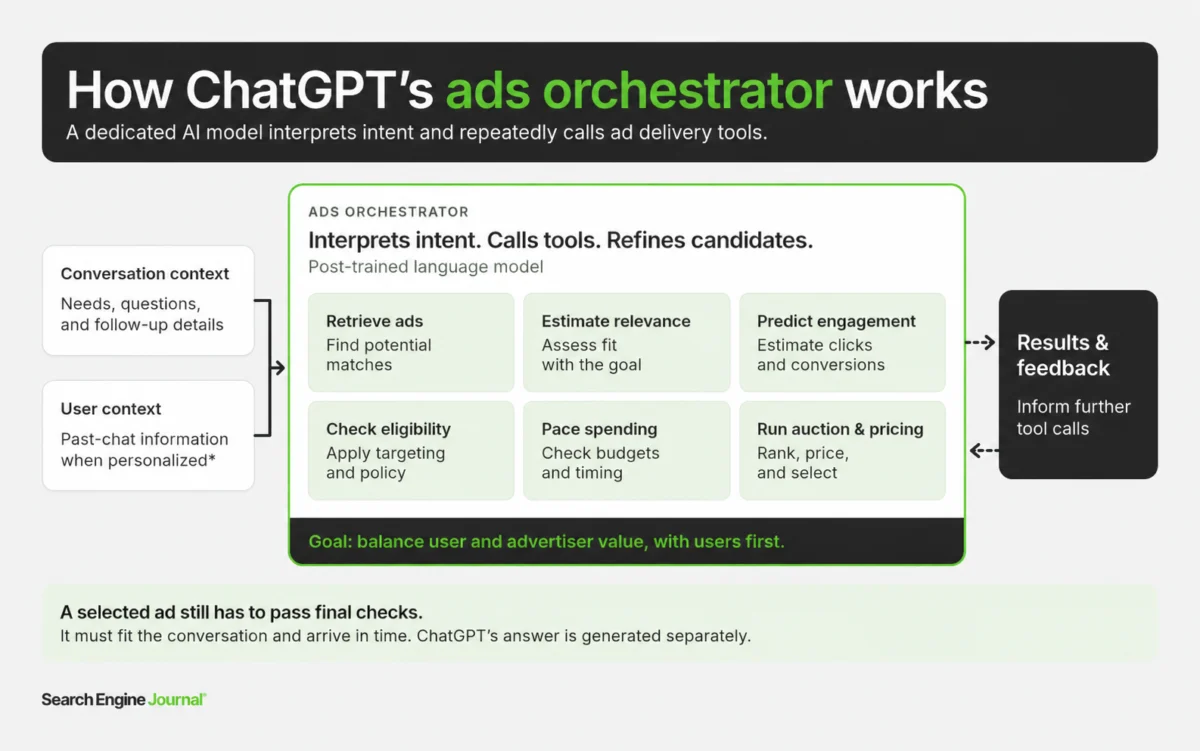
OpenAI has pulled back the curtain on the sophisticated architecture powering its advertising ecosystem. In a recent technical deep dive, the artificial intelligence leader provided a granular look at how ChatGPT interprets user intent, coordinates ad selection, and maintains a strict "firewall" between its generative responses and commercial placements.
The revelation comes as OpenAI celebrates a significant financial milestone: the ChatGPT advertising business has achieved a $1 billion annualized revenue run rate in less than 200 days since its inception. With over 100,000 advertisers already participating in the ecosystem, the platform is rapidly evolving from an experimental feature into a cornerstone of the company’s monetization strategy.
The Chronology of ChatGPT’s Commercial Evolution
The trajectory of ChatGPT’s ad stack has been nothing short of meteoric. Following the initial rollout of the chatbot, speculation mounted regarding how OpenAI would eventually bridge the gap between its high-utility interface and a sustainable revenue model that doesn’t rely solely on subscriptions.
- The Launch Phase: OpenAI introduced early-stage advertising tests, focusing on non-intrusive placements that respected the user experience.
- The Scaling Phase: By integrating advanced language models to interpret "stateful" conversations, OpenAI enabled ads to become contextually relevant rather than just keyword-matched.
- The Billion-Dollar Milestone: Less than 200 days post-launch, the platform hit the $1 billion annualized revenue run rate, a figure that signals strong early adoption among marketers eager to tap into the high-intent traffic generated by generative AI.
- The Transparency Phase: The recent publication of the technical breakdown represents the company’s current effort to demystify the "black box" for advertisers, providing clarity on how the system functions behind the scenes.
The Architecture: How the "Orchestrator" Functions
At the heart of OpenAI’s ad delivery is a system the company calls the "Orchestrator." This model serves as the primary liaison between a user’s evolving conversation and the vast pool of available advertisements.
The Role of the Orchestrator
The process is multi-layered and designed to prioritize context. When a user engages with ChatGPT, the Orchestrator reads the dialogue and converts specific, relevant segments into "embeddings"—numerical representations of meaning. This allows the system to understand the underlying intent of a user’s query without needing to match exact keywords.
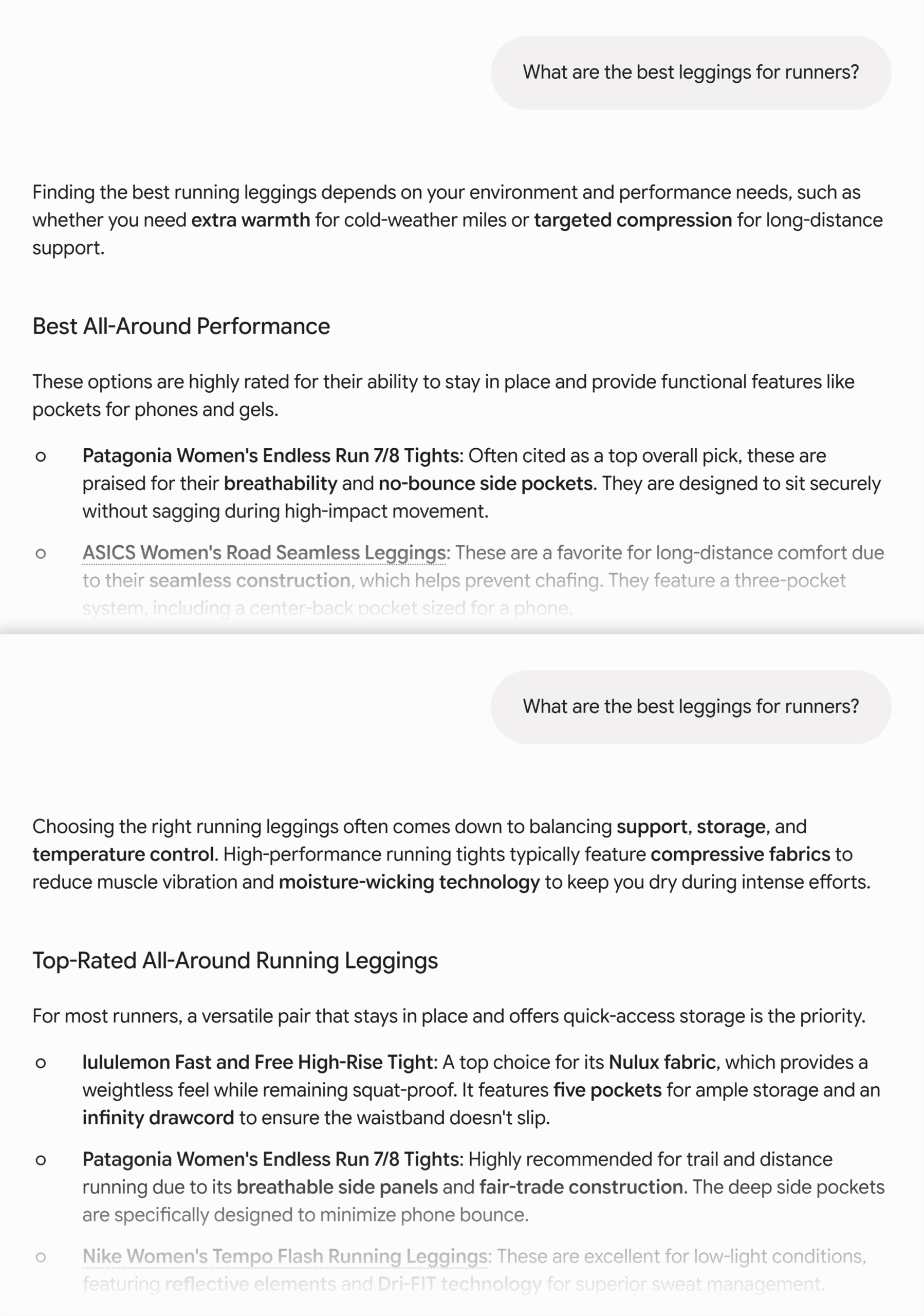
For instance, if a user spends time discussing the complexities of managing a remote team, the system captures that "stateful" context. If the user later asks a simple question about software pricing, the Orchestrator already understands the user is a small agency owner looking for specific features like guest-account management.
The Separation of Church and State
A critical component of OpenAI’s infrastructure is the absolute separation between the model that generates the organic answer and the model that selects the advertisement. They operate on separate codebases and distinct hardware stacks.
This architecture is designed to prevent "feedback loops." As ChatGPT crafts its response, the ad system performs its own concurrent analysis. Crucially, the ad system does not influence the text generated by the chatbot. Furthermore, the system is built for speed: ChatGPT does not wait for the ad system to complete its task. If the ad-selection process lags, the answer is served without an advertisement, ensuring that the primary user experience remains uncompromised.
Supporting Data and The "Auction" Mechanism
Once the Orchestrator identifies potential ad candidates, it does not make the final decision itself. Instead, it submits those candidates to a dedicated auction tool.
From Candidate to Impression
The auction tool manages the complexities of ranking and pricing. However, winning an auction is not a guarantee of an impression. OpenAI employs a secondary, rigorous check to ensure that the winning advertisement is contextually appropriate. Even if an ad meets all standard policy and bidding requirements, it may be suppressed if the system deems it a poor fit for the tone or content of the ongoing conversation.
Additionally, the timing of the response is a factor. If the ad fails to return from the auction before the main response is rendered, the slot remains empty. This creates a challenging environment for marketers, as an ad might be highly relevant and well-priced, yet still fail to appear due to latency or final-stage relevance filters.
Official Stance: Revenue vs. Advertiser Success
OpenAI’s public disclosures highlight the impressive scale of its revenue, but there is a notable gap between revenue growth and the disclosure of performance metrics.
While the company touts the $1 billion run rate and the 100,000+ advertiser base, it has remained silent on crucial performance benchmarks such as:
- Return on Ad Spend (ROAS): There is no public data on whether these advertisers are seeing a net profit from their campaigns.
- Customer Acquisition Cost (CAC): The efficiency of the platform in generating conversions remains proprietary.
- Retention Rates: It is unclear how many of these 100,000 advertisers are repeat spenders versus one-time experimenters.
OpenAI frames its recent communication as an engineering-focused transparency effort. However, for the average marketer, the "how it works" is secondary to the "how it performs." Without granular data on whether ads are driving incremental sales—or merely capturing users who were already planning to purchase—the true value of the platform remains a subject of intense industry debate.
Implications for Advertisers and the Future
For brands currently navigating this landscape, the implications of OpenAI’s technical breakdown are twofold.
1. The Shift to "Conversational Intent"
Advertisers can no longer rely on simple keyword bidding. The "stateful" nature of ChatGPT means that a campaign is more likely to succeed if it addresses the long-term needs revealed throughout a conversation. Advertisers should focus on creating creative assets that speak to specific pain points—such as "free guest access" or "easy team integration"—rather than generic brand awareness.
2. The Visibility Gap
The most significant hurdle for advertisers is the lack of transparency regarding why an ad fails to appear. Because OpenAI tracks internal logs of where an ad drops out of the funnel (e.g., failed relevance check vs. lost auction), the current lack of advertiser-facing reporting on these metrics creates a blind spot. Advertisers may mistakenly increase bids to solve for low impressions when the actual bottleneck is a content-relevance filter.
Looking Ahead
As OpenAI continues to refine its model, the industry should expect further disclosures regarding attribution and performance. For now, the platform is a high-growth environment where the "first-mover advantage" is balanced by a lack of traditional performance data.
The success of the ChatGPT ad stack will eventually depend on whether OpenAI can provide the same level of accountability that Google and Meta have established over decades. Until then, advertisers are encouraged to approach the platform as a testing ground for high-intent, conversational marketing, keeping a close eye on the subtle nuances of how their brand messages are positioned within the evolving AI dialogue.


 Raul Delapena Setiawan
 Laily UPN

 Ammar Sabilarrohman

 Asep Darmawan

 Asro

 Layla Zulfa

 Nila Kartika Wati

 Muslim
