
 Rifan Muazin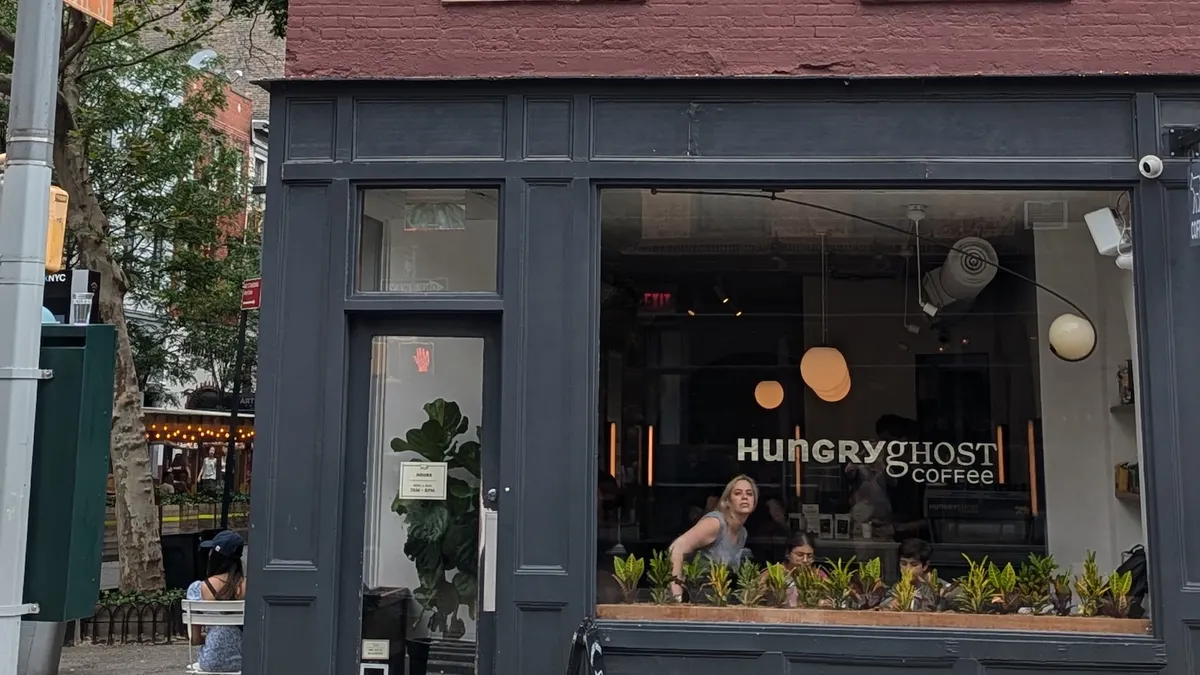
New York, NY – October 9, 2026 – A lawsuit filed against Hungry Ghost Coffee alleges that a manager at one of its New York City locations denied a barista’s request to swap shifts, preventing him from observing a fundamental religious practice during the holy month of Ramadan. The case, brought forth by the U.S. Equal Employment Opportunity Commission (EEOC), highlights a broader commitment by the agency to vigorously enforce Title VII of the Civil Rights Act of 1964, which prohibits employment discrimination based on religion.
The complaint asserts that the barista, whose identity is not publicly disclosed in initial filings, sought to adjust his work schedule to accommodate his religious obligations, specifically to break his fast during Ramadan. The alleged refusal by the Hungry Ghost manager not only prevented the employee from adhering to his faith but ultimately led to his termination, according to the EEOC. This incident serves as a stark reminder for employers nationwide about their legal and ethical responsibilities to provide reasonable accommodations for employees’ religious practices, unless doing so would impose an undue hardship on the business.
The Genesis of the Dispute: A Barista’s Plea Denied
The core of the legal action centers on a specific incident that occurred during Ramadan, a period of fasting, prayer, and reflection observed by Muslims worldwide. The barista, adhering to these religious tenets, requested a simple accommodation: a shift swap that would allow him to fulfill his religious duty of breaking his fast at the prescribed time. According to the EEOC’s allegations, the manager overseeing the Hungry Ghost Coffee establishment not only denied this request but proceeded to terminate the employee’s employment.
The lawsuit claims that immediately following his termination, the barista explicitly communicated the reason behind his shift request, stating, "what [he] was asking is just a time to break [his] fast and feel normal during this month" of Ramadan. This statement underscores the perceived direct link between the denied accommodation and the subsequent adverse employment action.
A Timeline of Alleged Discrimination
While specific dates for the initial request and termination are not detailed in the provided summary, the sequence of events as alleged by the EEOC is as follows:
- During Ramadan: The barista, an employee at a Hungry Ghost Coffee location in New York City, observes the religious practice of fasting.
- Shift Swap Request: The barista seeks to swap shifts with a colleague to allow him to break his fast at the appropriate time, a practice integral to his religious observance.
- Managerial Refusal: A manager at Hungry Ghost Coffee allegedly denies the shift swap request.
- Termination: Following the denial of his request, the barista is terminated from his employment.
- Post-Termination Statement: The barista informs his manager that his request was solely to facilitate the breaking of his fast during Ramadan.
- EEOC Involvement: The U.S. Equal Employment Opportunity Commission investigates the complaint and subsequently files a lawsuit against Hungry Ghost Coffee.
EEOC’s Steadfast Commitment to Religious Freedom in the Workplace
The Hungry Ghost case is framed within a broader context of the EEOC’s renewed focus on enforcing religious discrimination protections. Following a shift in leadership within the agency after President Trump’s inauguration in 2025, the EEOC has adopted a more assertive stance on Title VII enforcement. This proactive approach was publicly signaled last year when the agency announced its intention to "step up efforts" to safeguard "religious liberty protections for workers," aiming to prevent individuals from being "forced to choose between their paycheck and their faith."
This commitment was further formalized in the EEOC’s National Enforcement Plan, released in June, which explicitly prioritizes the protection of religious freedom in the workplace. The agency’s stance, as articulated by an EEOC regional attorney, emphasizes that the Hungry Ghost case underscores the EEOC’s unwavering dedication to combating religious discrimination.
Legal Framework and Employer Obligations
Title VII of the Civil Rights Act of 1964 prohibits employers from discriminating against employees on the basis of race, color, religion, sex, and national origin. This includes the obligation to reasonably accommodate an employee’s sincerely held religious beliefs, practices, or observances, unless doing so would cause an "undue hardship" on the employer’s business operations.
An "undue hardship" is generally understood as an accommodation that requires more than a minimal cost or burden. The definition has been a subject of legal interpretation, with the Supreme Court’s ruling in Groff v. DeJoy in 2023 providing further clarity. This ruling clarified that an employer must demonstrate that the burden of granting an accommodation would result in "substantial increased costs in relation to the conduct of its particular business."
In the Hungry Ghost case, the EEOC alleges that denying the barista’s simple shift swap did not constitute an undue hardship and that the termination was a discriminatory act.
Resolution and Future Training Mandates
The lawsuit indicates that Hungry Ghost Coffee has expressed a willingness to engage in an "early resolution of this case." As part of this resolution, the company has entered into a two-year consent decree. It is crucial to note that this decree does not include any findings of fact or conclusions of law by the court.
Under the terms of the consent decree, Hungry Ghost Coffee is mandated to implement comprehensive annual training for its employees. This training program will be specifically tailored to different employee categories, including managers and staff with supervisory and Human Resources responsibilities. The curriculum will focus on:
- Federal Anti-Discrimination Laws: Providing a thorough understanding of existing legal protections.
- Title VII Religious Discrimination Protections: Emphasizing the prohibition of discrimination based on religion.
- Examples of Discrimination: Illustrating common scenarios and behaviors that constitute religious discrimination.
- Employee Rights and Employer Obligations: Clearly outlining what employees are entitled to and what the company is required to do.
- Reporting Procedures: Educating employees on the established processes for reporting instances of discrimination, failure to accommodate, harassment, and retaliation.
This mandatory training aims to equip all levels of Hungry Ghost Coffee’s workforce with the knowledge and understanding necessary to prevent future incidents of religious discrimination and to ensure that employees’ religious practices are respected and accommodated appropriately.
Supporting Muslim Employees During Ramadan and Beyond
The incident at Hungry Ghost Coffee also brings to the forefront the importance of employer awareness and accommodation during religious observances like Ramadan. As explained by participants in a 2021 panel hosted by diversity, equity, and inclusion consulting firm Kanarys, the lunar month of Ramadan involves fasting, abstention, prayer, and reflection for most Muslims.

Employers can significantly support their Muslim employees during this period through relatively simple workplace accommodations. These can include:
- Flexibility with Breaks: Allowing for short breaks to rest or pray.
- Prayer Meeting Times: Providing space or flexibility for short prayer gatherings.
- Understanding of Energy Levels: Recognizing that fasting can affect energy levels and being mindful of workload distribution when feasible.
- Open Communication: Encouraging an open dialogue where employees feel comfortable discussing their needs without fear of reprisal.
Official Responses and Unanswered Questions
The EEOC, through its legal representatives, has expressed satisfaction with Hungry Ghost Coffee’s willingness to resolve the matter and implement corrective measures. An EEOC regional attorney stated, "We appreciate the defendant’s willingness to enter into an early resolution of this case and to provide management with the necessary training to ensure reasonable accommodations for employees’ religious practices are provided unless doing so would cause an undue hardship."
Hungry Ghost Coffee, however, did not provide a response to a request for comment prior to the publication of the original article. This lack of immediate comment leaves some details of the internal processes and immediate reactions within the company to the allegations and subsequent lawsuit open to speculation.
Broader Implications for the Food Service Industry and Beyond
The lawsuit against Hungry Ghost Coffee carries significant implications for the broader food service industry, as well as employers across all sectors. It serves as a critical case study demonstrating that:
- Religious Accommodation is a Legal Imperative: Employers cannot afford to be ignorant of or indifferent to their legal obligations under Title VII. Even seemingly minor requests, such as shift swaps for religious observance, must be treated with seriousness and evaluated against the standard of undue hardship.
- Ramadan Requires Employer Awareness: As the workforce becomes increasingly diverse, employers must cultivate an understanding of various religious practices and holidays, particularly those that require specific accommodations.
- EEOC Enforcement Remains Robust: The agency’s proactive stance signals that religious discrimination will be a key focus of enforcement efforts. Employers should anticipate increased scrutiny and potential litigation if they fail to meet their obligations.
- Training is Crucial: The consent decree’s emphasis on comprehensive and ongoing training highlights its importance as a preventative measure. Well-trained managers and staff are less likely to make discriminatory decisions and more likely to foster an inclusive workplace.
- Reputational Risk: Such lawsuits can have a significant impact on a company’s public image and brand reputation, particularly in customer-facing industries like the food service sector.
The Hungry Ghost case is a potent reminder that fostering an inclusive and legally compliant workplace requires ongoing commitment, education, and a genuine respect for the diverse religious beliefs and practices of all employees. The EEOC’s continued vigilance ensures that the pursuit of religious freedom in the workplace remains a priority, holding employers accountable for creating environments where faith and employment can coexist without conflict.

 Pevita Pearce
 Suro Senen
 Laily UPN
 Iffa Jayyana

 Lina Hope
 Lina Irawan