
 Rifan Muazin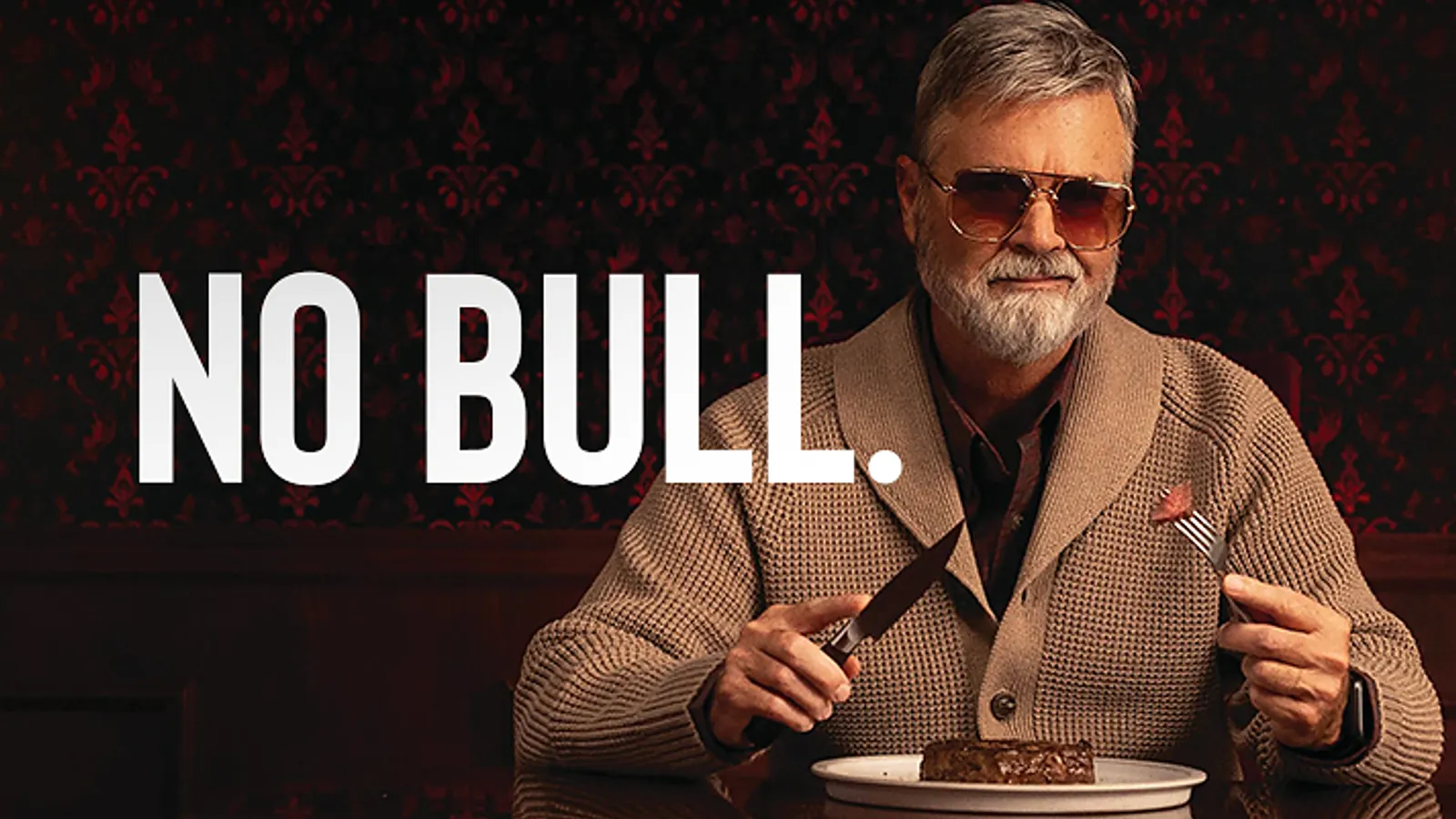
For over a century, Omaha Steaks has occupied a singular position in the American culinary landscape. Known primarily for its mail-order delivery model and a heritage that spans 109 years, the company has long been a staple of suburban freezers and holiday gift-giving. However, as the retail landscape evolves and a new generation of skeptical, information-hungry consumers takes the reins of the grocery market, the brand has realized that heritage alone is no longer enough.
In a strategic pivot designed to capture the loyalty of younger shoppers and address growing anxieties regarding food provenance, Omaha Steaks has launched a transformative marketing platform titled “No Bull.” This initiative represents a radical departure from the company’s historical reliance on vague, superlative-laden marketing, signaling a new era of radical transparency and direct communication.
Main Facts: The “No Bull” Transformation
The "No Bull" campaign, which launched in September, serves as the cornerstone of a broader business transformation at Omaha Steaks. The platform is intentionally designed to strip away the industry-standard jargon that has characterized the brand’s marketing for decades. Terms like “gourmet” and “quality,” while traditionally effective, are now being viewed by the brand as insufficient.
According to Angie Kubicek, Senior Director of Growth Marketing at Omaha Steaks, the modern consumer is both time-poor and information-rich. They are no longer satisfied with empty marketing promises; they want to know exactly what they are buying, where it came from, and why it matters. By leaning into a tone that is clear, direct, and unvarnished, the company is attempting to prove its credibility rather than simply asserting it.
The campaign is omni-channel, encompassing a robust mix of television, radio, YouTube, podcasts, paid social media, and influencer partnerships. The primary messaging is anchored in the 30-second “No Bull” spot, which explicitly acknowledges the brand’s long history while distancing it from outdated perceptions. “Sure, Omaha Steaks has been around for 109 years, but if you think we’re just your grandpa’s steak company, think again,” the narrator declares, pivoting immediately to a focus on premium, craft-butchered beef.
A Chronological Evolution of Strategy
To understand the significance of the "No Bull" initiative, one must view it within the context of the company’s recent efforts to modernize its public image.
- June 2026: The company kicked off its modern revitalization with the “America’s Table” campaign. This effort, which featured the voice of renowned actor Kevin Costner, sought to ground the brand in the emotional history of the United States. By highlighting the role of Omaha Steaks during defining moments—ranging from the World Wars and the Great Depression to the first moon landing and the COVID-19 pandemic—the campaign aimed to solidify the brand’s identity as a permanent fixture of the American experience.
- September 2026: Recognizing that emotional resonance required a foundation of logical trust, the company launched the "No Bull" platform. This shift signaled a move from storytelling to transparency, specifically addressing the "quality" of their protein.
- Late 2026 to Present: The brand has focused on operationalizing these marketing promises, including a significant reduction in delivery times—moving from a six-day average to approximately two days—and ensuring that its digital shopping experience is as frictionless as possible.
Supporting Data: Proof of Performance
The shift in strategy has yielded immediate and measurable results, suggesting that the brand’s assessment of the consumer mood was accurate. Within just two weeks of the “No Bull” campaign’s debut, Omaha Steaks reported a 46% increase in conversion rates. Perhaps more telling of the brand’s success in reaching a new, younger demographic is the 130% surge in social media mentions.
These metrics provide a compelling case for the efficacy of transparent marketing. In an era where consumers are bombarded with advertising, the "No Bull" approach appears to cut through the noise by respecting the customer’s intelligence. By prioritizing "easy-to-digest" information—literally and figuratively—the company is successfully moving the needle on brand engagement.
Official Responses and the Definition of Quality
The pivot is not merely aesthetic; it represents a fundamental change in how the company defines its product. Historically, Omaha Steaks marketed through deep discounts and promotions. While these tactics still play a role in their business model, they are now secondary to a clearly articulated value proposition.
“We have really kind of embraced this tonality of just being as clear and as direct as possible,” says Kubicek. “Consumers are busy and they don’t want to have to give you guesswork to understand what we mean when we are saying quality.”
For Omaha Steaks, the term "quality" has now been codified into three distinct pillars:
- American Sourcing: All beef is sourced from within the United States.
- Aging Expertise: The company is emphasizing the technical aspects of their aging processes, which contribute to the flavor and tenderness of the meat.
- Human Craftsmanship: The brand is highlighting the role of professional butchers who hand-cut the products, countering the impersonal nature of modern, hyper-industrialized food production.
Implications: Addressing the "Protein Obsession"
The timing of this pivot is far from coincidental. As protein becomes a growing focal point for health-conscious consumers, the scrutiny regarding the origins and safety of that protein has reached an all-time high.
The Regulatory Landscape
The U.S. meat industry currently operates under a complex regulatory framework. Notably, beef and pork distributors are not federally required to disclose the country of origin on their products unless they choose to use the voluntary USDA "Product of USA" label. This lack of mandatory transparency creates an information vacuum that Omaha Steaks is now actively filling.
The environment is further complicated by recent macroeconomic pressures. In September, the administration announced plans to import approximately 660 million pounds of lean beef trimmings over a 90-day period through reduced tariffs in an effort to curb rising grocery costs. In this climate, the "No Bull" campaign serves as a defensive and offensive tool: it reassures existing customers of the brand’s domestic roots while positioning Omaha Steaks as a premium, reliable alternative to potentially lower-cost, imported commodity meat.
Bridging the Generation Gap
The challenge for a 109-year-old brand is to remain relevant to younger cohorts without alienating the legacy customers who built the business. Omaha Steaks is attempting to achieve this through a dual-track strategy.
For the younger, digital-native consumer, the brand is leveraging influencer partnerships and high-frequency social media engagement, focusing on the playful, "No Bull" brand voice. Simultaneously, they are honoring their heritage by maintaining traditional touchpoints. For example, legacy customers who prefer the human touch can still bypass digital ordering systems to call representatives directly.
Furthermore, the company is doubling down on direct mail. While some might view physical catalogs as an antiquated medium, Omaha Steaks has found that its core customer base views direct mail as a "real" connection—a tactile experience in a world increasingly dominated by the perceived artifice of artificial intelligence and digital-only interactions.
Conclusion: A New Standard for Food Marketing
Omaha Steaks’ transition from a legacy mail-order giant to a transparent, modern brand is a blueprint for other established companies facing similar identity crises. By acknowledging the "guesswork" that previously defined their marketing and replacing it with concrete, sourced, and human-verified information, the company is successfully future-proofing its business.
The "No Bull" platform is more than just a catchy tagline; it is a recognition that trust is the most valuable currency in the modern food economy. As consumers become increasingly protective of their health and their dollars, the brands that win will be those that stop trying to sell, and start trying to be honest. Omaha Steaks has wagered that its 109-year history of expertise is the best proof point it has, and thus far, the market seems to agree.


 Evan Lee Salim
 Jia Lissa
 Basiran
 Neng Nana
 Iffa Jayyana
 Raul Delapena Setiawan
 Asro
Asro