
 Raul Delapena Setiawan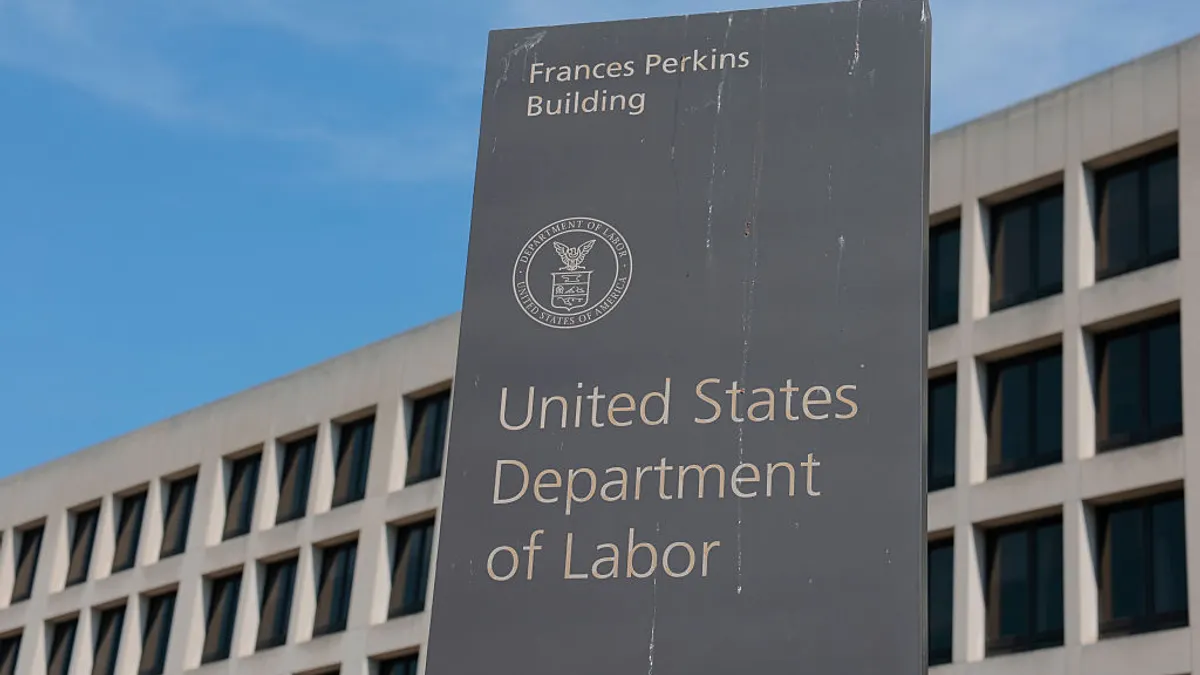
Washington D.C. – October 7, 2026 – The U.S. Department of Labor has announced an upcoming increase to the minimum hourly wage for federal contractors, raising it to $14.05. This adjustment also impacts the tipped minimum wage, which will be set at $9.85 per hour. The new rates are slated to take effect 90 days following their official publication in the Federal Register, anticipated on Thursday. This move reflects a recurring theme in federal contracting: the minimum wage for those employed on government contracts is subject to the prevailing policies of the administration in power, leading to a dynamic and sometimes unpredictable financial landscape for contractors and their employees.
While this increase represents a step up from the current rates of $13.65 per hour for the general minimum and $9.55 per hour for tipped employees, which became effective on May 11th of this year, it notably remains below the $15 per hour benchmark established during the Biden administration. This historical context underscores the fluctuating nature of federal contractor wage mandates and their susceptibility to political shifts.
The updated regulations will primarily affect specific types of federal contracts that were initiated between January 1, 2015, and January 29, 2022, and have not been subject to renewal or extension since January 30, 2022. This nuanced application highlights the intricate web of contractual agreements and their adherence to various executive orders that have shaped minimum wage requirements over the past decade.
A Decade of Shifting Tides: A Chronological Review of Federal Contractor Minimum Wage Policies
The minimum wage for federal contractors has been a focal point of executive action for over a decade, with each administration leaving its distinct mark on the policy. This evolution is a testament to the ongoing debate surrounding fair labor practices and the government’s role in ensuring a living wage for workers employed through its contracts.
The foundation for mandated minimum wages for federal contractors was laid by President Barack Obama. On February 12, 2014, he signed Executive Order 13658, establishing a baseline minimum wage of $10.10 per hour for federal contract workers, effective January 1, 2015. Crucially, this order also stipulated annual adjustments to the minimum wage, designed to keep pace with inflation and ensure that the purchasing power of the wage was maintained over time. This forward-looking provision aimed to provide a degree of stability and predictability for both employers and employees within the federal contracting sphere.
The policy landscape shifted significantly under President Donald Trump. On May 25, 2018, he issued an executive order that amended Obama’s directive. This amendment introduced a notable exception, carving out federal contractors involved in "seasonal recreational services or seasonal recreational equipment rental for the general public on Federal lands" from the minimum wage requirements. This exclusion, while specific in its application, signaled a potential recalibration of the government’s commitment to a universal minimum wage for all federal contract workers.
The most substantial shift occurred with President Joe Biden’s administration. In a decisive move to bolster wages for low-income workers, President Biden signed an executive order on January 30, 2022, which mandated a $15 per hour minimum wage for federal contractors. This order, known as EO 14026, not only raised the wage significantly but also reinstated the principle of annual inflation-based adjustments and explicitly revoked President Trump’s earlier exclusionary order. EO 14026 superseded Obama’s original order and applied to new contracts awarded on or after January 30, 2022, as well as those contracts that were renewed or extended on or after that date. This represented a comprehensive effort to ensure that workers on federal contracts received a wage that was intended to provide a more substantial standard of living.
However, the policy pendulum swung once again. On March 14, 2025, President Trump issued an executive order that revoked President Biden’s directive. This revocation effectively reinstated the minimum wage requirements of Executive Order 13658, the Obama-era order. The implications of this revocation are significant, as it means that the minimum wage for federal contractors is once again tied to the framework established in 2014, albeit with the annual inflation adjustments that were part of that original order.
The current notice from the Department of Labor acknowledges this complex history. It states, "As a result, at this time Executive Order 13658 remains in effect." The notice further elaborates on the diminishing scope of contracts subject to the older order: "Although the number of contracts subject to Executive Order 13658 has significantly decreased over the past several years and continues to dwindle, the Department anticipates that there will be some existing contracts with the Federal Government that would not have qualified as a covered ‘new contract’ for purposes of Executive Order 14026 and that remain subject to the minimum wage requirements of Executive Order 13658." This explanation clarifies why the current wage increase, while a step forward, does not reach the $15 mark previously set by President Biden.
Supporting Data and Economic Context
The annual adjustments to the minimum wage for federal contractors are typically based on the Consumer Price Index for Urban Wage Earners and Clerical Workers (CPI-W). This economic indicator measures the average change over time in the prices paid by urban wage earners and clerical workers for a market basket of consumer goods and services. By tying wage increases to inflation, the intention is to preserve the real value of the minimum wage, ensuring that its purchasing power does not erode due to rising costs of living.
The current minimum wage of $13.65 per hour, which took effect on May 11, 2026, represented an increase from the previous rate. Similarly, the tipped minimum wage of $9.55 per hour also saw an upward adjustment. These incremental increases are a direct consequence of the annual adjustment mechanism mandated by Executive Order 13658.
The new rate of $14.05 per hour reflects the latest inflation-adjusted figure under the prevailing executive order. The tipped minimum wage of $9.85 per hour is also adjusted accordingly. The specific calculation of these adjustments is meticulously detailed in the Federal Register notice, providing transparency into the economic data that underpins these policy decisions.

The impact of these wage adjustments extends beyond the immediate beneficiaries. For federal contractors, it means an increase in labor costs. This can necessitate adjustments to their bidding strategies for future contracts, potentially influencing the overall cost of government services. For employees, particularly those in lower-wage positions, the increase represents a tangible improvement in their take-home pay, which can have a significant impact on their ability to meet basic needs and improve their quality of life.
Official Responses and Perspectives
The U.S. Department of Labor, through its announcement in the Federal Register, is the primary official voice on this matter. The notice serves as a formal communication of the updated wage rates and the regulatory framework under which they are being implemented. The department’s role is to administer and enforce federal labor laws, including those pertaining to minimum wages for federal contractors.
While direct quotes from specific officials are not provided in the source material, the language of the Federal Register notice carries the weight of official pronouncement. The department’s emphasis on the continued applicability of Executive Order 13658 and the diminishing scope of contracts subject to the Obama-era order suggests a pragmatic approach to policy implementation, acknowledging the legal and contractual realities shaped by previous administrations.
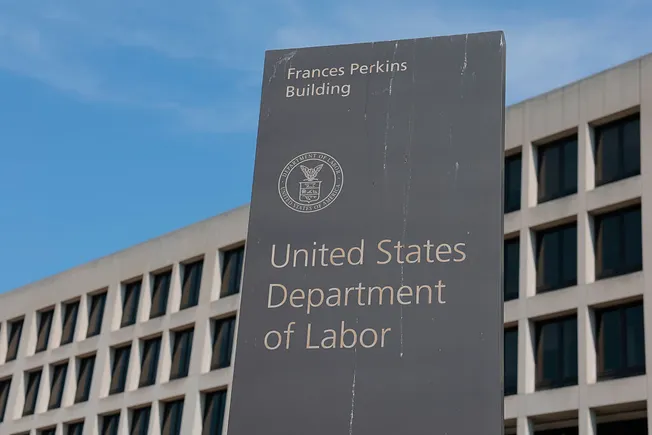
The inclusion of the image of the Frances Perkins Department of Labor Building, named after the first female Secretary of Labor, serves as a symbolic reminder of the department’s historical commitment to advocating for workers’ rights and fair labor practices. The caption accompanying the image, "As administrations have changed, so, too, has the minimum wage for federal contractors," directly addresses the core theme of the article: the volatility of these wage mandates.
It is also important to consider potential perspectives from various stakeholders, even if not explicitly stated in the provided text. Federal contractors, particularly small and medium-sized businesses, may express concerns about the increased labor costs and the administrative burden of complying with fluctuating wage regulations. Labor unions and worker advocacy groups, on the other hand, are likely to welcome the wage increase as a positive step towards ensuring a more equitable compensation for federal contract employees, while perhaps advocating for the restoration of higher wage mandates.
Implications for Federal Contractors and the Workforce
The impending increase in the minimum wage for federal contractors carries several significant implications for both employers and the workforce. For federal contractors, the most immediate impact will be an increase in their payroll expenses. This necessitates a careful review of their current contracts and bidding processes. Companies that rely heavily on labor for their federal contracts will need to factor these higher wage costs into their financial projections and pricing strategies. This could lead to a more competitive bidding environment, where contractors with greater efficiency or lower overhead may have an advantage.

Furthermore, the fluctuating nature of these wage mandates poses a challenge for long-term financial planning. Contractors must remain agile and adaptable to policy changes, which can affect their profitability and operational stability. The need to navigate different executive orders and their specific application periods adds a layer of complexity to contract management.
For the workforce employed by federal contractors, the increase offers a much-needed boost to their earnings. The $14.05 hourly wage, while not reaching the $15 mark previously set, still represents an improvement over the current rates. This can translate into greater financial security, improved living standards, and potentially reduced reliance on public assistance programs. The increase in the tipped minimum wage also offers a more stable income base for tipped employees.
However, the fact that the wage remains below the $15 mark set by the Biden administration may lead to continued advocacy for higher wages. Worker advocacy groups and labor unions will likely continue to push for policies that ensure a "living wage" for all federal contract employees, regardless of the administration in power. The history of policy reversals suggests that the debate over the appropriate minimum wage for federal contractors is far from over.
The implications also extend to the broader economy. Increased wages for a segment of the workforce can lead to higher consumer spending, which can stimulate economic activity. Conversely, if increased labor costs lead to significant price hikes for government services or a reduction in the number of federal contracts awarded, it could have a dampening effect.
In conclusion, the upcoming minimum wage adjustment for federal contractors highlights the intricate interplay between government policy, economic conditions, and the lives of working individuals. As the nation navigates these policy shifts, the focus remains on finding a balance that supports both fair labor practices and the efficient delivery of government services. The ongoing evolution of these wage mandates underscores the importance of continuous dialogue and adaptation within the federal contracting ecosystem.


 Pevita Pearce
 Suro Senen
 Laily UPN
 Iffa Jayyana
 Rifan Muazin

 Lina Hope
 Lina Irawan