
 Lina Irawan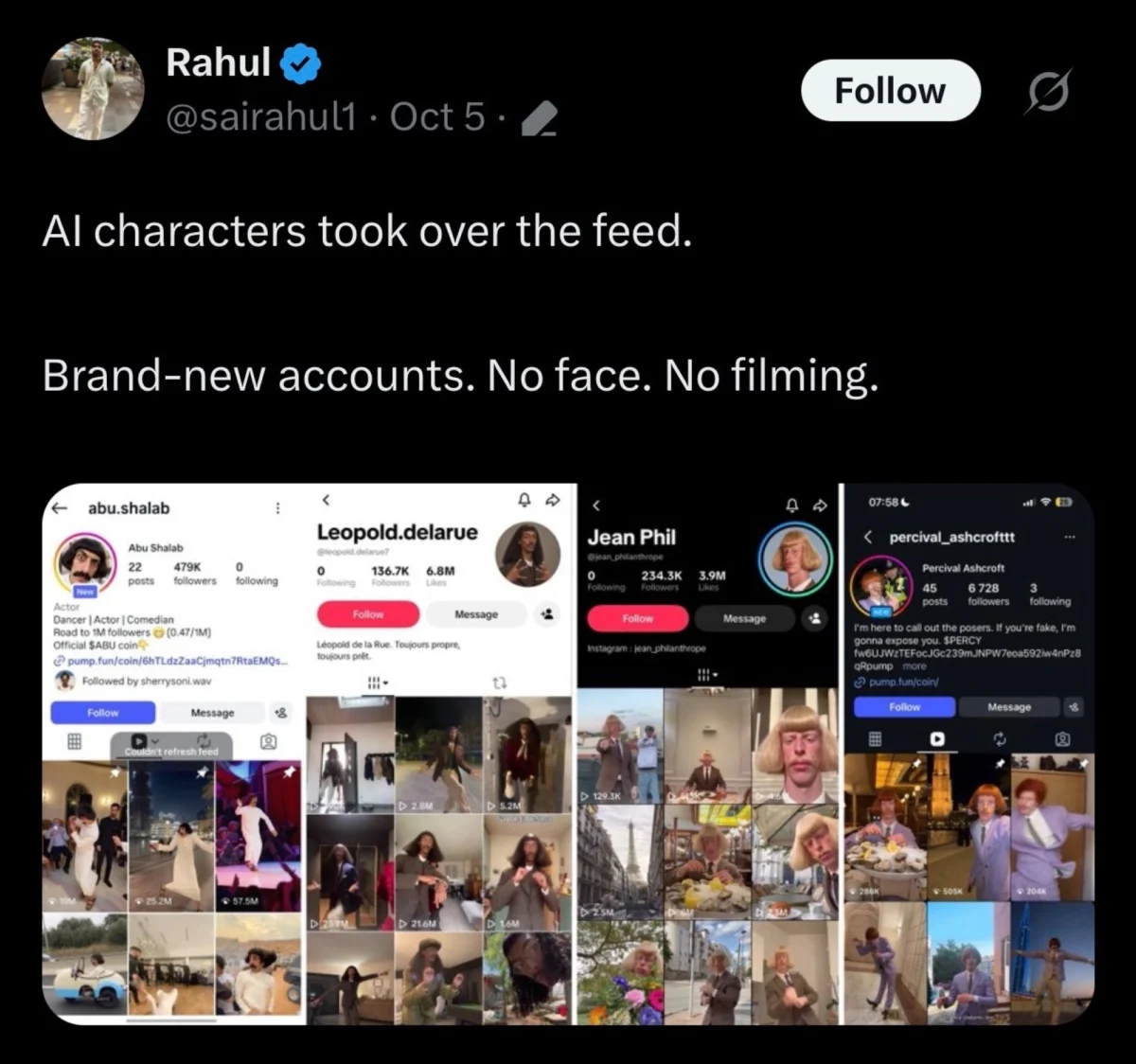
In the digital landscape of 2026, the metrics of fame have undergone a radical, unsettling transformation. On Instagram, TikTok, and YouTube, the most rapidly growing creators are often not people at all, but sophisticated digital constructs. These AI-generated influencers—ranging from lifestyle models and fitness gurus to stand-up comedians—are attracting millions of views, signing lucrative brand deals, and driving traffic to subscription platforms. Yet, beneath the polished exterior of these synthetic stars lies a contentious reality: an industry built on the automated mimicry of human labor, often without the consent of the original creators.
The Mechanics of the "Digital Clone"
The barrier to entry for becoming an "AI influencer" has plummeted. No longer requiring a studio, a camera crew, or even a recognizable human face, the process is now modular and highly automated.
The standard workflow, popularized by viral tutorials on social media, begins with the conceptualization of a character—often aided by Large Language Models (LLMs) like ChatGPT or Claude to establish a "personality" and backstory. Once a persona is defined, users generate a "character sheet" using image-synthesis tools to ensure consistent facial features and body proportions.

The final, and most controversial, step involves video-swapping technology. Platforms such as Higgsfield’s Genjutsu allow users to take existing footage—often stolen from real creators—and overlay their AI character onto the original performer. By maintaining the lighting, framing, and motion of the source material, the AI creator effectively "hijacks" the human performance. The resulting video displays a fictional character performing a joke or a lifestyle routine that was originally crafted by a human being.
Chronology of an Emerging Trend
The rise of the AI creator has been meteoric. While virtual influencers like Lil Miquela have existed for years as highly produced, agency-backed projects, the current wave is distinct for its grassroots, mass-production capabilities.
- Late 2024 – Early 2025: The proliferation of open-source video-to-video (V2V) AI tools began to allow hobbyists to swap faces in viral videos with increasing fidelity.
- Summer 2025: YouTube and other platforms began tightening their Partner Program rules to curb the influx of mass-produced, low-effort AI content, explicitly stating that "unoriginal, automated templates" would not qualify for monetization.
- September 2026: A surge in "AI Comedian" accounts, such as the now-notorious "Tiffany Sloane," brought the issue to a boiling point. These accounts began systematically ripping stand-up routines from female comedians to drive traffic to adult subscription sites like OnlyFans and Fanvue.
- October 2026: High-profile backlash from comedians like George Brett Olsen and Olivia Carter forced a broader public conversation regarding the lack of legal recourse for performers whose work is being commodified by synthetic bots.
The Economic Model: Views, Subscriptions, and "Aicademy"
If AI influencers are not "real," how do they generate revenue? The answer lies in the conversion funnel. While platforms like YouTube and TikTok have implemented stricter rules against unoriginal content, many AI creators bypass ad-revenue sharing entirely.

Instead, they treat social media platforms as "top-of-funnel" marketing tools. A viral clip—often a stolen comedy sketch—serves as the hook. The goal is to drive the viewer to a secondary link, typically an adult-content platform like Fanvue, which explicitly allows and caters to AI-generated creators.
Furthermore, there is a secondary economy in "selling the shovel." Influencers like Aitana López—who boasts over 400,000 followers—have pivoted to selling the knowledge of how to create such content. Through platforms like Skool, creators charge monthly subscription fees to teach others how to build, position, and monetize their own AI avatars, creating a self-perpetuating cycle of digital mimicry.
Supporting Data: The Impact on Human Labor
The economic impact on the creator economy is difficult to quantify, but the sentiment among human performers is clear. According to surveys of the stand-up comedy circuit, a significant portion of female comedians have reported seeing their jokes, outfits, and stage mannerisms repurposed for sexualized AI models.

The "sexualization by default" strategy is a calculated business move. By designing characters with exaggerated features and placing them in relatable, yet highly produced, scenarios, these accounts exploit algorithmic biases that favor visual stimulation. Sara Ziff, founder of the Model Alliance, has noted that this trend threatens to narrow the cultural definition of beauty, replacing human diversity with a sanitized, unrealistic, and algorithmically optimized standard.
Official Responses and Platform Governance
The tech giants that host these creators are in a difficult position. They are caught between the innovation of generative AI and the legal liability of copyright infringement.
- Meta: Has implemented "AI info" labels to distinguish synthetic content, though these labels do not address the issue of stolen intellectual property.
- TikTok: Has introduced an "AI Cast" feature for authorized creators to create digital twins, but remains under pressure to address the theft of likenesses for non-consensual use.
- YouTube: Has taken the most aggressive stance against mass-produced, low-effort content, explicitly penalizing accounts that rely on "repurposed or templated" material.
Despite these measures, enforcement remains reactive. By the time a comedian identifies that their routine has been stolen, the AI account may have already generated millions of views, redirected traffic to a pay-walled site, and vanished before a takedown request can be processed.

Implications for the Future of Creative Expression
The rise of the AI influencer raises profound questions about the value of human experience. When a machine can replicate the delivery of a joke or the aesthetic of a model, the unique "human-ness" of the performance is stripped away.
1. The Erosion of Originality
If creative work is easily scrapable and replaceable, the incentive for independent creators to produce original content may diminish. Why spend years honing a comedy routine if a bot can mimic your delivery and reach a larger audience in a week?
2. The Legal Vacuum
Current copyright law is ill-equipped to handle the nuances of AI mimicry. While you can copyright a script or a photograph, "style," "mannerisms," and "persona" exist in a legal gray area. As of late 2026, there is no federal legislation that adequately protects a creator from having their "vibe" or "brand" stolen by an AI avatar.

3. The Trust Deficit
As consumers become more aware of the prevalence of synthetic influencers, a "trust deficit" is emerging. When audiences can no longer distinguish between a genuine human connection and a programmed engagement strategy, the authenticity that defines the creator economy begins to evaporate.
Conclusion
The AI influencer business is, at its core, a form of digital arbitrage. It takes the value created by human effort and extracts it through automation. While supporters argue that this is simply the next evolution of content creation—a "clean slate" for marketing—critics see it as a fundamental threat to the livelihoods of those who provide the raw material for these bots. As we look toward the remainder of the decade, the industry will likely face a reckoning: either platforms will implement more robust, automated rights-management tools, or the creative workforce will be forced to retreat from public-facing social media, leaving behind an internet filled with ghosts of our own making.

 Evan Lee Salim
 Jia Lissa
 Nana Wu
 Iffa Jayyana
 Nana
Nana
 Lina Hope