
 Nana Muazin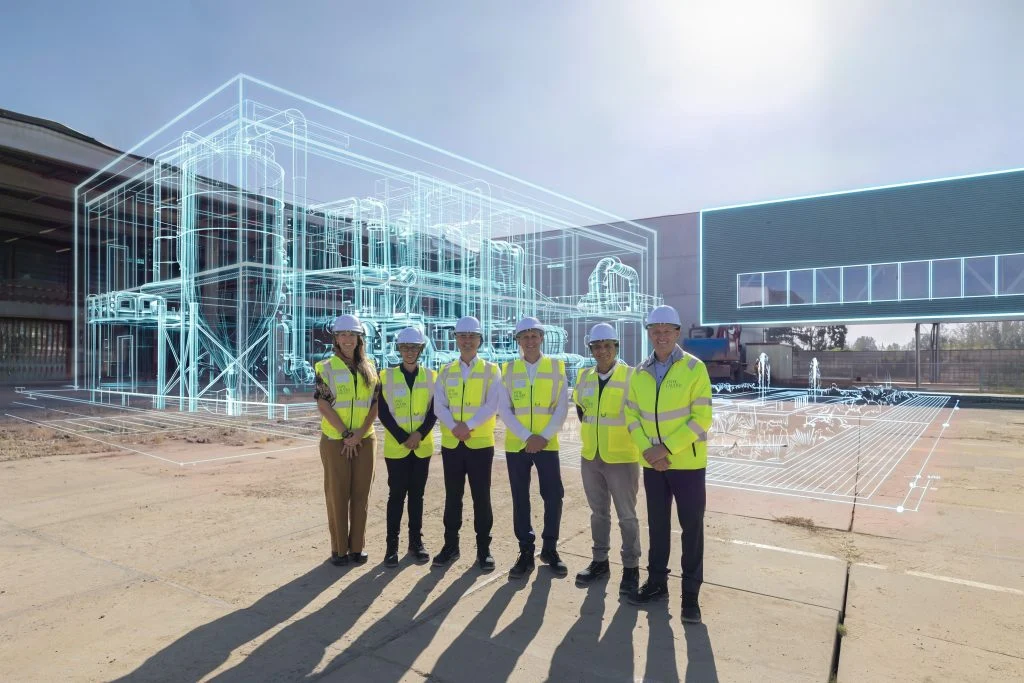
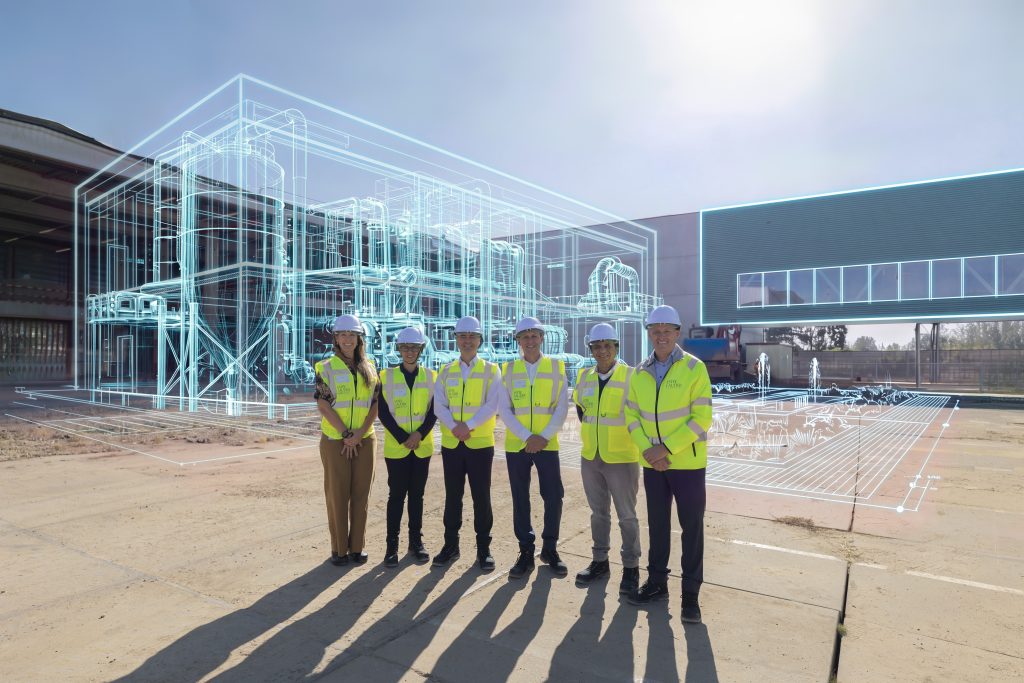
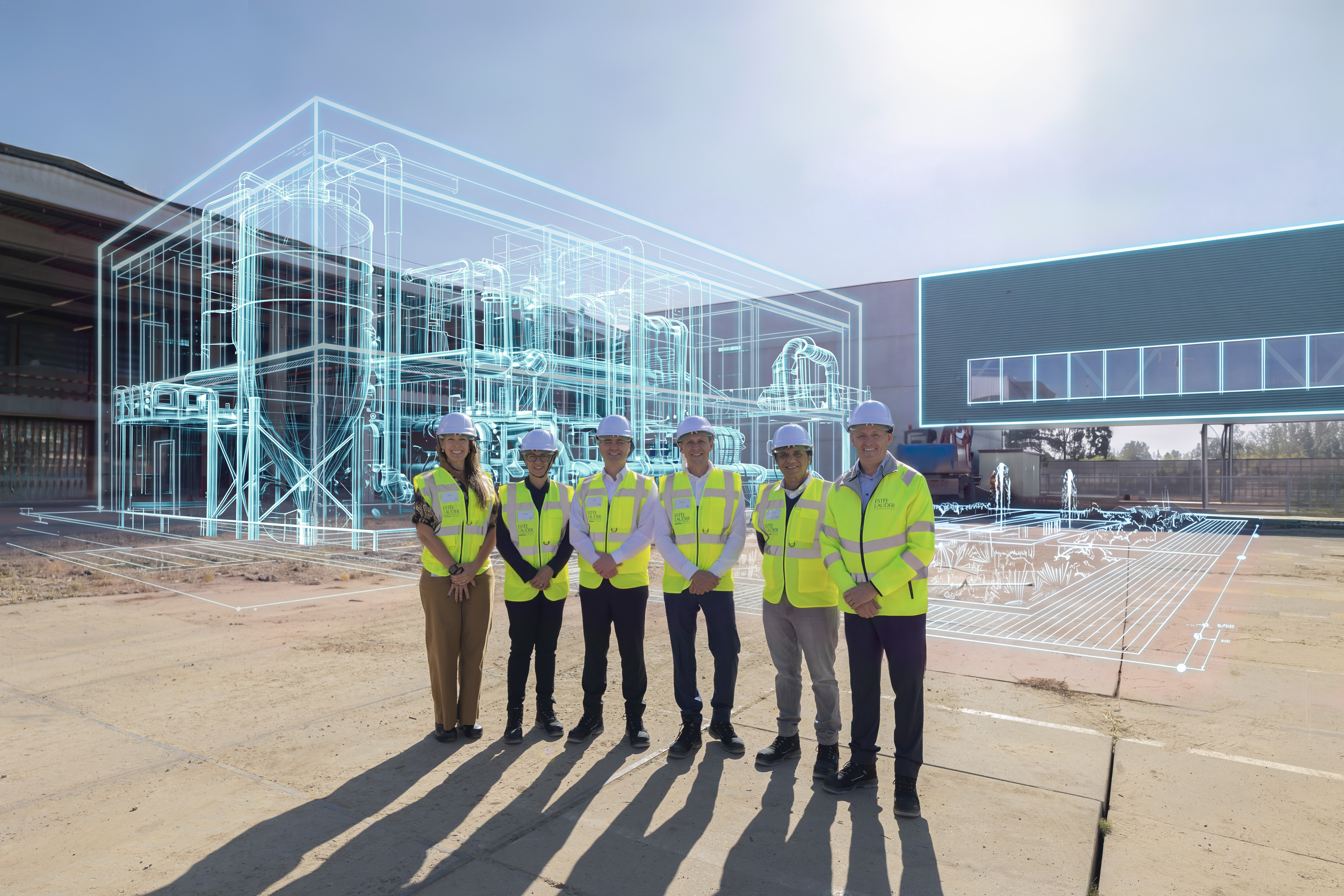
In an era where global corporations are increasingly scrutinized for their environmental footprint, The Estée Lauder Companies (ELC) has taken a decisive step toward sustainable manufacturing. The beauty giant has announced a significant €5.7 million investment in its Oevel manufacturing campus in Belgium, specifically targeting advanced water circularity infrastructure. This move is not merely a localized upgrade; it serves as a strategic blueprint for the company’s "Beauty Reimagined" philosophy, which aims to integrate digital innovation with rigorous resource stewardship across its global supply chain.
The Core Initiative: Transforming Water Management
The Oevel campus, a cornerstone of Estée Lauder’s manufacturing network, is set to undergo a technical overhaul designed to drastically reduce water consumption. The primary objective is to improve the efficiency of water usage in the production process, bringing the current water intensity down from 9.3 litres per kilogram of product to a mere 3.6 litres.
This ambitious reduction represents a total annual savings of approximately 25 million litres of water. To achieve this, the project will deploy a multi-tiered technical solution:
- Enhanced Purification Systems: Modernizing the existing infrastructure to treat and purify water more efficiently, reducing the need for constant intake from municipal sources.
- Closed-Loop Equipment Sanitization: Implementing systems that allow for the reuse of treated water in the cleaning and sanitization of heavy-duty manufacturing equipment.
- Wastewater Reclamation: Treating process wastewater to a high standard, enabling it to be cycled back into specific operations rather than being discharged.
By minimizing reliance on freshwater and reducing discharge volumes, Estée Lauder is aligning its operational strategy with the broader global transition toward a circular economy.
A Decade of Investment: The Chronology of Oevel’s Evolution
The current investment is not an isolated event but rather the latest milestone in a ten-year transformation of the Oevel site. Over the past decade, Estée Lauder has committed more than €150 million to the facility, systematically evolving it from a traditional production plant into a hub of high-tech manufacturing excellence.
- 2014–2018: Foundations of Excellence: Early investments focused on expanding the campus’s capacity and upgrading core logistics. The company recognized that to compete in a rapidly changing beauty market, it needed to bolster its biotechnology and infrastructure capabilities.
- 2019–2023: The Digital Shift: During this period, the focus shifted toward Industry 4.0 standards. The integration of automation and data-driven logistics allowed the Oevel site to improve speed-to-market and operational agility.
- 2024–Present: The Sustainability Pivot: With the infrastructure modernized, the company has now pivoted toward "responsible resource management." The €5.7 million water circularity project represents the current apex of this phase, shifting the focus from simply "making more" to "making more with less."
Technical Implications and Scalability
The significance of the Oevel project lies in its role as a "pilot site." In the world of global manufacturing, scaling sustainability initiatives is notoriously difficult due to varying local regulations and resource availability. By perfecting these water-recycling technologies in Belgium—a region with stringent environmental standards—Estée Lauder is creating a modular template.
The company has explicitly stated that the data, engineering learnings, and operational protocols developed at Oevel are intended to be deployed across its wider global manufacturing network. This "hub-and-spoke" model of innovation allows the firm to test high-risk, high-reward sustainability tech in a controlled environment before rolling it out to larger facilities in North America or Asia.
Furthermore, this project is inextricably linked to the site’s wider modernization program. The integration of artificial intelligence (AI) in managing water flow, pressure, and quality ensures that the facility can react in real-time to production demands. By layering digital manufacturing over physical infrastructure, Estée Lauder is creating a "smart factory" where sustainability metrics are as prioritized as output volume.

Official Perspectives: The “Beauty Reimagined” Vision
Leadership at Estée Lauder views this investment as a tangible manifestation of its long-term corporate strategy. Alexander Gregorian, Senior Vice President of Manufacturing & Engineering at The Estée Lauder Companies, emphasized the necessity of this shift during the announcement.
"Beauty Reimagined is about building a more agile, more resilient and more consumer-centric company for the future," Gregorian noted. "Oevel demonstrates how we are translating that ambition into reality through advanced manufacturing, digital innovation and responsible resource management."
Gregorian’s comments highlight a critical trend in the cosmetics industry: the realization that operational excellence is no longer just about profit margins—it is about resource security. As climate change poses risks to water security in regions worldwide, companies that decouple their production from heavy freshwater usage are positioning themselves as more resilient against future regulatory or environmental shocks.
"Just as importantly," Gregorian added, "the learnings from this project will help inform future manufacturing initiatives across our broader network. The combination of innovation, operational excellence and water stewardship will play an increasingly important role in the future of manufacturing."
Broader Implications for the Cosmetics Sector
Estée Lauder’s move serves as a bellwether for the wider luxury and consumer goods sectors. Historically, the beauty industry has been under fire for its plastic waste and chemical runoff. While many firms have focused on sustainable packaging, the focus on "water stewardship" at the manufacturing level represents a deeper, more structural change.
1. Regulatory Compliance and ESG Pressure
With European Union regulations regarding environmental, social, and governance (ESG) reporting becoming increasingly stringent, large corporations are under pressure to demonstrate concrete reductions in resource consumption. By investing €5.7 million into water circularity, Estée Lauder is proactively meeting these requirements, potentially insulating itself from future carbon or water-use taxes.
2. The Competitive Edge of Sustainability
Modern consumers, particularly Gen Z and Millennial demographics, are increasingly loyal to brands that prioritize ethical manufacturing. When a brand can prove that its products are manufactured using 60% less water than industry averages, it gains a competitive narrative that transcends the physical quality of the product. Sustainability has become a critical pillar of brand equity.
3. Operational Resilience
Beyond the PR benefits, the technical shift to water recycling is a sound business decision. As water becomes a scarcer and more expensive commodity, reducing reliance on public utilities mitigates the risk of supply chain disruptions. By creating a closed-loop system, the Oevel campus gains a degree of independence that is vital for long-term manufacturing continuity.

Conclusion: Setting the Standard
The €5.7 million investment in the Oevel campus is a strategic pivot that aligns environmental responsibility with operational efficiency. By leveraging its decade-long modernization program, Estée Lauder is demonstrating that sustainable practices are not a hurdle to manufacturing, but rather a catalyst for technological advancement.
As the company transitions to its next phase of global growth, the successes—and potential challenges—encountered at the Oevel pilot site will provide invaluable lessons. For the broader beauty industry, the message is clear: the future of manufacturing lies in the integration of AI, circular resource management, and a commitment to resilience. The Estée Lauder Companies is not just manufacturing cosmetics; it is re-engineering its entire global footprint to ensure it remains relevant, efficient, and sustainable in an increasingly resource-constrained world.


 Rifan Muazin
 Azzam Bilal Chamdy
 Laily UPN
 Iffa Jayyana

 Suro Senen
 Lina Hope
 Lina Irawan