
 Asep Darmawan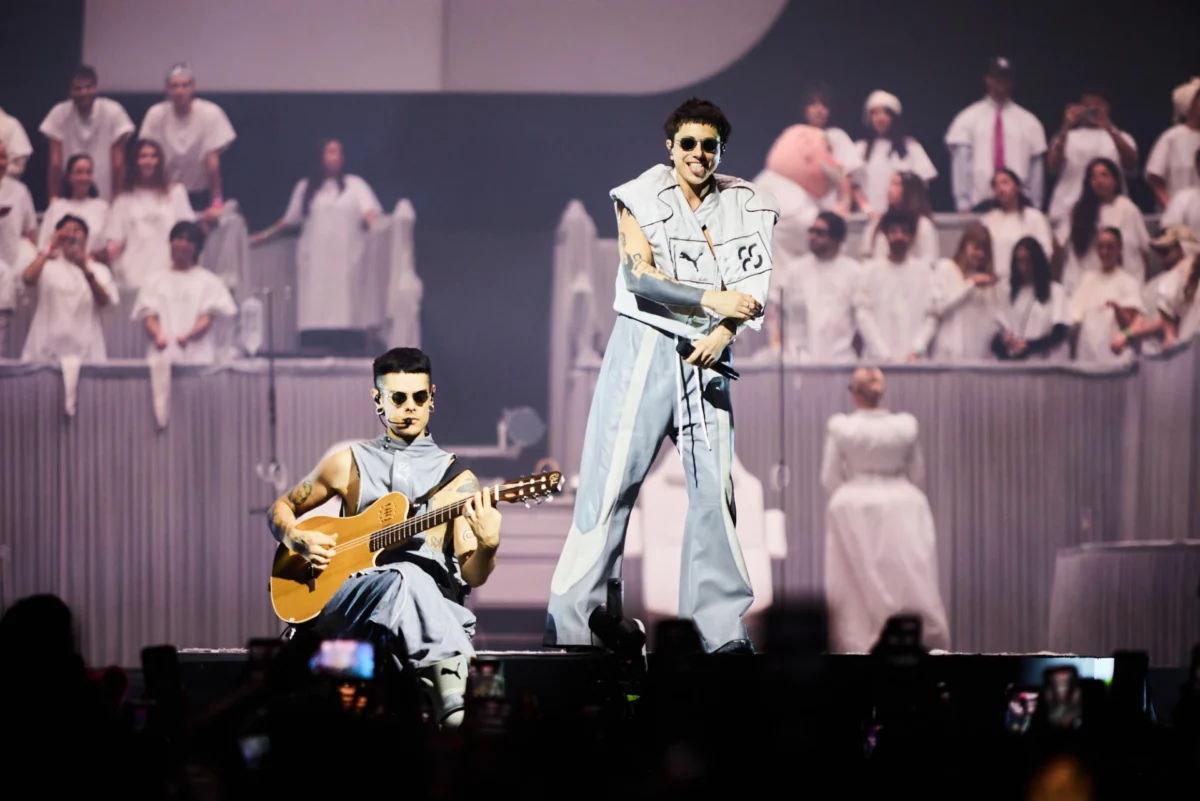
The battlefield for the modern consumer has shifted. For decades, the sportswear industry fought its wars on the running track, the football pitch, and the tennis court. Victory was defined by performance metrics, biomechanical innovation, and the endorsement of elite athletes. However, in 2026, the playing field has fundamentally changed. The new arena is not a stadium; it is the concert stage, the social media feed, and the cultural zeitgeist.
As the lines between activewear, high-fashion streetwear, and digital entertainment blur, sportswear brands are increasingly turning to music icons to bridge the gap between performance gear and personal identity. From Gymshark’s strategic pivot to the long-standing cultural experiments of adidas, the industry is witnessing a seismic shift: the rise of the "Cultural Marketer."
The New Guard: Gymshark and the Megan Thee Stallion Paradigm
The most recent indicator of this shift is the Liverpool-founded fitness giant Gymshark. In a move that signaled a departure from its community-led, athlete-exclusive marketing strategy, the brand signed global hip-hop superstar Megan Thee Stallion as its first-ever celebrity ambassador.
This is not a traditional "face of the brand" arrangement. The partnership, centered on the “Megan Does Gym” campaign, is an integrated effort to weave the artist into the fabric of the brand’s "We Do Gym" platform. Unlike past celebrity deals where the star might appear in a glossy commercial before disappearing, Gymshark has built a direct bridge to conversion.
Across its digital storefronts and physical retail outposts, the brand has created dedicated experiences that allow consumers to shop the specific looks worn by Megan alongside her curated favorite products. This reflects a shift from mere "brand awareness" to "brand integration," where the celebrity’s influence acts as a direct funnel for point-of-sale conversion.
Chronology: From Performance to Pop Culture
The evolution of this strategy has been gradual but accelerating. To understand the current climate, one must look at the timeline of how sportswear brands decoupled themselves from purely athletic utility:
- 2015–2018 (The Awakening): Brands began experimenting with "athleisure" as a lifestyle category. Partnerships remained largely limited to high-profile athlete/musician crossovers (e.g., Kanye West’s Yeezy line with adidas).
- 2020–2022 (The Pandemic Pivot): With live sports stalled, brands sought new ways to engage captive digital audiences. Music-led social challenges and virtual concerts became the primary marketing vehicles.
- 2023–2025 (The Integration Era): The focus shifted to "long-term cultural partnerships." Brands stopped seeking "one-off" endorsements in favor of collaborative product design, where the artist has a hand in the aesthetic direction of the apparel.
- 2026 (The Current State): The "Cultural Marketer" model reaches maturity. The launch of the BadBo 1.0 by adidas and the Megan Does Gym campaign by Gymshark signify that musical influence is now considered just as vital as performance technology.
Supporting Data: Why Music Drives Conversion
Why are these brands betting millions on artists rather than just investing in more R&D for trainers? The answer lies in the nature of "community."
Traditional sports marketing relies on the success of a team or an individual athlete—variables that are inherently unpredictable. If a team loses, or an athlete retires, the marketing narrative falters. Conversely, a music star brings a "community of identity."
According to industry reports, the conversion rates for collaborations that lean into cultural relevance—rather than just functional utility—are significantly higher among Gen Z and Millennial cohorts. For these consumers, the apparel they wear is a signal of their participation in a specific social group.
Data from adidas suggests that their cultural marketing partners—a list that now includes Bad Bunny, Oasis, Tate McRae, Pusha T, and Missy Elliott—are not just driving views, but are the primary drivers of the "lifestyle" segment of their revenue. When Bad Bunny’s BadBo 1.0 launched during his 2026 Super Bowl halftime show, the product sold out within minutes. This proved that a cultural moment could be leveraged into an immediate, high-volume retail success, independent of the product’s athletic performance capability.
Official Perspectives: The Strategy of "Cultural Relevance"
Brands are no longer shy about their transition into lifestyle and entertainment. In recent investor briefings and annual reports, major players have explicitly identified "cultural marketing" as a core pillar of their growth strategy.
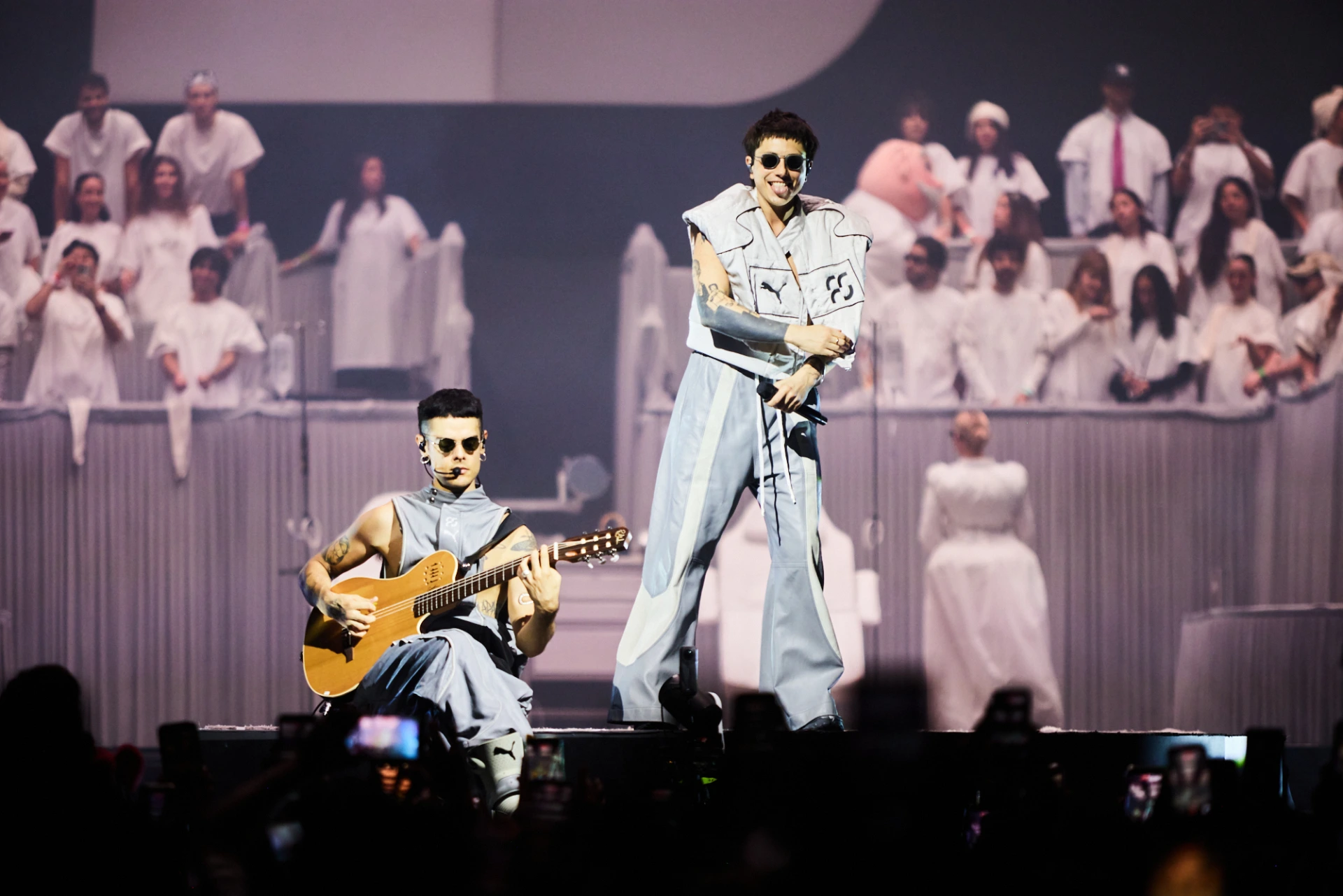
An adidas spokesperson recently emphasized that their relationship with Bad Bunny has developed into a "cultural platform." By allowing the artist to infuse his Puerto Rican heritage and his aesthetic sensibility into the F50 Ghost Sprint—a football-inspired silhouette—the brand creates a product that is "sport-built and street-ready."
Similarly, Nike’s recent maneuvers reflect this philosophy. By partnering with Spotify and rising stars like Tyla, Nike is positioning itself not as a manufacturer of sporting goods, but as a facilitator of "movement." Their messaging emphasizes that movement is a lifestyle—whether that movement is a sprint on the track or a dance on a stage.
Implications: The Risks and Rewards of the "Cultural Shortcut"
While the success of these campaigns is undeniable, industry analysts warn of a "relevance trap." Simply signing a massive pop star does not guarantee a return on investment.
The Danger of Confusion
A common pitfall is when brands mistake "reach" for "relevance." If an artist is simply pasted onto a campaign without a logical connection to the product, consumers see through it. This creates "celebrity noise"—content that is highly visible but ultimately forgettable.
The most successful collaborations are those that follow the "Identity Triangulation" model:
- The Artist’s Persona: Does the artist have an authentic connection to fitness, movement, or the brand’s heritage? (e.g., Megan Thee Stallion’s well-documented love for weightlifting).
- The Brand Proposition: Does the product solve a problem or satisfy a desire that the artist’s fan base actually has?
- The Participation Hook: Is there a tangible way for the consumer to "join in," such as exclusive merchandise, digital workouts, or community events?
The Shift in Competitive Advantage
In a market where technical performance has become largely commoditized—where a mid-tier shoe often performs as well as a top-tier one—cultural relevance has become the primary differentiator. Brands are now competing for "mindshare" in the same way they once competed for "market share."
The implication for the future is clear: the sportswear company of the next decade will look more like a record label and a fashion house than a traditional manufacturer. We are seeing the death of the "exclusive athlete" model and the birth of the "brand as a curator."
Conclusion: The Next Battleground
As we look toward the remainder of the decade, the strategy is solidified. Brands like Gymshark and adidas have realized that the next generation of loyalists may never step foot on a professional sports field. Instead, they will be won over in the culture that surrounds that field.
The athlete of the past was defined by their stats; the icon of the future is defined by their story. By giving artists a seat at the table—not just as faces, but as architects of the brand experience—sportswear giants are effectively "owning" culture.
The gym is no longer just a place for physical exertion; it is a node in a vast, global network of music, fashion, and social identity. For those brands that can master the art of the cultural collaboration, the rewards are immense. For those that continue to rely on the fading model of traditional sports marketing, the silence of the empty stadium may be the only thing they have left.
The battle has moved, the rules have changed, and the music is playing. It is up to the brands to decide whether they will be the ones dancing to the beat or left behind in the locker room.


 Lina Irawan
 Lina Hope
 Azzam Bilal Chamdy


 Basiran
 Suro Senen