
 Lina Hope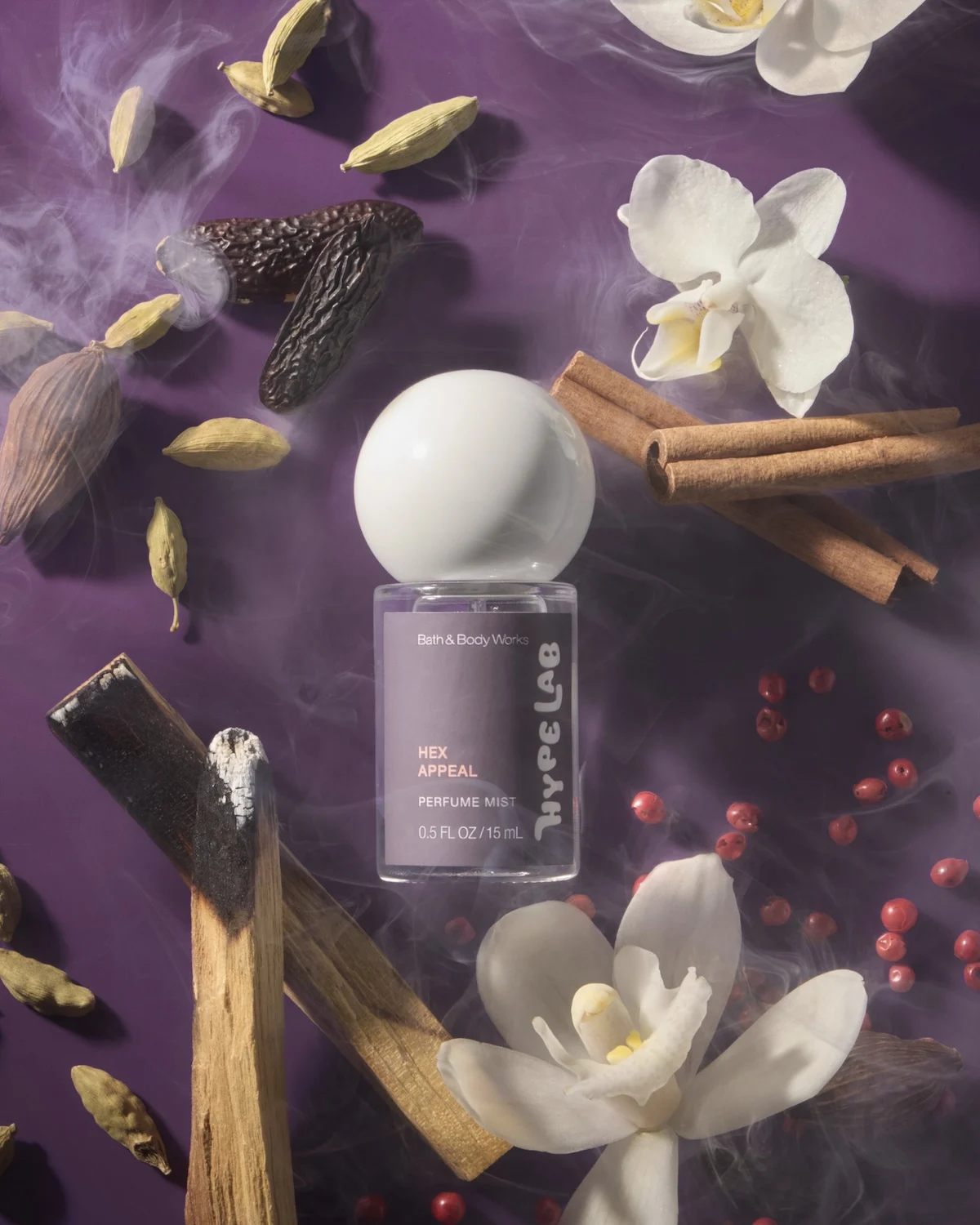
In the fast-paced world of retail, where consumer attention spans are shorter than a TikTok scroll, Bath & Body Works is undergoing a radical metamorphosis. The legacy fragrance giant, once known for its predictable seasonal cycles and mall-staple predictability, is pivoting toward a high-velocity model of product development. At the heart of this transformation is "Hype Lab," a nimble, experimental division designed to bridge the gap between viral internet trends and tangible consumer goods.
This shift comes at a critical juncture for the company. As it navigates a challenging retail environment and a broader corporate turnaround, Bath & Body Works is betting that the secret to reclaiming its market dominance lies in its ability to listen, pivot, and launch at the speed of culture.
The Genesis of the Viral Drop: A Case Study in Speed
In September, the effectiveness of this new strategy was put to the test. Bath & Body Works launched a trio of miniature perfume mists inspired by the internet’s most persistent culinary obsessions: Japanese Cheesecake, Strawberry Dubai Chewy Cookie, and Angel Hair Chocolate. The result was a retail frenzy. The collection vanished from the company’s online store in a mere three minutes.
This was not a standard inventory rollout. It was the inaugural output of Hype Lab, an initiative dedicated to small-batch, limited-edition fragrance creation. Unlike the company’s traditional product cycles—which can take months or even years to move from concept to shelf—Hype Lab products move from inception to market in just 8 to 12 weeks.
This hyper-speed cycle is facilitated by a cross-functional "ninja team" assembled by Kristie Lewis, Executive Vice President of Merchandising. By pulling top talent from the company’s digital, creative, merchandising, and in-house fragrance teams, the brand has created a specialized unit capable of operating independently of the main corporate bureaucracy. These fragrances are formulated in partnership with the fragrance house MANE and bottled within Bath & Body Works’ own Ohio manufacturing facilities, ensuring that the supply chain is as agile as the creative process.
A Chronology of Corporate Transformation
To understand the emergence of Hype Lab, one must look at the larger structural changes currently reshaping Bath & Body Works. The company has faced headwinds in recent quarters, reporting a 2.3% year-over-year decline in sales during the second quarter, totaling $1.5 billion.
The path toward the current strategy began in earnest in May 2025, when the company appointed Daniel Heaf—formerly the Chief Strategy and Transformation Officer at Nike—as its new CEO. Heaf brought with him a mandate for change, which culminated in the introduction of the "Consumer First Formula" in November of the same year. This multi-year turnaround strategy is anchored by four primary pillars:
- Creating Disruptive Products: Innovating beyond traditional categories.
- Reigniting the Brand: Recapturing cultural relevance.
- Winning in the Marketplace: Optimizing omnichannel distribution.
- Operating with Speed and Efficiency: Reducing time-to-market.
The Hype Lab initiative sits squarely under the first pillar. It represents a fundamental shift in how the company views the relationship between the brand and the consumer. By treating product launches as experiments rather than end-goals, the company is attempting to insulate itself from the volatility of the retail sector.
The Pillars of Strategy: Data-Driven Creativity
While Hype Lab is undeniably trendy, its foundations are deeply rooted in data. The "Consumer First Formula" relies heavily on feedback loops. The company utilizes a consumer-facing platform titled "Drops," which serves as a testing ground for early-access products and online exclusives.
The upcoming launch of "Hex Appeal," a spooky-season-inspired fragrance debuting on Tuesday at 2 pm ET, exemplifies this approach. Described as "modern, spicy, woody, and infinitely bewitching," the scent is designed to capitalize on the "cool girl" aesthetic currently trending on social media. By monitoring platforms like TikTok and Instagram, the team identifies the specific cultural moments—whether a viral food trend, a movie, or even a podcast—that resonate with their demographic.
However, Kristie Lewis emphasizes that the goal is not merely to mirror trends, but to synthesize them into a "sensorial experience." "For Bath & Body Works, we’ve always been a part of culture in a weird way because we were the first to really kind of go after the gourmand category," Lewis said in an interview. "But now, people are just more experimental in fragrance."
Official Perspectives: The "Test, Learn, Listen" Philosophy
For the leadership team at Bath & Body Works, the metrics for success have evolved. With Hype Lab, traditional sales volume is secondary to consumer engagement and qualitative feedback.
"Our goal is really just to test, learn and listen to the consumer, and create with them," says Lewis. Every drop serves as a diagnostic tool. The company meticulously tracks social media discourse, website reviews, and customer comments to determine which scent profiles, packaging styles, and marketing narratives gain traction. This information is then fed back into the broader product development pipeline to inform future, larger-scale collections.
This represents a departure from the "top-down" approach common in legacy retail, where executives decide the market’s preferences months in advance. Instead, the "Consumer First" mandate treats the customer as a co-creator. By releasing small batches, the company minimizes the financial risk of a potential failure while maximizing the insights gained from the experiment.
Implications for the Fragrance Industry
The success—or failure—of this strategy will have profound implications for the wider beauty and home fragrance industry. If Bath & Body Works can successfully maintain this "speed of culture" model, it could fundamentally alter the expectations for how long a product should take to develop.
The broader shift toward "Essentials" (a line for sensitive skin) and "Reserve" (a minimalist, home-decor-focused fragrance collection) suggests that the company is attempting to balance its high-octane Hype Lab drops with more stable, long-term brand equity. This dual approach aims to satisfy both the impulsive, trend-focused shopper and the loyal customer looking for functional, high-quality home goods.
However, the strategy is not without its risks. The reliance on viral trends means that the brand is constantly subject to the whims of social media algorithms. If a trend dies as quickly as it emerges, a company that moves too slowly risks being labeled "cringe" or "out of touch." Conversely, moving too quickly risks sacrificing the brand’s core identity in favor of fleeting relevance.
Looking Ahead: The Future of the Brand
As the retail landscape becomes increasingly polarized between discount giants and high-end niche labels, Bath & Body Works is attempting to stake out a middle ground: an accessible, mass-market brand that feels like a boutique disruptor.
The "Consumer First Formula" is still in its early stages, and as CEO Daniel Heaf noted in the August earnings release, "Underlying business trends remain pressured, but we are seeing further evidence that elements of the Consumer First Formula are beginning to work."
The true test will come in the next few years as the company transitions from these tactical, small-scale experiments to larger, strategic shifts. If Hype Lab can successfully translate the energy of a three-minute online sell-out into sustained brand loyalty and increased overall market share, Bath & Body Works will have provided a blueprint for other legacy retailers looking to survive the digital age.
For now, the scent of Japanese Cheesecake and "Hex Appeal" is more than just a fragrance—it is a signal. It tells the market that the era of the slow-moving retail titan is over, and the era of the agile, responsive, and data-obsessed brand has begun. Whether the consumer’s appetite for these constant, trend-driven drops will remain satiated, or whether it will lead to "drop fatigue," remains the great unanswered question of this new retail chapter. But for Kristie Lewis and her "ninja team," the focus remains clear: listen, iterate, and never stop moving at the speed of culture.

 Lina Irawan
 Pevita Pearce
 Nana Wu
 Asro
Asro
 Jia Lissa
 Neng Nana
 Dwi Wanna
 Siti Muinah