
 Asro
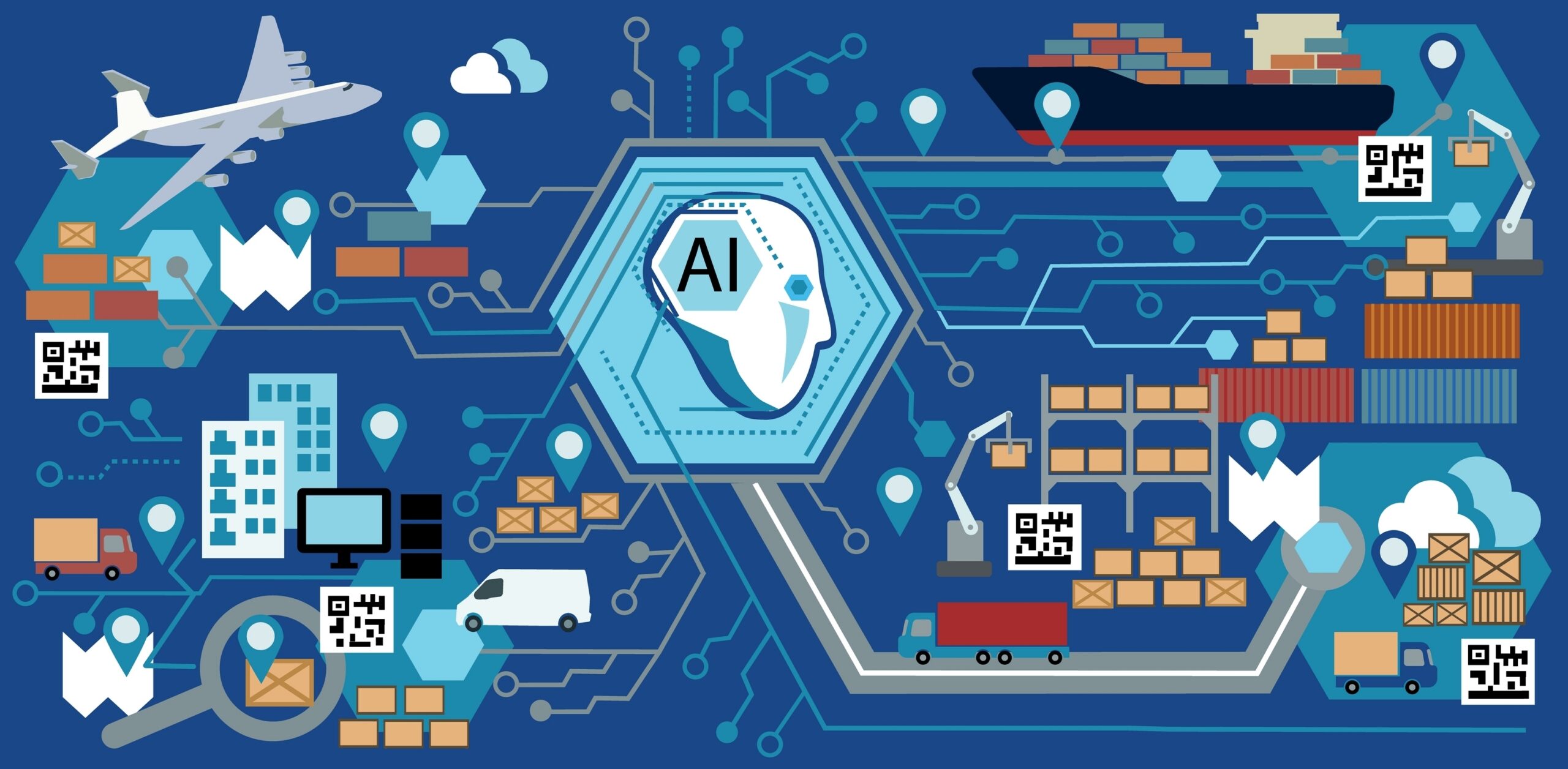
The technological landscape is evolving at a velocity that often outpaces the capacity of traditional enterprise organizations to digest it. For supply chain leaders, this rapid evolution is a double-edged sword: it offers unprecedented potential for optimization while simultaneously threatening to expose the fragility of legacy architectures. As the industry pivots toward the integration of Artificial Intelligence (AI) and agentic workflows, the core challenge has shifted from a question of "what technology to buy" to "how to fundamentally rethink the human decision-making process."
The Core Paradigm Shift: Leadership Over Logic
Determining whether a supply chain is "AI-ready" is fundamentally an exercise in cognitive restructuring. Technology, in its various forms—from Large Language Models (LLMs) and generative AI to machine learning and agentics—is merely an enabler. The true bottleneck in most organizations remains the "gray matter" of leadership.
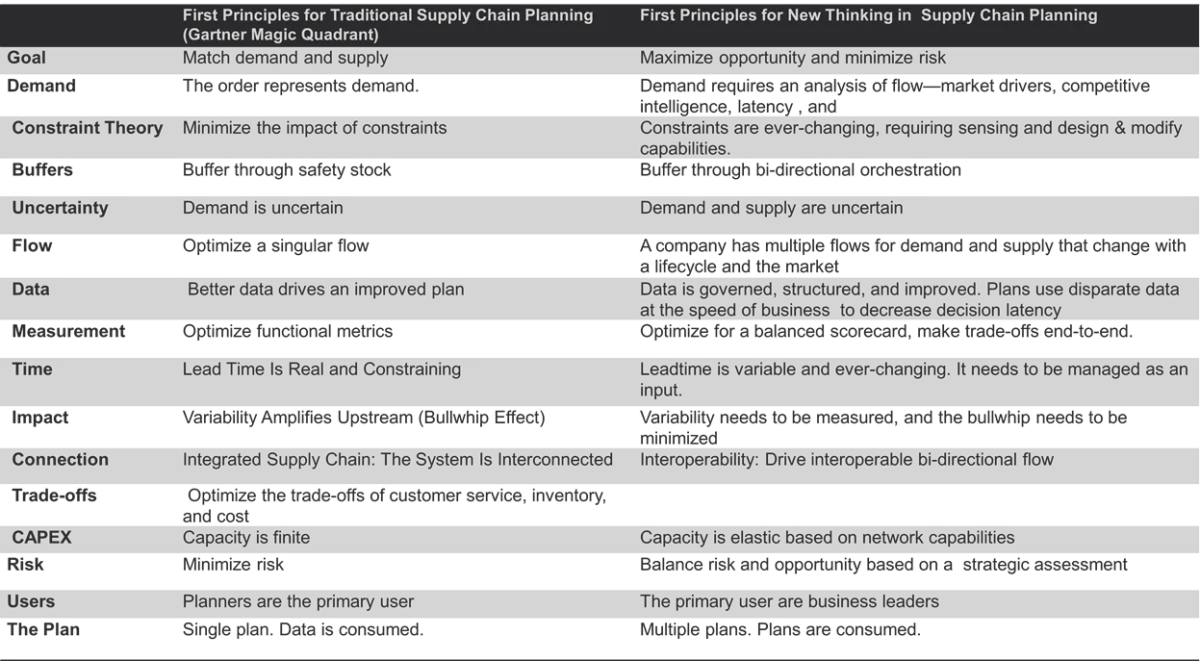
Many corporations today suffer from a lack of clarity regarding the very definition of supply chain excellence. When organizations prioritize functional metrics over holistic value, they inadvertently incentivize behaviors that erode long-term health. Deploying sophisticated AI agents onto fundamentally broken or misaligned processes does not create value; it simply accelerates the rate at which an organization can fail.
The most pressing duty for the modern supply chain leader is the dismantling of paradigms built upon the technical limitations of the past three decades. The opportunity afforded by the current technological surge is not just for faster computation, but for the total redefinition of process architectures.
What Constitutes Artificial Intelligence?
The term "AI" has become a catch-all for a wide spectrum of technologies, including neural networks, deep learning, reinforcement learning, and unstructured text mining. While the industry is currently fixated on "agentics"—autonomous agents capable of executing tasks—the starting point for any meaningful digital transformation must be a fundamental shift in how an organization perceives data.
Moving away from the obsession with "pristine" data lakes, organizations must embrace the potential of semantic data and diverse data types. The era of requiring perfectly cleaned, structured data as a prerequisite for progress is coming to a close. The real value lies in redefining the relationship between data and work, moving away from the "expert" consultant model—which often focuses on the ease of building tech—toward a model that prioritizes the re-engineering of work to drive business results.
A Strategic Framework for AI Readiness
To navigate this transition, organizations must adopt a rigorous framework that assesses readiness across six critical dimensions.
1. Knowledge and Clarity of Purpose
The journey begins with education. Teams must move beyond "buzzword bingo" and achieve consensus on definitions. When a team speaks of AI, are they aligned on the specific technique being deployed and the tangible outcome expected? If an organization is mired in internal politics and a penchant for "chasing shiny objects," it is inherently not AI-ready. Success requires critical thinking and systems design, not the aesthetic appeal of new software.
2. Curiosity and the Innovation Culture
Early adoption is often a proxy for organizational health. Companies that remain tethered to spreadsheet-heavy, manual decision-making processes are ill-equipped to integrate AI. If the organization is dependent on spreadsheets for core planning, the underlying architecture is flawed. Before deploying AI, these organizations must first solve the architectural issues that necessitated the reliance on spreadsheets in the first place.
3. Organizational Capabilities
High-readiness organizations are characterized by trust in their data and clarity in their governance. They understand which decisions require human intervention and which can be automated. Furthermore, successful projects are characterized by diverse, cross-functional teams that include finance, IT, data science, and business leadership. A "fail-forward" mentality—rooted in first-principle thinking—is essential to maintaining momentum.
4. Process Readiness
AI thrives on repeatability. The most effective innovation strategies involve an innovation fund and a governance board that employs a stage-gate approval process. By focusing on defined business goals rather than fixed ROI models, organizations can treat AI as an investment in innovation. Avoiding custom code in favor of leveraging existing, packaged technologies allows for faster testing and iteration.
5. Technology Acumen
Winning teams distinguish between simple integration and true interoperability. The goal is synchronization and harmonization. Most organizations find that their greatest challenge is not the development of complex models, but the technical hurdle of connecting fragmented, legacy systems. The focus must remain on business outcomes rather than adherence to static IT standards.
6. Network and Supplier Relationships
AI cannot operate effectively within the "four walls" of a single enterprise. Robust, bidirectional communication with suppliers is a requirement for modern success. This includes measuring forecast value-add (FVA) and implementing formal supplier development programs to ensure that the entire network is aligned with the digital transformation strategy.
The Chronology of Transformation
Historically, supply chain innovation was gated by the constraints of legacy planning systems. The timeline of this evolution can be categorized into three distinct phases:
- The Spreadsheet Era: Characterized by siloed data and manual, error-prone decision-making.
- The Integration Phase: Focused on building data lakes and attempting to "clean" data to fit rigid ERP structures.
- The Cognitive Era (Current): A shift toward semantic understanding, agentic workflows, and real-time, outcome-focused decision-making.
The current phase is defined by the move from descriptive analytics to prescriptive and agentic actions. As organizations move through these phases, the focus must shift from how the data is stored to how the intelligence is applied to the business process.
The Launch of Dynamic Benchmarking
As the industry prepares for the next evolution in performance measurement, the launch of the "Dynamic Benchmarking" solution marks a significant milestone. Rooted in fifteen years of research, this methodology—validated through a two-year study with Georgia Tech’s IYSE department—provides a departure from the traditional, popularity-based industry rankings.
The Dynamic Benchmarking platform, integrated into the "Ask Lora" LLM, allows leaders to assess the gap between their current performance and that of award-winning supply chains in under ten minutes. By utilizing 20 targeted questions and integrating financial data from Y-Charts, the system provides a personalized, actionable roadmap for improvement.
Official Perspectives and Industry Implications
The implications for the industry are profound. For those scoring low (6-10) on the readiness framework, the mandate is clear: focus on leadership education and cultural alignment before attempting to deploy high-tech solutions. For mid-tier performers (15-20), the focus should be on forming cross-functional governance boards and fostering a culture that accepts failure as a component of learning.
High-performers (above 20) are encouraged to move into co-development with technologists, focusing exclusively on business-outcome-driven projects. The objective is to move away from the "beauty contest" mentality of traditional industry reports and toward a standard of excellence defined by verifiable financial and operational impact.
Conclusion: The Path Forward
The potential for AI to revolutionize supply chain management is not just a promise; it is a reality unfolding in real-time. However, the success of these technologies is inextricably linked to the ability of leaders to challenge the status quo.
As the 2026 "Supply Chains to Admire" report approaches, leaders are encouraged to look beyond the hype. The future of supply chain excellence will be defined by those who are willing to question the foundational architectures of their work, cultivate a culture of curiosity, and embrace the power of semantic data. The technology is ready; the question remains: is the gray matter between the ears of the leadership team equally prepared?
Summary of Readiness Scoring
- 6-10 Points: Immediate focus required on leadership alignment and knowledge acquisition.
- 15-20 Points: Form cross-functional teams; establish a governance board; prioritize "fail-forward" learning.
- 20+ Points: Begin co-development projects; focus on business-outcome-driven innovation.
For those interested in further study, the "Supply Chains to Admire" methodology and the upcoming Dynamic Benchmarking launch offer a vital blueprint for navigating this complex digital frontier.


 Jia Lissa

 Raul Delapena Setiawan

 Iffa Jayyana

 Suro Senen

 Pevita Pearce

 Basiran

 Azzam Bilal Chamdy

 Nila Kartika Wati
