
 Siti Muinah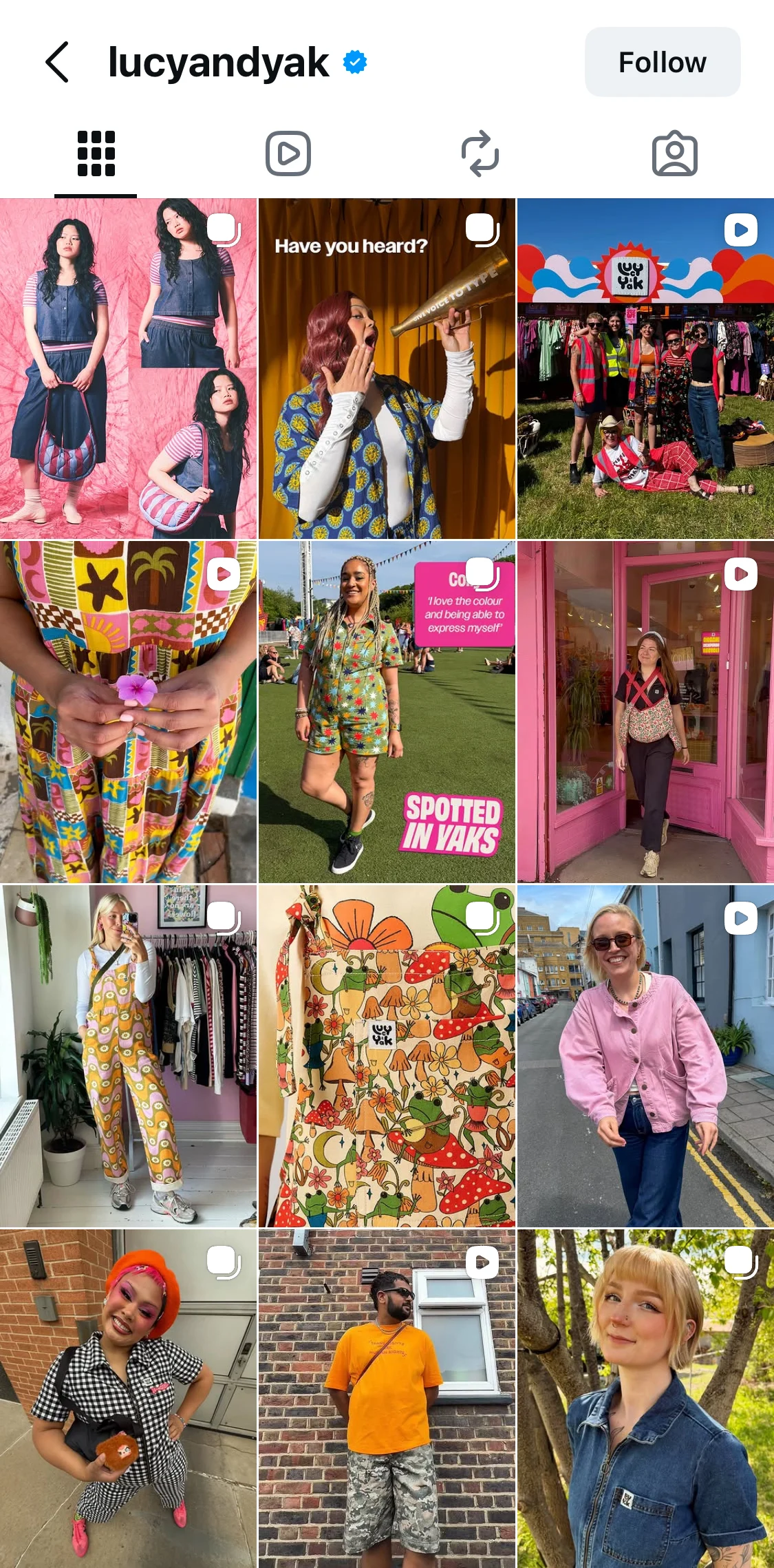
In the contemporary digital landscape, the Instagram feed has transcended its origins as a digital moodboard. It has evolved into a sophisticated, high-stakes funnel for product discovery and consumer conversion. With over 60% of product discovery now occurring on visual-first platforms like TikTok, Instagram, and YouTube, brands can no longer afford the luxury of disorganized, erratic, or overly corporate aesthetics.
Today, building an intentional Instagram feed does not require a sprawling in-house design team or a fragmented tech stack of disparate applications. Instead, it demands a robust, consistent visual system and a streamlined workflow that eliminates the redundant, time-consuming cycles of creation and re-uploading. As brands pivot toward authenticity, the challenge lies in balancing professional polish with the human-centric, user-generated content (UGC) that modern consumers explicitly demand.
The Paradigm Shift: Authenticity Over Polish
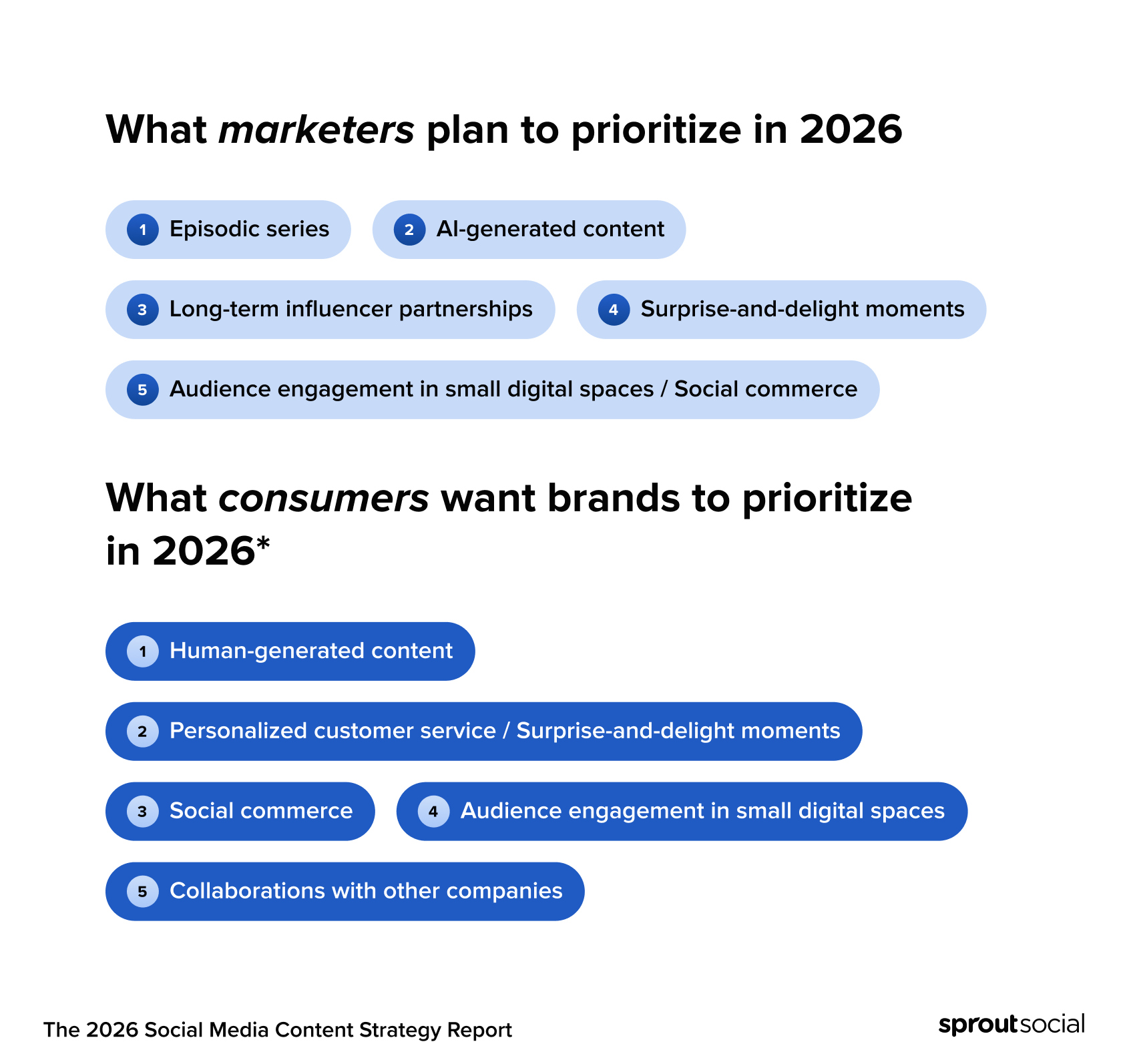
The narrative that high-gloss, studio-produced campaigns are the gold standard of social media is rapidly dissolving. Research from Sprout Social’s 2026 Content Strategy Report underscores a significant disconnect: while brands often gravitate toward perfection, consumers are voting with their attention for human-generated content.
The 2025 Content Benchmarks Report further cements this reality, identifying UGC as the most engaging content format for audiences across demographics. This shift is not merely a stylistic preference; it is a fundamental change in how purchasing decisions are made. Consumers are looking for social proof and relatability before they ever visit a brand’s website. When a brand’s feed feels like a community-led conversation rather than a cold, corporate catalog, the barrier to trust is lowered significantly.

Chronology of a Content Strategy Evolution
The evolution of social media marketing has moved through three distinct phases, leading to the current emphasis on integrated workflows:
- Phase 1: The Curated Era (2014–2018): Brands focused heavily on perfectly filtered, high-production images. The goal was to create a "grid aesthetic" that looked more like a professional magazine than a social feed.
- Phase 2: The Volume Era (2019–2023): As platform algorithms shifted to favor frequency, many brands struggled to keep up, leading to a "quantity over quality" burnout cycle where teams spent more time managing files than creating strategy.
- Phase 3: The Integrated Era (2024–Present): Efficiency is the new currency. The most successful brands are those that marry high-frequency publishing with seamless, unified tools, allowing them to remain agile without sacrificing their brand identity.
Case Studies: Masterclasses in Lean Design
To understand how small teams achieve professional results without ballooning budgets, one need only look at the successes of Lucy & Yak and Go-To Skincare.
Lucy & Yak: The Power of Inclusive Vibrancy
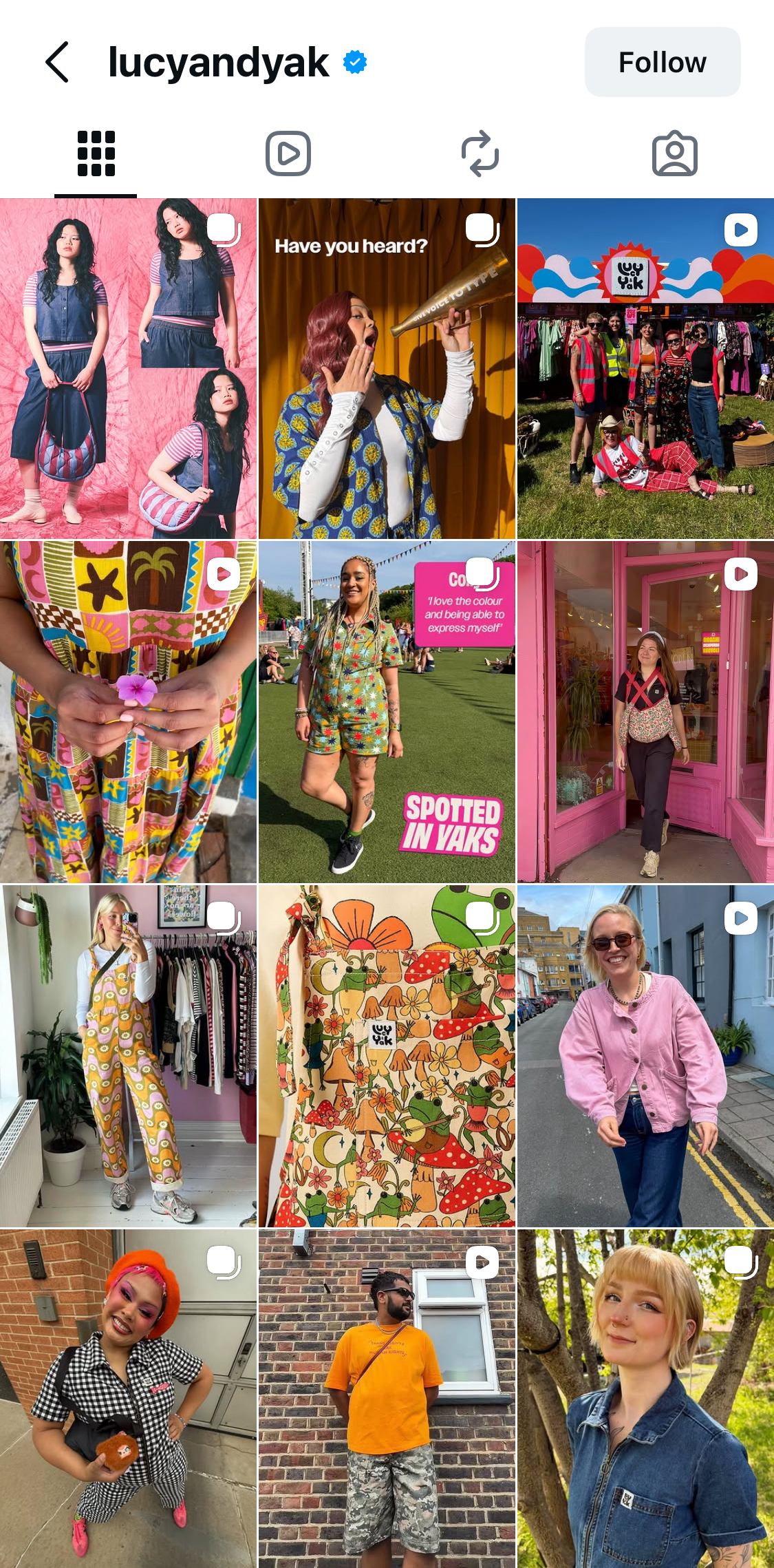
The UK-based apparel brand Lucy & Yak has successfully cultivated an Instagram presence that feels less like a traditional storefront and more like a vibrant, inclusive community. By utilizing bold color palettes and playful, high-energy prints, they have created a visual shorthand that users recognize instantly. Their secret? They treat their grid as a living mosaic of their customers, prioritizing real-life photos of their community over expensive studio shoots. This approach ensures that every post feels authentic, accessible, and deeply on-brand.
Go-To Skincare: The Consistency of Tone
Australia’s Go-To Skincare takes a different, yet equally effective, approach. By anchoring their entire feed in a consistent "peachy" warm color grade, they create a visual through-line that holds the grid together even when the subject matter varies. Whether they are posting educational skincare tips or user-submitted testimonials, the consistent color treatment makes the disparate content feel like a singular, cohesive narrative. They prove that you don’t need a massive production budget to achieve high-end aesthetic consistency—you simply need a strict commitment to a defined brand kit.
Supporting Data: What Consumers Want
According to Sprout Social’s 2026 data, there is a clear roadmap for where marketers should focus their efforts. While marketers often believe their audience wants high-end, cinematic production, the reality is that the audience is prioritizing "human-centricity."
- Top Priority for Consumers: Authentic, human-generated content.
- Secondary Priority: Educational value and community engagement.
- Declining Priority: Highly stylized, overly produced brand campaigns that lack a clear, human voice.
This data suggests that the "polished" look is no longer a competitive advantage—it is often a hindrance to engagement. The brands that win are those that use their design tools to facilitate, rather than mask, the human experience.
Implications for Modern Social Teams
The primary implication of this shift is the "death of the silo." When a social team operates in a vacuum—designing in one app, drafting captions in another, and scheduling in a third—they are losing precious hours to a "download-upload" cycle.
For lean teams, this workflow is a silent killer of productivity. The process of designing an asset in Canva, exporting it to a device, checking it for errors, and then importing it into a scheduling tool introduces multiple points of failure and massive time leakage. By centralizing these tasks, teams move from a "reactive" state—where they are constantly putting out fires—to a "proactive" state, where they have the bandwidth to analyze performance and iterate on strategy.
Streamlining the Workflow: The Integration Imperative
The integration of design platforms like Canva directly into social media management suites, such as Sprout Social, represents a major leap forward for digital teams. This is not just a feature; it is a foundational shift in how content is managed.
Step 1: Strategic Connectivity
The first step in any modern workflow is the removal of friction. By authorizing a direct connection between Canva and a social management tool, team members ensure that every piece of collateral is ready for deployment. Because this integration is typically handled on a per-user basis, it allows for granular control and accountability, ensuring that brand assets are managed by authorized personnel.
Step 2: Designing with the Feed in Mind
Consistency is built, not found. When designing in Canva, teams should establish a "master template" approach. By utilizing a fixed set of fonts, color overlays, and layout structures, even a team of one can create a feed that looks like it was curated by a department.
Step 3: The Seamless Import
The "import-to-compose" functionality allows creators to pull assets directly from their design library into the scheduling queue. This eliminates the need for manual file transfers and ensures that the metadata and quality of the original file remain intact. For teams that prefer to start in Canva, the ability to open the social tool directly within the design app—drafting the caption, selecting the profile, and setting the schedule—creates a "one-click" environment that drastically reduces time-to-publish.

Step 4: Final Polish and Grid Planning
Once an asset is in the scheduler, the ability to perform minor edits—such as cropping or resizing—directly within the tool is essential. However, the most advanced teams go one step further by utilizing a "Grid Planner." This tool allows marketers to see the next nine, 12, or even 24 posts as a unified whole. It is the digital equivalent of a magazine editor looking at the spread before it goes to print, ensuring that the visual balance of the feed remains harmonious.
Conclusion: A New Standard for Digital Efficiency
The future of social media management is defined by the elimination of unnecessary complexity. By embracing a workflow that integrates design, community-sourced content, and robust scheduling, brands can finally align their operational output with the high expectations of their audience.
The tools are no longer the bottleneck; they are the bridge. By moving away from the cumbersome, app-hopping habits of the past, marketing teams can reclaim their time and refocus their energy on what truly matters: connecting with their audience in a way that is authentic, consistent, and undeniably human. As we look toward the remainder of the year and beyond, the brands that thrive will be those that have mastered the art of the intentional, efficient, and community-driven feed.


 Pevita Pearce
 Reynand Wu
 Lina Irawan
 Ammar Sabilarrohman
 Nana Wu

 Suro Senen
 Jia Lissa