
 Muslim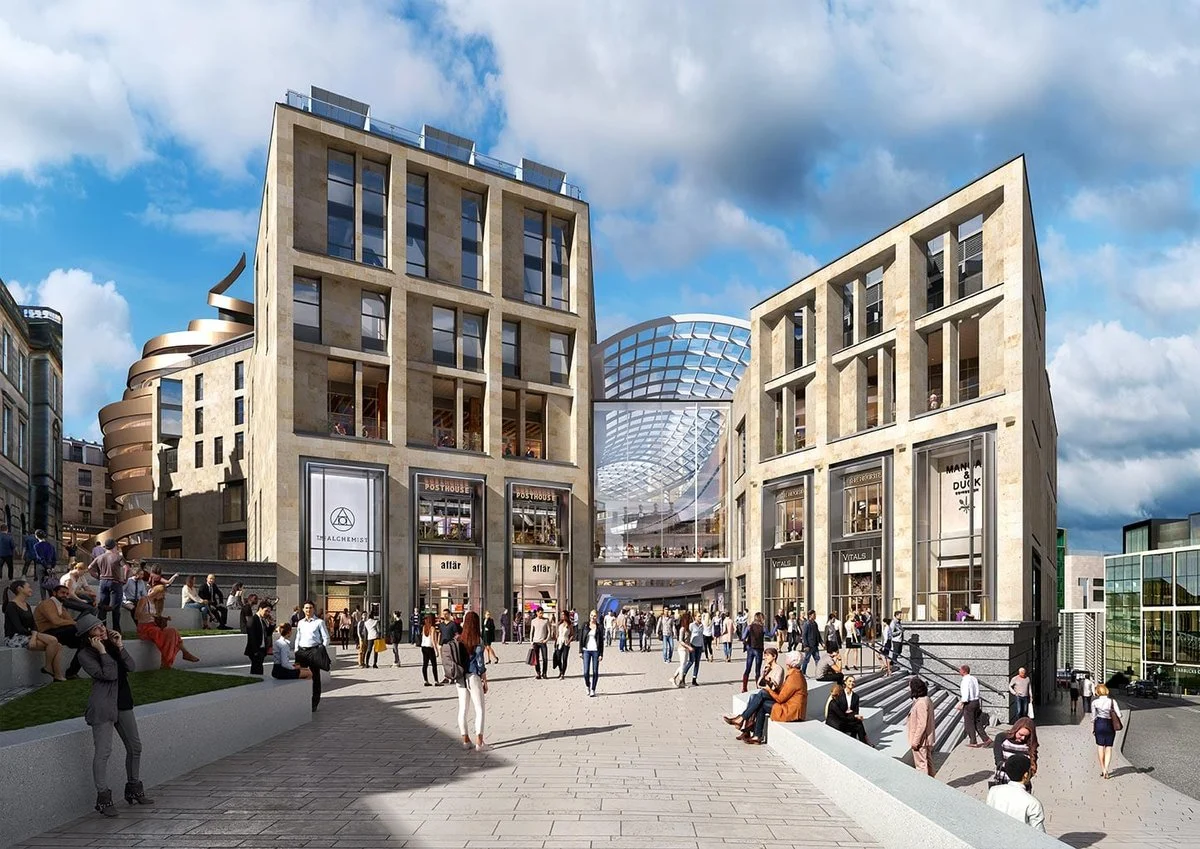
Westfield St James Quarter, the premier retail and lifestyle destination in the heart of Scotland’s capital, has announced a significant expansion of its commercial portfolio. Unibail-Rodamco-Westfield (URW), the global property powerhouse behind the scheme, has secured four high-profile international and domestic brands. The move adds over 7,000 square feet of premium fashion and lifestyle space to the centre, signaling a robust appetite for physical retail in one of the UK’s most resilient urban markets.
The new signings include the high-growth women’s athleisure brand Tala, Italian fashion staple Subdued, Danish outerwear specialist Rains, and the Australian-inspired jewellery brand Harli + Harpa. With three of these brands making their official Scottish debut, the expansion underscores the centre’s strategic importance as a primary gateway for international retailers seeking to establish a foothold in the North of the UK.
The Strategic Expansion: A Chronology of Growth
The arrival of these four retailers is the latest chapter in a broader narrative of transformation for St James Quarter. Since its inception, the development has been meticulously curated to move beyond the traditional "shopping mall" model, aiming instead to create an integrated lifestyle district.
Phase 1: Establishment and Integration
St James Quarter opened its doors to the public in 2021, immediately redefining the retail landscape of Edinburgh. By blending high-end fashion, diverse culinary offerings, and residential components, it filled a void in the city center.
Phase 2: The URW Rebranding
A pivotal moment in the destination’s history occurred recently when Unibail-Rodamco-Westfield rebranded the site as "Westfield St James Quarter." This move was not merely cosmetic; it signaled the integration of the Scottish hub into the global Westfield network. This affiliation provides brands with a standardized, high-traffic retail ecosystem that connects Edinburgh to a wider international audience.
Phase 3: The Current Wave of Leasing
The announcement of Tala, Subdued, Rains, and Harli + Harpa follows months of rigorous leasing negotiations. This current wave of openings, slated for the coming months, represents a deliberate push to diversify the retail mix. By securing Tala—which has chosen the site for its first store outside London—and Rains—which is opening its first-ever shopping centre location in Scotland—URW is clearly positioning the destination as a "first-choice" location for brands entering new geographical markets.
Supporting Data: Why Edinburgh Matters
The retail sector has faced considerable headwinds globally due to the rise of e-commerce and changing consumer habits. However, Edinburgh continues to buck national trends. Data regarding the St James Quarter’s performance indicates several key drivers:
- High Footfall Density: Edinburgh serves as a dual-hub for both high-spending local residents and a global tourist influx. The "Westfield" platform provides these brands with access to a consistent, high-spending demographic.
- Retail Density: The addition of 7,000 square feet of retail space is a strategic "fill-in" that improves the density of the centre. By grouping high-growth brands like Tala and Rains, URW creates a "magnet effect," where shoppers are drawn to specific fashion niches, increasing the dwell time of visitors.
- The "Athleisure" Boom: The inclusion of Tala is particularly calculated. The global athleisure market is projected to continue its upward trajectory, and by bringing a digital-native brand into a physical space, Westfield is bridging the gap between social media buzz and tangible customer experience.
Official Perspectives: The Vision for the Future
The leadership at URW views these signings as validation of their long-term strategy for the Edinburgh asset.
Constantin Wiesmann on Market Positioning
Constantin Wiesmann, URW’s Director of Leasing for Northern Europe, has been instrumental in these negotiations. According to Wiesmann, the success of the centre lies in its ability to offer brands more than just floor space.
"These signings reflect the strength of Westfield St James Quarter’s proposition and its ability to attract ambitious brands looking to grow their presence across the UK," Wiesmann stated. He emphasized that the centre is uniquely positioned to offer brands a "highly engaged customer base."

Wiesmann further noted that the "globally recognised Westfield platform" acts as a bridge. For brands like the Australian-rooted Harli + Harpa, joining the Westfield network provides an immediate sense of institutional trust and operational support that is difficult to replicate in standalone high-street units.
Implications: The Retail Landscape of Tomorrow
The impact of these four signings extends beyond the immediate square footage occupied by the new stores. It suggests a shift in how international brands view the UK retail map.
The Decentralization of Retail Power
Historically, London was the sole entry point for international brands looking to expand into the UK. The success of Westfield St James Quarter suggests that this "London-first" hegemony is eroding. By proving that brands can launch successfully in Edinburgh, URW is empowering other regional centres to compete more effectively.
The Evolution of the Physical Store
The brands choosing to open at St James Quarter—specifically Rains and Tala—are known for their strong digital presence. Their decision to invest in a physical, high-visibility retail space at the Quarter confirms the industry consensus that "omnichannel" is the only way forward. Digital-first brands require physical spaces to build brand loyalty, allow customers to experience product quality, and serve as regional fulfillment hubs.
Strengthening Edinburgh’s Economic Core
For the city of Edinburgh, the expansion is a vote of confidence. It signals to investors and other retailers that the city remains an attractive place for capital expenditure. The creation of new retail jobs, the revitalization of the city centre, and the increase in tax revenue associated with these premium brands all contribute to the long-term fiscal health of the municipality.
Conclusion: A New Chapter for Scottish Retail
The arrival of Tala, Subdued, Rains, and Harli + Harpa at Westfield St James Quarter is a microcosm of a larger, positive shift in the retail industry. As brands move away from the uncertainty of purely digital models, they are turning toward high-quality, managed destinations that can guarantee footfall, provide experiential retail environments, and offer the prestige of a global brand network.
For Westfield St James Quarter, the goal remains clear: to solidify its reputation as the premier retail destination in Scotland. By curating a mix of brands that are not only trending globally but are also eager to establish a physical presence in a high-traffic environment, URW is ensuring that the centre remains relevant, dynamic, and essential.
As these four new stores prepare to open their doors, the retail community will be watching closely. If these launches follow the trajectory of previous successes at the Quarter, they will likely serve as the catalyst for further international investment in the Scottish market. The message from Edinburgh is loud and clear: physical retail is not just surviving; it is evolving, and it is finding its new home in the heart of the Scottish capital.
Quick Summary of the New Additions:
- Tala: The women’s athleisure powerhouse, marking its first store venture outside of London.
- Subdued: The Italian fashion label, bringing its unique European aesthetic to the Scottish market.
- Rains: The Danish outerwear specialists, launching their first-ever dedicated shopping centre location in Scotland.
- Harli + Harpa: The Australian fashion jewellery brand, adding a global flair to the centre’s accessory offerings.
With this expansion, Westfield St James Quarter continues to cement its role as a retail powerhouse, bridging the gap between local shoppers, international tourists, and the global fashion brands that seek to capture their attention.


 Rifan Muazin
 Azzam Bilal Chamdy
 Laily UPN
 Iffa Jayyana

 Suro Senen
 Lina Hope
 Lina Irawan