
 Nana
Nana
Levi Strauss & Co. (LS&Co.), the iconic denim powerhouse, finds itself at a critical juncture. As the company navigates the complexities of a shifting global retail landscape, its fiscal third-quarter results for 2026 reveal a multifaceted narrative: one defined by the resilience of its e-commerce ecosystem, the challenges of traditional brick-and-mortar retail, and an ambitious, technology-driven roadmap to transform into a comprehensive "head-to-toe" lifestyle brand.
The Financial Snapshot: Growth Amidst Turbulence
In the fiscal third quarter ending August 30, 2026, Levi Strauss reported a total revenue increase of 4% year-over-year, reaching $1.61 billion, up from $1.54 billion during the same period in 2025. This growth, while steady, masked underlying volatility within the company’s business segments.
The crown jewel of the quarter’s performance was undeniably the digital channel. E-commerce revenue surged by 10%, significantly outpacing the broader direct-to-consumer (DTC) segment, which grew by a more modest 2%. This discrepancy highlights a growing consumer preference for digital interaction and seamless online shopping, a trend that the company is leaning into heavily.
However, the path to growth was not without friction. Weakness in the United States and European markets weighed heavily on physical retail results. While wholesale channels provided a necessary cushion—growing by 6%—the overall DTC business fell short of the company’s internal projections. This performance discrepancy has prompted a rapid strategic pivot as the company heads into the all-important holiday shopping season.
Chronology of a Shifting Season
The third quarter was characterized by a reactive and agile approach to market fluctuations.
Early Q3: The Back-to-School Miss
The quarter began with high expectations for the back-to-school season in the U.S. However, consumer demand proved difficult to capture. Levi’s marketing campaign, which heavily prioritized loose-fitting denim, collided with a sudden shift in consumer fashion preference toward low-rise silhouettes. This disconnect between inventory positioning and consumer desire led to a softening in traffic and demand.
Mid-Quarter: Tactical Realignment
Recognizing the shortfall, the company moved with uncharacteristic speed. By mid-quarter, management pivoted its marketing spend and store merchandising to highlight low-rise fits and other high-demand categories. The company concurrently bolstered its digital and social media presence, while aggressively adjusting inventory levels to ensure the right products were available in key markets.
Late Q3/Early Q4: The Turnaround
These corrective measures began to bear fruit by September. U.S. DTC metrics returned to growth, and European trends showed signs of stabilization as seasonal temperatures cooled, finally aligning with the company’s product offerings. As of the start of the fourth quarter, global DTC performance is tracking at a mid-single-digit growth rate, providing a foundation of optimism for the remainder of the fiscal year.
Supporting Data: Digital Transformation and Lifestyle Diversification
The data emerging from the third quarter underscores two primary pillars of Levi’s growth strategy: the integration of artificial intelligence and the expansion of the brand’s product portfolio beyond its traditional denim roots.
The AI Advantage
The success of Levi’s e-commerce channel is no accident; it is the result of deliberate technological investment. The company recently debuted an AI-powered shopping assistant in the U.S. market, designed to provide personalized styling advice and assist users in building cohesive outfits.
The early metrics are striking: consumers who engage with the AI assistant are adding products to their virtual shopping carts at three times the rate of the average site visitor. This capability is part of a broader, ongoing digital transformation that includes a comprehensive redesign of Levi.com, scheduled for a global rollout in 2027. The future iteration of the site will feature "immersive fit navigation" and hyper-personalized recommendations, aiming to convert casual browsers into loyal, head-to-toe lifestyle customers.
Beyond Denim
Levi’s is actively working to shed its reputation as a singular denim-bottoms company. In Q3, product categories outside of traditional denim accounted for approximately half of the company’s total revenue growth. Specifically, tops—long a focus of the brand’s expansion efforts—saw a 7% increase in sales, with women’s tops surging by 10%.
Furthermore, the brand is moving up-market. The "Blue Tab" collection, which features high-end Japanese selvedge denim and luxury materials like cashmere and silk, has seen strong double-digit growth. With price points ranging from $200 to $500, this segment represents a massive opportunity. CEO Michelle Gass noted that Levi’s currently holds less than 1% of the super-premium jeans market—a figure she believes is vastly undersized relative to the brand’s global stature.
Official Responses: Leadership’s Vision
During the Q3 earnings call on October 7, 2026, President and CEO Michelle Gass addressed the mixed results with a mixture of candor and forward-looking confidence.
"We saw strong growth in our international and wholesale businesses, and continued momentum across our lifestyle categories," Gass stated. "While our direct-to-consumer business fell short of our internal expectations, we moved quickly to address the shortfall and are encouraged by the strength we are seeing heading into the holiday season, including in the U.S."
Gass emphasized the company’s "DTC first but not DTC-only" philosophy, arguing that a balanced approach between physical and digital presence is essential for long-term survival. Regarding the upcoming holiday season, the company is deploying what Gass described as its "most robust activation plan in years." This includes the strategic reinvestment of approximately $60 million—three-quarters of a recent $80 million tariff refund—into marketing, supply chain optimization, and promotional value for the consumer.
Implications for the Future
The implications of the third-quarter results are twofold. First, they reinforce the critical importance of digital agility. In an era where fashion trends can shift in a matter of weeks, the ability to utilize AI and data analytics to pivot marketing and inventory in real-time is the new baseline for success. Levi’s successful integration of the AI shopping assistant serves as a roadmap for legacy retailers struggling to remain relevant in a digital-first economy.
Second, the "head-to-toe" pivot is no longer a peripheral strategy; it is central to the company’s valuation. By diversifying into premium apparel, Levi’s is attempting to insulate itself from the cyclical nature of the denim market. The success of the Blue Tab collection indicates that the brand has the equity to command higher prices, provided it can execute on the storytelling and "richer" digital experiences that Gass described.
As Levi Strauss approaches the end of 2026, the company is effectively betting on a "high-single-digit" growth rate for its DTC business for the full fiscal year. Whether it achieves this depends on the effectiveness of its holiday activations and the continued ability to blend the heritage of the Levi’s brand with the technological demands of the modern, omnichannel shopper. The company remains a titan in the Top 2000 database, but its future trajectory will likely be defined less by its history in denim and more by its future as a sophisticated, AI-enhanced fashion lifestyle house.


 Rifan Muazin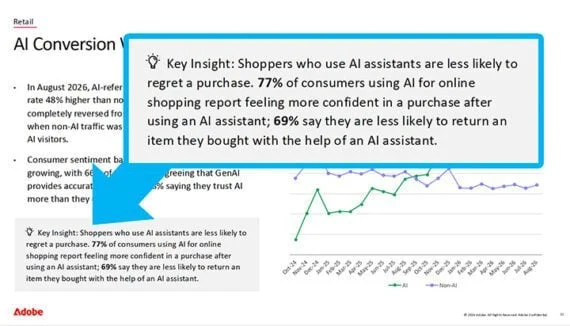
 Azzam Bilal Chamdy
 Laily UPN
 Iffa Jayyana

 Suro Senen
 Lina Hope
 Lina Irawan