
 Jia Lissa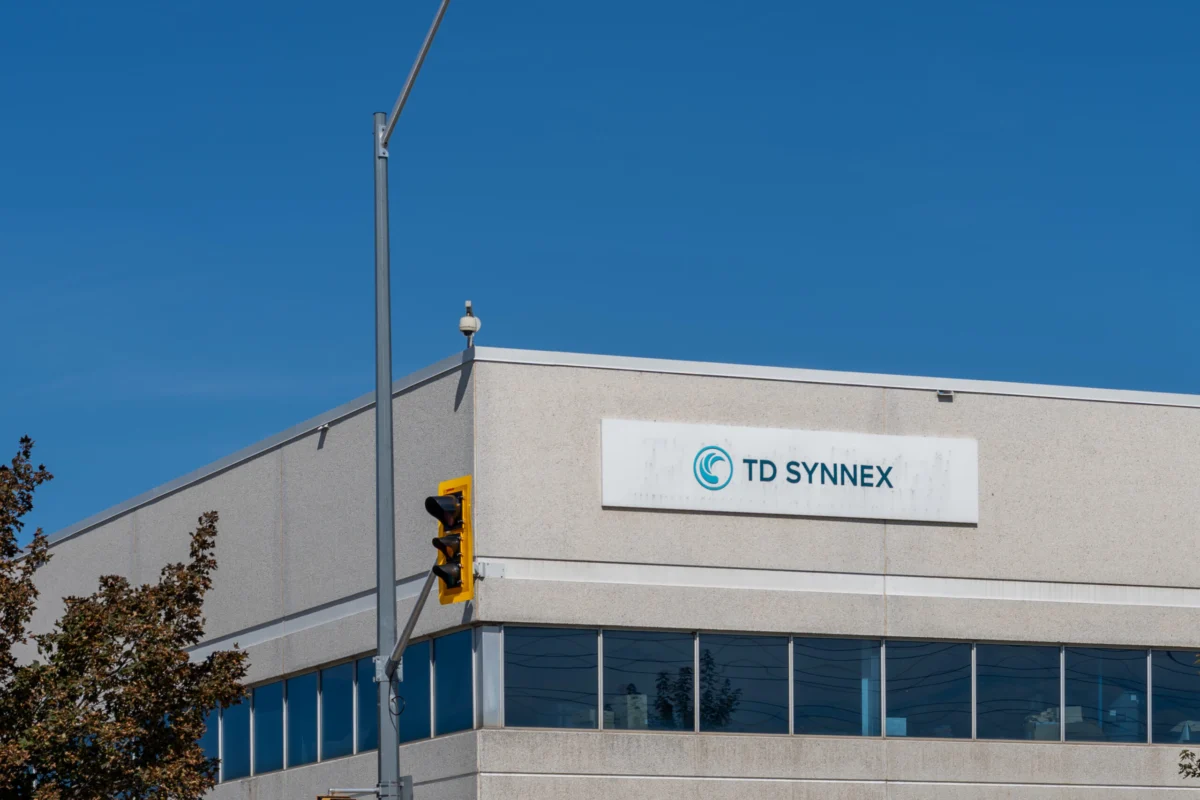
In a move that promises to reshape the landscape of specialized IT distribution, global technology giant TD Synnex has officially entered into a definitive agreement to acquire BlueStar, a Clearwater, Florida-based distributor renowned for its focus on Automatic Identification and Data Capture (AIDC) technologies. This acquisition, while subject to customary regulatory approvals, marks a significant consolidation in the IT supply chain, effectively bridging the gap between massive, broad-line distribution and highly specialized, vertical-market expertise.
As both organizations continue to operate independently pending the close of the transaction, industry analysts and stakeholders are closely scrutinizing the long-term implications of this merger. The deal represents more than just a balance-sheet expansion; it is a strategic maneuver by TD Synnex to solidify its foothold in the fast-growing sectors of robotics, RFID, point-of-sale (POS) systems, and complex business automation hardware.
The Strategic Rationale: Main Facts of the Deal
TD Synnex, a powerhouse in the global IT ecosystem, has long dominated the distribution of general-purpose computing hardware, software, and cloud services. However, the rapidly evolving nature of "edge" technology—where digital processes meet physical environments—demands a level of domain expertise that standard distribution models sometimes struggle to provide.
BlueStar, by contrast, has spent decades cultivating a reputation as a "niche expert." Its portfolio consists of critical infrastructure components that are essential for retail, manufacturing, and logistics, including barcode scanners, specialized mobile computing, and industrial RFID systems. By acquiring BlueStar, TD Synnex is effectively purchasing a "plug-and-play" specialized division that comes with established vendor relationships, technical support teams, and a customer base that prioritizes deep product knowledge over the sheer transactional efficiency of a generalist distributor.
The deal is framed by TD Synnex leadership as a symbiotic evolution. By integrating BlueStar’s specialized assets, TD Synnex gains an immediate competitive advantage in the operational technology (OT) space, while BlueStar gains access to the massive financial, logistical, and global infrastructure that only a company of TD Synnex’s scale can provide.
A Chronological Perspective: The Path to Integration
While the acquisition announcement is recent, the industry context suggests a long-term trend toward consolidation.
- Pre-Acquisition Era: For years, BlueStar operated as a high-touch, boutique distributor. Its value proposition was rooted in the "white-glove" service it provided to value-added resellers (VARs) and independent software vendors (ISVs) who required more than just shipping; they needed technical validation and specialized procurement advice.
- The Announcement Phase: TD Synnex signaled its intent to diversify its portfolio by identifying BlueStar as a primary target for acquisition. The move follows a broader market shift where distributors are pivoting from being "movers of boxes" to becoming "ecosystem orchestrators."
- Regulatory Review: Currently, the deal is in the administrative phase. Both companies have maintained that they will operate as independent entities until all legal and regulatory hurdles are cleared. This period is critical, as it allows for the due diligence necessary to merge disparate corporate cultures.
- Integration Roadmap: Following regulatory approval, the focus will shift to integrating BlueStar’s teams into the global TD Synnex framework. This is expected to be a multi-year process involving the harmonization of IT systems, credit policies, and product catalogs.
Supporting Data: Why Specialized Distribution Matters
The IT distribution market has reached a point of maturity where growth is increasingly driven by "as-a-service" models and vertical-specific hardware. Data suggests that companies specializing in AIDC and industrial IoT (IIoT) are seeing higher margins than those focused on commoditized PCs or peripherals.
BlueStar’s expertise in RFID and robotics is particularly valuable. With the global supply chain undergoing a digital transformation—driven by the need for real-time inventory visibility—the demand for RFID and industrial scanners is projected to grow significantly. By bringing these product categories under the TD Synnex umbrella, the distributor is positioning itself to capture a larger share of the "Smart Warehouse" and "Modern Retail" budget allocations.
Furthermore, the scale of TD Synnex—serving approximately 150,000 customers globally—provides a massive, untapped audience for the products that BlueStar previously only moved through its smaller, albeit highly loyal, network.
Official Responses: The Leadership Vision
The leadership at TD Synnex has been vocal about the strategic value this acquisition adds to their broader portfolio.
Reyna Thompson, president of North America for TD Synnex, emphasized the importance of specialization. "BlueStar has built an outstanding reputation through specialization, technical expertise and an unwavering commitment to its partners," Thompson stated. "We’re excited about the opportunity to combine BlueStar’s expertise in AIDC, operational technology, mobility, RFID, point-of-sale and related technologies with the global resources, investments and reach of TD Synnex."
From the perspective of European and Middle Eastern operations, Miriam Murphy, president of EMEA for TD Synnex, highlighted the human capital involved. "In addition to BlueStar’s portfolio, the specialized knowledge and expertise within its team are central to the differentiated support and services it provides," Murphy noted. "Combined with the global capabilities of TD Synnex, those strengths have the potential to enhance opportunities for customers and vendors of both companies."
The Double-Edged Sword: Implications for the Market
While the corporate narrative is overwhelmingly positive, industry experts remain cautious, highlighting the potential friction points that arise when a boutique firm is swallowed by a global conglomerate.
The "Specialty Shelf" vs. "General Store" Dilemma
Mike Danford, owner and chief revenue officer of marketing agency Adverio, offers a stark analogy: BlueStar represents a "specialty shelf" being absorbed into a "general store." While the acquisition provides BlueStar’s vendors with unparalleled reach, it risks diluting the personalized attention that those brands once enjoyed. Smaller vendors, in particular, may find themselves struggling to gain visibility in a catalog that features hundreds of thousands of SKUs, moving from being a "big fish in a small pond" to a "small fish in a massive ocean."
The Service Quality Concern
Tom Cloud, founder of CIO Advisory, points out that for many value-added resellers (VARs) and managed service providers (MSPs), the value of a distributor lies in the relationships. "Smaller providers often rely on distributor relationships for more than just fulfillment," Cloud explains. "They depend on product expertise, responsive support, credit flexibility and people who understand a particular niche." If the integration process standardizes these services, the unique value proposition that defined BlueStar could be compromised.
The Operational Risk: Vendor Concentration
Cloud also advises partners to treat the acquisition as a "vendor-concentration issue." As businesses consolidate, the risk of a "single point of failure" increases. If a partner becomes overly dependent on the new, larger TD Synnex for all their niche hardware needs, any disruption in the merged entity’s supply chain or credit terms could have catastrophic effects on their own operations. Cloud suggests that this is the perfect time for resellers to review their supply chain, diversify their sourcing, and ensure they are not over-exposed to a single distributor.
Looking Forward: Navigating the Transition
The acquisition of BlueStar by TD Synnex is a bellwether for the IT distribution sector. It confirms that in a world of commoditized hardware, expertise is the only true differentiator.
For the short term, the market will watch closely to see if the "specialty" culture of BlueStar survives the integration process. If TD Synnex can successfully preserve the expertise and high-touch support that BlueStar is famous for, while leveraging its own global logistics and financing muscle, the result will be a formidable player in the niche technology space.
However, if the integration leads to the "commoditization" of BlueStar’s services, the resulting vacuum will likely be filled by smaller, agile, and hyper-focused distributors looking to capture the alienated customers and vendors left behind.
For the average reseller or vendor, the path forward is clear: monitor the transition, evaluate new credit and purchasing terms, and—above all—remain vigilant about maintaining a diverse supply chain. As the industry continues to consolidate, those who remain adaptable and maintain a clear understanding of their own supplier dependencies will be best positioned to thrive in the new, larger, and more complex ecosystem that TD Synnex is helping to build.


 Rifan Muazin
 Azzam Bilal Chamdy
 Laily UPN
 Iffa Jayyana

 Suro Senen
 Lina Hope
 Lina Irawan