
 Asep Darmawan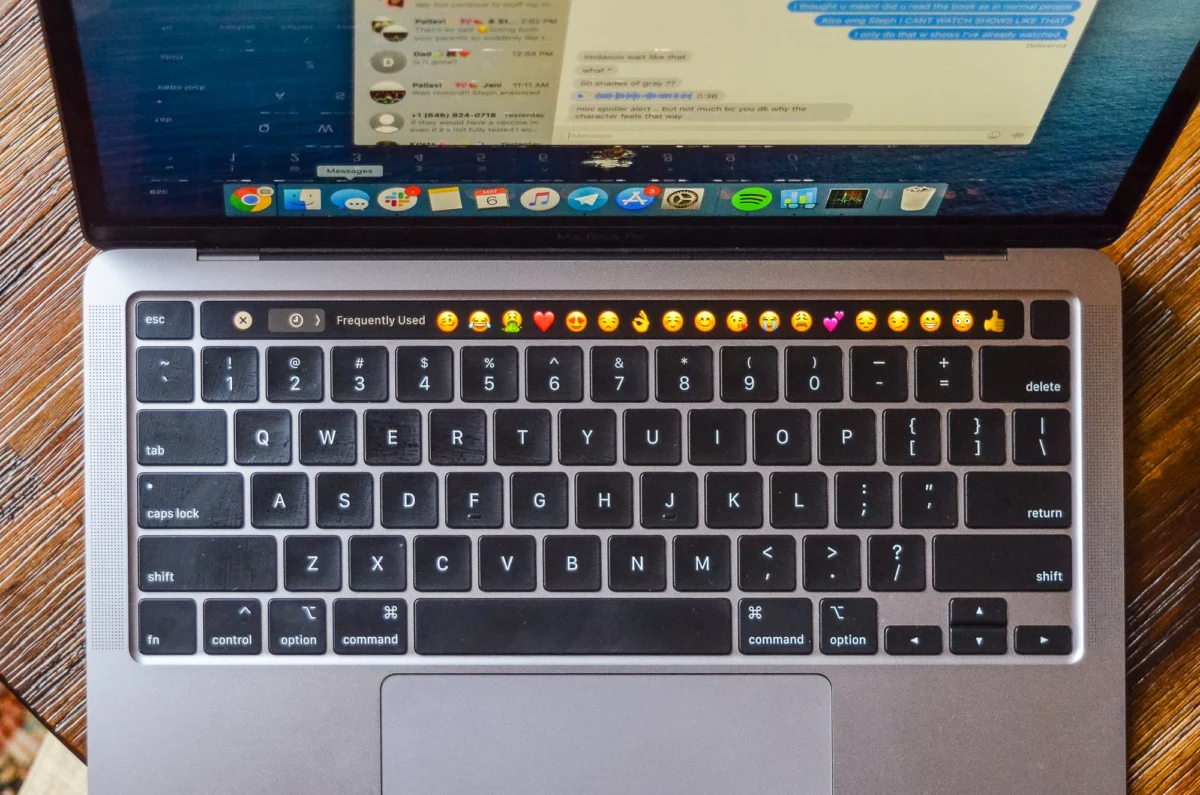
The landscape of personal computing is on the precipice of a seismic shift. For over a decade, Apple has maintained a rigid, almost dogmatic stance regarding the interface of its flagship laptops. While competitors flooded the market with touch-enabled Windows machines, Apple insisted that the Mac was a platform for indirect input, prioritizing the trackpad and keyboard above all else.
That era of "company orthodoxy" is officially coming to a close. As Apple prepares to round out its 2026 hardware cycle, all eyes are turned toward a singular, mysterious project: the first-ever MacBook equipped with an OLED touchscreen. Rumored to be dubbed the "MacBook Ultra," this device represents not just a hardware upgrade, but a fundamental philosophical pivot for the Cupertino giant.
Main Facts: The Anatomy of a Pivot
The upcoming MacBook, internally code-named K114 and K116, is widely expected to debut at an event on or around Tuesday, October 27, 2026. This launch is slated to be a hybrid affair, featuring a high-production online video presentation paired with an exclusive in-person experience for the press.

Unlike previous iterations of the MacBook Pro, which focused on iterative performance gains, the new "Ultra" model is designed to cater specifically to the creative professional class. Whether it is video editors, digital artists, or music producers, the device is being engineered to bridge the gap between traditional workstation power and the tactile, intuitive nature of the iPad Pro.
Core Specifications at a Glance:
- Display: A high-end OLED touchscreen, likely utilizing the "tandem" architecture found in recent iPad Pros for superior brightness and contrast.
- Form Factor: Significantly lighter and more portable than the current 14-inch and 16-inch MacBook Pro lineup.
- Internals: Powered by the M5 Pro and M5 Max silicon, signaling that this device is a high-performance powerhouse rather than an entry-level consumer laptop.
- Interface: A revamped version of macOS 27 that seamlessly integrates touch-responsive gestures without abandoning the precision of the physical keyboard and trackpad.
Chronology: From "Ergonomically Terrible" to "100% Confirmed"
To understand the weight of this announcement, one must look at the history of Apple’s skepticism. In 2010, the late Steve Jobs famously dismissed the idea of a touchscreen laptop, labeling it "ergonomically terrible." This sentiment was echoed for years by software chief Craig Federighi and, until recently, by John Ternus—who has since ascended to the role of CEO.
The Timeline of the Shift:
- 2016–2021: Apple experiments with the "Touch Bar," a customizable OLED strip above the keyboard. It remains one of the most polarizing features in Mac history, often criticized for being a "gimmick" rather than a true touch solution.
- Early 2023: Bloomberg’s Mark Gurman breaks the news that Apple is internally testing touch-screen Mac prototypes, marking the first real crack in the company’s anti-touch armor.
- Fall 2025: Supply chain analyst Ming-Chi Kuo reports that the upcoming MacBook will utilize "on-cell" touch technology, confirming the hardware direction.
- June 2026: Leaker "Instant Digital" claims a 100% confirmation of the touch-enabled display. Shortly after, the macOS 27 developer beta reveals code supporting touch-native features like "pull-to-refresh."
- October 2026: The projected release window for the official unveiling.
Supporting Data: Why Now?
The transition to OLED is not merely an aesthetic choice; it is a response to the "RAMageddon" memory crisis and the evolving demands of the creative industry.

The Cost Factor
The move to OLED is expensive. Given that the iPad Pro saw a roughly 20 percent price increase following its transition to OLED, industry analysts expect the MacBook Ultra to start at a premium price point—likely around $2,999 for the 14-inch base model. This pricing strategy aligns with Apple’s goal of positioning the device as a high-end tool for professionals, rather than a mass-market laptop.
The Hardware Re-engineering
Reports suggest that Apple has significantly miniaturized internal components to reduce the overall weight of the machine. By rearranging the logic board and thermal management systems, Apple intends to make the device "significantly lighter" than the 2021-era MacBook Pro chassis, which has remained largely stagnant for years.
The Software Integration
The most significant evidence lies in the macOS 27 beta. Apple has spent the last year refining the OS to recognize when a user is interacting via a mouse versus a finger. This "context-aware" interface ensures that the precision of the cursor remains intact while enabling new, fluid gestures that feel natural on a large-format display.

Official Responses and Corporate Strategy
While Apple has maintained its traditional wall of silence regarding unreleased products, the shift in leadership and messaging is palpable. CEO John Ternus, who once claimed the Mac was "perfectly optimized for indirect input," has clearly presided over a strategic pivot.
The rationale appears to be two-fold:
- Competitive Pressure: With the high-end Windows market (such as the Dell XPS series) successfully leveraging OLED touchscreens, Apple risks losing the "creative professional" demographic if it refuses to evolve.
- Platform Convergence: By bringing touch to the Mac, Apple is signaling a move toward a more unified experience across its ecosystem. However, they have been careful to emphasize that this is not an iPad-Mac hybrid. As reported by Gurman, the keyboard and trackpad remain the primary input methods; the touch capability is intended to be a "completely optional" enhancement.
Implications: The Future of the Professional Workflow
What does this mean for the user? For years, creatives have used third-party tools like "Astropad" to turn their iPads into secondary touch-drawing tablets for their Macs. The arrival of the MacBook Ultra effectively renders these workarounds obsolete, integrating that functionality directly into the display panel.

Professional Impacts:
- Color Accuracy: OLED’s ability to turn off individual pixels results in "true blacks" and infinite contrast, a game-changer for photo and video editors who require absolute precision in grading.
- Interactive Design: UI/UX designers will finally be able to test their touch-based mobile apps directly on the hardware they are using to develop them, significantly shortening the feedback loop.
- The "Ultra" Brand: By adopting the "Ultra" moniker, Apple is clearly demarcating this product from the mainstream Air and Pro lines. It establishes a third tier of computing that could eventually lead to even more specialized hardware for the high-end enterprise sector.
The Road Ahead
As we look toward the October 27 event, the excitement is palpable. Apple is attempting to do something incredibly difficult: introduce a touch interface to a legacy platform without sacrificing the "desktop-class" ergonomics that made the Mac the gold standard for professionals.
If they succeed, the MacBook Ultra will not just be a new laptop—it will be the final step in the evolution of the modern computer. If they fail, it may serve as a cautionary tale about fixing what isn’t broken. Regardless of the outcome, one thing is certain: the era of the "non-touch" Mac is officially over. Whether this represents the pinnacle of innovation or a departure from Apple’s design philosophy remains to be seen, but the industry is watching with bated breath.
With the global memory crisis and rising component costs looming over the launch, the pressure on Apple to deliver a truly "magical" experience is at an all-time high. The stage is set for October; the only question left is whether the hardware can live up to the hype that has been building for over a decade.


 Evan Lee Salim
 Suro Senen
 Basiran
 Neng Nana
 Iffa Jayyana
 Raul Delapena Setiawan
 Rifan Muazin
 Asro
Asro