
 Laily UPN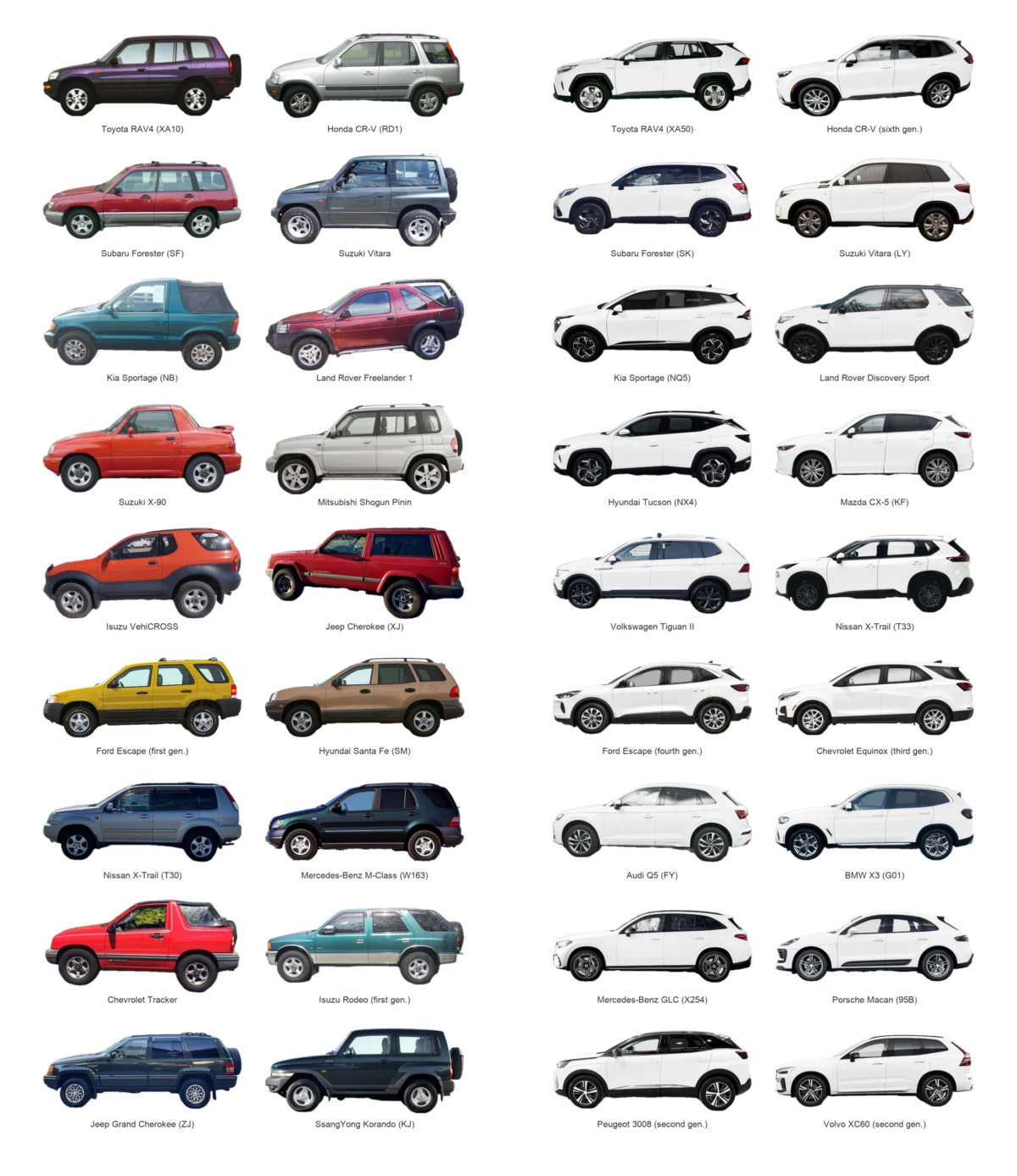
In the landscape of modern consumer electronics and automotive design, a subtle, creeping uniformity has begun to define our visual culture. From the monolithic, bezel-less rectangles that serve as our smartphones to the increasingly identical aerodynamic silhouettes of modern sedans, design is undergoing a period of profound homogenization. It is a trend that prompts a fundamental question: Is innovation dying, or are we simply reaching the "final form" of human utility?
The Phenomenon of Design Alignment
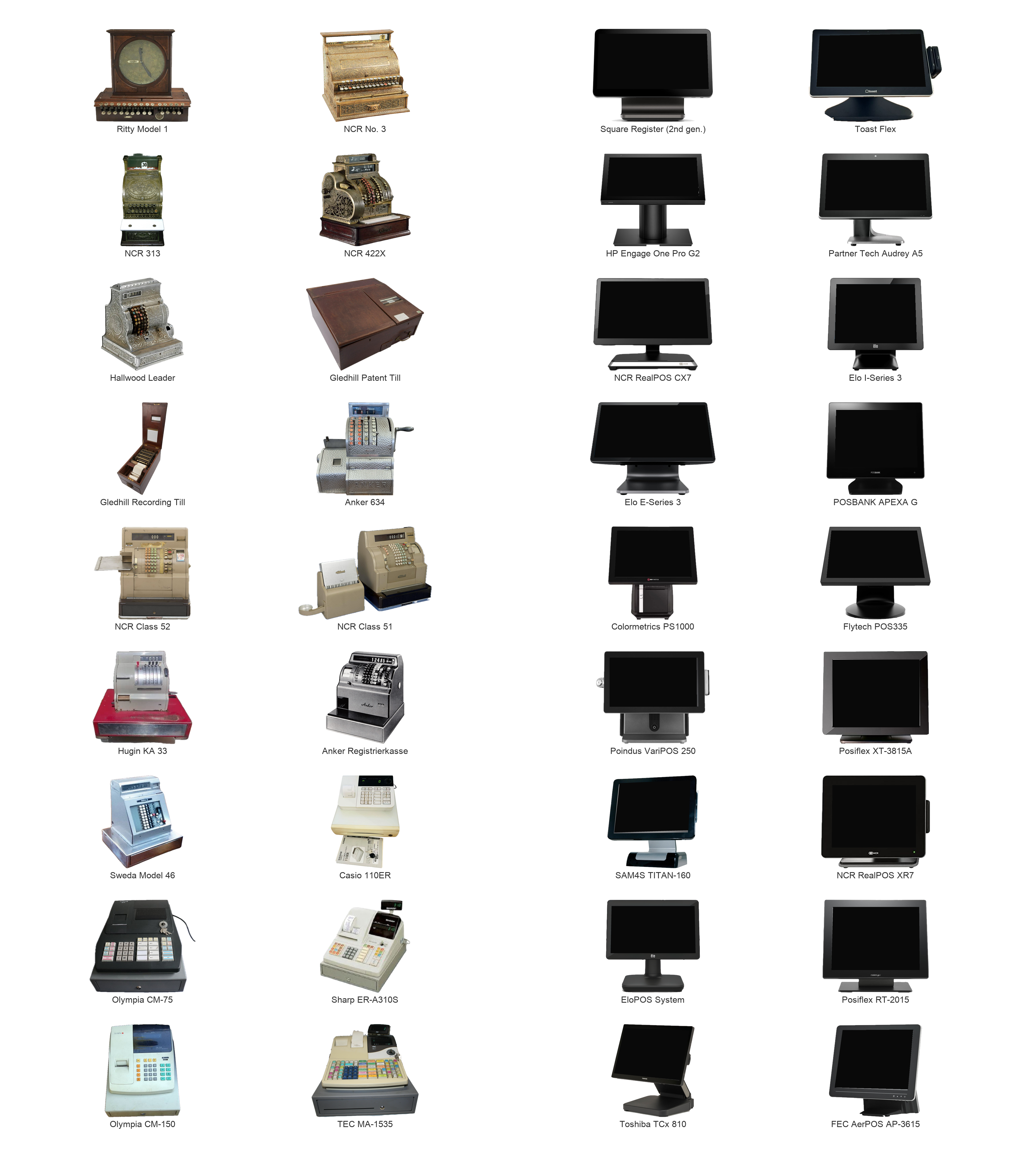
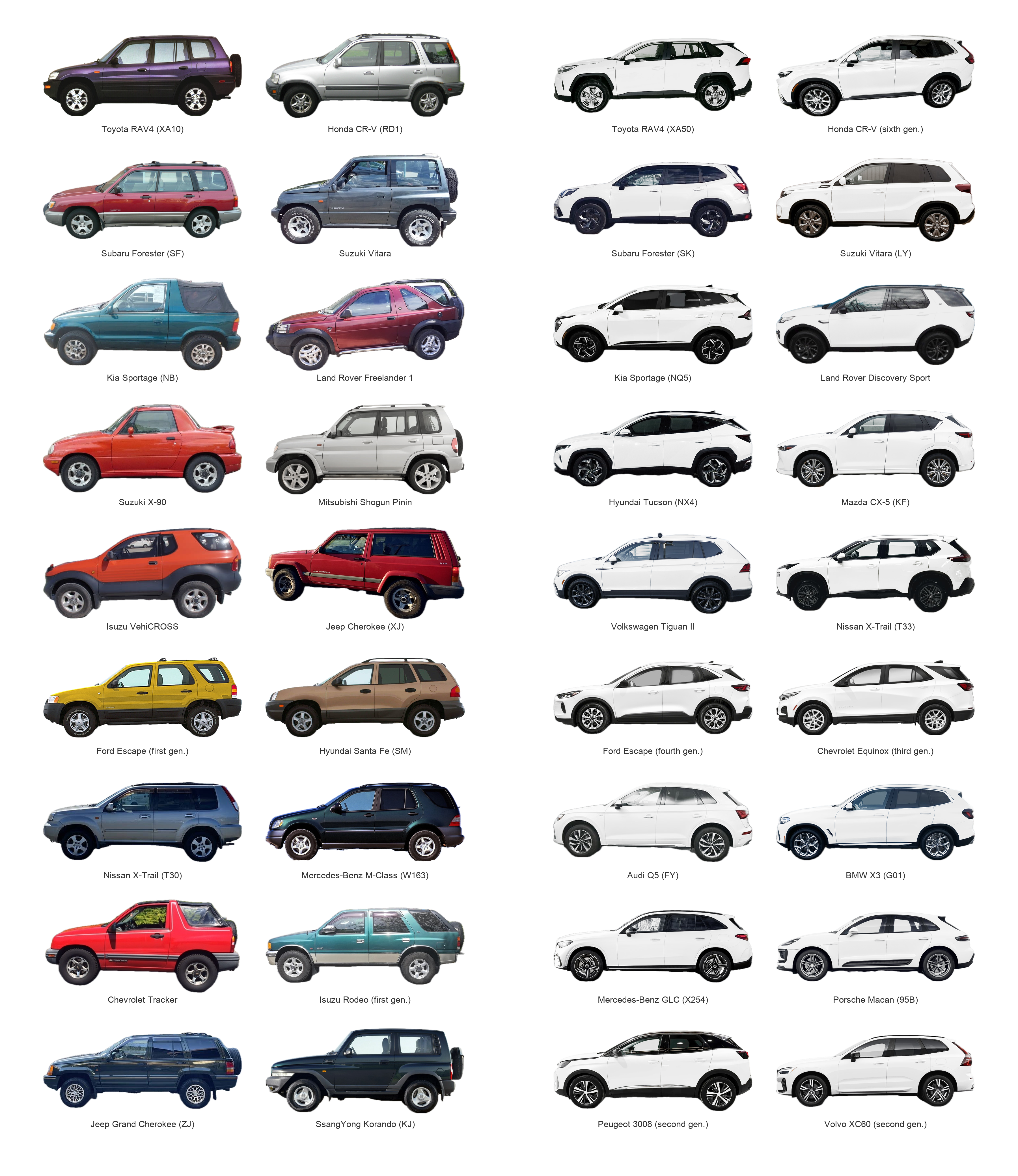
For decades, the trajectory of industrial design was marked by experimentation, eccentricity, and distinct brand identities. Today, that trajectory has flattened. A cursory glance at historical design archives—comparing the boxy, tactile televisions of the 1980s to the thin, obsidian slabs of 2024, or the diverse chassis of mid-century vehicles to the uniform "crossover" aesthetic of today—reveals a stark pattern.
Designers, analysts, and consumers alike have noticed this trend. Whether it is the consolidation of software interfaces or the physical shape of hardware, the aesthetic gap between competitors is closing. This is not merely a stylistic choice; it is a structural inevitability.
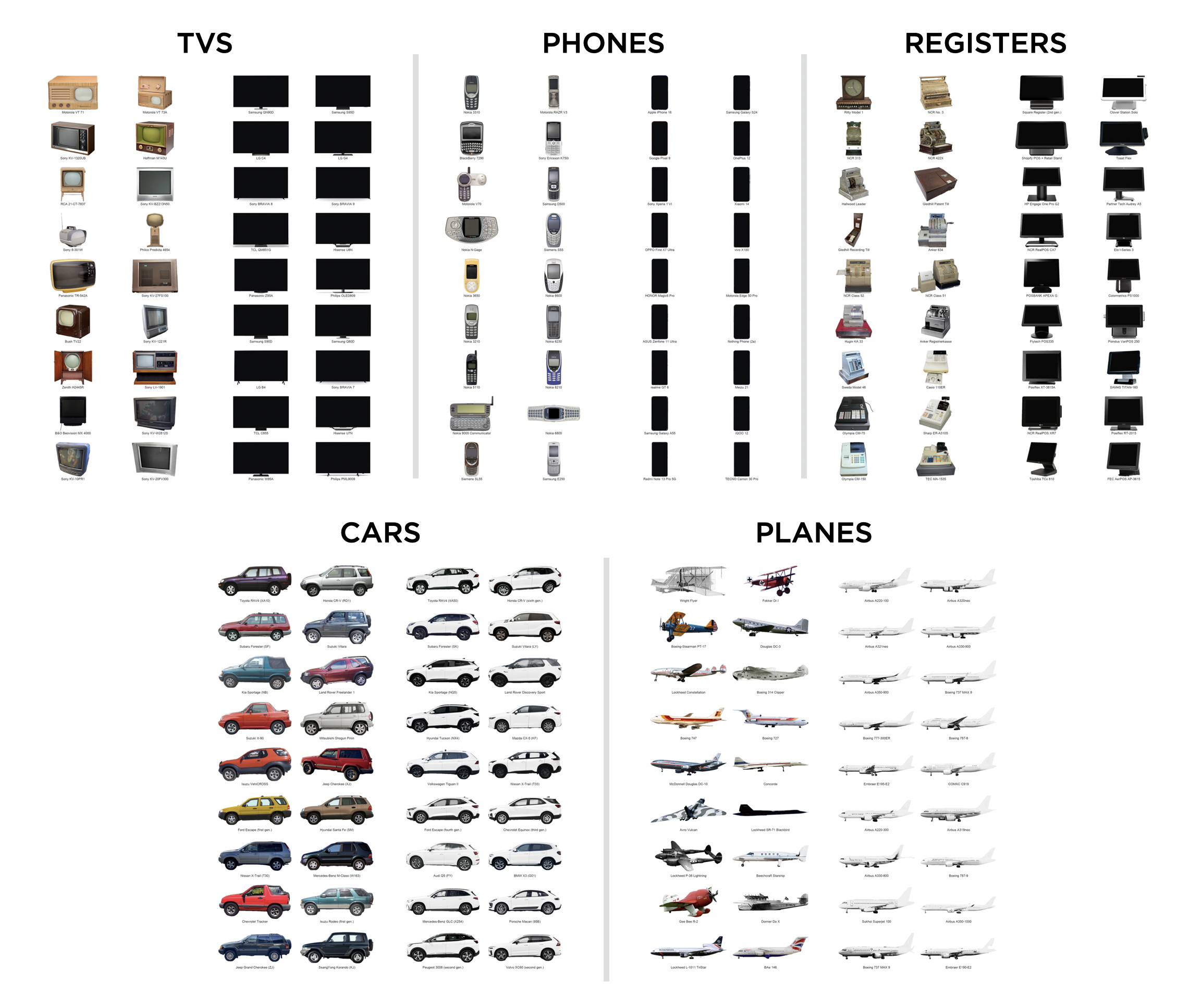
The Chronology of Convergence: From Form to Function
To understand how we arrived at this point of near-total aesthetic alignment, one must look at the historical arc of technological maturity.
- The Era of Divergence (1950s–1990s): During the infancy of consumer technology, design was characterized by "functional discovery." Engineers and designers were still defining what a television, a phone, or a car should be. This led to a wide range of prototypes, as manufacturers tested ergonomic and functional theories in the open market.
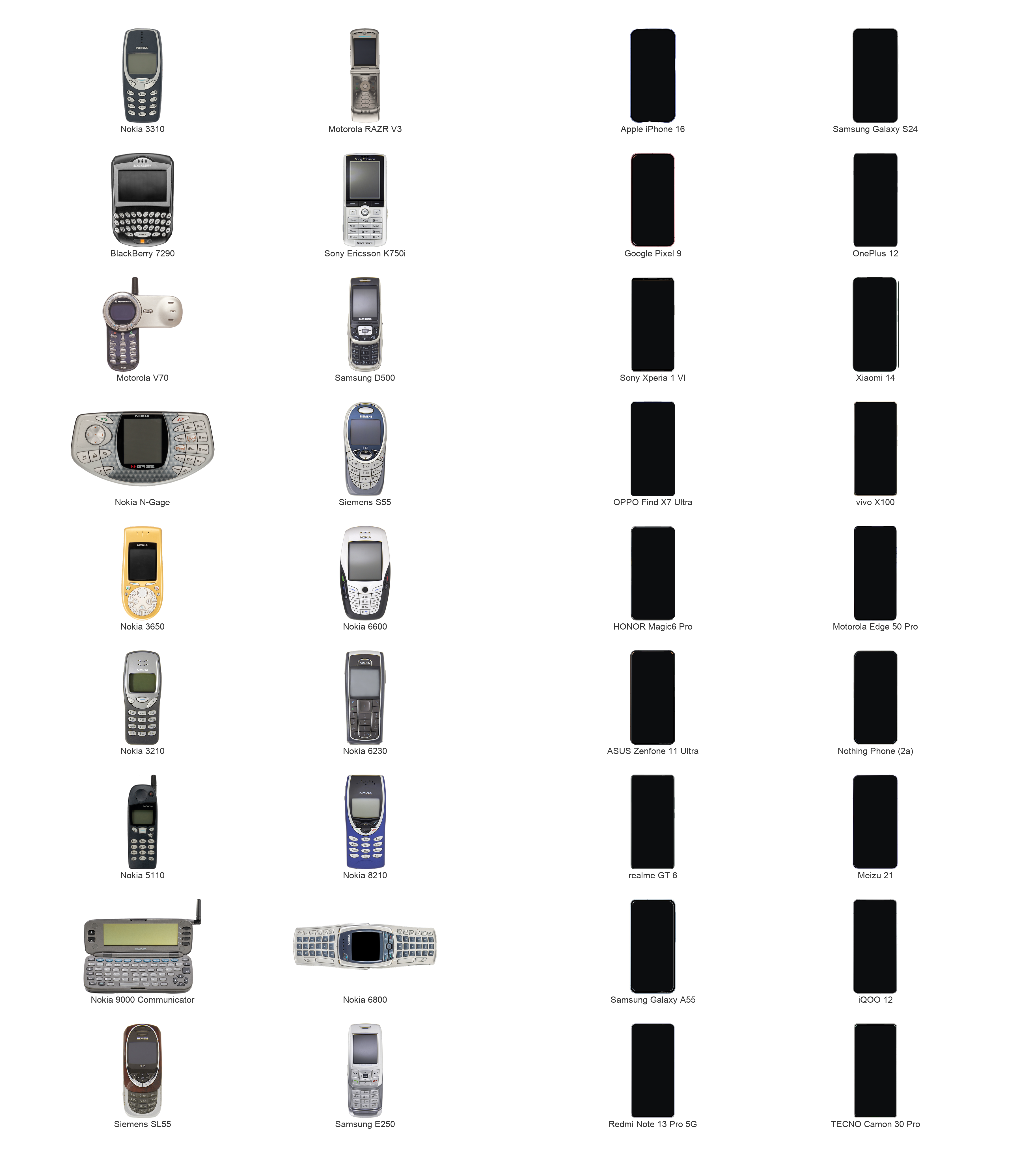
- The Era of Refinement (2000s–2015): As technologies became reliable, the focus shifted from "what it does" to "how it fits." This was the age of optimization. The mobile phone, for instance, transitioned from the ruggedized plastic handsets of the 90s to the streamlined, glass-and-metal touchscreens we recognize today.
- The Era of Convergence (2016–Present): We have entered a phase where the "ideal" form factor for most devices has been discovered. The objective is now efficiency, supply chain dominance, and the removal of all friction between the user and the content.
Supporting Data: Why Everything Becomes a "Crab"
The academic term for the evolutionary tendency of unrelated species to independently evolve into a crab-like shape is "carcinisation." In the world of industrial design, a similar phenomenon is occurring, jokingly dubbed "crabitalism." Just as nature finds the most efficient structural solution for a bottom-dwelling scavenger, the market finds the most efficient structural solution for a smartphone or a television.
The Tyranny of Utility
Once a product’s purpose becomes perfectly clear, design tends to "get out of the way." A television exists to display a moving image. Therefore, the perfect television is simply a screen, with the bezel, speakers, and base rendered invisible or minimized to the point of irrelevance.
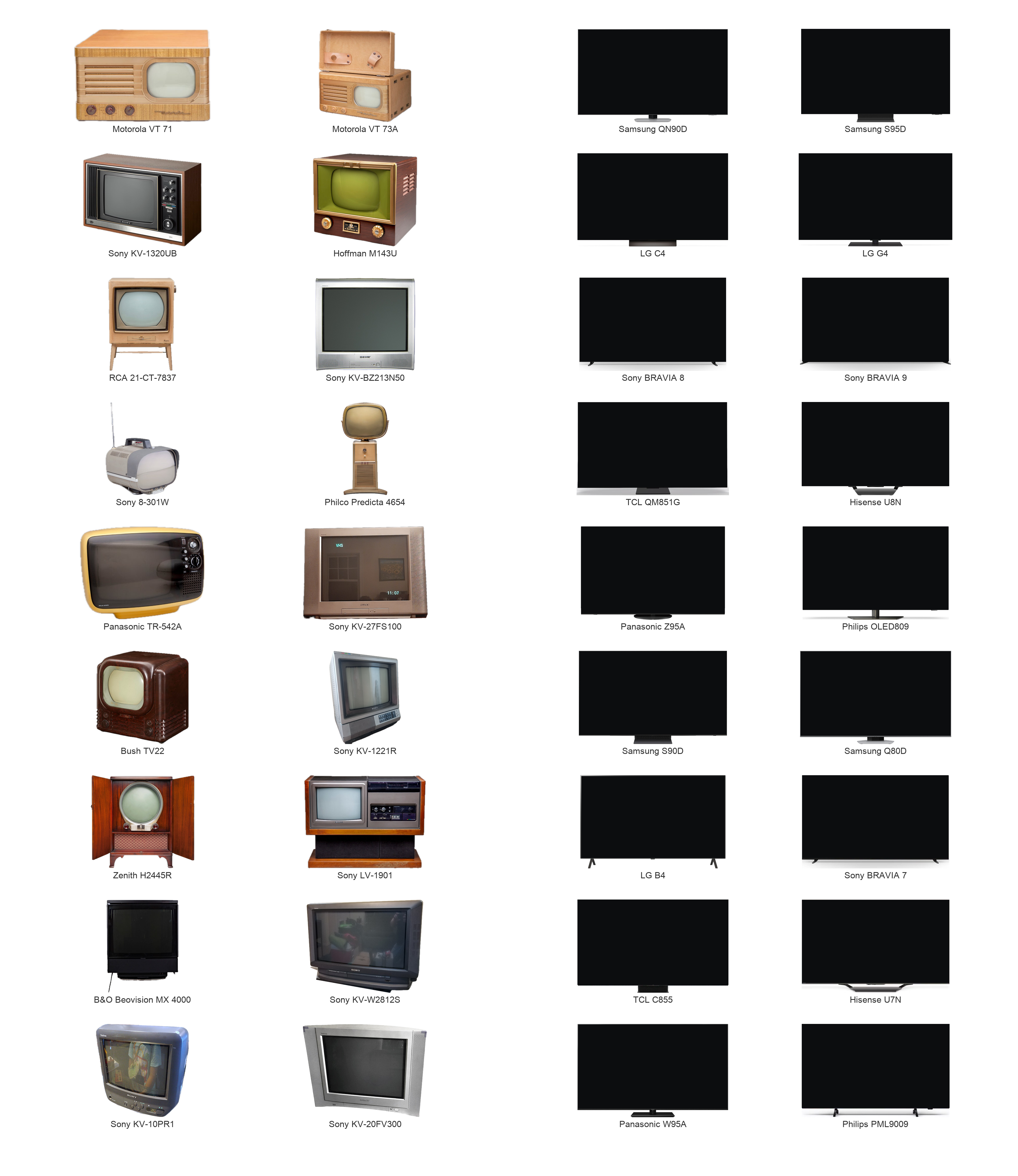
This logic applies across sectors:
- Smartphones: The "slate" form factor is the ultimate expression of a handheld computing device. It maximizes screen real estate while remaining pocketable.
- Cash Registers: As these devices transitioned from mechanical calculators to digital interfaces, they converged toward the standard tablet-based POS system, prioritizing touch-screen interaction over physical buttons.
- Aviation and Automotive: Design is heavily dictated by physics. Aerodynamics, thermal management, and safety standards act as a "creative filter." A car designed to meet global fuel efficiency standards and crash-test safety requirements will inevitably resemble other cars designed to meet those same constraints.
The Economic Cost of Standing Out
Beyond physics, there is the brutal reality of supply chain economics. When a technology reaches maturity, the primary mode of competition shifts from innovation to price and technical specifications.
Standing out is expensive. Developing a unique hardware form factor requires custom tooling, specialized manufacturing processes, and higher logistical costs. Large corporations mitigate risk by opting for industry-standard configurations that benefit from economies of scale. Smaller firms, which might have the appetite for radical design, often lack the resources to scale production, leaving their innovations relegated to niche markets that rarely reach the mainstream.
Implications: The Software "Chat-ification"
If hardware convergence takes decades to solidify, software appears to be accelerating the process. We are currently witnessing a massive consolidation of user interface (UI) patterns. Since the widespread adoption of Large Language Models (LLMs) like ChatGPT, developers are rushing to "chat-ify" their applications.
Regardless of the service—whether it is a spreadsheet, a design tool, or a social media platform—the interface is increasingly shifting toward a central text-input field. The "app" is disappearing in favor of the "conversation." This creates a secondary layer of homogenization; even if the hardware looks different, the digital experience is becoming identical across the board.
AI Hardware: The Last Playground
Despite this overwhelming tide of uniformity, there is a glimmer of experimental hope. The current market for AI hardware is fragmented and chaotic. From screen-less "AI pins" and smart glasses to pendants and specialized earbuds, manufacturers are currently throwing every possible form factor at the wall to see what sticks.
This is a design playground, reminiscent of the early days of mobile telephony. However, the trajectory remains the same. Once the market decides which of these devices provides the most value, we can expect the current variety to vanish. Within five to ten years, we will likely look back at this era of "AI wearables" and see the same pattern of convergence: a handful of dominant shapes that define how we interact with intelligence, leaving the experimental prototypes behind as historical curiosities.
Official Perspectives and Industry Skepticism
Critics of this homogenization argue that we are losing the "soul" of design. Design leaders at major firms often defend these choices by citing user experience (UX) research. They argue that users do not want to "learn" a new device; they want the device to be intuitive. In this view, uniformity is a feature, not a bug.
However, there is an opposing school of thought: that by reducing design to its most efficient, average, and safe iteration, we are actively stifling the cultural value of the objects we live with. When every car looks like a wind-tunnel-tested droplet and every phone is a black mirror, the material culture of our time loses its capacity to inspire.
Conclusion: The Price of Efficiency
The convergence of design is an inescapable byproduct of technological maturity. We have traded the variety of the 20th century for the high-performance efficiency of the 21st. As we move forward, we should expect this trend to persist.
Whether we call it "crabitalism" or simply the natural lifecycle of a product, the outcome is the same: the design of our world is being refined, stripped, and optimized until only the most essential, functional skeletons remain. While this provides us with powerful, reliable tools, it leaves a lingering sense of loss for the quirkiness, experimentation, and distinct character that defined the products of the past. As we enter the age of AI, the challenge for designers will be to find space for human expression within the rigid, convergent structures that physics and economics continue to demand.

 Reynand Wu
 Evan Lee Salim
 Basiran
 Neng Nana
 Iffa Jayyana
 Raul Delapena Setiawan
 Rifan Muazin
 Asro
Asro