
 Azzam Bilal Chamdy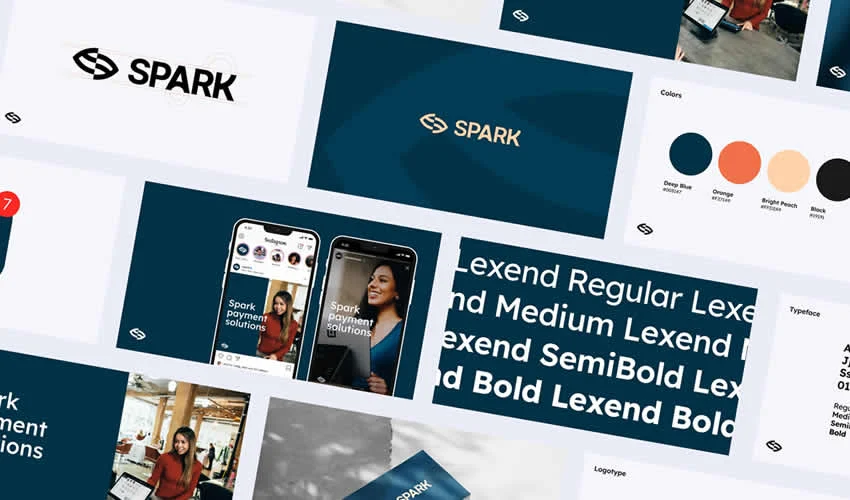
In the competitive landscape of modern commerce, branding is far more than a logo or a color palette; it is an immersive experience. It is the silent ambassador that speaks for a company when the founders are not in the room. As designers and marketing strategists, we often fall into the trap of viewing our work through the two-dimensional lens of a computer monitor. However, the true litmus test for any brand identity lies in its transition from the digital canvas to the physical world.

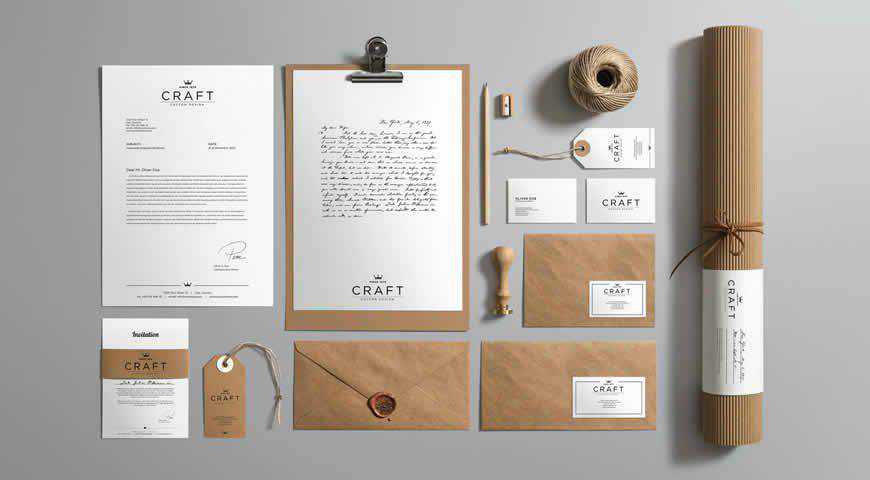
This is where branding identity mockups have become an indispensable asset in the professional toolkit. By bridging the gap between concept and reality, these tools allow designers to visualize their work on stationery, apparel, packaging, and digital devices, providing a tangible sense of scale, texture, and impact.
The Evolution of Brand Presentation: A Chronology of Visualization
The journey toward high-fidelity brand presentation has evolved rapidly over the last two decades.
- The Early 2000s (The Print-First Era): Designers relied heavily on physical prototypes. Branding agencies spent significant portions of their budgets on high-end printing, die-cutting, and manual photography to show clients how a logo would appear on business cards or letterheads. This was a time-intensive and costly endeavor that limited the number of iterations a client could review.
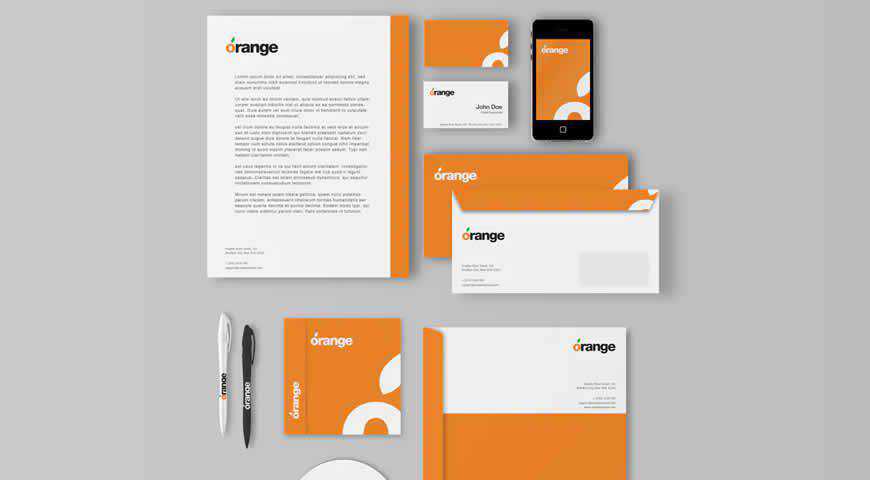
- The 2010s (The Digital Transition): With the proliferation of Adobe Photoshop and the development of "smart object" layers, the concept of the digital mockup took center stage. Designers could now place a flat logo file into a template, and the software would automatically warp, shade, and perspective-adjust the image to match the surface.
- The Present Day (The Photorealistic Standard): Today, we operate in an era of hyper-realism. Modern mockups utilize advanced lighting, 3D rendering, and depth-of-field effects that are nearly indistinguishable from professional studio photography. This has democratized high-end presentation, allowing freelancers and small agencies to compete with global branding firms by providing "real-life" proof of concept.
The Strategic Importance of Contextual Mockups
When presenting a brand strategy, the "why" is just as important as the "what." A logo on a white background is an abstract shape; a logo on a textured, premium-stock business card sitting on a mahogany desk is a brand promise.
Bridging the Gap Between Design and Client Perception
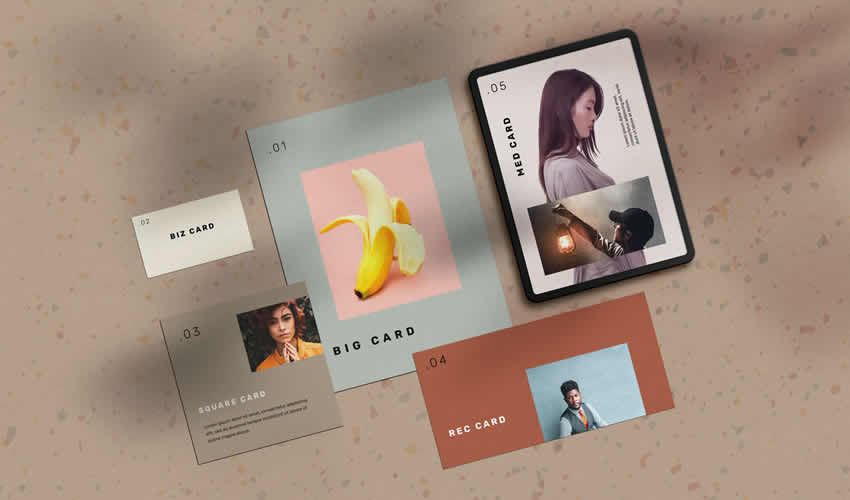
Clients often struggle to visualize how a flat graphic will translate to real-world dimensions. Does the typeface remain legible when shrunk to the size of a pen? Does the color palette clash with common office materials? Mockups serve as a diagnostic tool, allowing designers to catch potential pitfalls—such as scale, contrast, or spatial crowding—before the brand identity goes to production.
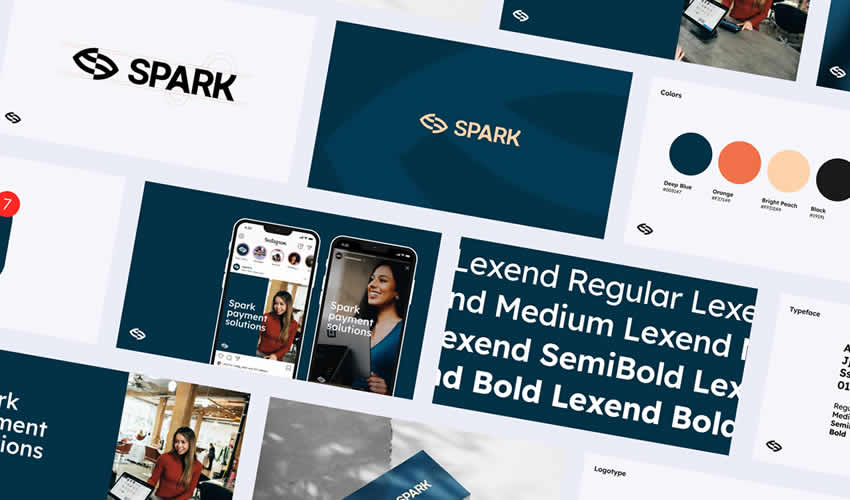
Building Emotional Resonance
Psychologically, clients are more likely to approve a design they can "see" in use. By placing a brand identity within a context that resonates with the client’s industry—whether it be the minimalist, clean lines of a corporate tech office or the cozy, rustic aesthetic of a boutique coffee shop—the designer creates an emotional bridge. The client stops looking at a design and starts envisioning their company’s future.
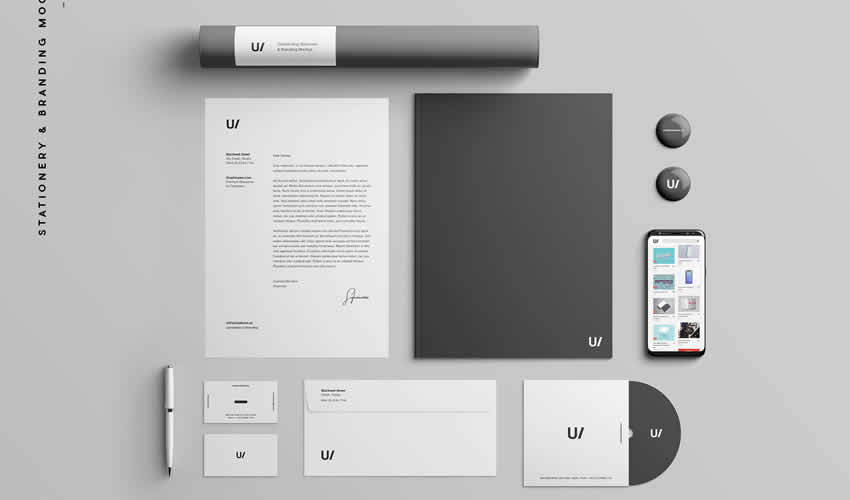
Curated Essentials: Top-Tier Mockup Collections
To assist in your next project, we have analyzed various collections that offer both versatility and professional-grade quality.
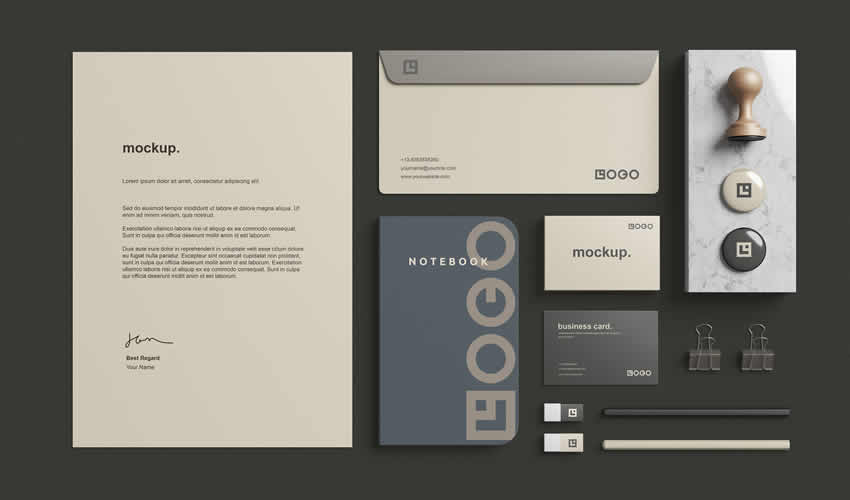
Corporate and B2B Solutions
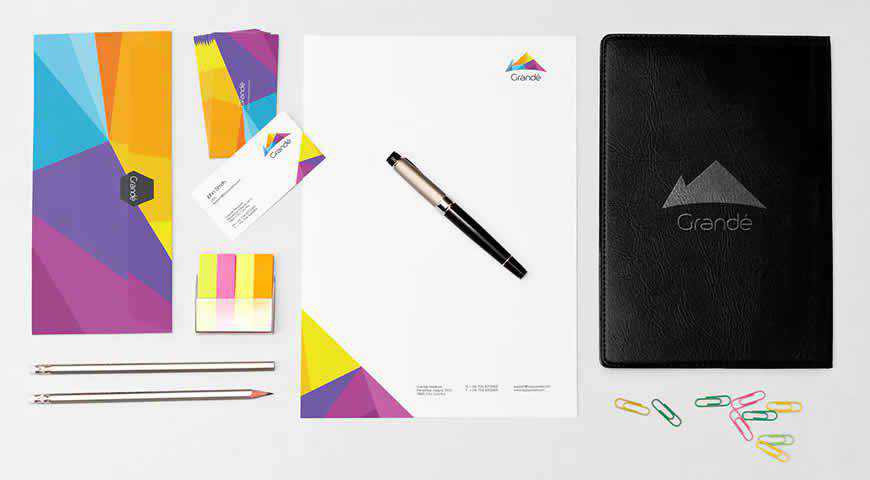
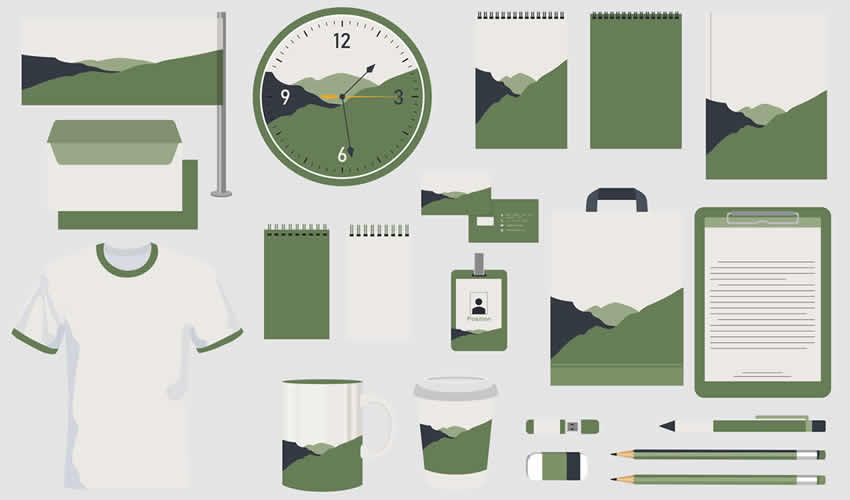
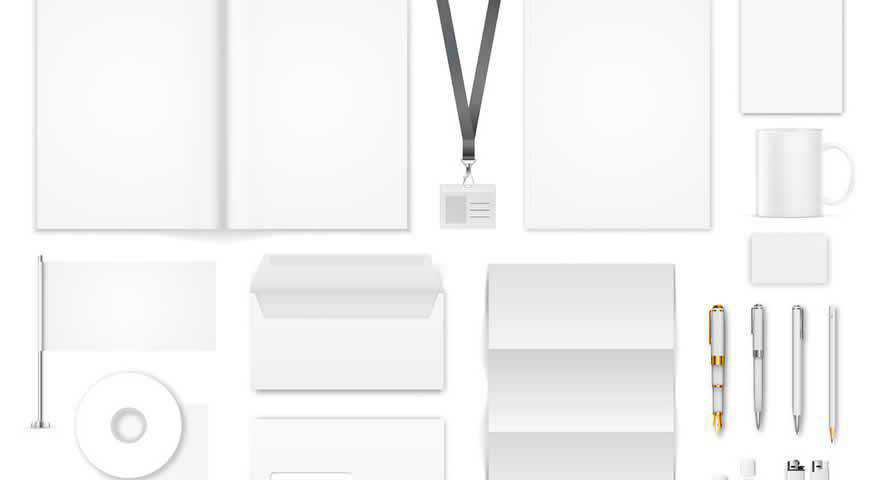
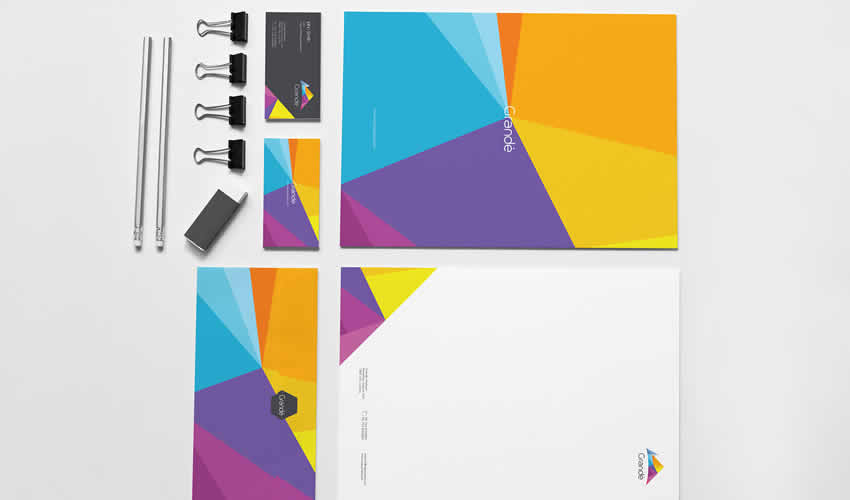
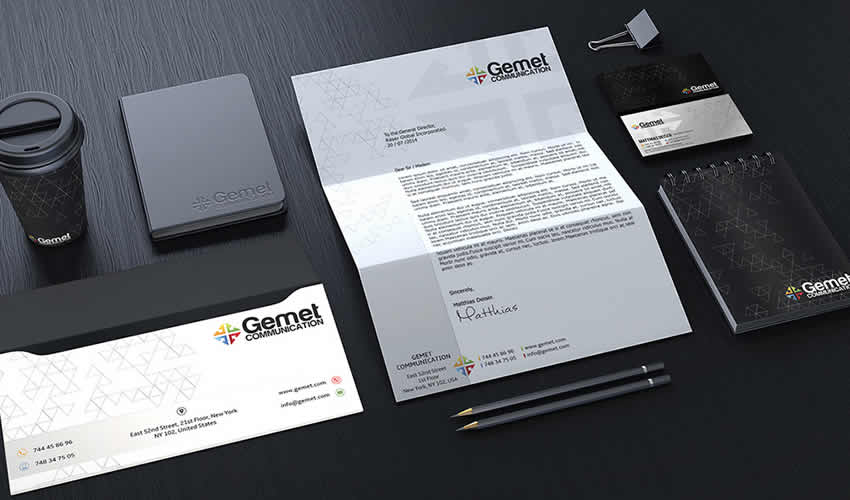
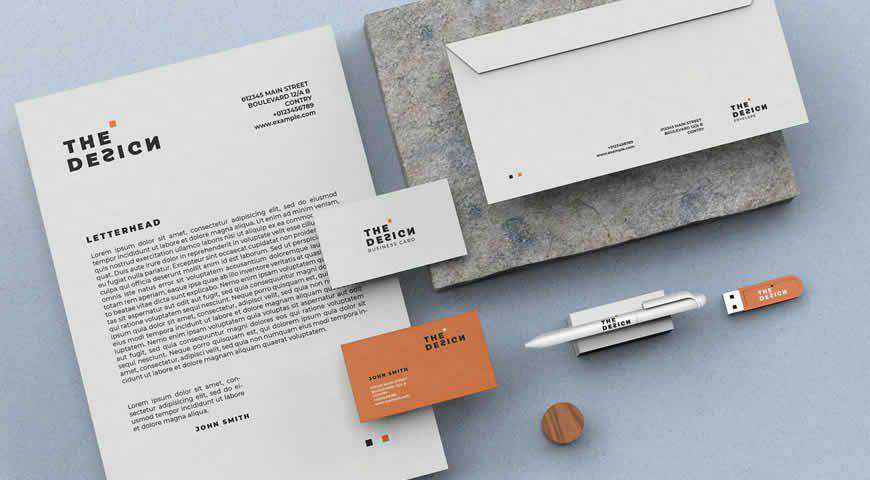
For agencies working with enterprise-level clients, the focus must remain on precision and professionalism. Collections like the Corporate Identity & Branding Mockup Templates and the Minimalist Stationery Branding Mockup allow for the inclusion of multiple touchpoints, from letterheads to flash drives. These templates prioritize a clean, uncluttered aesthetic that signals efficiency and reliability.
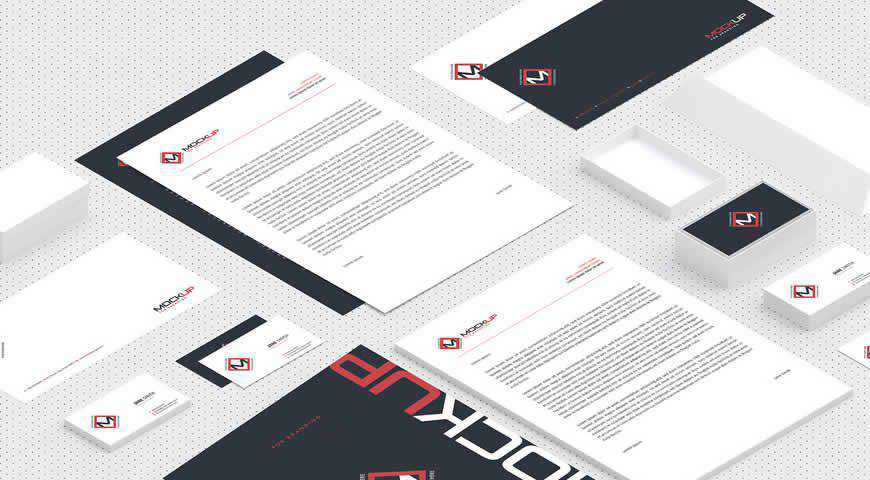
Artistic and Bespoke Branding
For brands rooted in lifestyle, beauty, or artisanal goods, the Athena Branding Mockup Templates and the Luxury Branding Mockup sets offer a sophisticated, earthy tone. These templates often include features like selective foil stamping, allowing the designer to showcase how a brand would look with high-end finishing touches like gold or silver embossing.
Industry-Specific Contexts
Sometimes, a general mockup isn’t enough. For the hospitality and food-and-beverage sectors, the Coffee Branding Mockup Templates and the Mugs at a Table with Beer Bottles scenes provide the necessary environmental storytelling. Seeing a brand mark on a takeaway cup or a bottle label provides the immediate, visceral feedback that is essential for retail-facing identities.
Technical Considerations for the Modern Designer
While the visual impact is clear, the technical execution remains paramount. When selecting a mockup, consider the following criteria:
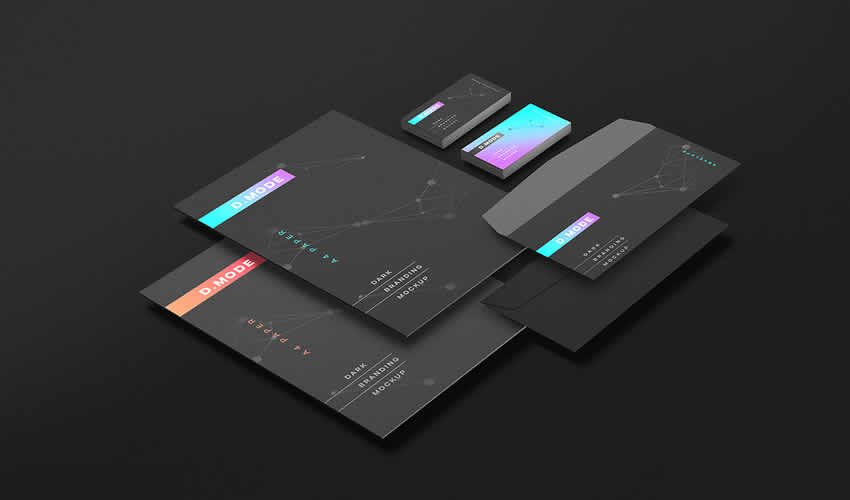
- Smart Object Integration: Ensure the files are built with organized smart objects. This is the "secret sauce" that allows you to swap designs in seconds without losing the perspective or lighting effects applied to the original layer.
- Resolution and Scalability: Professional projects require high-DPI (dots per inch) files. Always opt for templates that provide at least 3000px width to ensure that your presentations look sharp on large 4K monitors and high-resolution projectors.
- Customization Depth: The best mockups are those that allow you to modify more than just the logo. Look for files where you can adjust shadow opacity, background textures, and even the color of metallic elements. This level of granular control ensures your presentation is unique to your client’s brand, rather than looking like a generic stock image.
Official Industry Perspectives: Why Mockups Matter
Design directors and branding consultants consistently emphasize that the "pitch" is the most vulnerable part of the creative process. According to leading industry design forums, 80% of design approval hurdles stem from a client’s inability to grasp the final application of a concept.
"The goal of a presentation is to remove the guesswork," says one lead designer in a recent industry survey. "When I present a brand, I don’t just show them the logo; I show them the brand in its natural habitat. It shifts the conversation from ‘do I like this shape?’ to ‘does this feel like our company?’"
Implications for the Future of Branding
As we look toward the future, the integration of AR (Augmented Reality) and motion graphics into branding presentations is the next frontier. We are already seeing a shift toward "living mockups"—templates where logos animate on screen or where users can interact with 3D models in a browser.
However, the core principle remains unchanged: Presentation is persuasion. Whether you are a student preparing your first portfolio or a veteran agency creative, the tools you use to present your work are as significant as the design itself. By utilizing high-quality branding identity mockups, you are not just presenting a graphic—you are demonstrating a deep understanding of the client’s business, their market, and the tangible world in which their brand must thrive.
Final Recommendations for Your Workflow
- Standardize Your Toolkit: Create a dedicated folder for your favorite mockups, categorized by industry (Corporate, Fashion, Food, etc.).
- Test Your Designs: Use mockups early in the design process to check for legibility issues.
- Invest in Quality: While free resources are excellent for learning, high-end, premium mockups often come with better support and more complex layering, which can save hours of manual editing time during a crunch period.
In conclusion, your branding strategy is a symphony, and your identity materials are the instruments. A mockup is the concert hall where the performance happens. Ensure that your stage is set, your acoustics are perfect, and your audience is ready to hear what your brand has to say.

 Reynand Wu
 Evan Lee Salim
 Basiran
 Neng Nana
 Iffa Jayyana
 Raul Delapena Setiawan
 Rifan Muazin
 Asro
Asro