
 Lina Hope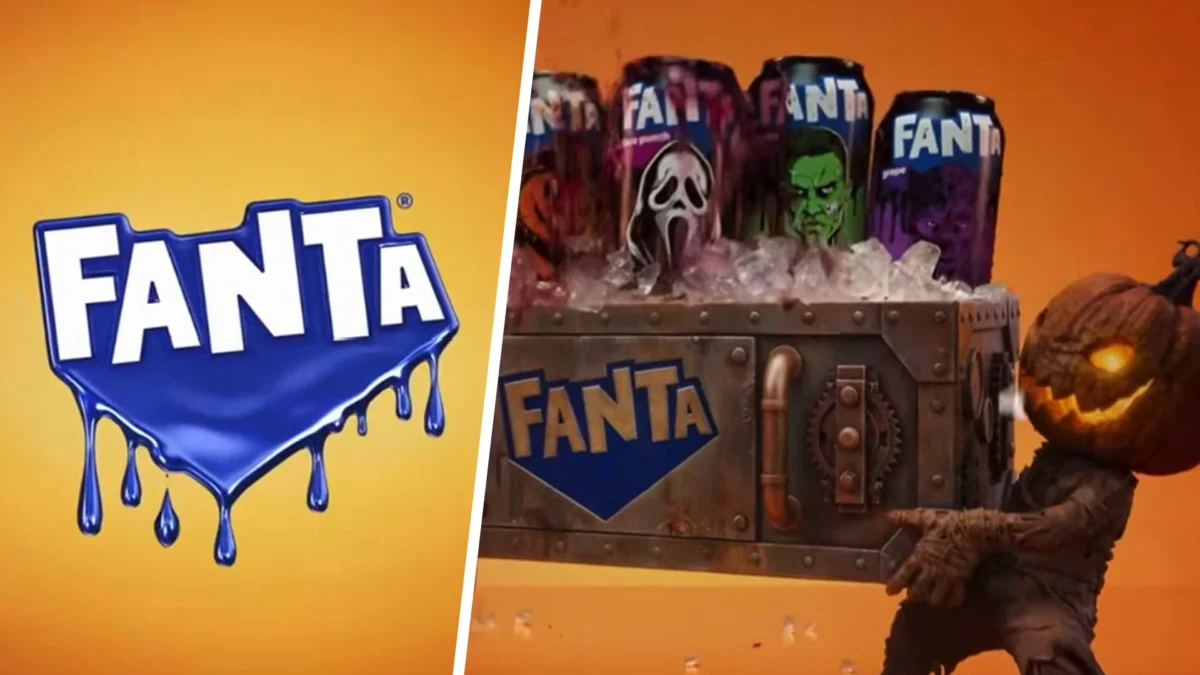
In the landscape of modern advertising, the line between innovation and alienation is becoming increasingly thin. For decades, the Coca-Cola Company has been the gold standard for festive, high-budget, emotionally resonant marketing. From the iconic "Holidays are Coming" trucks to nostalgic summer campaigns, the brand has historically invested heavily in high-production cinema-quality spots. However, a seismic shift has occurred. In recent months, the beverage giant has pivoted toward generative AI for its creative output, a move that has sparked intense backlash among consumers and design professionals alike.
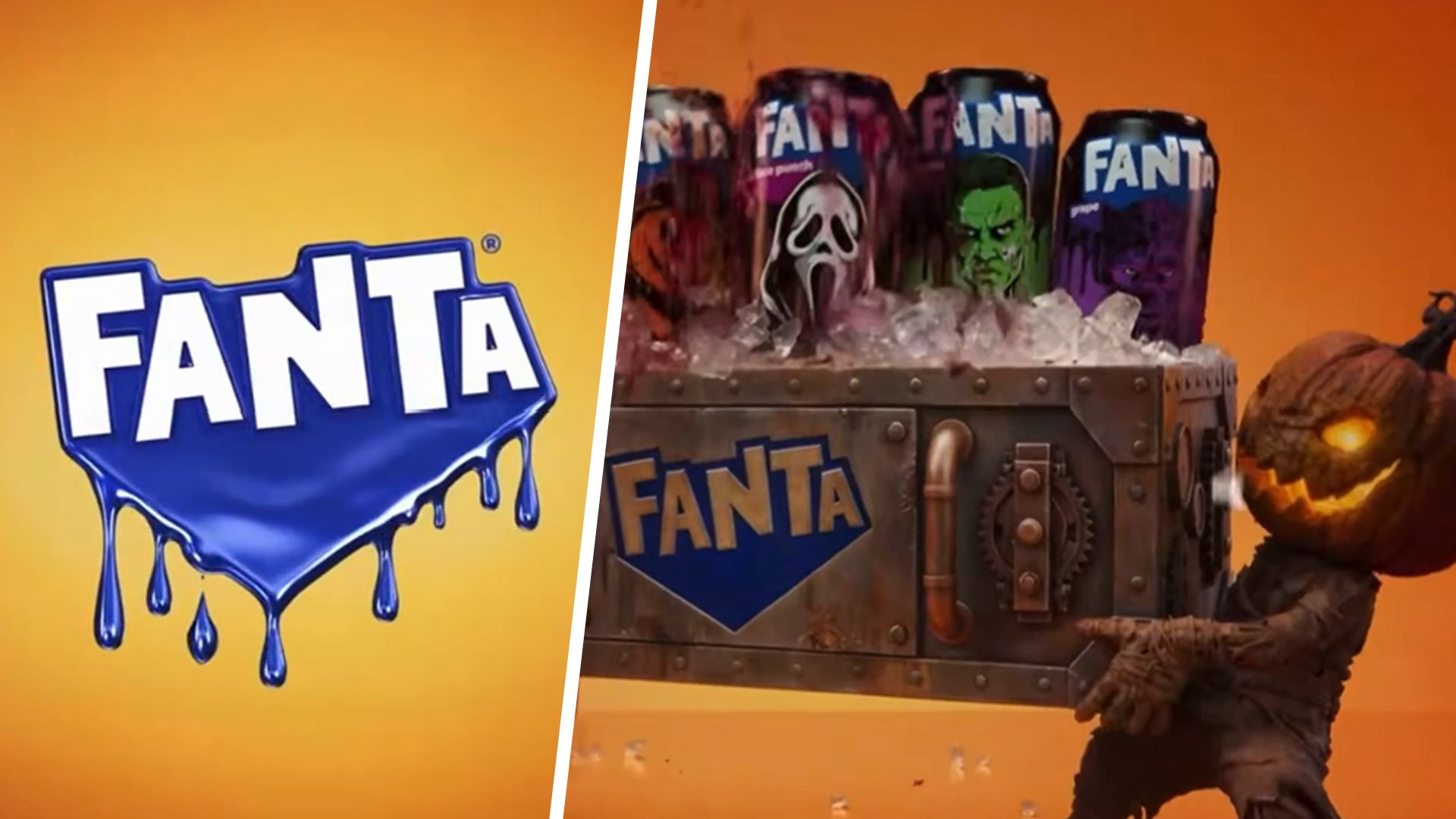
The latest point of contention is a Halloween-themed campaign for Fanta, titled "Haunted Universe." Developed by the AI studio GRAiL, the campaign was designed to help the brand "claim Halloween" in the same way it has dominated the Christmas season. Instead of the polished, tactile brilliance audiences have come to expect, viewers are being met with what critics are calling "AI slop"—a disjointed, uncanny, and aesthetically jarring series of images that have left moviegoers and social media users feeling more repulsed than enticed.
A Chronology of Controversy: From Christmas Trucks to Halloween Horrors
The trajectory of Coca-Cola’s foray into AI marketing began in earnest with its Christmas campaigns, which were widely panned for their surrealist distortions—most notably the infamous "trucks with the wrong number of wheels" and melting, multi-limbed figures. Rather than course-correcting after the initial negative reception, the company seems to have doubled down.
The Timeline of the "Haunted Universe" Rollout:
- Late 2024: Coca-Cola announces an expansion of its partnership with AI-focused studios, aiming to utilize generative tools to create "dynamic, personalized" content.
- Early October 2026: Moviegoers across the globe report seeing the Fanta "Haunted Universe" trailer in cinema pre-show reels. The feedback is instantaneous and overwhelmingly negative.
- Mid-October 2026: Viral social media threads on X (formerly Twitter) and Reddit begin to coalesce, with users documenting the specific "uncanny" failures of the ad, such as morphing characters and unnatural physics.
- Present Day: The debate has shifted from a critique of individual ads to a broader discussion about corporate ethics, the devaluation of human labor in the creative industries, and the long-term brand equity of a company that appears to be actively ignoring its customer base.
The Aesthetic of Alienation: Why "AI Slop" Fails the Consumer
The fundamental issue with the Fanta "Haunted Universe" campaign—and the wider AI push from Coca-Cola—is the "Uncanny Valley." This psychological concept describes the sense of unease or revulsion felt by humans when observing artificial entities that are nearly, but not quite, human.
In the Fanta spot, we see a cast of "original" characters: a cyborg Frankenstein, a werewolf DJ, and a licensed cameo by Ghostface from the Scream franchise. While the characters sound compelling on paper, the execution is hampered by the erratic nature of current AI generation. Objects in the background appear to dissolve into one another; character limbs fluctuate in count and texture; and the lighting, which should evoke the spooky atmosphere of Halloween, feels muddy and synthetic.
Critics argue that by replacing human animators and directors with AI models, Coca-Cola has stripped the "soul" from their storytelling. A well-produced commercial relies on intentionality—every frame is a choice. In AI-generated content, every frame is a probability. This lack of intentionality is palpable to the viewer, leading to a disconnect between the brand’s intended message ("fun, festive Halloween") and the consumer’s reaction ("this is eerie and cheap").
Supporting Data and Industry Sentiment
The backlash isn’t merely a collection of isolated gripes. The sheer volume of negative sentiment across social media platforms suggests a growing "AI fatigue."
The Creative Economy Impact
Designers and creative professionals are particularly vocal. Many argue that major corporations have a moral imperative to support the creative economy. By cutting corners with AI tools, companies like Coca-Cola are perceived as undermining the livelihoods of the very illustrators, motion designers, and directors who have historically made the brand a success.
"I was watching a Tubi movie when this ad popped up," one viewer noted on X, "and I cannot express to you how much more effort, creativity, and overall watchability went into that low-budget movie than this multi-million dollar corporate advertisement." This sentiment is echoed by hundreds of thousands of users who are now publicly vowing to boycott Fanta and other Coca-Cola products in protest of the company’s reliance on generative software.
Corporate Strategy: Is Coca-Cola Goading Its Critics?
One of the most baffling aspects of this ongoing saga is why a company as sophisticated as Coca-Cola would continue to push a strategy that is clearly damaging its public image.
Industry analysts suggest several possibilities:
- Cost Reduction: The most obvious motivation is the bottom line. AI tools, while controversial, are significantly cheaper than hiring a full production crew, renting a studio, and paying for post-production editing.
- The "Tech-Forward" Narrative: Coca-Cola is likely attempting to position itself as a forward-thinking, tech-native company. By embracing AI early, they may believe they are setting a trend, regardless of the immediate PR fallout.
- The "Engagement" Fallacy: Marketing departments often prioritize "engagement" over "sentiment." Because the controversy is driving millions of views and mentions, leadership may be misinterpreting this noise as success. However, the data shows that this engagement is almost exclusively negative, which can have long-term impacts on brand loyalty and purchase intent.
The Implications: What This Means for the Future of Advertising
The "Haunted Universe" campaign serves as a cautionary tale for the advertising industry. As brands race to integrate AI, they risk alienating the very audience they rely on for survival.
Ethical Considerations
The use of AI models trained on vast datasets—often without the consent of the original artists—raises significant ethical questions. When a global brand uses these tools, they are essentially endorsing a system that many in the creative community view as exploitative.
The Erosion of Trust
Trust is the most valuable commodity for a global soft drink brand. When a company is perceived as "cheap" or "uncaring" about the quality of the content it produces, that perception can bleed into the product itself. As one social media user aptly put it, "Makes you think, what are they putting in their food to lower the production cost?" This association between "bad, low-effort ads" and "bad, low-quality ingredients" is a dangerous bridge for any food and beverage company to cross.
Conclusion: A Turning Point for Big Brands
Coca-Cola stands at a crossroads. It can continue to force its AI-driven vision upon a resistant public, banking on the idea that the technology will eventually get "good enough" to be indistinguishable from human work. Or, it can recognize that its greatest asset has always been its ability to connect with people on a human level—something that, for all its power, artificial intelligence has yet to master.
The "Haunted Universe" will likely be remembered not as a pioneering step into the future of marketing, but as a period of tone-deafness where a global giant prioritized silicon over substance. For now, the verdict from the public is clear: consumers want human creativity, not synthetic slop. If Coca-Cola wishes to maintain its status as the world’s most iconic soft drink brand, it must learn that in the world of high-stakes advertising, you simply cannot fake the human touch.

 Neng Nana
 Asep Darmawan
 Raul Delapena Setiawan
 Dwi Wanna
 Muslim
 Nana Wu

 Rifan Muazin