
 Lina Hope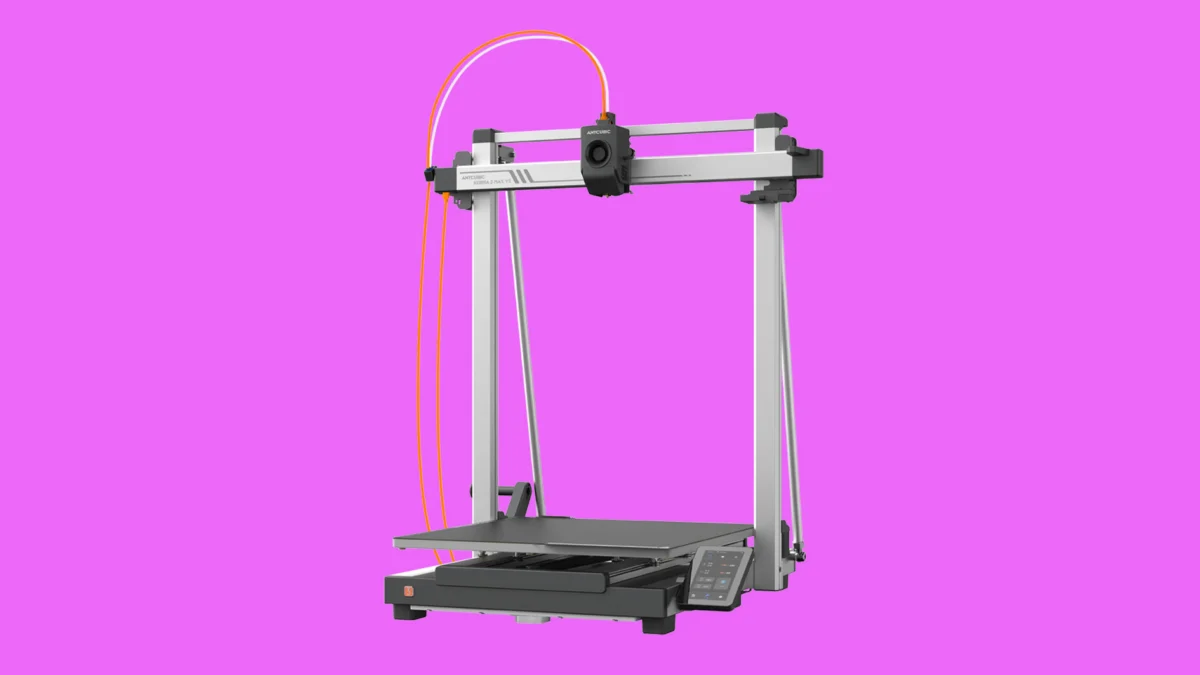
In the rapidly evolving world of additive manufacturing, size and color versatility have long been the twin pillars of professional-grade 3D printing. For hobbyists and small-scale entrepreneurs, these capabilities were historically gated behind significant financial barriers. However, the landscape shifted dramatically this week as Anycubic announced a staggering 50% discount on its flagship Kobra 3 Max Combo, bringing the price of its high-capacity, multi-color system down to just $574 from an original MSRP of $1,149.
This aggressive pricing strategy, labeled as clearance stock, represents one of the most significant value-for-money opportunities in the current consumer 3D printing market. As manufacturers clear inventory to make room for next-generation hardware, early adopters and power users are being presented with an unprecedented chance to acquire a machine that combines industrial-scale build volume with the sophisticated ease of multi-material printing.
Main Facts: A Titan of Desktop Fabrication
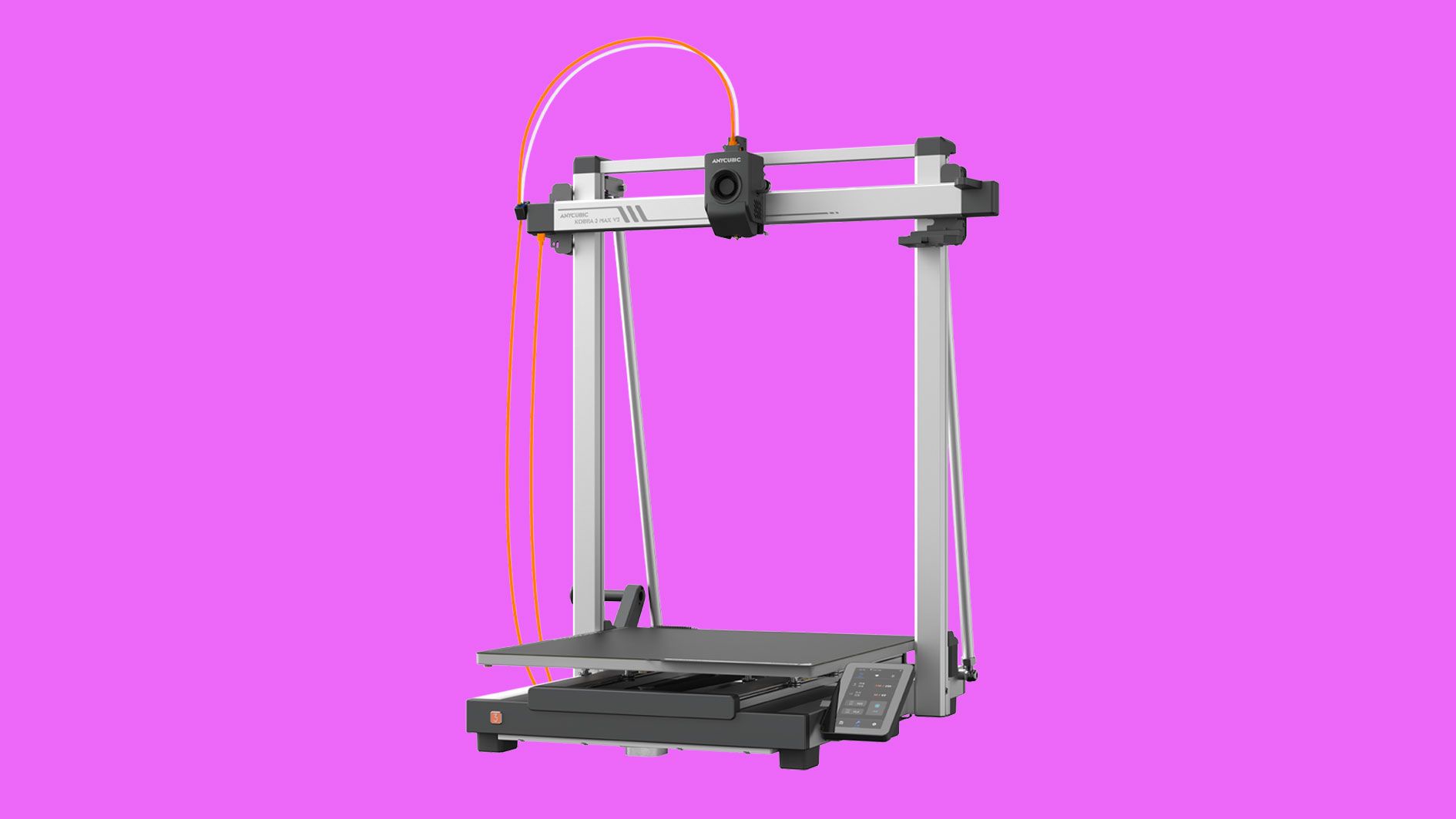
The Anycubic Kobra 3 Max Combo is not a machine intended for the casual desktop tinkerer looking to print small figurines; it is a workhorse designed for high-throughput, large-format production.
At the heart of the machine lies an expansive build volume of 420 x 420 x 500mm. This capacity allows users to print monolithic objects that would typically require slicing and assembly on smaller printers, such as full-sized cosplay helmets, functional furniture components, or large mechanical prototypes.
The "Combo" designation refers to the integration of the Kobra 3 Max with Anycubic’s proprietary ACE Pro (Anycubic Color Engine) filament unit. This peripheral allows for seamless, automated multi-color printing. By managing multiple filament spools simultaneously, the system can perform filament swaps mid-print, enabling creators to produce complex, vibrant models without the need for manual intervention or post-processing painting.
Technically, the machine boasts a maximum print speed of 600mm/s. While Anycubic advises a more conservative 300mm/s for standard operations to ensure print quality and structural integrity, the high-speed capability underscores the advanced motion system and thermal management embedded within the frame.
Chronology: The Evolution of the Kobra Series
The release and subsequent discounting of the Kobra 3 Max are part of a broader, rapid-fire release schedule by Anycubic that has defined the last 24 months of the 3D printing industry.
- Initial Development Phase: Following the success of the Kobra 2 series, which focused on speed, Anycubic shifted its R&D focus toward the "Max" line, responding to user demand for larger build plates capable of handling architectural and artistic projects.
- The Launch of the Kobra 3: Early in the product lifecycle, Anycubic introduced the base Kobra 3 to compete with high-speed competitors like Bambu Lab. The focus was on "plug-and-play" reliability and the introduction of the ACE Pro unit.
- Market Integration: Throughout the middle of the current year, the Kobra 3 Max was positioned as the premium "flagship" offering. Its arrival on the market was met with critical acclaim for its rigidity and the sheer volume it could displace in a single print cycle.
- The Clearance Announcement: As of this week, the shift in retail strategy has moved from premium pricing to clearance-based inventory reduction. This move is typical for hardware manufacturers preparing for a product refresh or a mid-cycle update, providing a window of opportunity for consumers to capture high-end technology at mid-range prices.
Supporting Data: Why Volume Matters
To understand the value of the Kobra 3 Max, one must look at the mathematical reality of print volume. A standard 220 x 220 x 250mm printer—the industry standard for "entry-level"—offers roughly 11,990 cubic centimeters of build space. The Kobra 3 Max, with its 420 x 420 x 500mm footprint, offers 88,200 cubic centimeters.
This is nearly an 8x increase in build volume. For a creative professional or a small business owner, this difference is transformative. It allows for:
- Reduced Assembly Time: Printing a part in one piece significantly increases its structural integrity compared to gluing together smaller, segmented prints.
- Batch Production: The ability to fit more parts on a single build plate reduces the frequency of manual labor required to remove prints and restart the machine, effectively increasing the "uptime" of the production line.
- Complexity Handling: The inclusion of the ACE Pro unit solves the historical bottleneck of material change-overs. In the past, multi-color printing required expensive, third-party hardware or tedious manual swaps. The integration of the ACE Pro directly into the Kobra workflow represents a matured ecosystem that lowers the technical threshold for the user.
Official Responses and Strategic Positioning
Anycubic’s marketing department has consistently billed the Kobra 3 Max Combo as the "largest consumer-grade multi-color 3D printer." While industry rivals have challenged the definition of "consumer-grade," the company stands by the claim based on the machine’s price-to-volume ratio.
In internal statements, representatives for Anycubic have emphasized that this clearance event is intended to put powerful tools into the hands of a wider demographic of designers. By lowering the entry price to $574, they are effectively undercutting competitors who offer significantly smaller build volumes at higher price points.
For the eight-color version, priced at $803, the company is targeting advanced users who require even greater color diversity, such as those working on complex, hyper-realistic character models or architectural renderings requiring distinct material properties.
Implications: The Impact on the 3D Printing Market
The sudden price drop of the Kobra 3 Max sends a clear signal to the 3D printing community: the market is becoming increasingly commoditized.
A Challenge to Competitors
For manufacturers like Creality, Prusa, and Bambu Lab, the Kobra 3 Max at this price point is a formidable competitor. It forces other companies to either match the price, innovate more aggressively, or highlight superior software support and reliability to justify higher premiums.
Accessibility for Small Businesses
The primary implication of this sale is the democratization of large-format printing. Small creative agencies, independent product designers, and engineering students can now access a tier of manufacturing capability that was previously reserved for university labs or industrial prototyping firms. This will likely lead to an influx of large-scale, high-complexity DIY projects in the coming months.
The "End-of-Life" Consideration
Prospective buyers must weigh the risks of purchasing "clearance" stock. While the hardware is undoubtedly robust, the move to clearance often implies that the manufacturer is winding down support or shifting focus to a newer model. Users should expect that while spare parts will remain available for the foreseeable future, the "newest" software features or firmware updates may eventually be prioritized for next-generation hardware.
Environmental and Design Considerations
As large-format printing becomes more accessible, the industry must also consider the environmental implications. Larger prints require more filament, leading to greater plastic waste if prints fail or are discarded. The professional-grade nature of the Kobra 3 Max, however, is designed to minimize these failures through automated calibration and high-quality extrusion systems, encouraging a more sustainable approach to production.
Conclusion: Is It Time to Buy?
For the dedicated hobbyist or the professional looking to expand their manufacturing capabilities, the Kobra 3 Max Combo at $574 is a rare "no-brainer" in the world of hardware technology. The combination of a massive 420mm+ print area and the convenience of an integrated multi-color system provides a level of creative freedom that is hard to match at this price point.
However, potential buyers should act with haste. Given that this is explicitly listed as clearance stock, supply is finite. Once the current inventory is depleted, it is unlikely that this price point will return for this specific model.
As we look toward the future of additive manufacturing, it is clear that the barrier to entry for large-scale, multi-color production has reached an all-time low. Whether this will lead to a surge in high-quality home manufacturing or simply clear the way for the next wave of printer innovation remains to be seen. For now, the Kobra 3 Max stands as a testament to how far consumer technology has come in a remarkably short time.
For those still on the fence, it is recommended to review the broader market offerings and ensure that their workspace can accommodate the significant footprint of this machine. If space and the drive for larger, more complex projects are present, this deal represents a milestone in the democratization of industrial-grade tools.


 Neng Nana
 Asep Darmawan
 Raul Delapena Setiawan
 Dwi Wanna
 Muslim
 Nana Wu

 Rifan Muazin