
 Pevita Pearce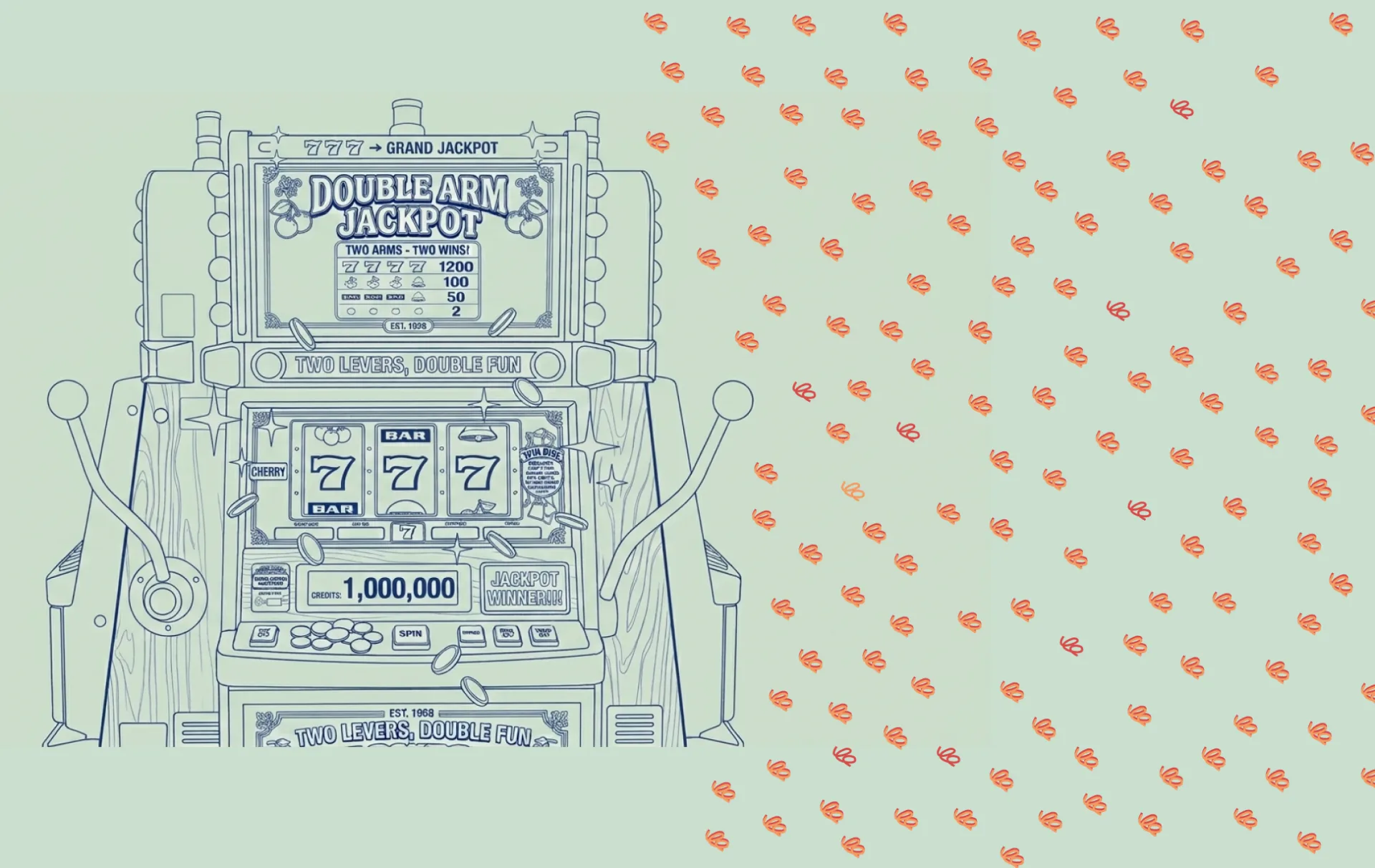
For decades, the concept of a machine that learns through experience—rather than explicit, line-by-line programming—was the exclusive domain of science fiction. Today, that chasm is closing. From the superhuman strategic prowess of Google DeepMind’s AlphaGo to the sophisticated fine-tuning mechanisms behind modern Large Language Models (LLMs), the technology is no longer theoretical; it is foundational. Yet, the roots of this revolution trace back to the late 1950s, a period when visionaries began formalizing the algorithms that would eventually become known as Reinforcement Learning (RL).
The Foundations: A Historical Chronology
While the term "Reinforcement Learning" may sound like a modern buzzword, its intellectual scaffolding was constructed during the post-war boom in computational theory.
The 1950s: The Genesis of Optimal Control
The history of RL begins in the area of optimal control. In the mid-1950s, researchers sought to design controllers for dynamic systems that could minimize costs or maximize performance over time. A pivotal figure here was Richard Bellman, who introduced Dynamic Programming. Bellman’s work provided a mathematical framework for decision-making under uncertainty, leading to foundational algorithms such as the Bellman-Ford and Floyd-Warshall methods. These algorithms were the first to formalize how a system could "solve" a problem by breaking it into smaller, manageable sub-problems.
The 1970s and 80s: Bridging Control and Learning
The intersection of optimal control, dynamic programming, and true machine learning did not fully materialize until the late 1970s. Paul Werbos, a seminal figure in neural networks, developed Heuristic Dynamic Programming, which hinted at the potential for neural architectures to approximate optimal policies. A decade later, Chris Watkins made the breakthrough that defined the modern era by integrating dynamic programming with "online" learning, giving birth to Q-learning—a cornerstone algorithm that remains in use today.
The 1990s to Present: Scaling Intelligence
In the mid-1990s, the field gained further rigor as Dimitri Bertsekas and John Tsitsiklis coined the term "neuro-dynamic programming," successfully merging neural networks with dynamic programming. This set the stage for the explosion of RL in the 21st century, enabling systems to tackle high-dimensional environments, from complex robotics to the strategic complexity of board games like Go.
Understanding the RL Paradigm
At its core, Reinforcement Learning is a unique subset of Machine Learning. Unlike Supervised Learning, which relies on static, labeled datasets, or Unsupervised Learning, which seeks hidden patterns, RL is an interactive, closed-loop process.
Key Characteristics
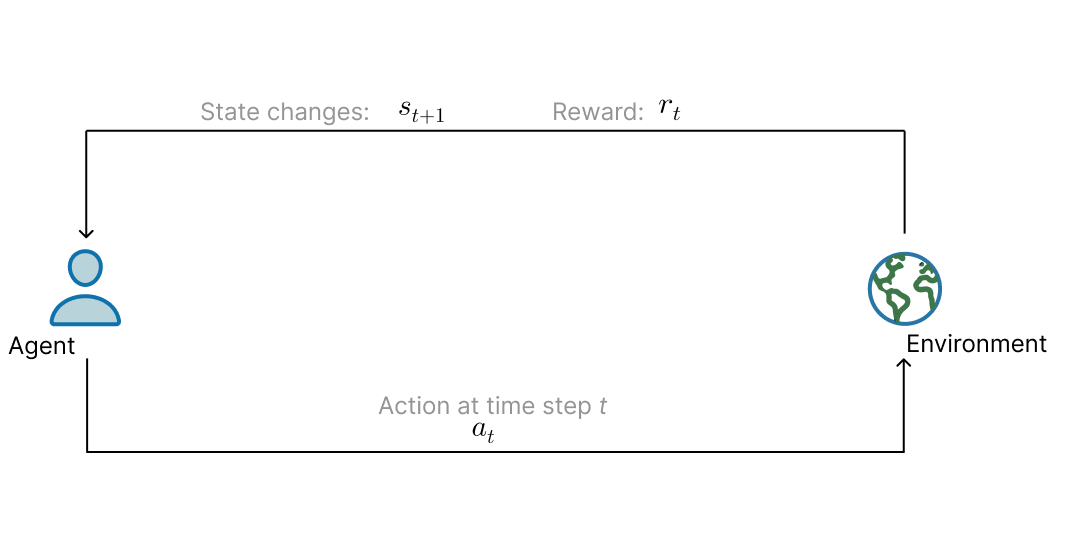
- Closed-Loop Systems: An RL agent exists within an environment. Every action the agent takes alters the state of that environment, which in turn influences the agent’s future inputs.
- Trial-and-Error Learning: Agents are not provided with a "correct" manual. They must discover optimal strategies by interacting with the world and receiving feedback in the form of rewards or penalties.
- Delayed Consequences: Actions taken in the present may not reveal their full utility until much later. This "credit assignment problem" is a defining challenge of the field.
The Exploration vs. Exploitation Dilemma
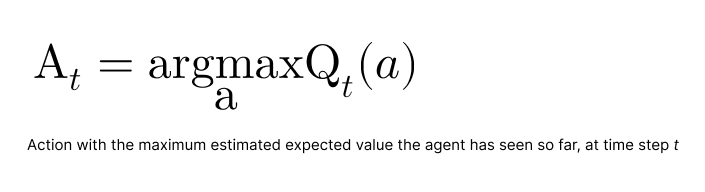
Perhaps the most distinctive feature of RL is the trade-off between exploration and exploitation. To maximize rewards, an agent must prefer actions it has found to be effective in the past (exploitation). However, to discover these effective actions, it must occasionally try choices it has never selected before (exploration). Finding the balance is the "Holy Grail" of RL agent design.
Components of an RL System
To formulate an RL algorithm, one must define several critical components:
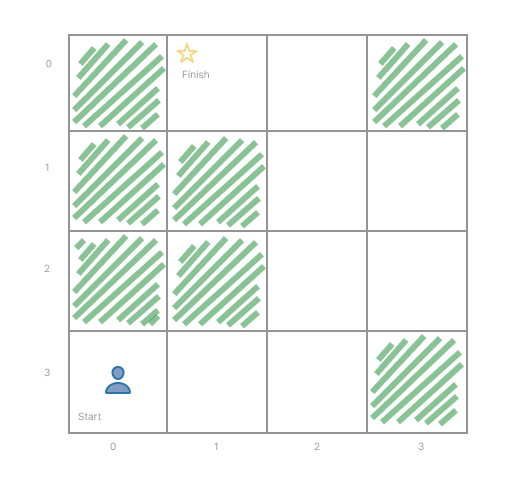
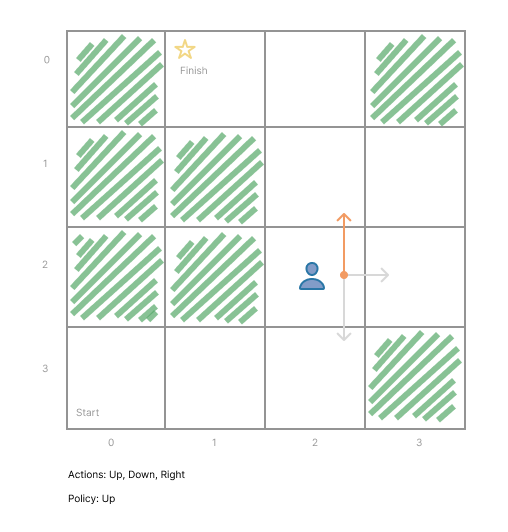
- The State (S): The representation of the environment at any given time.
- The Action (A): The set of all possible moves available to the agent in a given state.
- The Policy (π): The "rule book" the agent follows to map states to actions.
- The Reward Signal (R): The immediate feedback (positive or negative) received after an action.
- The Value Function (V): A long-term estimate of the rewards an agent can expect to accumulate starting from a specific state.
While a greedy agent focuses only on immediate, high-value rewards, a sophisticated agent looks at the long-term cumulative value, ensuring that a short-term penalty doesn’t prevent a long-term triumph.
The Multi-Armed Bandit: A Case Study in Strategy
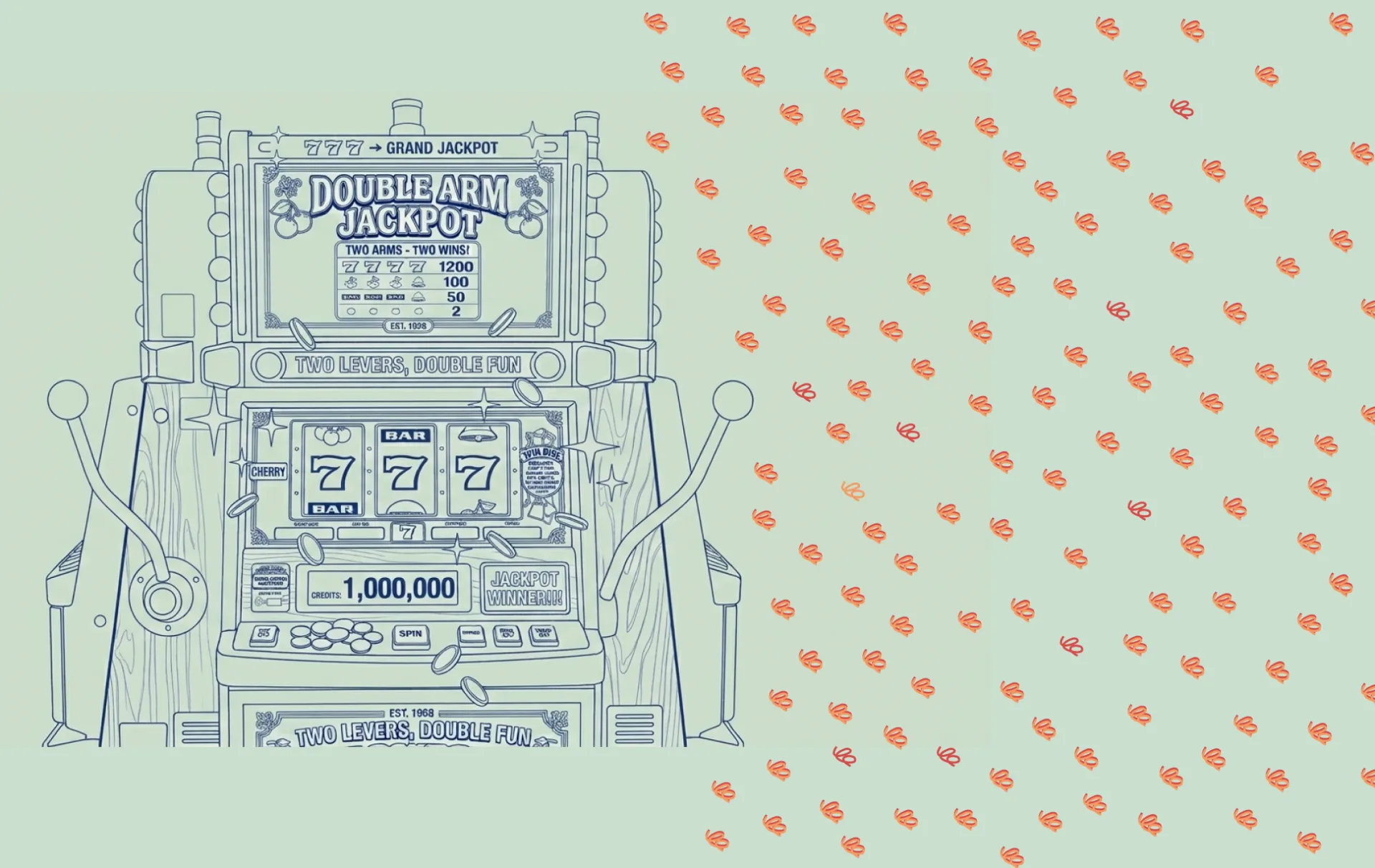
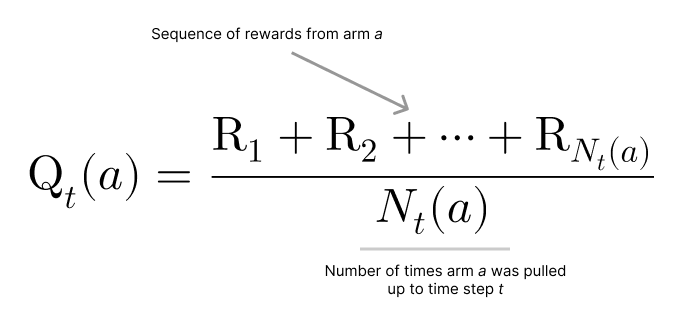
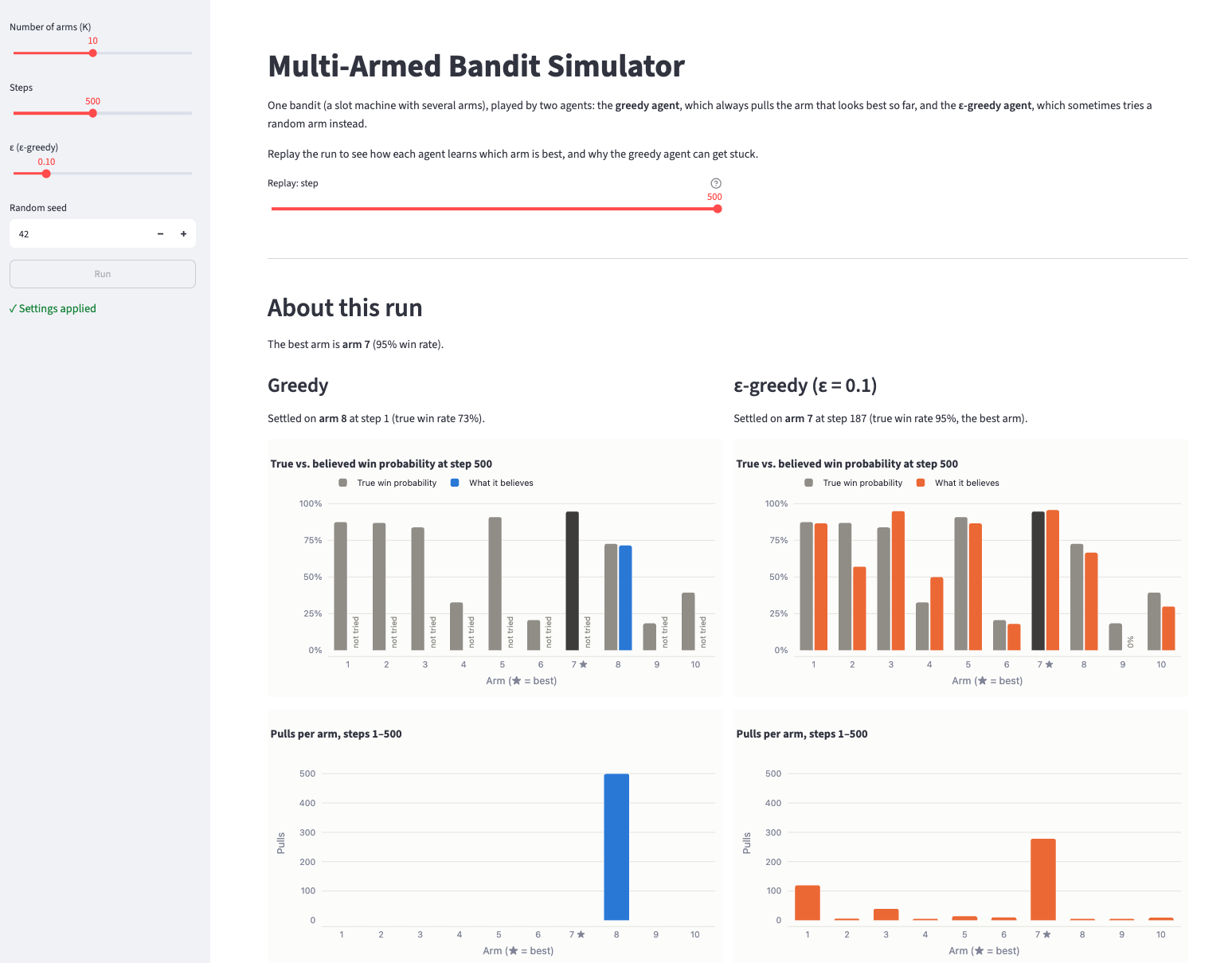
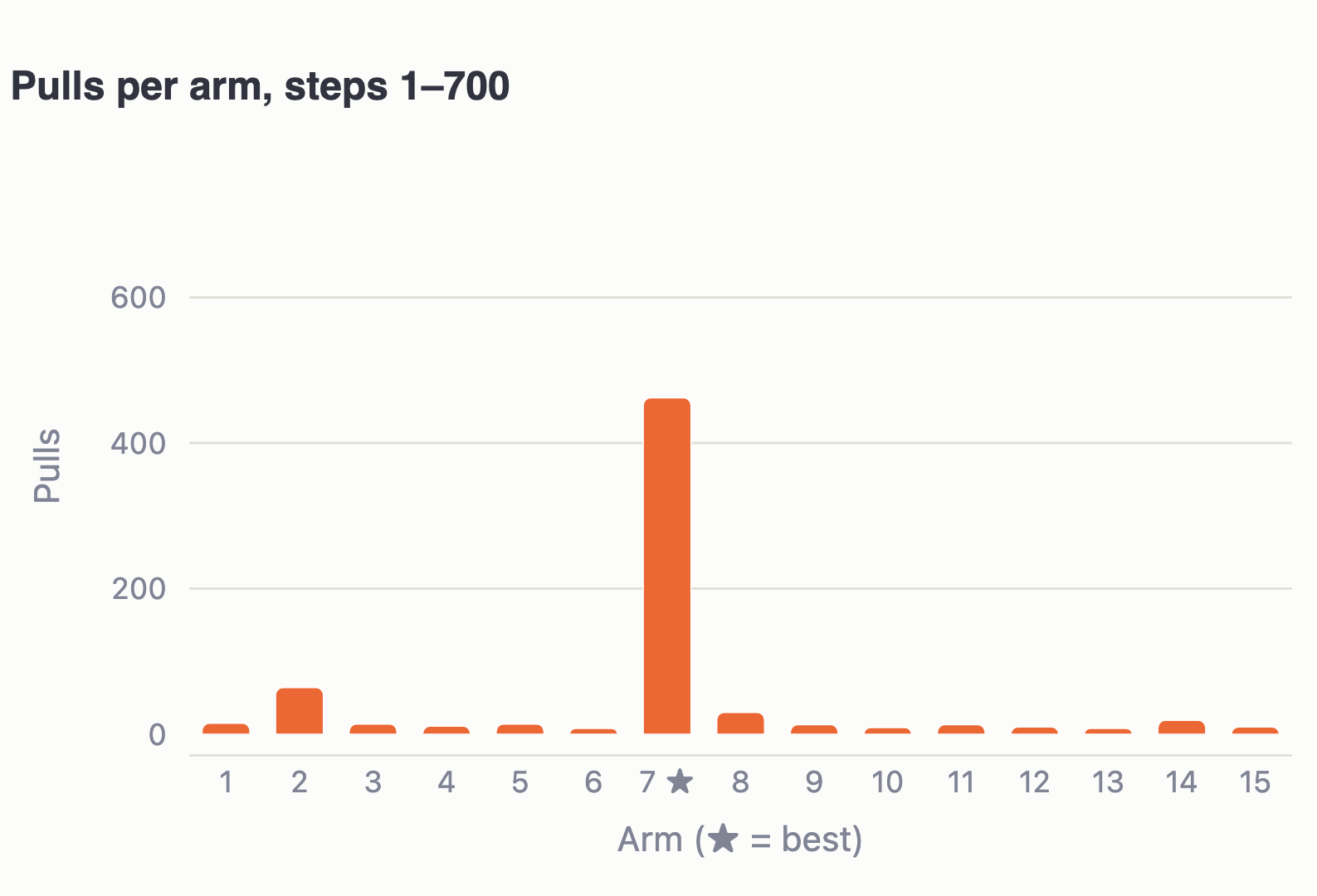
To visualize these concepts, researchers often look to the multi-armed bandit problem. Imagine a gambler facing a row of slot machines (the "arms"). Each machine has a different, unknown probability of paying out. The gambler’s goal is to maximize their total winnings over a series of pulls.
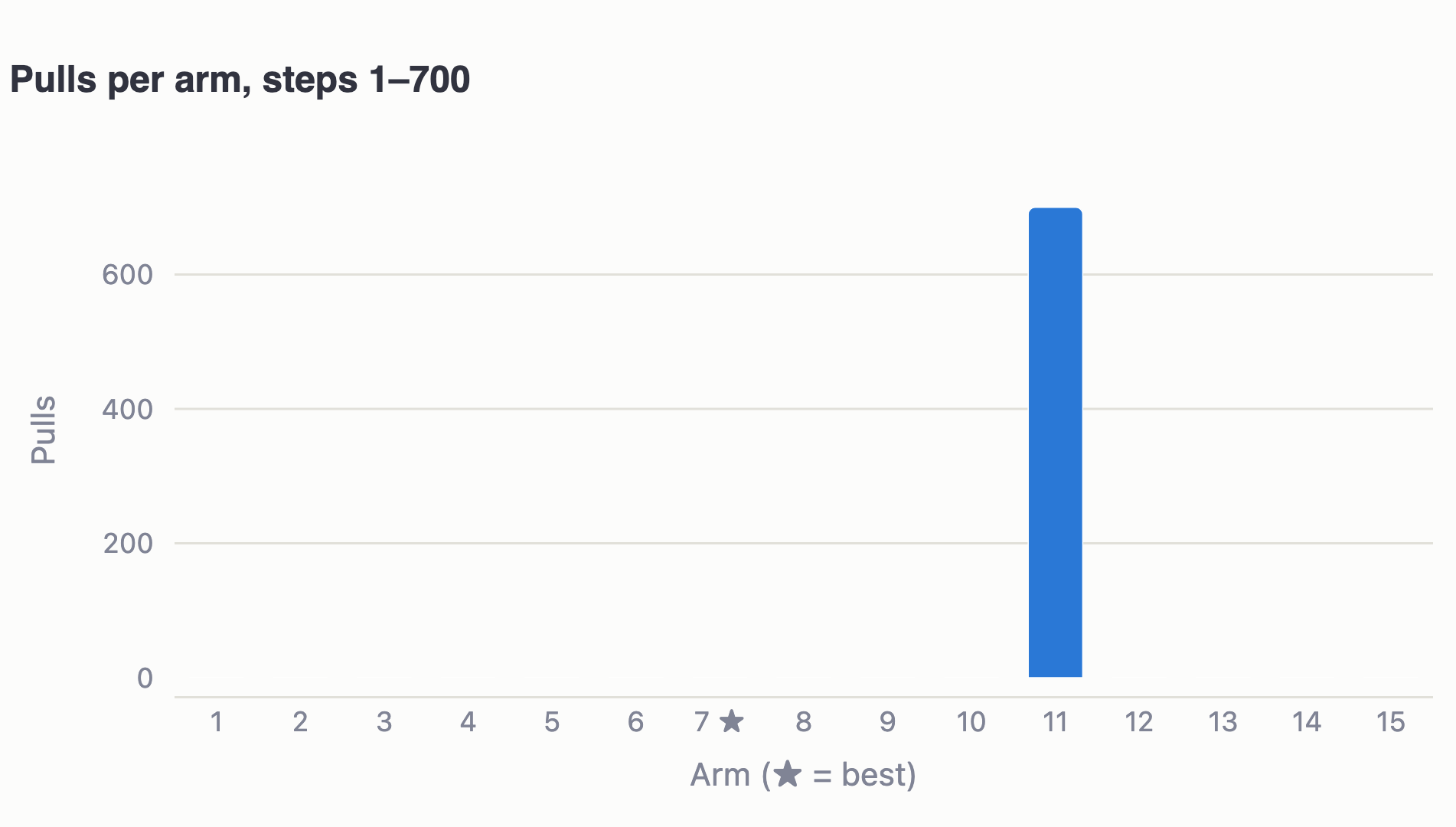
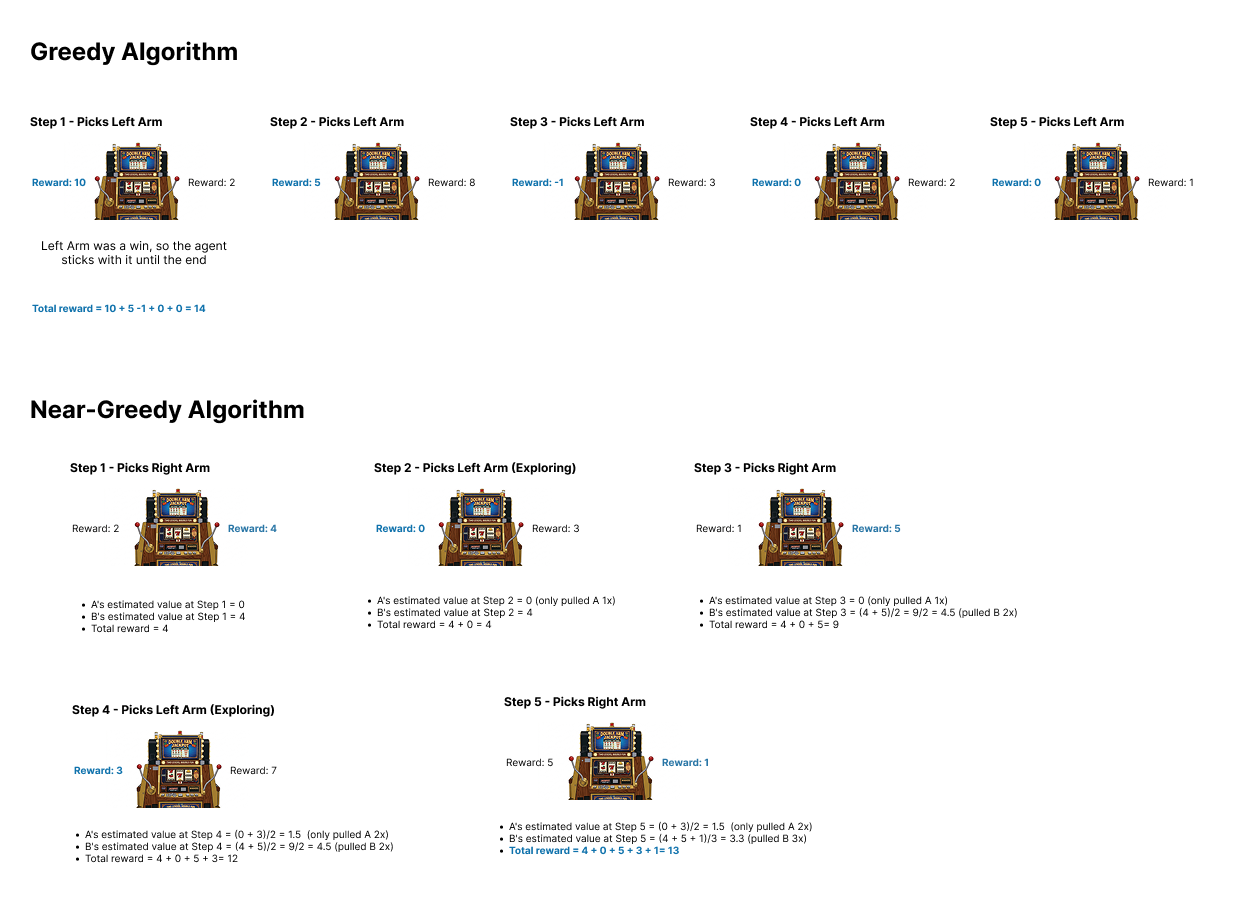
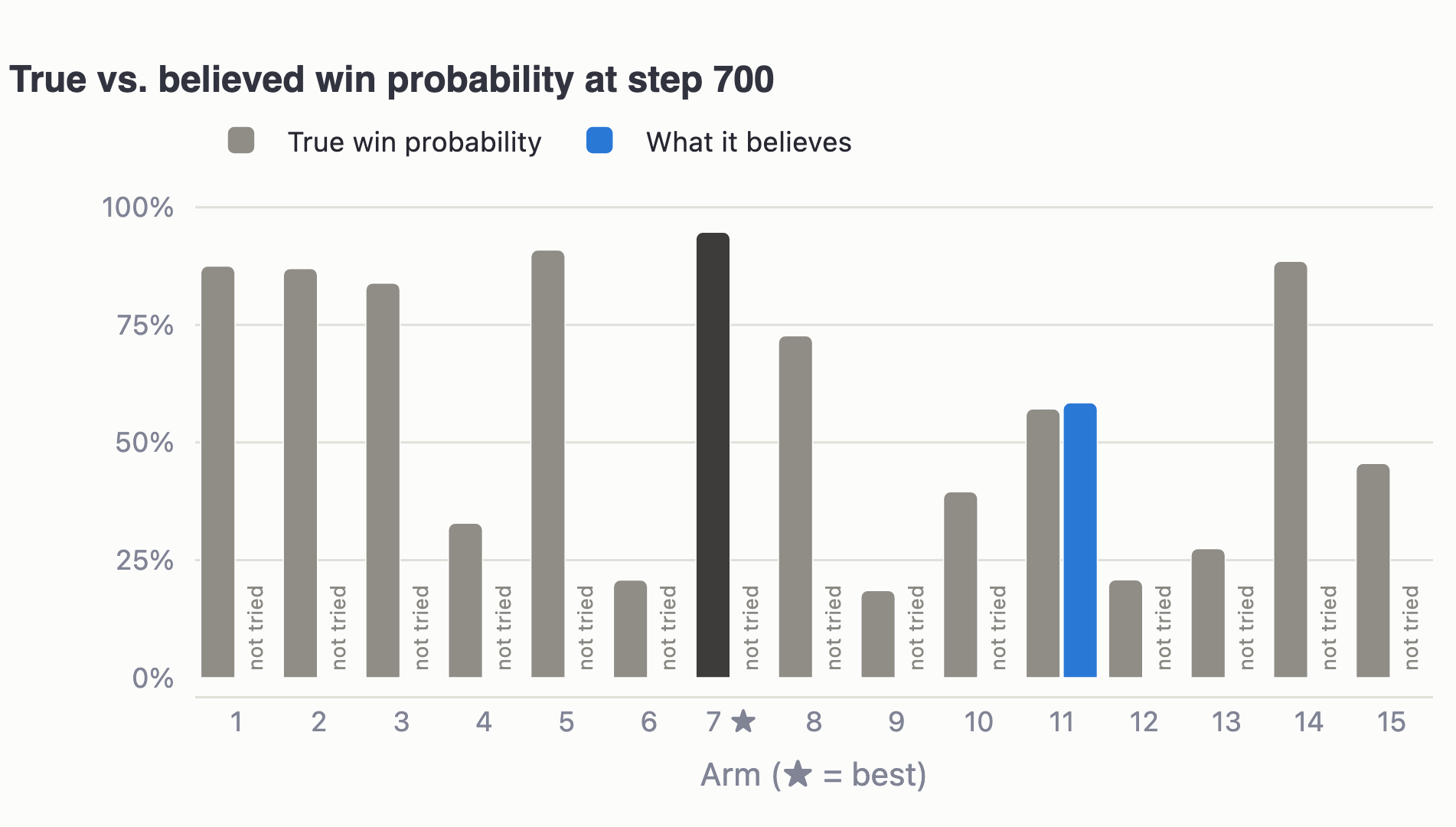
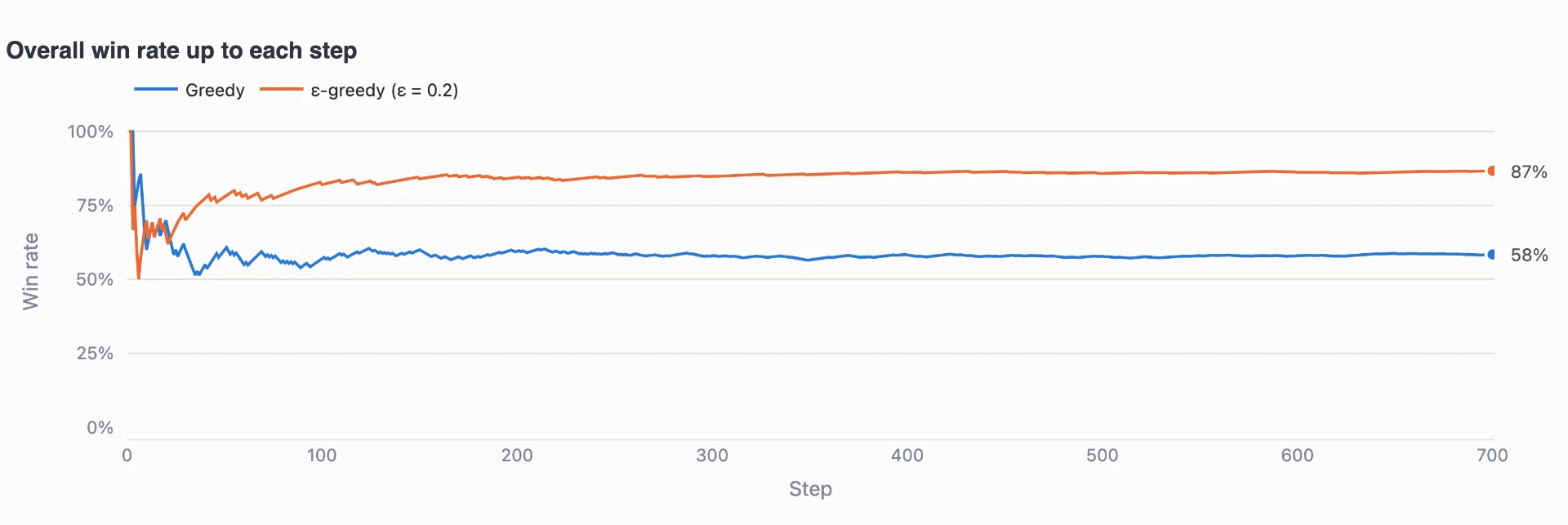
- The Greedy Approach: The agent picks an arm, wins, and concludes that this arm is the best. It then pulls that same arm indefinitely. If it was lucky on the first pull, it succeeds. If it was unlucky, it stays "locked in" to a losing strategy.
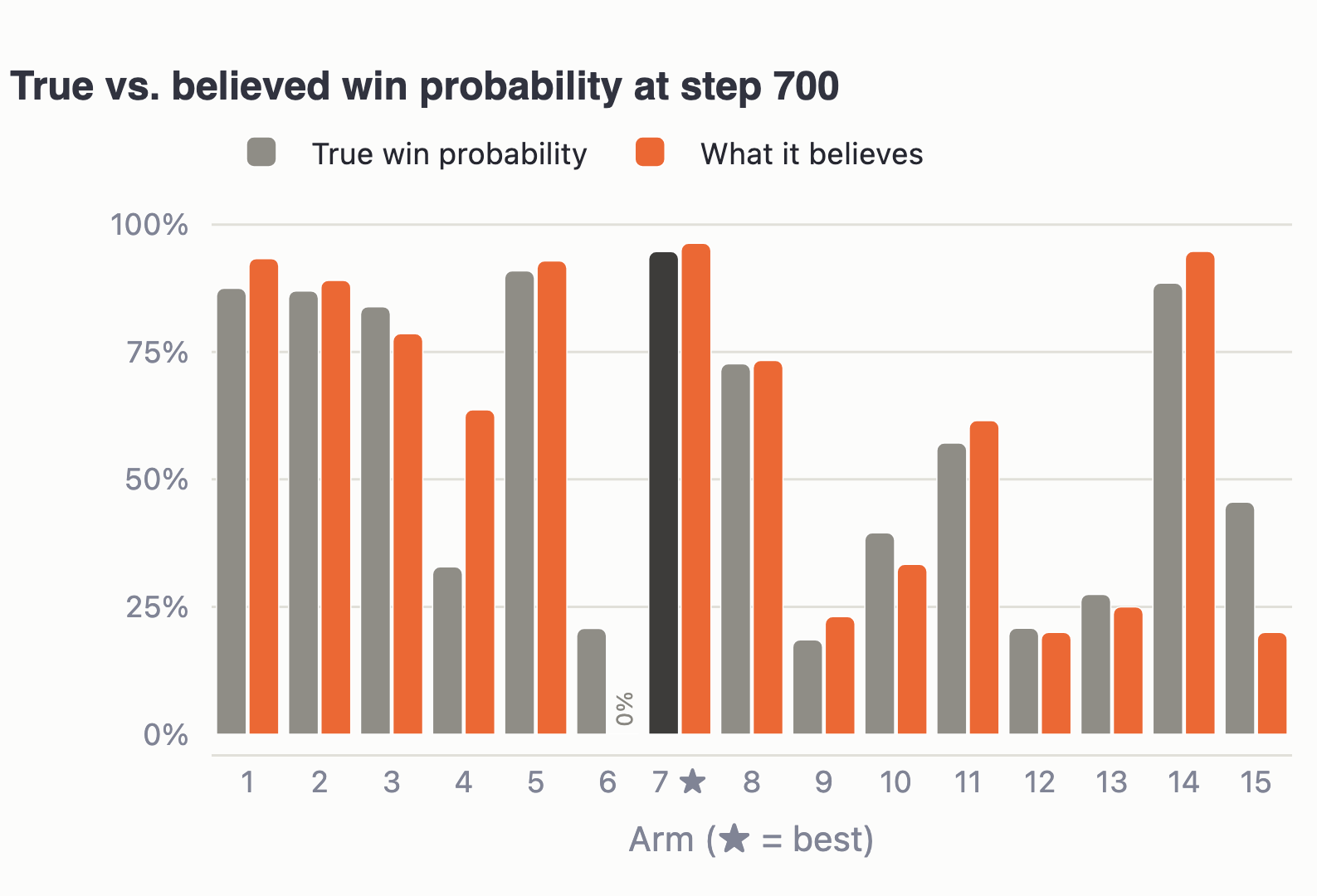
- The Near-Greedy (Epsilon-Greedy) Approach: The agent occasionally "explores" other arms with a probability of epsilon (e.g., 10% of the time). While it may suffer short-term losses, it gains crucial data about the other machines, allowing it to eventually identify the truly superior arm and maximize long-term profit.
Simulation data consistently proves that the near-greedy approach outperforms the greedy approach in non-trivial environments. In a 700-step simulation, a greedy agent might settle for a 58% win rate, while a near-greedy agent, through strategic exploration, can achieve upwards of 87%.
Implications and Industry Impact
The implications of this technology are profound. Beyond slot machines and game boards, RL is currently:
- Driving Robotics: Enabling machines to learn complex motor skills, such as walking or object manipulation, through simulated practice.
- Optimizing Resource Allocation: Used in data centers to manage cooling and power consumption, as well as in finance for dynamic pricing models.
- Refining AI Models: As noted by current research, Reinforcement Learning from Human Feedback (RLHF) is the secret sauce behind the conversational coherence of modern LLMs, allowing models to align their outputs with human preferences.
Conclusion: The Horizon of Autonomous Learning
Reinforcement Learning is far more than a set of algorithms; it is a fundamental approach to solving the problem of intelligence. By enabling machines to navigate uncertainty and learn from the consequences of their own actions, we are building systems that do not merely mirror human knowledge but actively expand upon it through experience.
While we have only scratched the surface of what is possible, the trajectory is clear. As compute power grows and algorithms become more efficient, the line between machine "training" and machine "learning" will continue to blur, ushering in a future where autonomous agents are standard in every sector of the global economy.
References
- Google Cloud. "What is Reinforcement Learning?" Cloud Architecture Center.
- Sutton, R. S., & Barto, A. G. (2018). Reinforcement Learning: An Introduction. MIT Press.
- Kober, J., Bagnell, J. A., & Peters, J. (2013). "Reinforcement Learning in Robotics: A Survey." The International Journal of Robotics Research.
- Ouyang, L., et al. (2022). "Training language models to follow instructions with human feedback." OpenAI.
- Silver, D. (2015). "Lecture 1: Introduction to Reinforcement Learning." UCL Course on RL.
- Lattimore, T., & Szepesvári, C. (2020). Bandit Algorithms. Cambridge University Press.
- Schulman, J., et al. (2017). "Proximal Policy Optimization Algorithms." OpenAI.

 Nana Wu
 Asro
Asro
 Laily UPN
 Iffa Jayyana
 Rifan Muazin
 Suro Senen
 Lina Hope
 Lina Irawan