
 Jia Lissa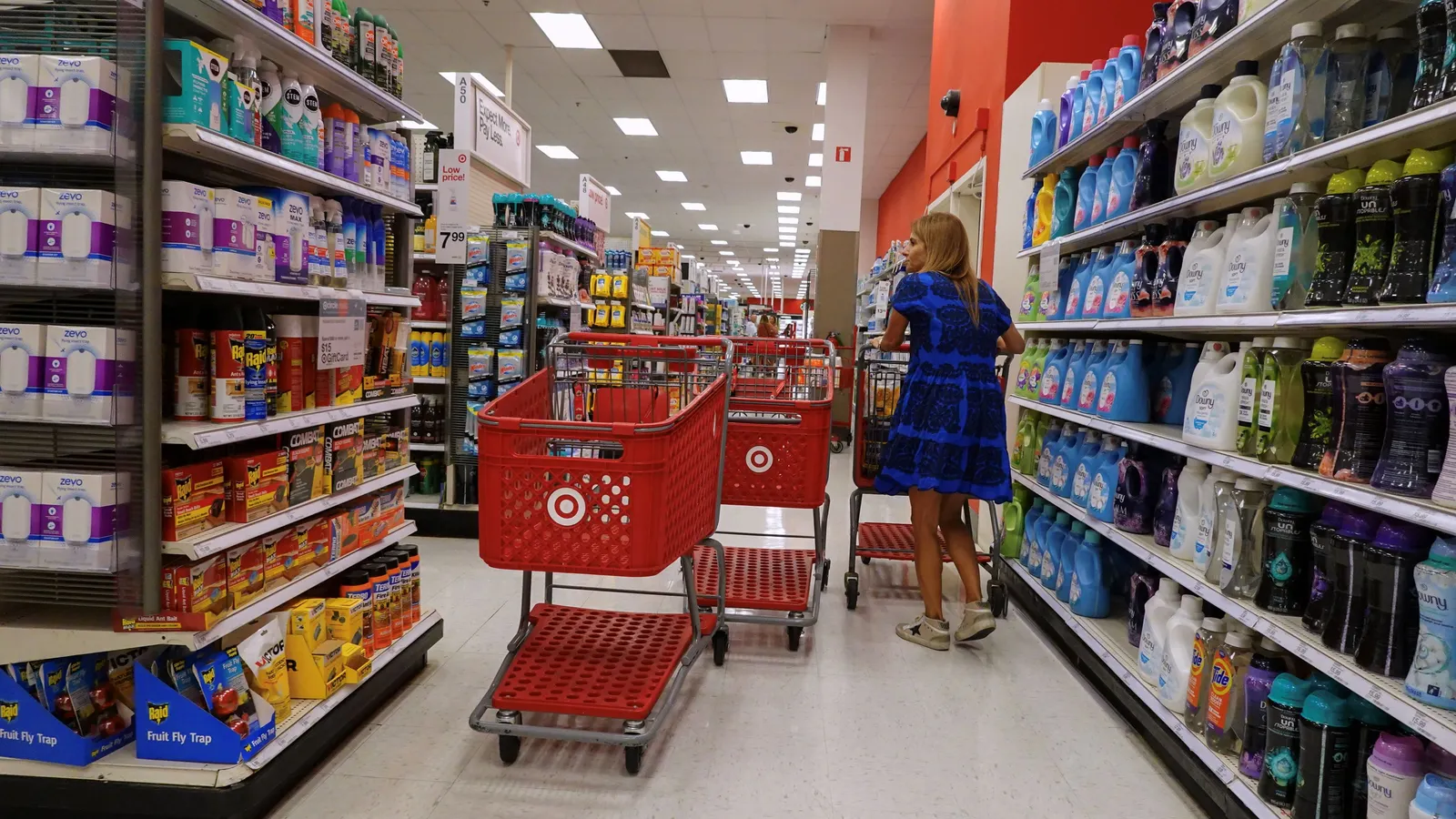
By Max Garland | Supply Chain Dive | Published August 24, 2026
As the back-to-school shopping season hits its zenith, Target is putting its revamped supply chain infrastructure to the ultimate test. In a concerted effort to move past historical inventory bottlenecks, the retail giant has deployed a sophisticated combination of proactive logistics planning and next-generation digital modeling to ensure that when customers walk into a store, the items they need are waiting on the shelves.
According to Chief Operating Officer Lisa Roath, Target has spent the last several months laying the groundwork for this period, explicitly prepositioning inventory and securing dedicated trailer capacity to mitigate the risks of demand spikes. This operational shift reflects a broader, long-term corporate mandate to transform inventory reliability from a recurring friction point into a sustainable competitive advantage.
The Core Strategy: Prepositioning and Precision
Target’s recent operational maneuvers are defined by a move away from reactive fulfillment toward predictive logistics. By strategically positioning high-demand back-to-school merchandise closer to the point of consumption—well before the peak of the shopping rush—the retailer is minimizing the "last-mile" stress that often leads to stockouts and customer frustration.
The decision to secure dedicated trailer capacity is a significant hedge against the volatility of the third-party logistics (3PL) market. By locking in these assets, Target ensures that its flow of goods remains uninterrupted, even when capacity constraints tighten across the broader transportation sector. This move serves as a buffer, ensuring that the company maintains control over its inventory flow rather than being subject to the price and availability whims of the spot market.
A Chronology of Target’s Supply Chain Transformation
The current focus on inventory health is not an isolated initiative; it is the culmination of a multi-year turnaround plan aimed at modernizing Target’s entire retail ecosystem.
- Early 2024: Target begins intensive audits of its store-level fulfillment capabilities, identifying persistent gaps in inventory accuracy that have historically hindered growth.
- May 2026: In a pivotal leadership move, Target appoints former Walmart executive Jeff England as Executive Vice President and Chief Global Supply Chain and Logistics Officer. This appointment signals an aggressive shift toward a more disciplined, data-driven approach to global logistics.
- August 13, 2026: Target unveils "Proxima," a proprietary digital twin technology designed to model middle-mile inventory positioning. This announcement marks a turning point in how the retailer simulates supply chain outcomes.
- August 24, 2026: COO Lisa Roath confirms that the combination of improved inventory management and advanced digital simulation has led to measurable gains in product availability during the high-stakes back-to-school season.
Digital Twins: The "Proxima" Advantage
The most significant technological pillar in Target’s current strategy is the deployment of Proxima. As supply chains grow increasingly complex, the ability to predict the downstream effects of a single logistical decision has become the "Holy Grail" for major retailers.
Proxima functions as a digital twin—a virtual replica of Target’s middle-mile inventory network. By simulating how inventory moves between distribution centers and retail stores, the platform allows planners to run "what-if" scenarios. Before a physical order is placed or a truck is dispatched, the team can analyze how that decision might impact store-level availability, transportation costs, and labor requirements.
"Proxima helps us more efficiently evaluate inventory processes between our buildings and stores," Roath noted. "It gives our teams a way to quickly understand potential downstream impacts, learn faster, and make inventory decisions with greater confidence."
This tool represents a shift from "experience-based" logistics to "evidence-based" logistics. By reducing the margin for human error, Target is effectively narrowing the gap between its forecasting models and the reality of consumer demand.
Supporting Data: The Quest for Consistency
While Target remains guarded regarding specific granular inventory metrics, the qualitative data points toward a significant improvement in the customer experience. The primary success metric for the retailer is "trip completion"—the percentage of shoppers who leave a store with all the items they originally intended to purchase.
Target reports that recent gains in inventory reliability have led to a higher rate of successful shopping trips. By ensuring that staples and seasonal items are consistently in stock, the company is rebuilding the consumer trust that was tested during previous periods of volatility.

Furthermore, the expansion of fulfillment speed is a clear indicator of a healthier supply chain. In the second quarter of 2026, Target fulfilled nearly 30% more same-day and next-day delivery units compared to the same period in 2025. This surge in speed is not merely a marketing metric; it is an indicator that inventory is being stored in the right places, allowing the company to leverage its stores as hyper-local distribution hubs.
Official Responses and Internal Outlook
The leadership team at Target is keenly aware that while the current metrics are encouraging, the task is far from complete. Lisa Roath has been candid about the path ahead, acknowledging that the goal is not just a seasonal win, but a fundamental change in the company’s DNA.
"We have more work to do," Roath admitted. The executive team is focusing on "greater consistency across all stores and all categories." This language signals that Target is moving away from a one-size-fits-all inventory strategy and toward a model that tailors stock levels based on localized demand patterns, store capacity, and regional demographic preferences.
The integration of Jeff England—whose pedigree comes from the "gold standard" of supply chain efficiency at Walmart—is viewed internally as a validation of this new, more rigorous operational culture. The focus has shifted from mere "availability" to "optimized availability," where the cost of holding inventory is balanced against the revenue gains of never missing a sale.
Implications for the Future of Retail
Target’s recent actions provide a roadmap for the future of large-scale retail. The implications of this strategy are threefold:
1. The Death of Reactive Logistics
Retailers can no longer afford to "wait and see" when it comes to seasonal demand. The necessity of prepositioning inventory, even at the cost of higher short-term warehousing expenses, is now recognized as a prerequisite for protecting brand loyalty.

2. The Rise of Simulation-Driven Decision Making
The success of Proxima will likely trigger a wave of investment in digital twins across the retail sector. As AI and machine learning continue to evolve, the ability to model complex supply chain networks in a virtual environment will separate the retail leaders from those struggling with inefficient, siloed systems.
3. The Store as a Fulfillment Engine
Target’s commitment to increasing delivery speeds highlights that the brick-and-mortar store is no longer just a place to shop—it is the central node of a hybrid distribution network. By investing in the supply chain to support same-day and next-day delivery, Target is effectively turning every store into a mini-distribution center, creating a flywheel effect where physical presence drives digital efficiency.
Conclusion: A Resilient Path Forward
As Target navigates the remainder of 2026, the success of its inventory initiatives will be closely watched by analysts and competitors alike. The transition from a company struggling with in-stock reliability to one utilizing cutting-edge digital twins to manage complex flows is a testament to the power of strategic investment in infrastructure.
The challenges of global supply chain disruptions, changing consumer habits, and rising operational costs are not going away. However, by prioritizing inventory health, investing in high-level logistical talent, and embracing the simulation capabilities of the digital age, Target is positioning itself to be not just a retailer, but a supply chain powerhouse capable of meeting the demands of the modern consumer with precision and consistency.
The back-to-school season serves as the testing ground, but the implications of these changes are designed to endure well into the future, cementing Target’s status as a leader in the next generation of retail.

 Sagoh
Sagoh
 Ali Ikhwan
 Raul Delapena Setiawan
 Reynand Wu


 Azzam Bilal Chamdy
