Ammar Sabilarrohman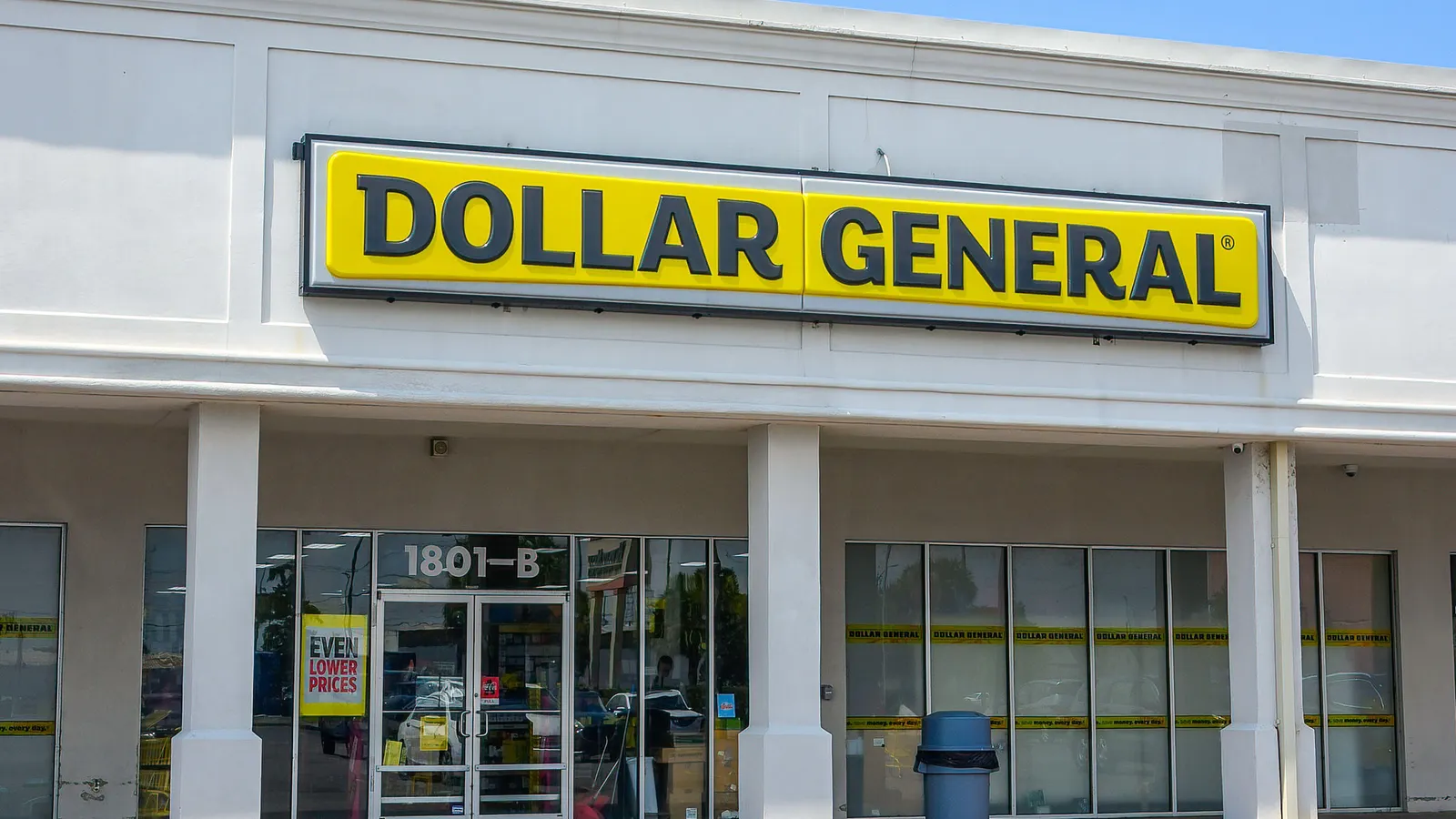
By Kelly Stroh | Published August 31, 2026
In an era where retail agility is the ultimate currency, Dollar General, the titan of the American discount retail landscape, has officially embarked on a transformative journey to modernize its supply chain architecture. By integrating Relex Solutions’ advanced artificial intelligence platform, the retailer is moving to unify its massive operational footprint—comprising 21,000 storefronts and 34 distribution centers—under a single, intelligent data umbrella. This strategic pivot marks a significant milestone in Dollar General’s ongoing initiative to leverage automation to combat rising operational costs and shifting consumer demand patterns.
The Core Objective: Unifying a Massive Network
For a retail giant of Dollar General’s magnitude, the complexity of inventory management cannot be overstated. Managing millions of SKUs across thousands of locations requires a delicate balance of precision and speed. The partnership with Relex Solutions is designed to replace fragmented, legacy planning processes with a streamlined, AI-driven ecosystem.
The core of this implementation focuses on end-to-end synchronization. By integrating forecasting, replenishment, and allocation into a centralized environment, Dollar General aims to eliminate "data silos"—instances where distribution centers and retail stores operate on different demand assumptions. Under the new system, real-time sales patterns, local demand factors, and regional trends will be synthesized into a single source of truth, allowing the company to make more informed decisions regarding lead times, supplier coordination, and fulfillment methods.

A Chronology of Strategic Evolution
Dollar General’s move toward high-tech supply chain management did not happen in a vacuum. It is the result of a multi-year effort to refine operations in an increasingly volatile retail environment.
- Early 2025: Dollar General signals an internal pivot toward "agentic" operating systems, emphasizing the need for workflows that can autonomously handle routine tasks to free up human talent for high-level strategy.
- Late 2025 – Early 2026: Following successful pilot programs, the executive team identifies supply chain replenishment as the highest-impact area for AI integration.
- August 27, 2026: During the Q2 2027 earnings call, CEO Todd Vasos publicly confirms the company’s commitment to scaling AI throughout the enterprise.
- August 27, 2026: Relex Solutions officially announces the partnership, outlining the scope of the implementation across the retailer’s vast North American network.
- Future Outlook (2027 and beyond): As the platform goes live across the network, the retailer expects to see measurable reductions in both stockouts and excess inventory, with full operational integration slated for the coming fiscal periods.
Supporting Data and the "Agentic" Shift
The shift toward AI is not merely a technical upgrade; it is a defensive and offensive business strategy. According to statements made by CEO Todd Vasos during the August 27 earnings call, the retailer is actively building "agentic operating systems." In the context of modern logistics, these systems act as autonomous agents that can monitor inventory levels, adjust for supply chain disruptions, and communicate with suppliers without constant manual intervention.
This is critical for a business model that relies on high-volume, low-margin transactions. When an item is out of stock, the revenue loss is immediate; when an item is overstocked, it ties up capital and occupies valuable shelf space. By embedding demand factors directly into the replenishment algorithm, the Relex platform aims to optimize the "flow of goods," ensuring that the right products reach the right stores at the right time.
Official Perspectives: The Executive View
Jeff Vaughan, SVP of global inventory management at Dollar General, highlighted the functional shift in a recent press statement. "The platform brings forecasting, replenishment, and allocation planning into a single environment, giving our teams greater visibility across the network," Vaughan noted. This visibility is the "holy grail" of supply chain management—the ability to see the lifecycle of a product from the supplier’s warehouse to the customer’s shopping cart.

CEO Todd Vasos reinforced this during the earnings call, framing the AI adoption as a primary lever for long-term efficiency. "While we are still early in our AI journey," Vasos stated, "we are building agentic operating systems for the enterprise focused on reshaping and optimizing our workflows to improve productivity throughout the organization." The message to investors is clear: Dollar General is not just trimming costs; it is re-engineering its operational DNA to remain competitive in a landscape dominated by e-commerce giants and changing consumer habits.
Implications for the Broader Retail Landscape
Dollar General is far from the only retail entity turning to advanced AI to solve the "last mile" and "middle mile" problems. The broader retail sector is currently witnessing a trend toward centralized, data-driven planning as a response to the post-pandemic supply chain hangover.
The Relex Effect
Other major retailers are following similar blueprints:
- Lowe’s: In April 2026, the home improvement giant announced an expansion of its Relex partnership, specifically aiming to unify inventory planning and replenishment, with a target of full implementation by early 2027.
- United Natural Foods, Inc. (UNFI): The wholesale distributor has been aggressive in its AI rollout, implementing inventory planning across 12 distribution sites to stabilize its vast food distribution network.
- Guitar Center: The retailer successfully utilized Relex to reduce stockouts and optimize inventory for specialized goods, proving that AI benefits are not limited to high-volume consumables.
Competitive Pressure and Operational Resilience
For Dollar General, the implications of this implementation are profound. By digitizing its supply chain, the company is insulating itself against common retail pitfalls:

- Inflationary Pressures: AI-driven optimization helps identify cost-saving opportunities in transportation and storage, mitigating the impact of rising logistics costs.
- Inventory Accuracy: The reduction of manual planning errors ensures that capital is not wasted on underperforming inventory.
- Scalability: With 21,000 stores, the ability to manage the network centrally means the company can scale further without a linear increase in administrative headcount.
The Path Forward: Challenges and Opportunities
While the transition to AI-driven logistics offers a clear path toward profitability, it is not without its challenges. The primary hurdle remains the integration of legacy systems with modern cloud-based AI. Retailers often struggle with "data hygiene"—the process of ensuring that the data fed into the AI is accurate, timely, and clean.
Furthermore, there is the human element. Moving to an "agentic" workflow requires significant change management. Employees who were once responsible for manual ordering and replenishment must now become "system operators" and analysts, interpreting the insights provided by the AI rather than performing the manual labor of data entry.
However, the upside is substantial. As Dollar General continues its digital evolution, the company is positioning itself to be more than just a discount retailer; it is evolving into a technology-forward enterprise capable of responding to the hyper-local needs of its millions of customers.
Conclusion
The partnership between Dollar General and Relex Solutions serves as a definitive case study in the modern retail transformation. By prioritizing visibility, synchronization, and intelligent automation, Dollar General is taking the necessary steps to secure its dominance in the discount retail space. As the platform moves toward full integration, the industry will be watching closely to see how these "agentic" systems handle the complexities of the 2027 holiday season and beyond. For the consumer, this likely means better product availability and more consistent experiences, while for the company, it represents a crucial transition from reactive logistics to proactive, intelligent supply chain management.

 Sagoh
Sagoh
 Ali Ikhwan
 Raul Delapena Setiawan
 Reynand Wu

 Azzam Bilal Chamdy