
 Nana
Nana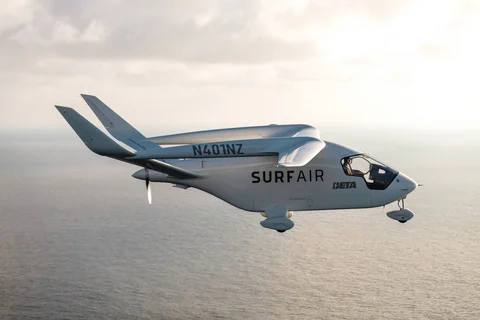
In a landmark development for sustainable aviation, Surf Air Mobility and BETA Technologies have officially inaugurated an electric aircraft demonstration program in Hawaii. The initiative, which aims to bridge the gap between experimental electric flight and reliable commercial service, is bolstered by the strategic participation of Hawaiian Airlines—now part of the Alaska Air Group. By leveraging the unique geography of the Hawaiian archipelago, the partners are positioning themselves at the vanguard of a global shift toward zero-emission regional air travel.
Main Facts: A Collaborative Blueprint for the Future
The program, which commenced on June 25 at the Charles I. Elliott Maintenance and Cargo Facility at Daniel K. Inouye International Airport, centers on the deployment of BETA Technologies’ ALIA CTOL (Conventional Take-Off and Landing) electric aircraft. This flight campaign, scheduled to span six to eight weeks, is designed to stress-test the operational, economic, and infrastructure requirements necessary to integrate electric aircraft into Hawaii’s complex interisland network.
The collaboration represents a synergistic fusion of three distinct pillars of the aviation industry:
- Technology Development: BETA Technologies provides the ALIA electric platform, a marvel of modern aerospace engineering designed to minimize carbon footprints while maintaining high-performance standards.
- Operational Expertise: Surf Air Mobility, through its subsidiary Mokulele Airlines—the largest commuter network in Hawaii by number of airports served—brings decades of experience in high-cadence, short-haul regional flight.
- Strategic Infrastructure and Integration: Hawaiian Airlines provides the critical logistical support, sharing deep insights into cargo and passenger route requirements, facilitating community engagement, and offering guidance on regulatory and airport-specific feasibility assessments.
The project is further enhanced by the use of SurfOS, a proprietary software suite developed by Surf Air Mobility to manage the complex variables of regional air travel, including demand forecasting and operational scheduling, which will be adapted to accommodate the unique power-management needs of electric propulsion.
Chronology: From Concept to Runway
The trajectory toward this demonstration program has been a deliberate, multi-year process.
Pre-Launch Phase: Leading up to the June launch, the stakeholders conducted exhaustive feasibility studies. This involved mapping the electrical load capacity of regional Hawaiian airports and evaluating the specific transit corridors that are most ripe for electric conversion.
June 25, 2024: The official launch event took place at the Charles I. Elliott facility. This event served as the ceremonial "go-ahead," signaling to the local community and the aviation industry that the technology had transitioned from the hangar to the tarmac.
Current Campaign (July–August 2024): The demonstration flights are currently underway. Throughout this six-to-eight-week window, the ALIA aircraft is performing a series of sorties across various Hawaiian islands. These flights are not merely for show; they are data-gathering missions designed to measure energy consumption, recharge times, turnaround efficiency, and noise profiles in real-world oceanic weather conditions.
Post-Campaign Phase: Following the conclusion of the flights, the data will be synthesized to form the roadmap for future FAA certification efforts. Surf Air Mobility has stated its intention to fully integrate these aircraft into its commercial fleet once certification is achieved, marking the transition from "demonstration" to "standard utility."
Supporting Data: Addressing the Core Metrics of Efficiency
The fundamental goal of this program is to answer the "how" of electric integration. The industry has long understood that electric flight is physically possible; the challenge lies in the economics and logistics.
Operational Requirements
The program tracks "block hours," battery cycle life, and the impact of the humid, salty Hawaiian air on airframe and electrical components. By comparing the performance of the ALIA against the current fleet of internal combustion-powered commuter planes, the project aims to establish a clear cost-per-seat-mile baseline.
Economic Viability
Electric aircraft offer the promise of significantly lower maintenance and fuel costs. The demonstration is evaluating whether the reduced operating costs can offset the current limitations of battery energy density. Key data points include:
- Turnaround Time: Measuring how quickly the aircraft can be "refueled" (recharged) to maintain the high-frequency schedule required by island commuters.
- Load Factor Optimization: Determining the ideal ratio of cargo-to-passenger capacity to maximize the economic efficiency of each flight segment.
Infrastructure Readiness
The program is identifying the specific hardware upgrades required at regional airports. This includes high-speed charging infrastructure that can integrate with Hawaii’s local energy grid without causing instability. The assessment includes the placement of charging stations, power storage solutions, and the physical footprint required for future electric-only ground support equipment.
Official Responses: Aligning the Vision
The leadership involved in this program views the Hawaii initiative as a microcosm for the future of global regional aviation.
Kyle Clark, Chief Executive and Founder of BETA Technologies:
"Connecting the Hawaiian islands with low-cost cargo and passenger service is a perfect application for electric advanced air mobility," Clark noted. "These early demonstrations will showcase the utility and economics of the BETA ALIA aircraft firsthand to Surf Air and inform future high-cadence, sustainable intraisland service."
Diana Birkett Rakow, Chief Executive of Hawaiian Airlines:
"Hawaiian Airlines has a deep and sustained responsibility to provide critical air service to, from, and within the islands," she stated. "We are driven to cultivate innovation and support the technologies that will enable a strong and resilient future for aviation. This program provides an opportunity to better understand how BETA’s electrified aircraft can support safe and reliable cargo and passenger air service while improving the environmental impact."
Deanna White, Chief Executive of Surf Air Mobility:
"The aviation industry has talked about electric flight for years," White remarked. "The question is no longer whether electric aircraft can fly, but rather how they can now be successfully integrated into commercial service. The data generated through this program will help define the operational, economic, and infrastructure requirements needed to advance the next generation of regional air transportation."
Implications: A Paradigm Shift for Regional Transit
The implications of the Surf Air/BETA/Hawaiian partnership extend far beyond the islands of Hawaii.
Environmental Impact and Sustainability
Hawaii’s unique reliance on short-haul aviation makes it an ideal candidate for decarbonization. By replacing small, fossil-fuel-burning commuter aircraft with electric versions, the state could significantly reduce its aviation-related carbon footprint. This serves as a test case for other island nations and archipelagos globally that rely heavily on short-range "hop" flights.
The Future of Regional Commuting
The success of this program could catalyze a renaissance in regional air travel. As operational costs drop, airlines can potentially increase the frequency of flights and reopen routes that were previously deemed economically unviable. This "democratization of the sky" could lead to increased connectivity between smaller, rural communities and larger economic hubs, fostering greater economic resilience.
Regulatory and Certification Precedent
The data gathered during this campaign will be invaluable to the Federal Aviation Administration (FAA). By working closely with regulators during the demonstration phase, the partners are creating a pathway for the rapid certification of electric aircraft. This "collaboration-first" approach helps regulators understand the nuances of electric flight, leading to more informed and efficient safety protocols for the industry at large.
Economic Resilience and Local Stakeholders
By involving local stakeholders and community groups from the outset, the program ensures that the rollout of electric aviation is socially responsible. Addressing concerns about noise levels and land use early on prevents the friction often associated with new technology deployments. Furthermore, the program fosters a workforce skilled in the maintenance and operation of electric aircraft, positioning Hawaii as a center of excellence for green aerospace technology.
Conclusion: The Path Forward
The Surf Air Mobility and BETA Technologies demonstration in Hawaii is a vital step toward the normalization of electric flight. While the six-to-eight-week campaign is brief, the longitudinal impact of the insights gained will likely influence the aerospace sector for decades to come. By marrying the operational scale of an established carrier like Hawaiian Airlines with the disruptive potential of electric propulsion, the program is setting the standard for how regional aviation will evolve in a post-carbon world. As the ALIA aircraft continues its rounds across the islands, it carries with it the promise of a cleaner, more connected, and more sustainable future for aviation.

 Sagoh
Sagoh
 Ali Ikhwan
 Raul Delapena Setiawan
 Reynand Wu


 Azzam Bilal Chamdy
