
 Neng Nana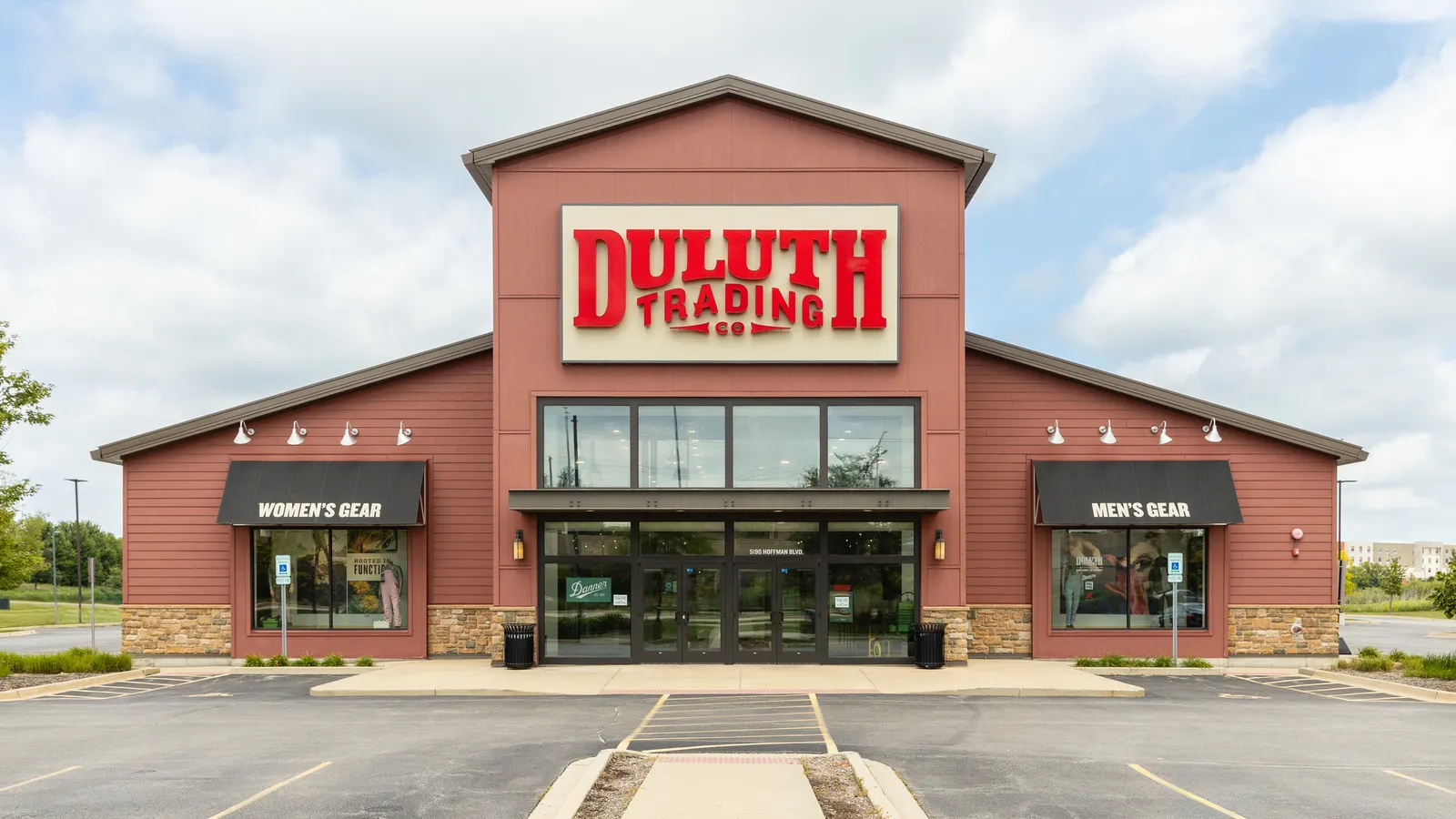
In a retail landscape defined by volatility and shifting consumer behaviors, Duluth Trading Co. is betting that less is more. The apparel and lifestyle brand, known for its rugged, problem-solving gear, has embarked on a systematic overhaul of its inventory management and fulfillment strategies. By aggressively rightsizing its balance sheet, narrowing its product assortment, and leveraging strategic partnerships with e-commerce titans, Duluth is attempting to transform from a broad-spectrum retailer into a precision-focused operator.
The strategy, which has unfolded over the past several quarters, represents a departure from the "everything for everyone" approach that often plagues legacy retailers. Instead, Duluth’s leadership is doubling down on "hero" product lines, optimizing its logistics footprint in the American South, and experimenting with external fulfillment networks to capture new customer segments.
Main Facts: The Pillars of Duluth’s Operational Pivot
At the heart of Duluth Trading’s recent performance is a fundamental shift in how the company approaches capital allocation. The strategy rests on three primary pillars:
- Assortment Rationalization: Duluth is actively reducing its SKU (Stock Keeping Unit) count and streamlining style varieties. The goal is not just cost reduction, but "assortment clarity," ensuring that floor space and digital storefronts are occupied by high-margin items that resonate with the brand’s "self-reliant" core demographic.
- Inventory Health: By reducing total inventory levels, the company has managed to improve its balance sheet and liquidity. This discipline has allowed for a "promotional reset," effectively ending the cycle of heavy discounting that can erode brand value and long-term profitability.
- Fulfillment Integration: The company has shifted its logistics strategy, prioritizing its automated fulfillment center in Adairsville, Georgia, while simultaneously integrating Amazon’s fulfillment network to reach a broader, more diversified customer base.
Chronology: A Timeline of Structural Transformation
The road to Duluth’s current operational stance was paved by several key milestones over the last 18 months:
- Mid-2024 (The Foundation): As the retail sector faced cooling consumer spending, Duluth leadership began identifying inefficiencies in its SKU architecture. The decision was made to cull lower-performing styles to make room for core, high-margin products.
- December 2025 (The Earnings Pivot): During a Q3 earnings call, CEO Stephanie Pugliese articulated the company’s vision for a leaner business model. She highlighted that the company had achieved a 17% year-over-year (YoY) decrease in inventory, signaling that the "rightsizing" phase was yielding measurable results.
- Early 2026 (Logistics Optimization): The company focused on its Adairsville, Georgia, fulfillment center. By prioritizing this hub, Duluth saw in-stock levels at its physical retail locations climb by 900 basis points—a critical metric for preventing lost sales due to out-of-stock items.
- June 2026 (Operational Maturity): In a mid-year update, executives confirmed that the strategy of "buying smarter" was effectively shielding the company from the capital-intensive pitfalls of overstocking.
- Present Day (E-commerce Expansion): Most recently, Duluth confirmed its expansion into Amazon’s fulfillment ecosystem, a move designed to leverage the e-commerce giant’s logistical prowess to satisfy Prime-member shoppers.
Supporting Data: By the Numbers
The efficacy of Duluth’s transformation is reflected in its recent financial and operational disclosures. The shift toward a "less is more" inventory model has produced tangible results:
- Inventory Reduction: The 17% YoY decrease in inventory reported in late 2025 serves as the primary indicator of the brand’s success in clearing stagnant stock and improving cash flow.
- Availability Gains: The 900-basis-point improvement in in-stock levels at retail locations suggests that the company’s logistical focus on the Adairsville hub has successfully synchronized its distribution channels.
- Profitability Metrics: Executives have noted that the "promotional reset"—the act of reducing the frequency and depth of sales—has effectively reinstated price integrity. This has contributed to structural improvements in profitability, allowing the company to maintain higher margins even in a competitive environment.
Official Responses: Leadership Perspectives
The leadership team at Duluth has been transparent about the necessity of these changes, framing them as a return to the brand’s core identity.
In a June investor update, company leadership emphasized the philosophy behind the inventory cuts: "By intentionally narrowing our assortment and buying smarter, we ensure that our capital and floor space are hyperfocused on the core high-margin hero product lines that resonate most deeply with our self-reliant audience."
This sentiment was echoed in discussions regarding the broader fiscal health of the company. Executives emphasized that the integration of Amazon fulfillment was not an abandonment of the brand’s direct-to-consumer model, but a pragmatic expansion. As one executive noted to analysts, "By reinstating price integrity through our promotional reset and maintaining discipline across inventory management, costs and capital allocation, we have made structural improvements to profitability and secured a strong balance sheet."
The message is clear: Duluth is moving away from the "volume at all costs" mentality and toward a "profitability through precision" model.
Implications: What This Means for Retail and the Consumer
For the Consumer
For the loyal Duluth customer, the shift should manifest as a more reliable shopping experience. Improved in-stock levels mean fewer "out-of-stock" disappointments, and the focus on "hero" products implies that the items customers rely on most will remain readily available. Furthermore, the decision to leverage Amazon’s fulfillment infrastructure means that shoppers who prefer the convenience of Amazon Prime can now access Duluth products with the delivery speed they expect, potentially lowering the barrier to entry for new customers.
For the Retail Industry
Duluth’s strategy serves as a case study for mid-sized retailers facing the "middle-market squeeze." The implications are significant:
- The End of SKU Bloat: Many retailers have historically operated under the assumption that more variety equals more sales. Duluth’s success in trimming its catalog suggests that a focused, curated assortment can actually drive higher conversion rates by reducing "choice paralysis" for the consumer.
- Hybrid Fulfillment Models: By utilizing their own state-of-the-art facility in Georgia alongside Amazon’s vast logistics network, Duluth is demonstrating a hybrid approach to fulfillment. This allows the company to control its brand experience in its own stores while outsourcing the logistical headache of marketplace orders.
- Discipline as a Competitive Advantage: In an era where many retailers are struggling with debt and excess inventory, Duluth’s focus on the balance sheet is a defensive maneuver that may pay dividends when the market eventually turns.
Conclusion: A Blueprint for Resilience
Duluth Trading Co.’s recent operational journey is not merely about trimming inventories; it is about redefining the retailer’s relationship with its capital and its customers. By rightsizing its balance sheet, the company has effectively "de-risked" its operations, moving away from the dangerous cycle of over-production and subsequent liquidation.
As the retail sector continues to navigate economic uncertainty, Duluth’s pivot provides a compelling blueprint. The strategy—prioritizing high-margin core products, optimizing regional fulfillment hubs, and embracing platform-based logistics—highlights a sophisticated understanding of modern supply chain management. While the reduction of SKUs may have initially seemed like a contraction, it has proven to be a vital act of sharpening the company’s competitive edge.
Looking forward, the test for Duluth will be maintaining this discipline as they expand their reach through external marketplaces. If they can continue to balance the intimacy of their "self-reliant" brand identity with the scale of Amazon’s infrastructure, they are well-positioned to navigate the complexities of the modern retail landscape with a stronger, more profitable foundation.
The company’s ability to turn logistical challenges into a streamlined, high-availability operation marks a significant achievement in its corporate history. For observers of the retail industry, Duluth stands as a prime example of how structural, data-driven decisions can yield sustained, long-term value in an increasingly crowded marketplace.

 Sagoh
Sagoh
 Ali Ikhwan
 Raul Delapena Setiawan
 Reynand Wu


 Azzam Bilal Chamdy
