
 Asro
Asro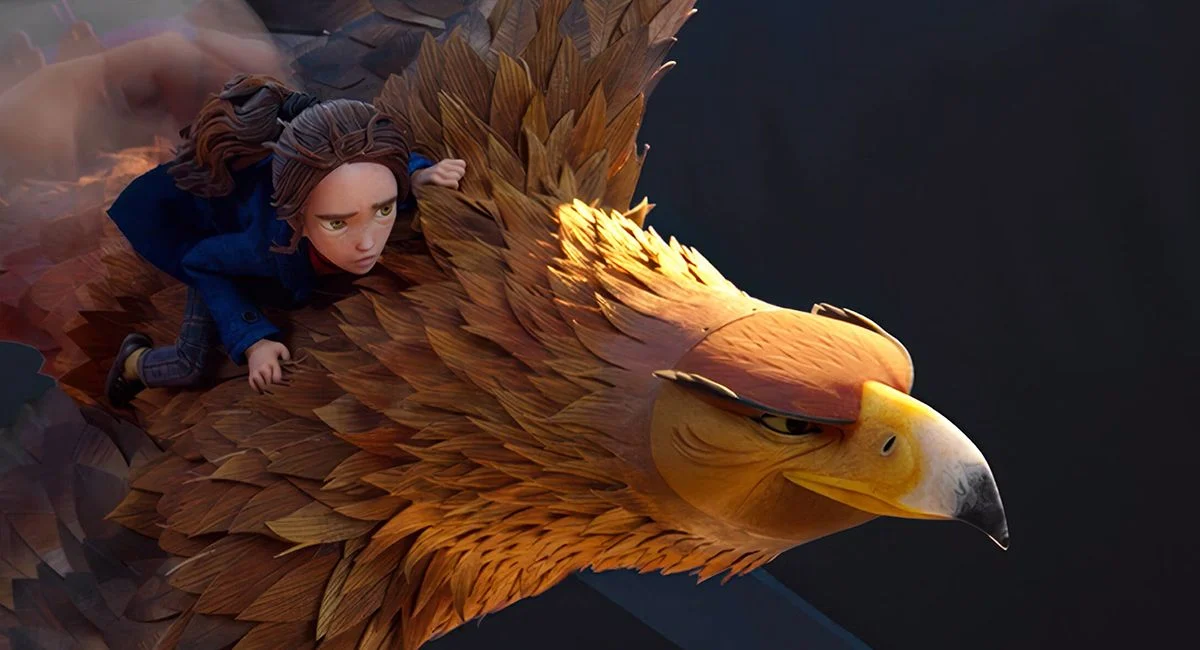
Laika, the Oregon-based animation powerhouse, has long been the gold standard for tactile, handcrafted storytelling. From the unsettling, button-eyed charm of Coraline to the sweeping, mythological grandeur of Kubo and the Two Strings, the studio has consistently pushed the boundaries of what is possible in stop-motion. However, with the release of the teaser trailer for their upcoming feature, Wildwood, it is becoming increasingly clear that the studio is not merely iterating on its past successes—it is attempting a paradigm shift in scope, technical ambition, and emotional resonance.
The Main Facts: A Modern Epic in Miniature
The teaser trailer for Wildwood—directed by Travis Knight—has sent shockwaves through the animation community. Eschewing the conventional cinematic trailer tropes of thunderous percussion, expository voiceovers, and plot-heavy editing, the teaser opts for a sensory-first approach. Set to the atmospheric swelling of M83’s "My Tears Are Becoming a Sea," the footage offers a series of breathtaking, context-light vignettes that showcase a level of fluid animation rarely seen in the medium.
The film is based on the novel by Colin Meloy and illustrated by Carson Ellis, telling the story of Prue McKeel, a girl who journeys into the "Impassable Wilderness" beyond Portland, Oregon, to rescue her kidnapped brother. While the premise sounds like a classic adventure, the execution is anything but typical. With a scheduled release date of October 23, 2026, Wildwood is being positioned not just as an animated movie, but as a magnum opus for the studio.
Chronology: The Evolution of Laika’s Ambition
To understand why Wildwood is a milestone, one must look at the studio’s historical trajectory. Laika’s journey is one of increasing complexity, characterized by a persistent refusal to fully embrace the "easier" path of digital animation.
- 2009 (Coraline): The studio’s debut established their penchant for dark, atmospheric storytelling and high-end technical craftsmanship, proving that stop-motion could be as commercially viable as it was artistic.
- 2012–2016 (ParaNorman, The Boxtrolls, Kubo and the Two Strings): During this period, Laika pioneered the use of 3D-printed facial animation. Kubo in particular became a landmark for integrating digital environments with practical, physical puppets, creating a hybrid aesthetic that felt both "real" and impossibly vast.
- 2019 (Missing Link): The studio refined its scale, experimenting with more complex character movements and sophisticated lighting rigs.
- 2024–2026 (The Road to Wildwood): Following a longer-than-usual development cycle, Wildwood represents the culmination of nearly two decades of R&D. The studio has shifted its focus from intimate, character-driven narratives to a high-fantasy epic that requires massive, sprawling sets that would have been impossible to construct in the early days of the studio.
Supporting Data: The Scale of the "Impassable Wilderness"
The sheer logistical weight of Wildwood is staggering. Director Travis Knight has drawn comparisons between this project and Peter Jackson’s The Lord of the Rings, noting that the narrative density and world-building required a different tier of production.
The Numbers Behind the Magic
- The Sets: The production team constructed 136 individual sets. Crucially, many of these were built on a scale that allowed human animators to physically walk through the environments, providing a sense of depth and perspective that is often lost in smaller, table-top stop-motion productions.
- The Puppetry: Over 230 practical, hand-crafted puppets populate the world of Wildwood. These are not static figures; they are highly articulated machines designed to emote with human-like subtlety.
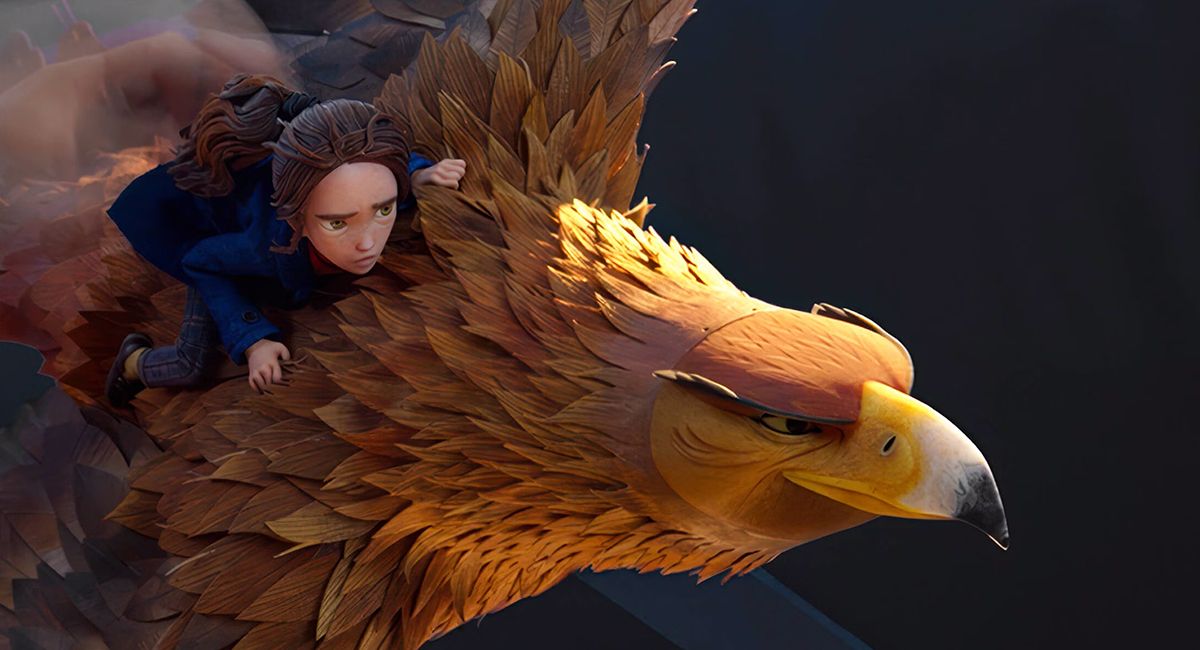
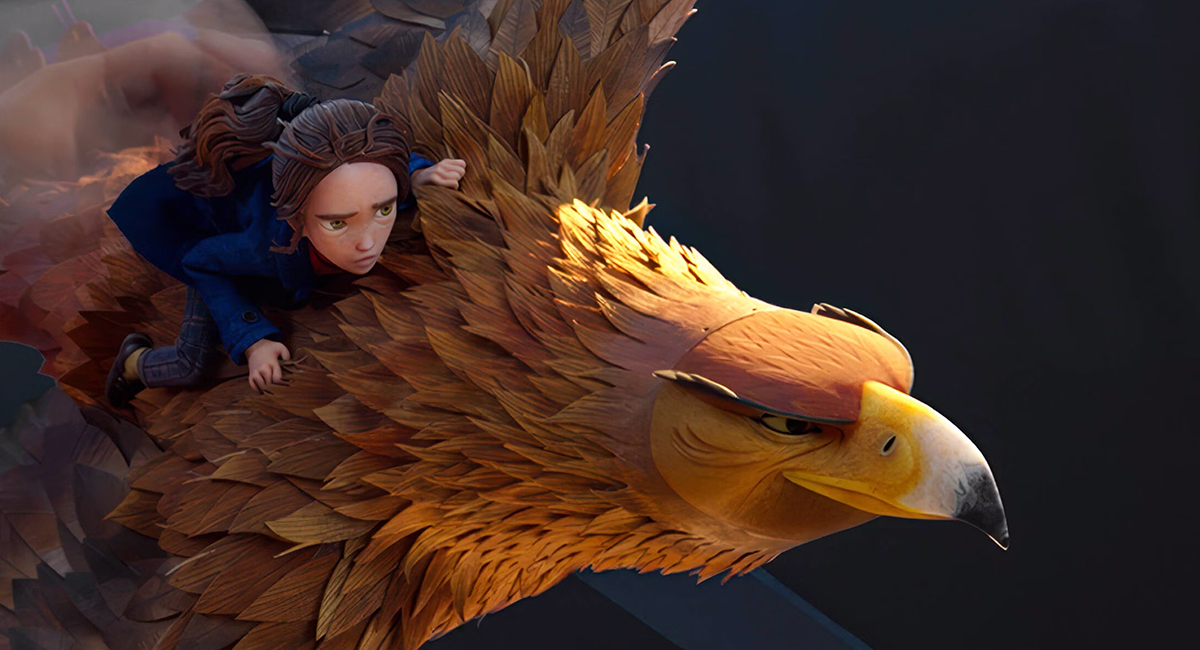
- The Detail: A standout example of this obsession with detail is the character "The General," a giant golden eagle. To bring this creature to life, the team fabricated 9,000 individual, hand-crafted feathers. These were attached to a flexible, custom-engineered fabric skin, ensuring that when the bird moves, the feathers react with the organic fluidity of a living animal.
This commitment to physical reality is the "Laika Difference." While modern blockbusters rely on digital assets that can be infinitely scaled by AI or render farms, Laika insists on the friction of the real world. Every frame of Wildwood is a testament to thousands of hours of labor, a point underscored by the trailer’s subtle text: "From the hands that made Coraline." In an era of increasing automation, this is a pointed assertion of human artistic value.
Official Responses and Creative Vision
The industry reaction has been one of reverence. Critics and fans alike have praised the trailer for its "tactile quality"—the way the light hits the moss, the texture of the fabric, and the weight of the characters.
Director Travis Knight has spoken extensively about the desire to capture the "soul" of the material. "It’s about scale, yes, but it’s about the intimacy within that scale," Knight noted in early production discussions. By blending traditional, frame-by-frame stop-motion with state-of-the-art CGI enhancements—such as the complex fluid dynamics used to animate water or atmospheric elements—Laika is effectively "hiding the seams." The result is a film that looks like a moving painting rather than a series of jointed puppets.
The voice cast, which includes heavyweights such as Carey Mulligan, Awkwafina, Angela Bassett, Mahershala Ali, Jacob Tremblay, and the legendary Tom Waits, reflects the gravity of the project. These actors are not just lending their voices; they are providing the emotional anchor for a story that the studio clearly believes will define its legacy.
Implications: The Future of the Medium
What does Wildwood mean for the future of animation? Its implications are threefold:
1. The Resistance to AI
In a creative climate dominated by discussions of Generative AI and the potential displacement of animators, Wildwood serves as an anchor. It proves that there is a premium on "human-made" art. The 9,000 feathers on The General cannot be generated with a prompt; they require a craftsperson to think, touch, and iterate. The film is likely to become a cultural touchstone for the "pro-human" movement in art and design.
2. The Hybridization of Animation
Laika is proving that the debate between "Stop-Motion vs. CGI" is obsolete. By using CGI to bridge the gaps in practical puppetry—such as cleaning up wires, adding environmental particles, or creating backgrounds that would be physically impossible to build—they are creating a new "Hybrid Animation" genre. This allows for the soul of stop-motion to inhabit a world as grand as any live-action fantasy film.
3. Theatrical Viability of "Slow Cinema"
With a 2026 release, Laika is taking its time. In a fast-paced industry that demands rapid content cycles, the decision to spend years crafting a single, cohesive world is a bold counter-cultural move. Wildwood posits that audiences are still hungry for long-form, patient, and visually dense storytelling. If it succeeds, it could set a new template for how independent studios can compete with the massive output of streaming giants and major animation houses.
Conclusion: A New Standard
As we look toward the autumn of 2026, Wildwood represents more than just a release on a calendar; it is a promise. It is a promise that despite the technological shortcuts available to modern filmmakers, there is still an audience for the difficult, the laborious, and the beautiful. Laika has invited us to look closely at the "Impassable Wilderness," and if the teaser is any indication, what we find there will be nothing short of a masterpiece. By marrying the ancient craft of puppetry with the cutting edge of digital enhancement, Wildwood isn’t just following in the footsteps of Coraline—it is sprinting into a new, uncharted territory for the art of animation.

 Sagoh
Sagoh
 Asep Darmawan
 Raul Delapena Setiawan
 Reynand Wu


 Azzam Bilal Chamdy
 Ali Ikhwan