
 Reynand Wu
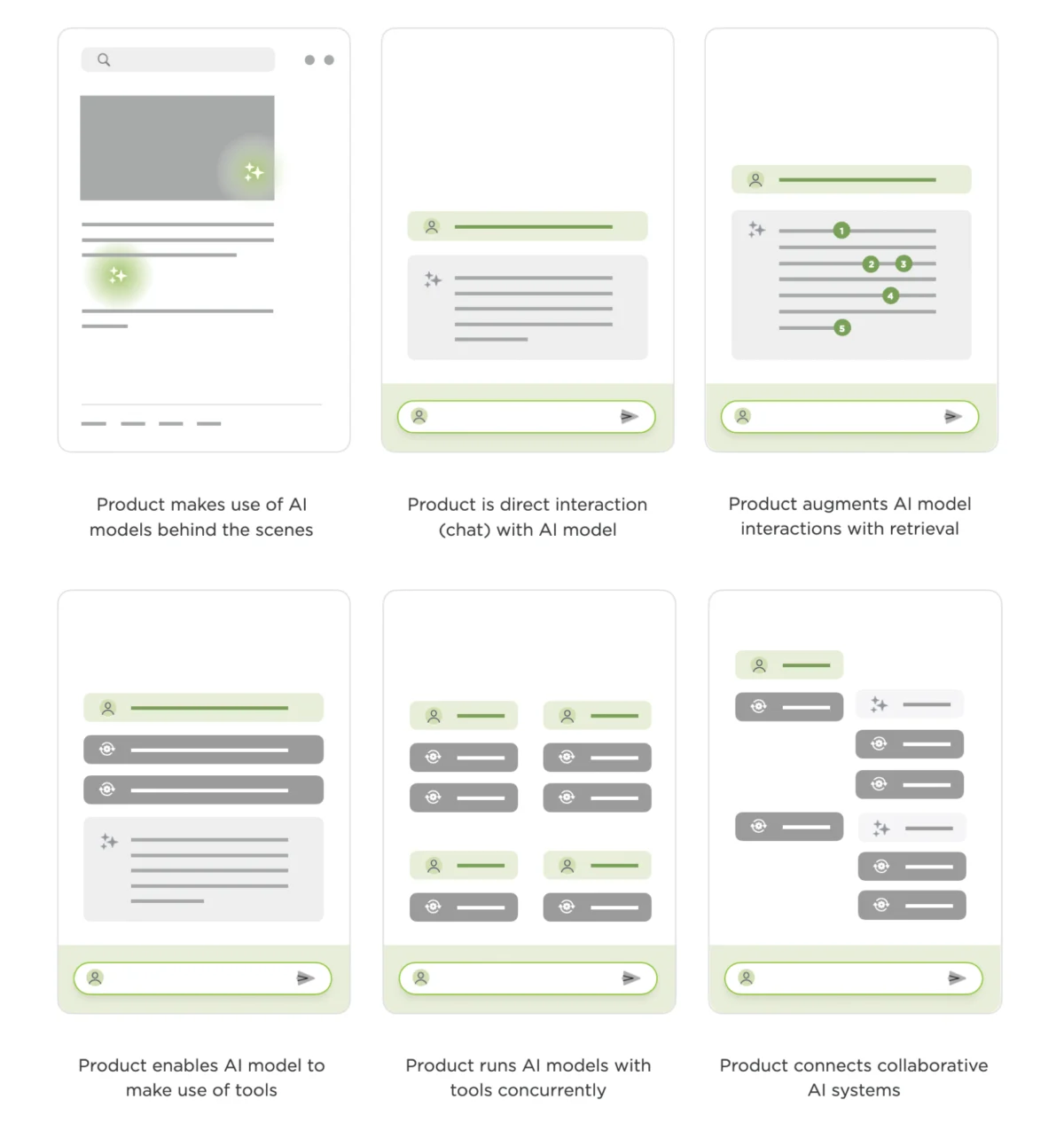
The trajectory of artificial intelligence has moved with dizzying speed. Only a short time ago, the industry was focused on the novelty of "chat"—interfaces where humans typed prompts and models responded in kind. Today, that paradigm is being rendered obsolete by the rise of agentic orchestration. As software development shifts from individual AI-assisted tasks to the management of vast, autonomous agent swarms, the tools we use to build the digital world are undergoing a fundamental transformation.
The Chronology of Evolution: From Models to Orchestrators
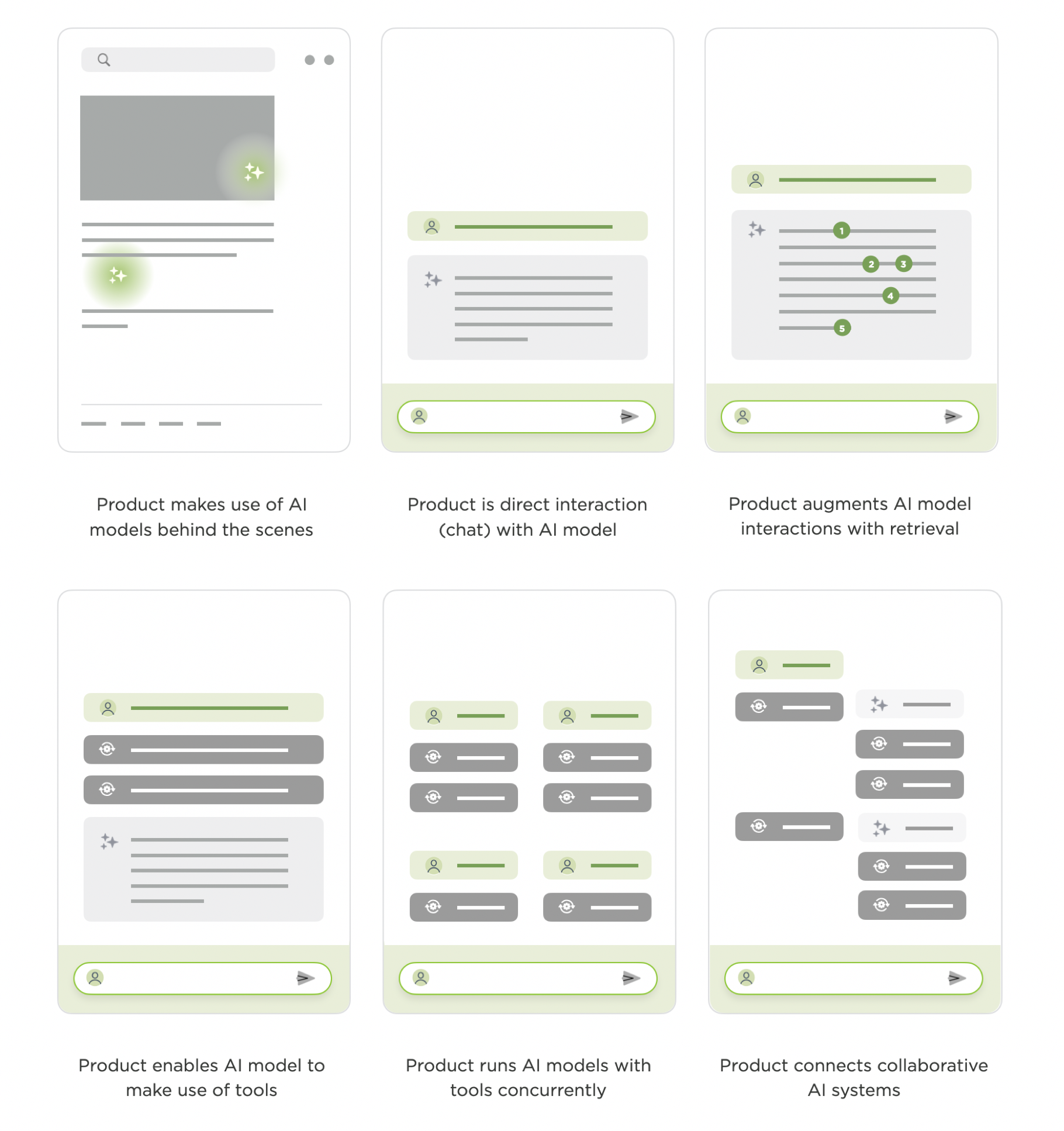
To understand where we are, we must look at the path we have traveled. The evolution of AI products began with the "black box" era, where models operated strictly behind the scenes, powering simple features within existing applications. This was followed by the "chat era," which brought AI to the foreground, placing the model directly in the user’s conversational path.
However, as predicted by industry observers last year, the inevitable progression was toward collaboration. We have now arrived at the stage of agent orchestration. In this phase, AI is no longer a passive respondent; it is an active participant capable of delegating, executing, and coordinating.
The Developer as a Conductor
The most forward-thinking developers are no longer just writing code; they are managing ecosystems. It is common to see individual developers supervising hundreds of agents simultaneously. These agents are tasked with building, testing, and shipping software in parallel, creating a complex web of activity that the traditional "chat-based" interfaces of 2023 and 2024 were never designed to handle.
Managing this scale requires a shift in mindset. If the previous generation of tools was a typewriter for code, the next generation must function as a mission control center.
Intent: Rebuilding the Developer Workflow
As the complexity of AI-driven projects balloons, existing developer environments are struggling to keep pace. The cognitive load of monitoring hundreds of autonomous processes is unsustainable without specialized infrastructure. This necessity drove the recent total redesign and open-sourcing of Intent, a developer tool purpose-built for the age of agentic swarms.
The Technical Framework of Intent
Intent addresses the core challenge of agentic work: chaos. When hundreds of agents work on a single codebase, they inevitably collide, overwrite, or misinterpret one another’s efforts. Intent solves this through three pillars of architectural design:
- Isolated Workspaces: By turning tasks into distinct, sandboxed workspaces, Intent ensures that each agent operates on an isolated copy of the project files. This prevents cross-contamination and allows for true parallel development.
- Living Specs and Coordinators: Each workspace operates under a "living spec"—a dynamic documentation layer that guides the agent. A central coordinator agent then breaks high-level goals into granular tasks, delegating them to specialized sub-agents.
- Cross-Device Management: A higher-level "supervisor" agent facilitates communication across multiple workspaces and hardware devices, ensuring that the project maintains a single source of truth despite its distributed nature.
Supporting Data: Observability and Introspection
The core critique of "black box" AI is the lack of transparency. When a project goes wrong, it is often impossible to determine which agent failed or why a specific decision was made.
Data from the latest iterations of developer tools indicates that the primary bottleneck in productivity is no longer execution—it is debugging the agents themselves. Intent was designed specifically to provide observability (the ability to see exactly what is happening in real-time) and introspection (the ability to analyze the logic chain behind an agent’s failure).
By providing a visual dashboard of agent interactions, developers can move from "babysitting" their AI to high-level strategic management. As trust in these systems grows, the need for manual code review will continue to diminish, shifting the developer’s role toward that of an architect who defines the parameters and evaluates the outcomes.
Implications: The New Layer of Abstraction
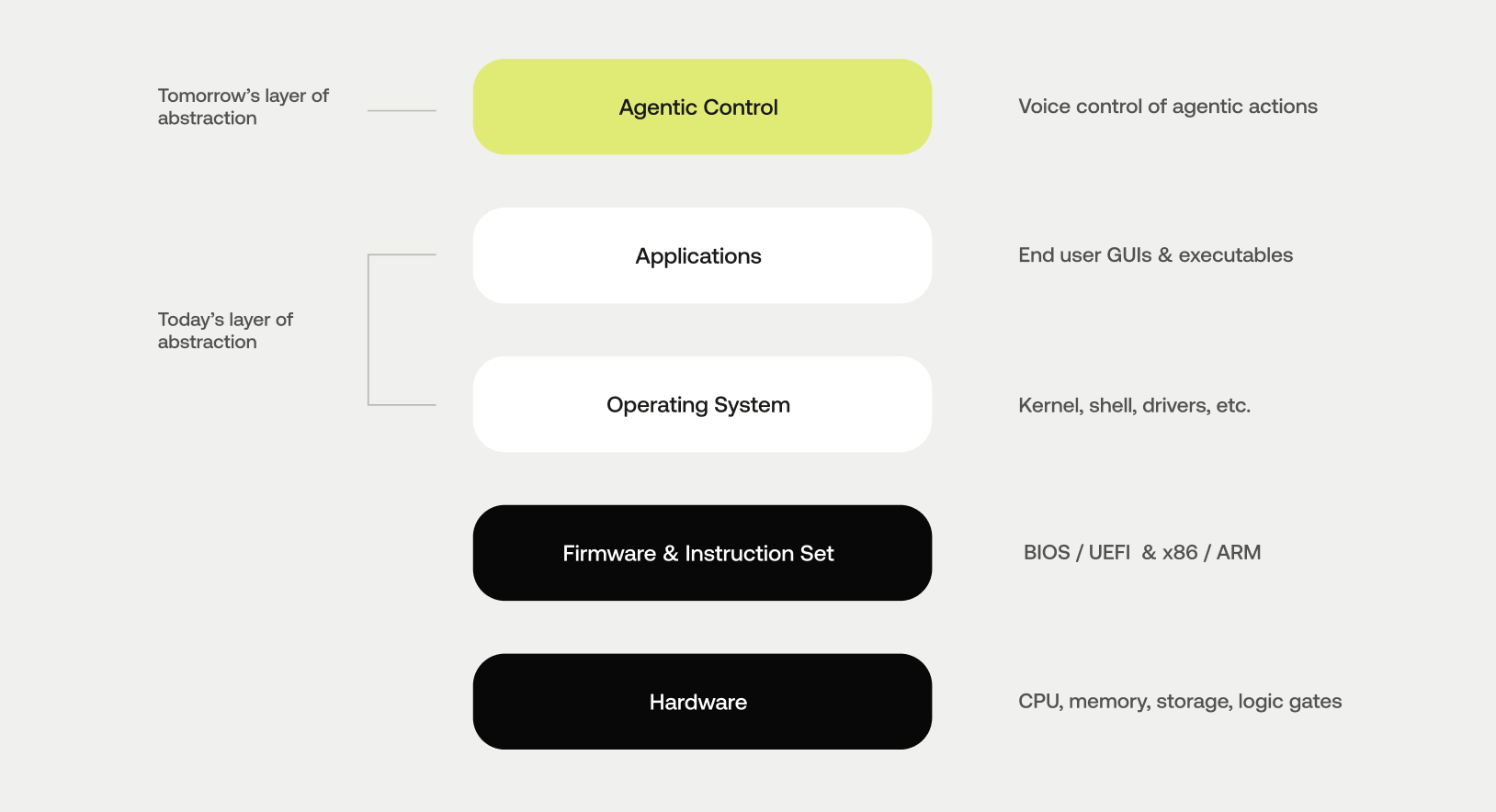
Perhaps the most profound shift on the horizon is the emergence of a new layer of abstraction that will fundamentally change how we interact with computers.
The End of the Application Era
For decades, users have been forced to learn the specific language and interface of the software they use. We learn the menus of Photoshop, the spreadsheets of Excel, and the protocols of email clients. However, as we move into the next phase of AI evolution, this will become unnecessary.
Just as modern computer users are blissfully unaware of the underlying hardware drivers or assembly code that execute their commands, they will soon be unaware of the specific applications their agents are utilizing. A new layer of abstraction—a "universal agent interface"—will allow users to achieve their goals by interacting with a single, unified system. The AI will handle the interoperability, navigating the software landscape on the user’s behalf.
Human-Centric Computing: The Vision Reborn
This evolution echoes the visionary work of the late 20th century, specifically Apple’s Knowledge Navigator video. Conceptualized by John Sculley and informed by the insights of Alan Kay, the Knowledge Navigator imagined a future where a computing agent served as a proactive assistant, capable of synthesizing information and managing complex tasks for its human user.
For years, this remained a dream constrained by the limitations of processing power and natural language understanding. Today, we are finally reaching the technological maturity to realize that vision. We are building systems that act not just as tools, but as partners in the creative process.
Navigating the Transition
As we transition toward this abstraction, the industry must remain vigilant. The shift to autonomous orchestration brings with it significant questions regarding security, accountability, and the nature of human agency.
While the convenience of a system that "just works" is undeniable, it requires a robust foundation of introspection. We must ensure that as we delegate more of our work to agents, we do not lose the ability to understand, audit, and course-correct the systems that underpin our digital lives.
Conclusion: The Horizon
The journey from behind-the-scenes models to the current era of agentic orchestration has been rapid, yet it is merely the preamble. The tools we build today—like Intent—are not just serving the needs of the current developer; they are laying the groundwork for a world where computing is invisible, pervasive, and profoundly collaborative.
We are moving away from the era of "using software" and into the era of "defining outcomes." By mastering the art of orchestration, developers are not just creating better products; they are constructing the next generation of human-computer interaction, bringing us closer to the vision of a truly helpful, autonomous digital companion. The future of AI products is not more features—it is the disappearance of the interface in favor of pure, intent-driven output.


 Evan Lee Salim

 Rifan Muazin

 Lina Irawan

 Pevita Pearce

 Suro Senen

 Muslim

 Ammar Sabilarrohman

 Raul Delapena Setiawan
