
 Nana Wu
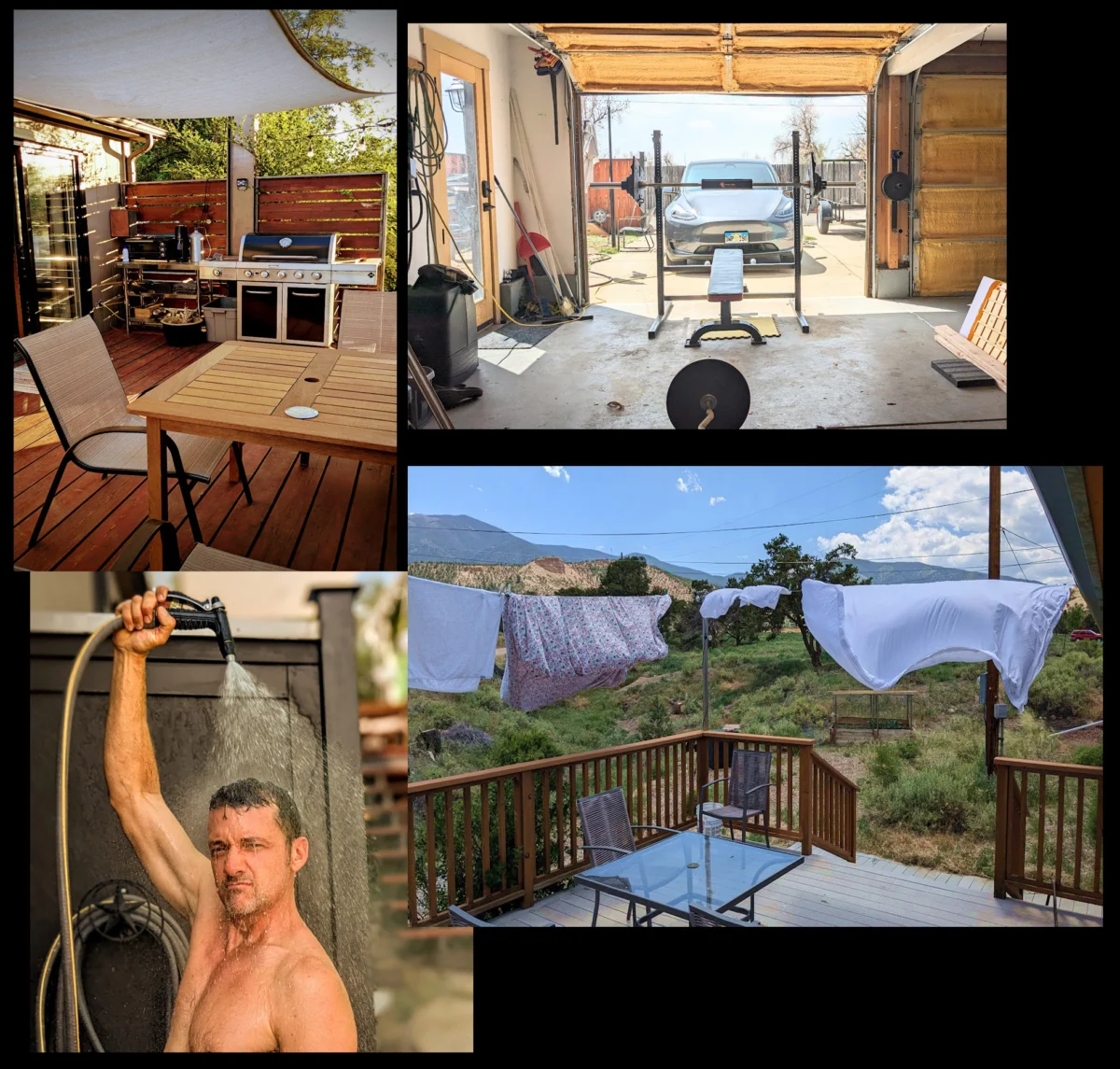
In the landscape of personal finance, few figures have sparked as much debate as Mr. Money Mustache (MMM). For over a decade, his blog has served as a beacon for the Financial Independence, Retire Early (FIRE) movement. However, as the author has aged and his net worth has climbed, a recurring narrative has surfaced among his detractors: the claim that he has become "rich and fancy," disconnected from the daily struggles of the average person, and that his legendary thriftiness is now merely a performative relic.
In a recent, candid reflection, the man behind the persona has pushed back against these critiques, arguing that the principles of "Mustachianism" are not merely tools for the desperate, but a lifestyle philosophy that transcends income level. Far from abandoning his frugal roots, he suggests that the habits that brought him success are the very things that continue to define his daily life—not out of necessity, but out of a genuine appreciation for efficiency, self-reliance, and intentional living.
The Evolution of a Philosophy: From Survival to Mastery
The chronology of Mr. Money Mustache’s influence is well-documented. What began in 2011 as an aggressive strategy to escape the "rat race" through extreme frugality and index fund investing has evolved into a broader cultural conversation about the nature of work and consumption.
Critics argue that once a person reaches a certain level of wealth, the need to repair a leaky faucet or cycle to the grocery store evaporates. They posit that such behaviors are "cosplay" for the wealthy—a way to maintain the aesthetic of the struggling middle class. Yet, the data suggests otherwise. For the Mustachian, frugality is not a state of deprivation; it is a "love of efficiency, creativity, self-awareness, and self-improvement."
When one looks at the trajectory of long-term readers, a pattern emerges: those who embraced these habits early on did not abandon them as their net worth grew. Instead, the focus shifted from "sacrificing to reach a goal" to "optimizing for a high-quality life."
The Mechanics of Wealth: The "Rule of 172"
To understand the longevity of these habits, one must look at the math. The author introduces the "Rule of 172"—a simple but powerful heuristic for long-term financial planning. By taking a monthly expense and multiplying it by 172, an individual can estimate how much that money would compound over a decade if invested.

This lens shifts the conversation from "saving a few bucks" to "managing a portfolio of life choices." When applied to common daily activities, the cumulative impact is staggering.
1. The Producer’s Mindset: Home Improvement
Self-sufficiency is the cornerstone of the Mustachian lifestyle. By mastering construction and maintenance skills, the individual transitions from being a passive consumer of professional services to a producer of their own living environment.
- The Impact: By managing property renovations personally, the author reports an average savings of $20,000 annually. Over a decade, that is a $287,000 impact on net worth, excluding the value of the skills acquired.
2. Community-Driven Consumption
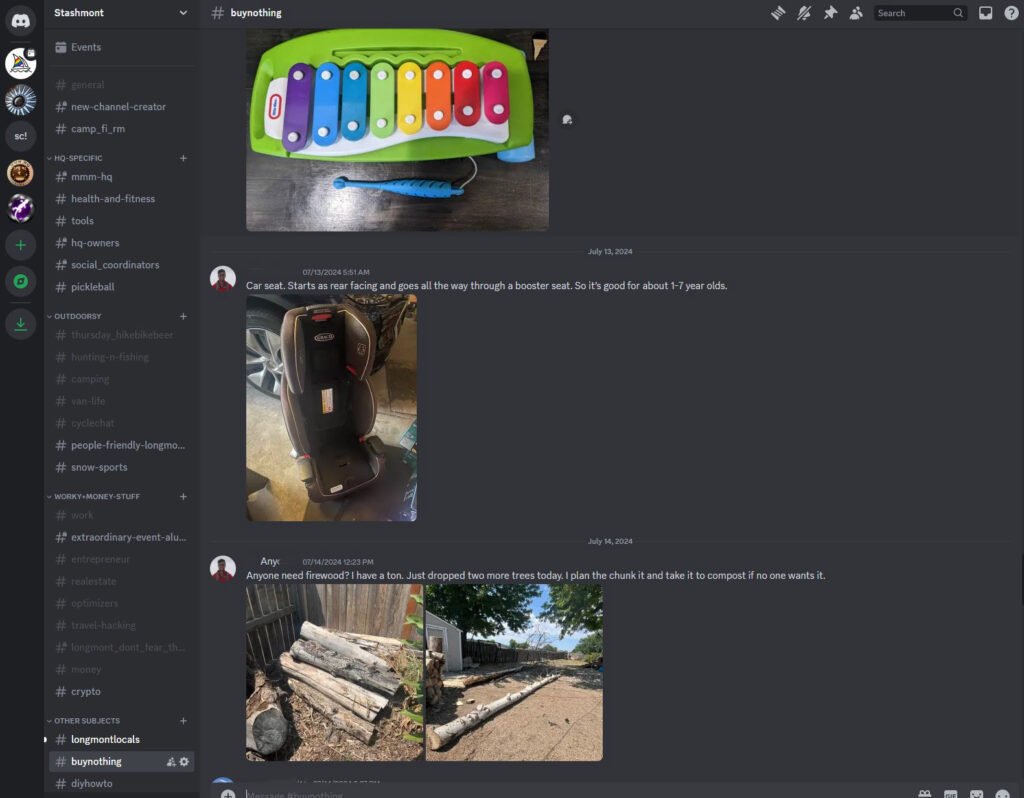
In an era dominated by instant e-commerce, the act of utilizing Craigslist, Facebook Marketplace, and local "Buy Nothing" groups is an act of rebellion. It isn’t just about the price tag; it’s about the erosion of the "new-is-better" bias.

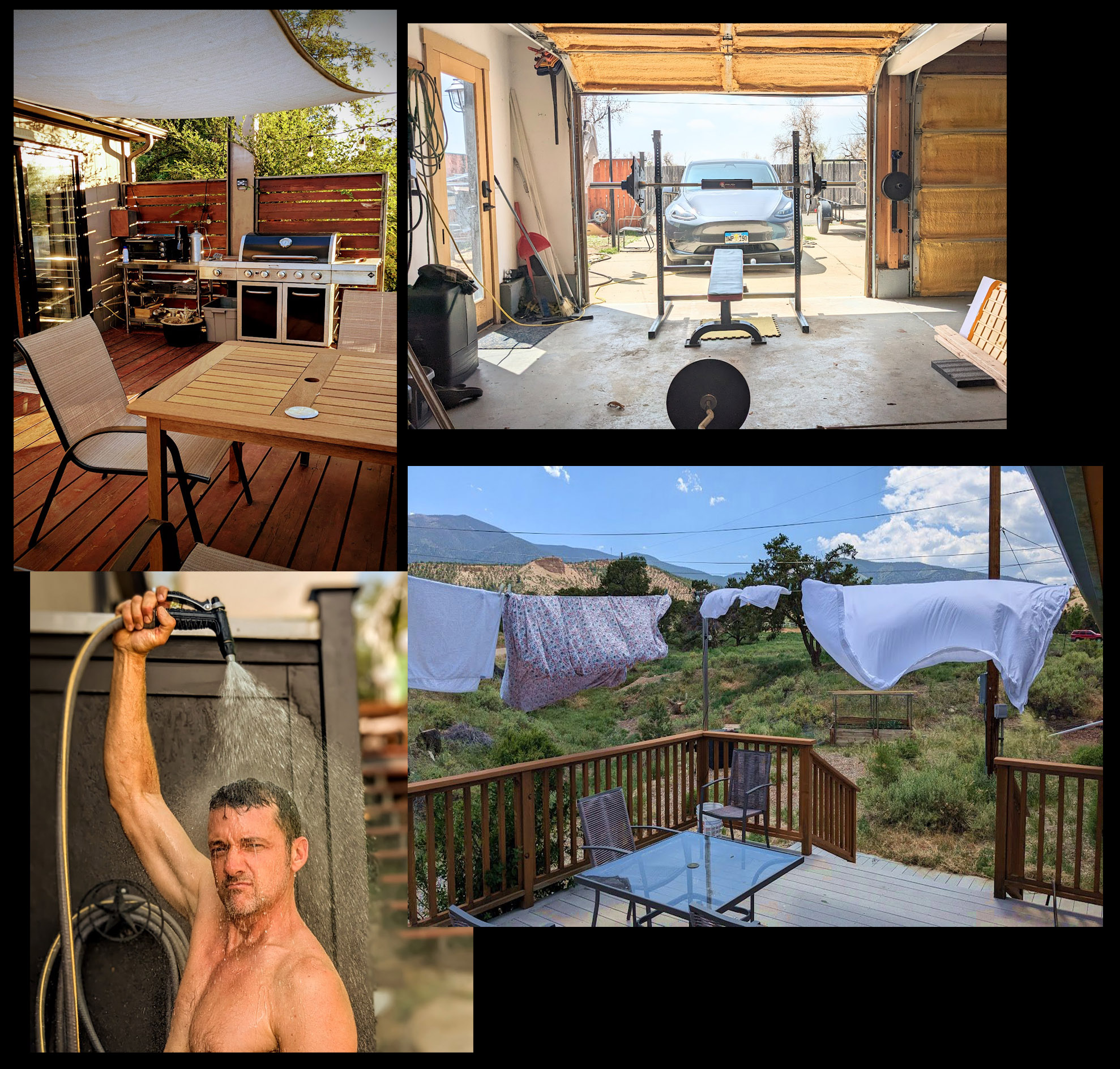
- The Impact: Engaging with local networks for goods and services saves an estimated $42,000 per decade. More importantly, it fosters a local community that provides social capital, which is arguably as valuable as the financial gain.
3. Active Transportation
The environmental and financial costs of car ownership remain a primary focus. Operating a vehicle costs upwards of 50 cents per mile, whereas bicycles—while requiring maintenance—drastically reduce depreciation and fuel costs.
- The Impact: Even with a modest 2,000 miles per year of local travel, the savings amount to $14,000 per decade. The "hidden" return, however, is the physical and mental health boost that comes with active transit, which reduces the long-term risk of sedentary-related health issues.
Supporting Data: Quantifying the "Mustachian" Advantage
When aggregated, the financial benefits of these seemingly small choices are profound. The following table highlights the estimated decade-long impact of these habits:
| Habit | Estimated Savings (Per Decade) |
|---|---|
| DIY Home Improvement | $287,000 |
| Community/Second-hand Marketplace | $42,000 |
| Bicycle/Active Transportation | $14,000 |
| Muscle over Motor (Health/Fitness) | $140,000 |
| Energy Efficiency/Passive Solar | $30,000 |
| Intentional Local Living | $143,000 |
| TOTAL | $656,000 |
This total of $656,000—a conservative estimate based on current habits—surpasses the median retirement savings of most American seniors. It highlights a critical truth: long-term wealth is often the result of thousands of small, efficient decisions rather than a single "big break."
Official Perspectives and the "Muscle over Motor" Principle
The author’s stance on health is perhaps the most significant divergence from standard advice. While many view health care as a fixed expense, the Mustachian approach treats it as a variable. By choosing physical labor over mechanical assistance—shoveling snow instead of using a snowblower, walking instead of driving, or taking stairs instead of elevators—one maintains physical function and vitality.
The logic is simple: "Use it or lose it." By maintaining a high baseline of physical activity, the author estimates a conservative $140,000 savings per decade in reduced health-related costs and increased personal productivity. It is a form of proactive investment in one’s own biological machine.
Implications for the Modern Reader
The critique that "Stash doesn’t practice what he preaches" is ultimately a misunderstanding of what he is preaching. The core philosophy of the movement is not that one must remain poor; it is that one should remain capable.

Why This Matters
- Anti-Fragility: By mastering home repair, local logistics, and physical health, the individual becomes less dependent on fragile, expensive supply chains and service industries.
- The Joy of Efficiency: The author notes that he finds genuine pleasure in his "Energy Efficiency Playground." This suggests that the ultimate goal of the lifestyle is not just money, but a form of deep engagement with one’s own life.
- The Counter-Narrative to Consumerism: In a culture that equates success with the ability to outsource all effort, Mustachianism asserts that the most rewarding experiences are those that require our direct participation.
A Call to Action
The implications for the reader are clear: you do not need to be a "Millionaire" to adopt these habits, and being a millionaire does not disqualify you from them. The "MMM Boot Camp" and associated community forums continue to emphasize that the goal is not a specific net worth number, but a state of autonomy.
As the author notes in his concluding remarks, the goal is "slightly less ridiculous and more efficient than average." By opting for local connection over constant travel, and by prioritizing the utility of one’s own muscles over the convenience of motors, the individual reclaims time, money, and, most importantly, control.
Conclusion: The Persistence of Frugality
The controversy surrounding Mr. Money Mustache serves as a litmus test for the public’s view on wealth. Those who believe that money is a ticket to a life of passive consumption will always find his habits confusing. However, for those who see money as a tool for freedom, his persistence in these behaviors—even after achieving financial independence—is the ultimate validation of the lifestyle.

The math doesn’t lie. Whether or not one agrees with the specific lifestyle choices, the $656,000 in compounded savings over a decade is a testament to the power of the philosophy. As he asks his readers: "What are your quirks and frugal indulgences?" The answer to that question may be the true marker of one’s journey toward lasting, meaningful independence.


 Azzam Bilal Chamdy


 Muslim

 Evan Lee Salim

 Basiran

 Reynand Wu

 Layla Zulfa

 Nana
