
 Nana
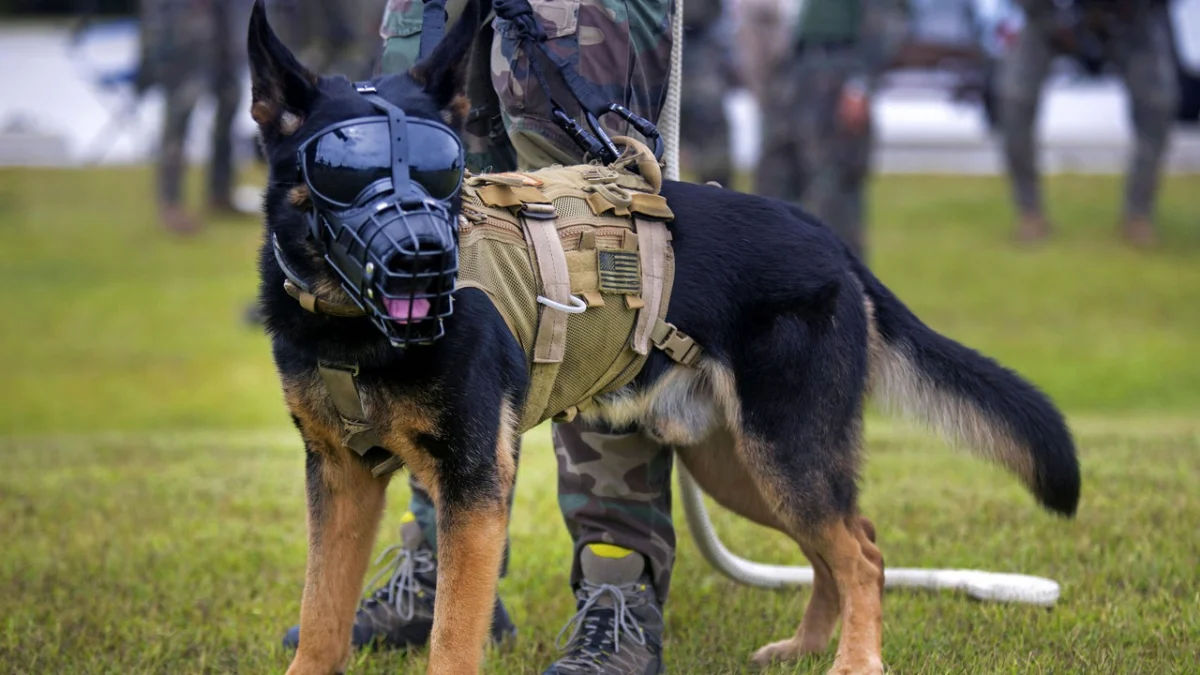
Since William Shakespeare penned the immortal lines in Julius Caesar—"Cry ‘Havoc!’, and let slip the dogs of war"—humanity has romanticized the role of the canine in combat. For centuries, dogs have served as sentinels, scouts, and companions in the world’s most perilous environments. Today, however, that ancient partnership is undergoing a radical, high-tech metamorphosis.
Dallas-based startup Warhound has emerged from stealth mode with a staggering $200 million in funding, signaling a seismic shift in how the U.S. military may approach its canine working-dog program. By leveraging the combined expertise of genetic de-extinction specialists and defense-tech titans, Warhound aims to move beyond traditional breeding, entering the controversial and cutting-edge realm of genetic engineering.
The Architectures of Modern Defense
The venture is the brainchild of two prominent figures in the technology and defense sectors: Ben Lamm, the co-founder of the de-extinction firm Colossal Biosciences, and Palmer Luckey, the visionary behind Oculus VR and the high-growth defense firm Anduril Industries.
The collaboration brings together two distinct, yet complementary, philosophies. Colossal has spent years pushing the boundaries of CRISPR and genetic sequencing, famously attempting to bring back the woolly mammoth and the dodo. Anduril, conversely, has become a powerhouse in modern defense, securing over $25 billion in government contracts by providing autonomous systems, surveillance, and advanced hardware to the U.S. military.
"Every day, we ask dogs to put their lives on the line to protect ours," Lamm said in a formal statement. "They detect explosives, protect our troops, and run toward dangers that most people are trained to run away from. Yet, we’re still relying on outdated approaches to breeding and training these extraordinary animals."
A Chronology of the Project
The development of Warhound is not an overnight phenomenon but the result of years of technological convergence.
- 2021–2023: Lamm and Luckey began exploring the intersection of synthetic biology and autonomous defense systems. During this period, Colossal’s work in genetic sequencing matured, while Anduril solidified its position as a primary contractor for the Department of Defense.
- Early 2024: The conceptual framework for Warhound was finalized, with the goal of creating a "modernized" military working dog that is physically and cognitively superior to current breeds.
- Late 2024: Warhound officially emerged from stealth mode, announcing its $200 million funding round.
- 2025–2026: The company is currently engaged in the systematic collection of blood and tissue samples from elite, high-performing service animals across military, police, and first-responder units.
- 2027 (Projected): The company expects the birth of its first litter of genetically modified puppies, focusing on breeds traditionally favored for tactical work, such as the Belgian Malinois, Labradors, and various shepherd lineages.
Supporting Data: The Biological Blueprint
Warhound’s methodology relies on two pillars: cloning and CRISPR-based gene editing. By analyzing the genomes of the "best of the best"—dogs that have demonstrated exceptional endurance, scent detection, and intelligence—the company plans to identify the specific genetic markers responsible for these traits.
The "Warhound Protocol" involves:
- Phenotypic Analysis: Quantifying the performance metrics of current military dogs, including metabolic rate, muscle recovery, sensory acuity (smell and hearing), and temperament.
- Genomic Mapping: Using advanced AI models, similar to those developed by Anduril, to map the correlation between specific DNA sequences and high-performance traits.
- Germline Editing: Utilizing CRISPR technology to ensure that desirable traits are inheritable, potentially creating a lineage of "super-dogs" that possess innate advantages that traditional selective breeding takes decades to cultivate.
The selection of the Belgian Malinois, known for its intense work ethic and agility, is strategic. By enhancing the natural biological capacity of these breeds, Warhound aims to reduce the "failure rate" of training programs, which currently see a high percentage of dogs washed out due to temperament or physical limitations.
Official Responses and Stakeholder Perspectives
The announcement of Warhound has elicited a polarized response from the scientific and defense communities.
Proponents of the project argue that this is a logical evolution of military support. Defense analysts point out that the cost of training a single elite military working dog (MWD) can exceed $100,000, not including the high risk of casualties in the field. If genetic optimization can lead to healthier, more capable animals that serve longer, the return on investment for the taxpayer could be substantial.
However, the ethical implications have sparked intense debate. Organizations advocating for animal rights have expressed alarm at the prospect of "designer" service animals. Concerns range from the long-term health consequences of genetic manipulation—such as unforeseen biological "off-target" effects—to the moral question of engineering sentient beings specifically for the hazards of the battlefield.
In a recent industry forum, a spokesperson for an ethical watchdog group noted, "There is a significant difference between selective breeding, which respects the natural biological bounds of a species, and wholesale genetic editing. We are entering a domain where the canine is treated as a piece of hardware rather than a living partner."
Implications for Future Warfare
The integration of Warhound’s products into the U.S. military structure implies a future where the battlefield is increasingly automated and optimized at the molecular level.
1. Tactical Superiority
If successful, Warhound’s dogs could possess sensory capabilities far beyond current biological limits. This could include improved night vision, heightened olfactory sensitivity for detecting next-generation chemical signatures, and increased resilience to extreme weather conditions.
2. The "Hardware" Paradigm
By equipping these genetically superior animals with the "high-tech gear" mentioned in their launch, Warhound is effectively blurring the line between a biological entity and a robotic platform. We may see dogs outfitted with real-time biometric sensors, integrated communication arrays, and augmented reality (AR) HUDs (Heads-Up Displays) for their handlers, allowing the canine to serve as a mobile sensor platform that feeds data directly into the military’s wider battle-management systems.
3. Ethical and Regulatory Precedents
Warhound’s existence forces a conversation that the military has historically avoided. If the U.S. military adopts genetically modified animals, it will set a global precedent. Will this trigger an "arms race" in biological engineering? As nation-states compete for superiority, the temptation to push the limits of what is biologically possible—or ethical—could prove difficult to regulate.
Conclusion: A New Era of Service
As 2027 approaches, the world will be watching the laboratories in Dallas with bated breath. The endeavor is a testament to the sheer ambition of modern Silicon Valley-style disruption, applied now to the very fabric of life.
Whether Warhound’s dogs will be seen as the ultimate protectors of our troops or the heralds of a morally complex new age of warfare remains to be seen. What is clear is that the "dogs of war" are no longer just being "let slip"—they are being redesigned, and the implications of this project will resonate through the halls of the Pentagon, the ethics committees of the scientific community, and the frontlines of the future for generations to come.
As we stand on the precipice of this development, we must ask: In our quest for absolute tactical dominance, what are we willing to sacrifice of the very creatures that have stood by our side since the dawn of history? The answer to that question will likely be found in the first litter of puppies to be born in 2027.


 Evan Lee Salim

 Reynand Wu

 Muslim
 Basiran

 Layla Zulfa
