
 Lina Hope
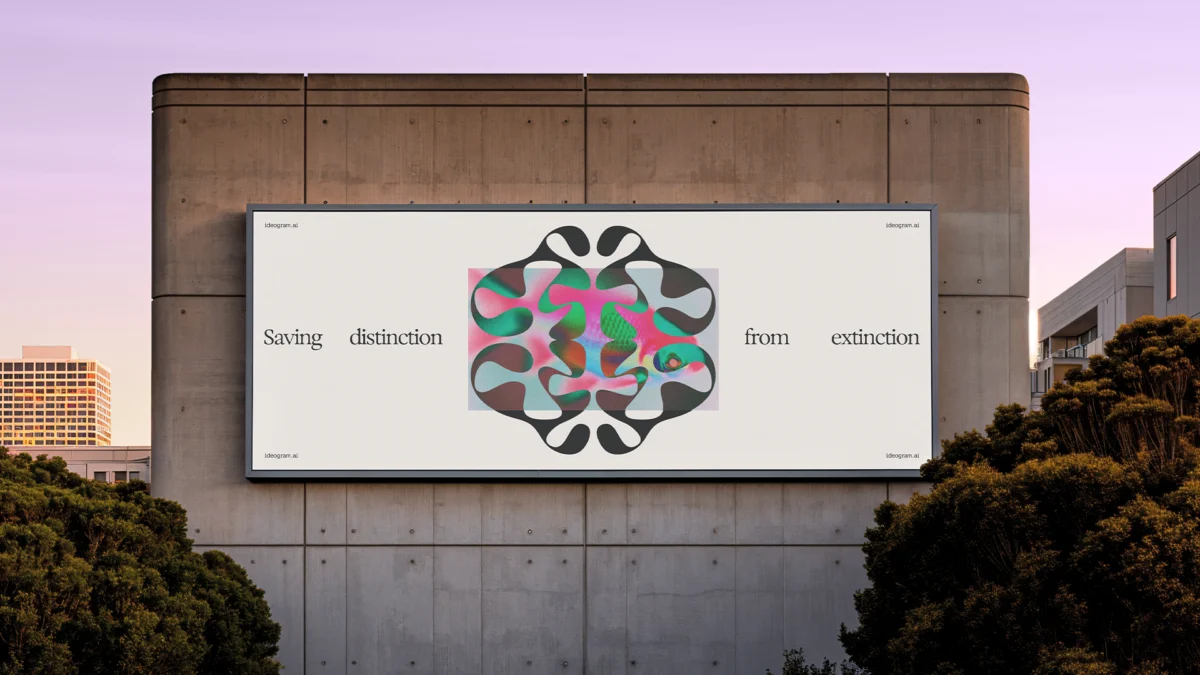
In the rapidly evolving landscape of 2026, a strange, cyclical trend has emerged that feels lifted from a satirical screenplay. The very technology titans spearheading the generative AI revolution—companies ostensibly committed to automating creativity—are aggressively courting the creative class. As algorithms become increasingly proficient at generating imagery, these firms are turning to human designers, typographers, and branding agencies to define their visual identities.
This paradox has left the creative community divided, prompting a fierce debate about professional ethics, the nature of credibility, and the future of human labor in a machine-first economy.
The Chronology of a Creative Tug-of-War
The past year has served as a masterclass in this contradiction. As generative models have matured, the push to integrate them into every facet of commercial design has intensified. Yet, the public-facing brands of these AI platforms tell a different story.
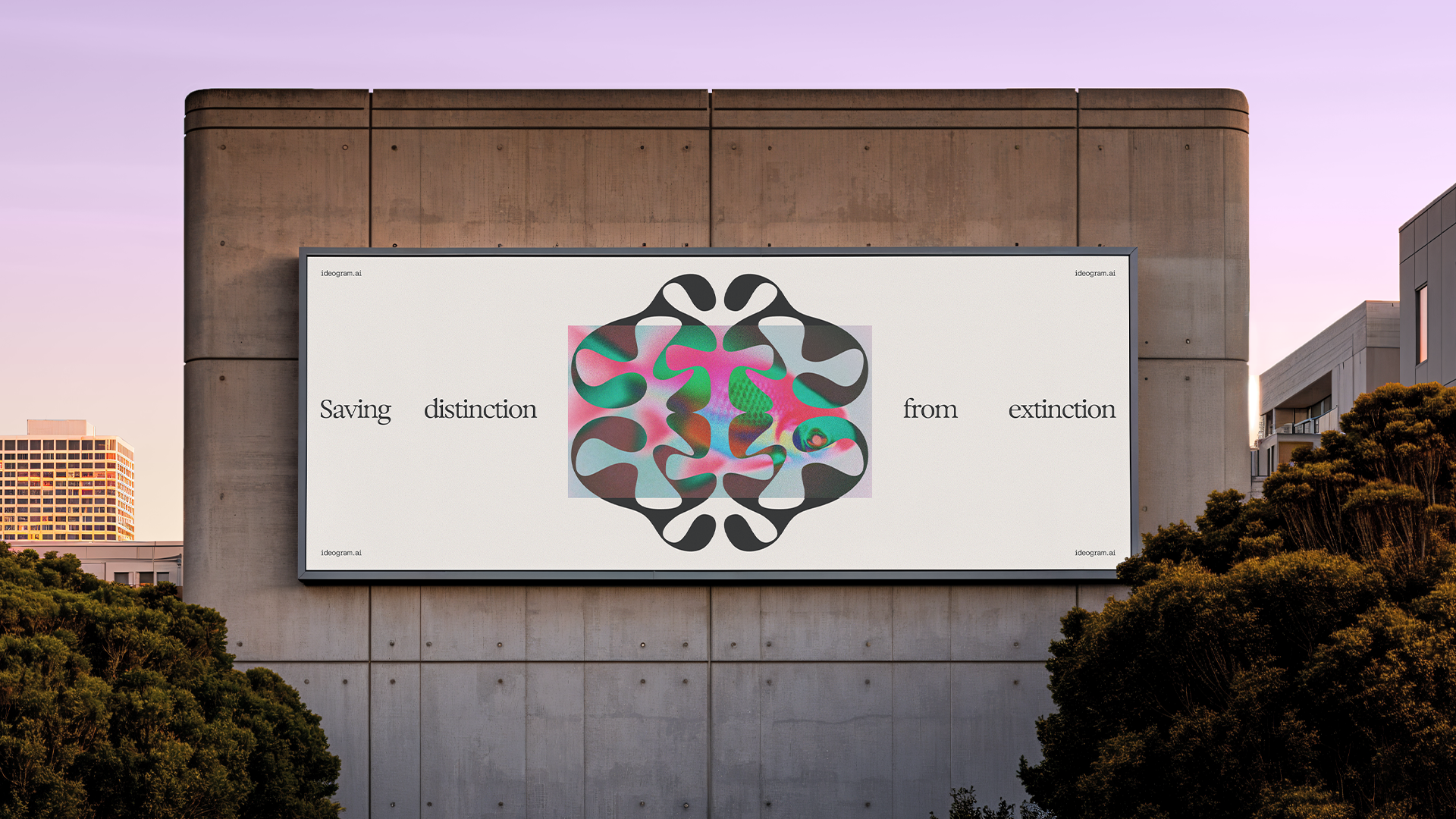
- Early 2026: AI image generator Ideogram launches a comprehensive rebrand by the design studio How&How. The identity is rooted in human-led conceptual work, utilizing a brain-shaped mark that blends AI-generated assets with meticulous hand-finished adjustments in Photoshop.
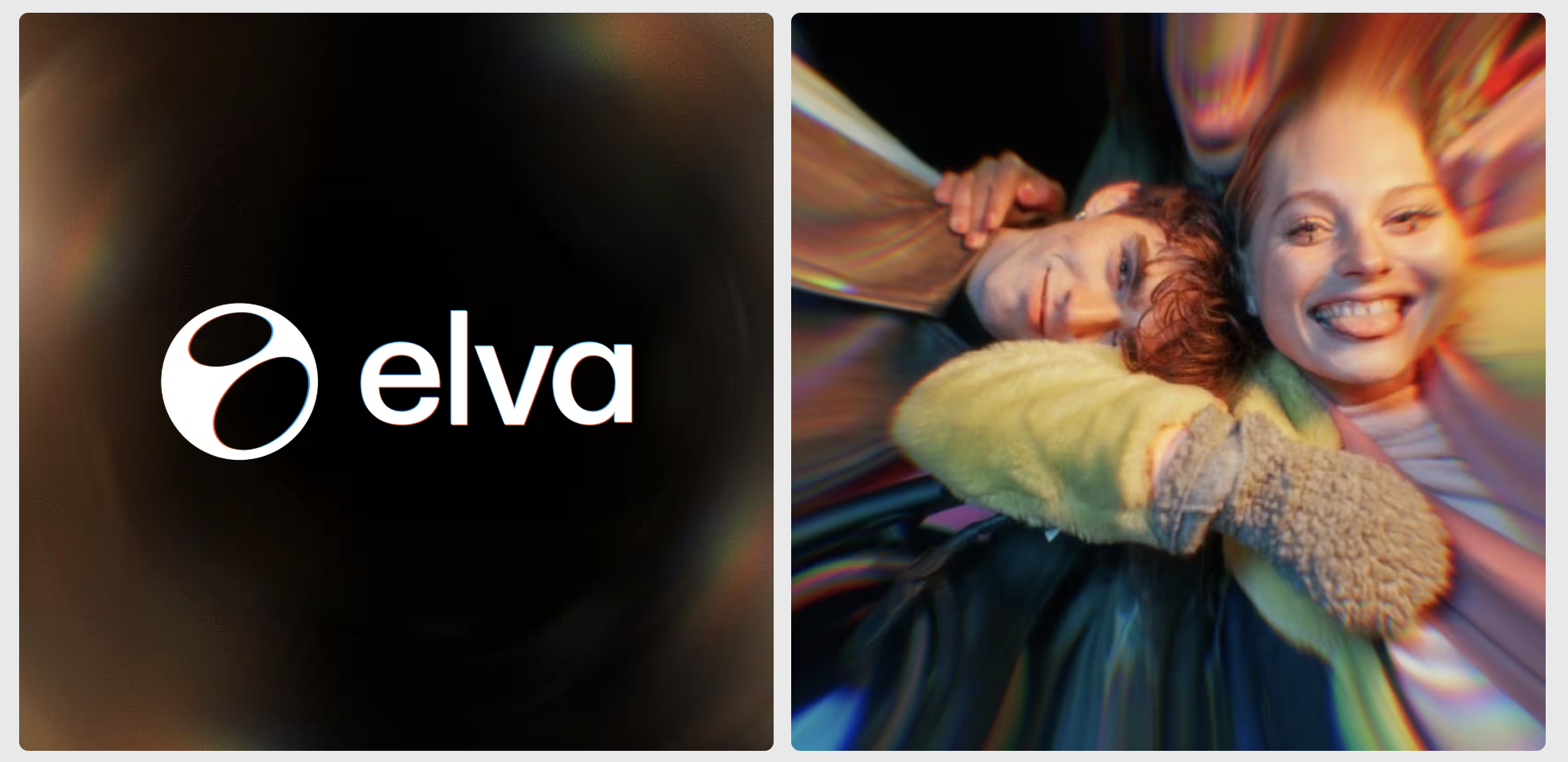
- Mid-2026: The AI video editing startup Elva enlists the Lazarev Agency to craft a bespoke identity. The resulting system is designed to imbue the cold, mathematical nature of the app with a “friendly personality,” relying on human-centric color palettes and emotional storytelling.
- Late 2026: The AI-native audit firm Clusia partners with the agency Together to develop a four-petal brand mark. The project highlights a deliberate marriage between human-designed visual systems and 3D illustrations.
- Present Day: Meta ignites a firestorm of controversy by commissioning acclaimed lettering artist Jessica Hische to draw the logo and icon for its new AI platform, Muse. The commission drew immediate public backlash, forcing a conversation about the complicity of artists in the growth of the very tools threatening their livelihoods.
Branding as the Last Bastion of Trust
To understand why an AI company—which could theoretically generate its own logo in seconds—would pay thousands of dollars for a human designer, one must look at the fundamental purpose of branding.
Branding is not merely about producing an aesthetically pleasing mark; it is a mechanism for building institutional trust. In an era where "AI slop"—the generic, uncanny, and often low-quality output of early generative models—has flooded social media, the public has developed a discerning eye. Whether it is a poorly rendered gig poster or a soulless book cover, consumers can often smell the "machine" behind the image.
AI companies face a profound "credibility deficit." They are viewed with skepticism, not just by artists, but by the general public who fear the displacement of human labor. By hiring prestigious human agencies and artists, these tech giants are essentially engaging in a form of "human-washing." They are buying the credibility, the nuance, and the emotional resonance that an algorithm, in its current state, cannot manufacture. They need a human face to tell a story that feels authentic, intentional, and—ironically—human.
The Ethics of the Commission: A Double-Edged Sword
The case of Jessica Hische’s work for Meta serves as a microcosm of the current tension. When Hische revealed her work on the Muse platform, she was met with a wave of vitriol on social media platforms like Threads. Her detractors argued that by applying her world-class craftsmanship to an AI platform, she was legitimizing the tools that are currently eroding the value of professional design.
However, the reality of the freelance market is rarely as binary as online discourse suggests. Hische’s defense—that the $12,500 commission was vital for sustaining her small businesses and staff—highlights the economic pressures facing creatives.
The Economic Reality
Critics of these commissions often argue from a position of ideological purity, yet they frequently fail to provide a structural alternative for the designer. If a designer turns down a high-profile commission from a tech giant, the project does not vanish. The company will simply move to the next candidate. As long as billions of dollars in venture capital continue to flow into the generative AI sector, these companies will secure the talent they need.
Refusing a job, in this context, is a personal moral stance, but it is not a market-shifting action. It does not pause the "AI juggernaut," nor does it force a change in corporate strategy.
The Implications for the Future of Design
Does this reliance on human designers suggest that AI will never be able to replace the creative professional? Not necessarily. Instead, it suggests a shift in the value proposition of the human designer.
1. The Premium on "Human-Made"
As machine-generated content becomes a commodity—cheap, fast, and ubiquitous—the "human-made" label will likely become a luxury signal. Companies will continue to use AI for high-volume, low-stakes output, but for the "hero" assets of their brand identity, they will seek the stamp of human approval to signal quality and safety.
2. The Designer as Curator and Refiner
The design process for projects like the Ideogram rebrand shows a shift in workflow. Designers are no longer just "drawing" from scratch; they are becoming curators, directing the output of AI and then using their technical skill—like Photoshop refinement—to elevate that output into something usable. The skill set is moving from execution to curation and oversight.
3. Professional Agency
Perhaps the most optimistic take, as posited by Hische, is that we are witnessing the start of a symbiotic era. If AI companies are willing to pay for top-tier creative talent, it serves as a validation of the creative profession. The goal for designers is not to fight the existence of AI—which is likely impossible—but to leverage these partnerships to maintain their economic independence.
Conclusion: The Path Forward
The "human paradox" of AI branding is unlikely to disappear. As generative models improve, the distinction between human and machine output will become harder to perceive, making the "human-designed" mark even more valuable as a seal of trust.
For the creative community, the path forward is complex. It requires balancing the immediate economic necessity of taking high-paying commissions with the long-term goal of protecting the industry’s integrity. If designers can continue to provide the strategic thinking, emotional depth, and craftsmanship that algorithms lack, they will remain indispensable.
Ultimately, if the tech giants are determined to change the world with AI, they will continue to look to the humans who understand how to make that world worth living in. The question is no longer whether AI will replace designers, but whether designers can successfully define their role as the essential bridge between cold, digital logic and human experience. As long as people need to believe in the products they consume, the human designer will remain the most critical piece of the puzzle.

 Rifan Muazin
 Ali Ikhwan

 Muslim

 Evan Lee Salim
 Basiran
 Reynand Wu

 Layla Zulfa

 Nana
