
 Sagoh
In the modern competitive landscape, branding is far more than a logo or a color palette—it is an ecosystem of touchpoints. How a brand presents itself in the real world is often the deciding factor in whether a consumer trusts a business or overlooks it entirely. For designers, agencies, and entrepreneurs, the transition from a flat, digital design to a three-dimensional, tangible reality is the ultimate "moment of truth."

When you are developing a branding strategy, the final deliverable is not just a high-resolution file on a screen; it is the feeling of a business card in a client’s hand, the weight of premium stationery, or the aesthetic impact of a branded coffee cup sitting on a boardroom table. This is where branding identity mockups have evolved from a luxury into an absolute necessity.
The Evolution of Branding Presentation: From Sketch to Simulation
Historically, the process of pitching a brand identity involved creating physical prototypes—an expensive, time-consuming endeavor that often required professional printing and photography before a client even signed off on the concept.
The Chronology of Digital Transformation
- The Early Digital Era: Designers relied heavily on flat 2D presentations, forcing clients to "imagine" how a logo would look when wrapped around a pen or embossed on a letterhead.
- The Rise of Software: With the maturation of Adobe Photoshop and the introduction of "Smart Objects," the industry saw a seismic shift. Designers could suddenly map flat vectors onto complex 3D surfaces in seconds.
- The Current Standard: Today, high-fidelity, photorealistic mockups are the industry standard. They allow for an iterative process where shadows, lighting, and textures can be adjusted in real-time, bridging the gap between imagination and implementation.
The Strategic Importance of Mockups
Why does a "mockup" carry so much weight? Beyond mere aesthetics, it is about risk mitigation and emotional resonance. When a client sees their logo on a physical object, the abstract becomes concrete. It answers critical questions: Does the typography maintain readability at small scales? Does the brand identity carry the weight of authority on corporate stationery? Does the color palette pop in a natural, ambient light setting?
By utilizing professional mockup templates, designers can demonstrate that they have thought through the entire customer journey. A brand that looks good on a smartphone screen but fails on a tote bag or a notebook is a brand that lacks consistency. Mockups allow you to audit that consistency before a single dollar is spent on production.
Curated Selection: Premium and Free Branding Mockup Assets
To assist you in your next creative project, we have compiled a selection of high-impact, professional-grade mockup templates. Whether you are working in Photoshop (PSD) or Figma, these resources are designed to help you win over stakeholders and visualize the "symphony" of your brand.
Professional Photoshop (PSD) Solutions
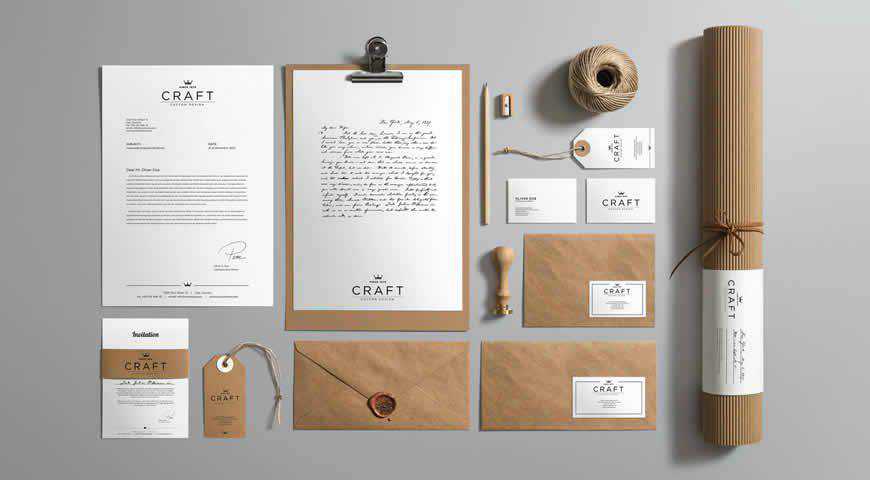
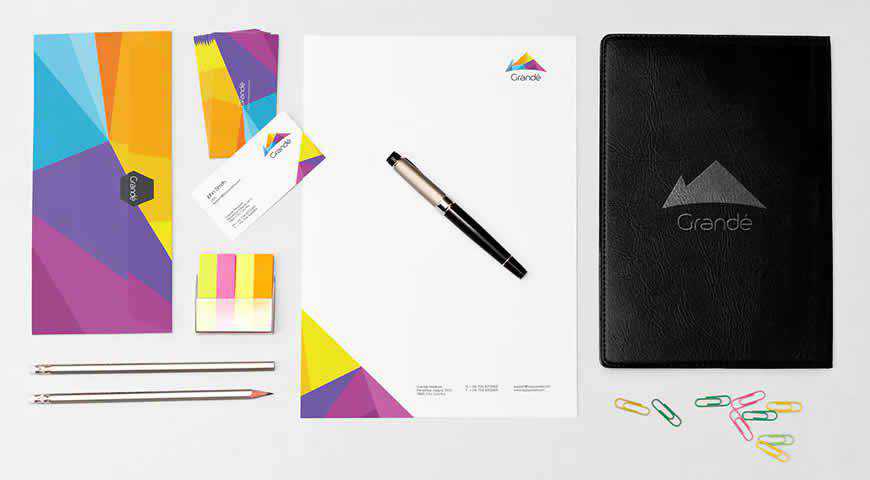
- Craft Branding Mockup Templates: This set offers ten versatile mockups ideal for an artistic, natural look. It is highly adjustable, allowing for granular control over shadows and backgrounds.
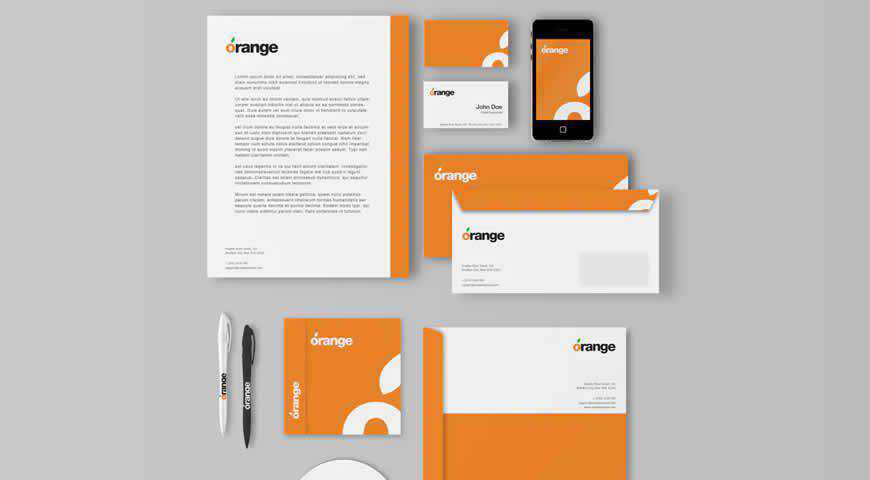
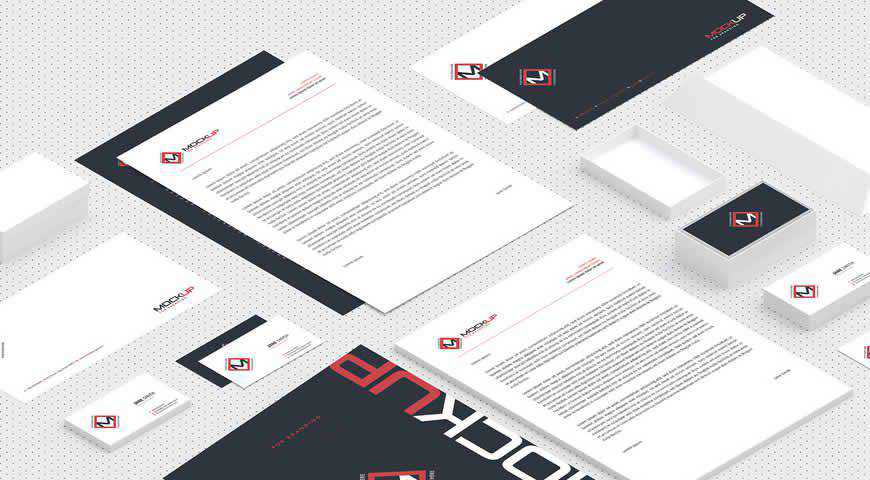
- Corporate Identity & Branding Sets: Perfect for B2B environments, these templates offer three distinct styles for envelopes, business cards, and mobile devices, providing a crisp, professional aesthetic.
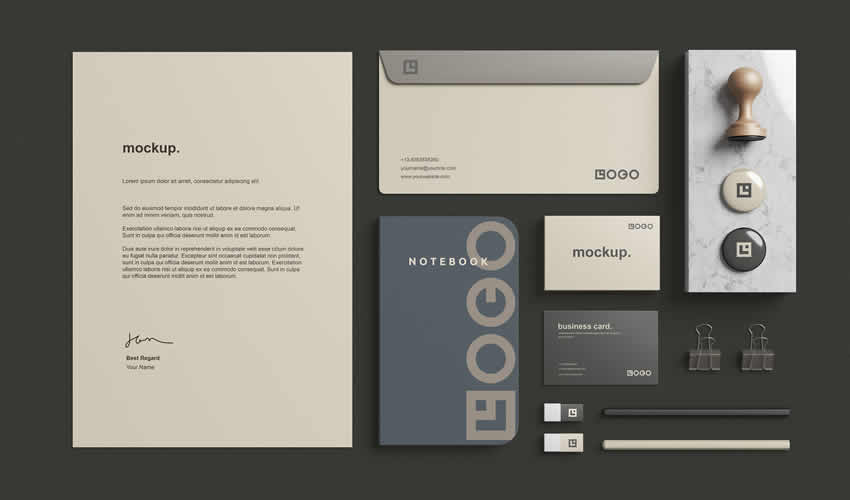
- Luxury Branding Mockups: When the client demands high-end appeal, these templates—complete with leather textures and premium foil-stamping effects—communicate immediate value and trust.
- Coffee Branding Essentials: For food and beverage brands, these photorealistic scenes include everything from coffee bags and labels to cups and brochures, helping to sell the "experience" of the brand.
Accessible Figma and Free Resources
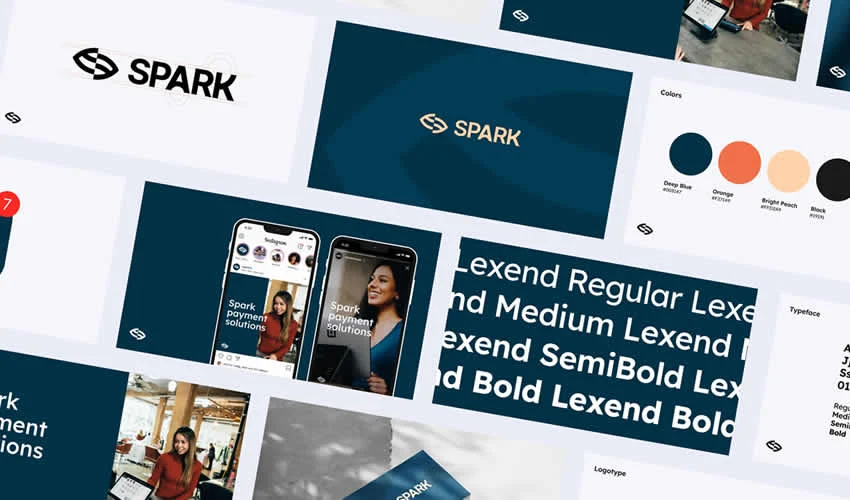
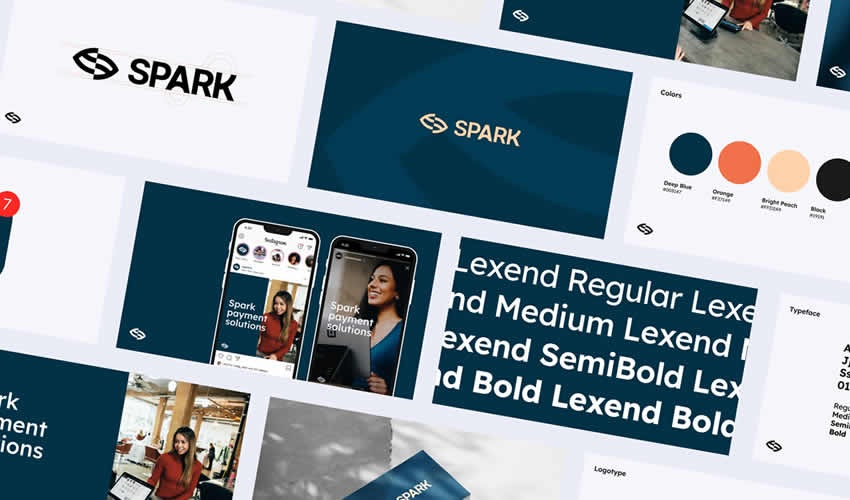
- Spark Brand Identity Template (Figma): A modern, web-first approach to identity. This is ideal for tech-forward brands looking to showcase their digital and physical presence in one cohesive layout.
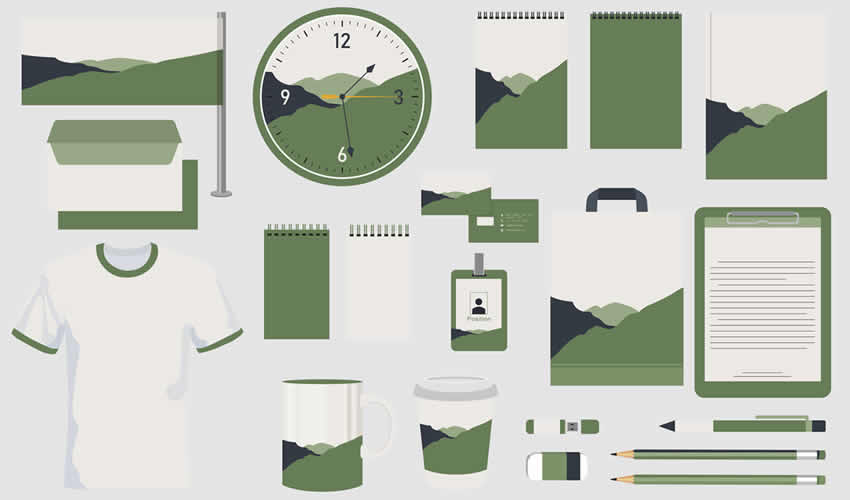
- Green Corporate Identity (Figma): An extensive collection that covers everything from tote bags to pens, making it a great "all-in-one" solution for diverse presentations.
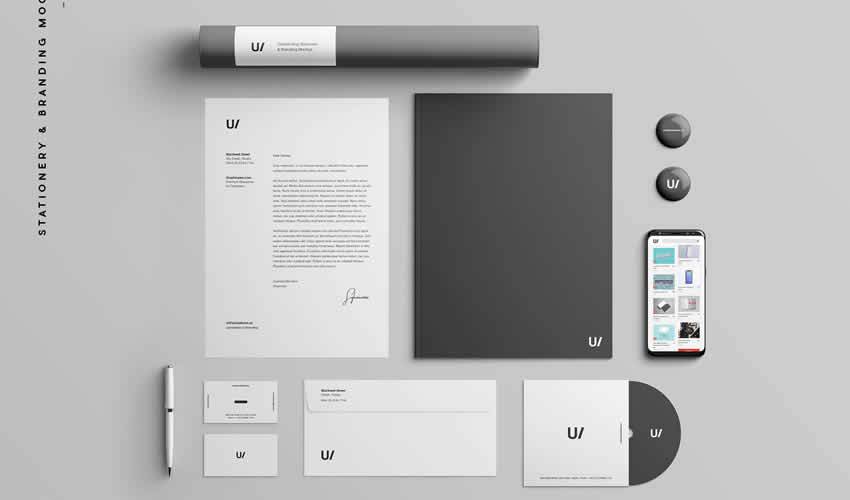
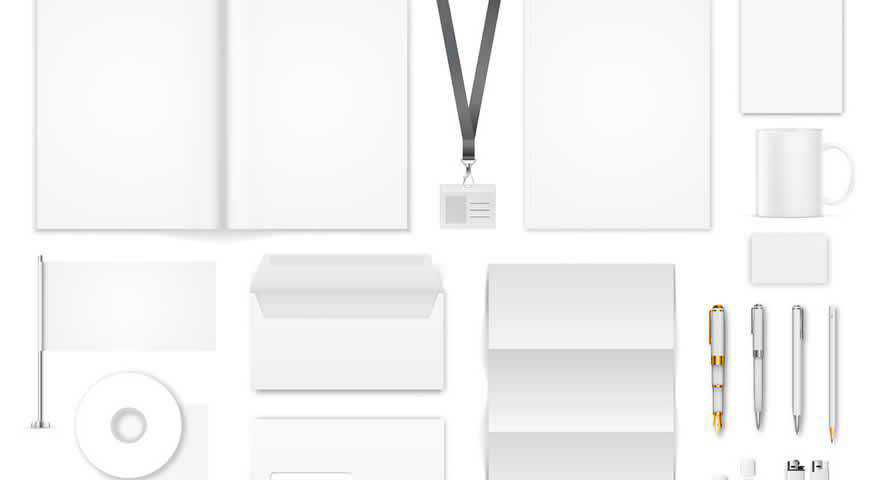
- Minimalist Stationery Mockups: For those who prefer a "less is more" approach, these clean, high-resolution templates focus on typography and negative space, ensuring the brand logo takes center stage.
Implications for Agencies and Freelancers
The adoption of high-quality mockups has significant implications for how agencies charge and communicate. By providing a "life-like" preview, designers can:
- Reduce Revision Cycles: When a client sees the vision fully realized, they are less likely to request arbitrary changes based on a lack of understanding of the final product.
- Increase Perceived Value: A professional presentation commands a higher fee. It signals that you are not just a graphic designer, but a brand consultant who understands production and marketing.
- Ensure Brand Integrity: Mockups act as a quality control mechanism. If a design looks cluttered on a mock-up of a business card, you can refine it immediately, saving the client from costly printing errors down the line.
Expert Perspective: Why Context Matters
"Designers often fall into the trap of designing for the screen," says a lead art director at a top-tier creative firm. "But a brand lives in the world. When we introduce mockups into our workflow, we are essentially building a bridge to the client’s world. We aren’t showing them a logo; we are showing them their company’s future presence. It’s an emotional sell, not just a technical one."
This sentiment is echoed across the industry. Whether you are presenting a startup brand on a budget or a multinational corporation’s rebrand, the use of context—placing the design in a messy, authentic, or professional environment—is what creates the "wow" factor.
Best Practices for Using Mockups
To get the most out of your branding identity templates, follow these professional guidelines:
- Match the Lighting: If you are placing a logo on a coffee cup, ensure the lighting in your template matches the intended lighting of the final product launch.
- Don’t Over-Stage: While it is tempting to use every item in a scene, sometimes less is more. Keep the focus on the primary brand assets to avoid distracting the viewer.
- Customize the Details: Don’t just drop your logo in and leave the default settings. Adjust the foil stamping, change the background texture, or edit the shadows to make the template unique to your client’s brand.
- Consistency is Key: Use the same template style throughout a pitch deck to create a sense of cohesion.
Conclusion: Making Your Brand Sing
A brand identity is a symphony of typography, color, and form. When you use branding identity mockups, you are no longer just showing the client the individual notes; you are conducting the full performance. Whether you are working with a classic corporate identity or an edgy, modern startup, the tools are available to help you visualize, refine, and present your work with total confidence.
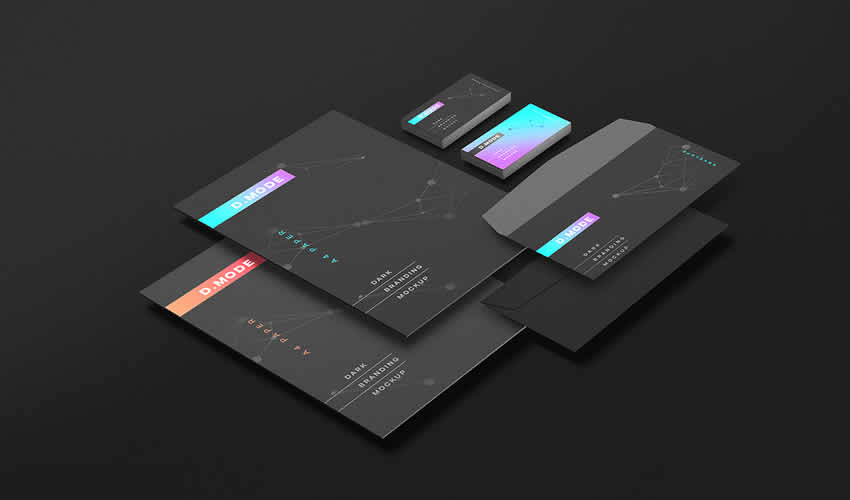
By investing in high-quality mockups, you ensure that your design is not just seen, but experienced. As you prepare your next branding strategy, remember: the goal is to make your client feel the "vibe" of their brand from the audience’s perspective. With the right template, the transition from screen to reality is not just seamless—it’s transformative.
For those seeking further inspiration, our extensive library of branding identity templates offers solutions for every industry, from hospitality and fashion to technology and corporate services. Remember, the first impression is often the last. Ensure your brand’s first impression is a masterpiece.

 Nana Muazin
 Neng Nana

 Azzam Bilal Chamdy
 Raul Delapena Setiawan

 Ali Ikhwan

 Pevita Pearce
