
 Layla Zulfa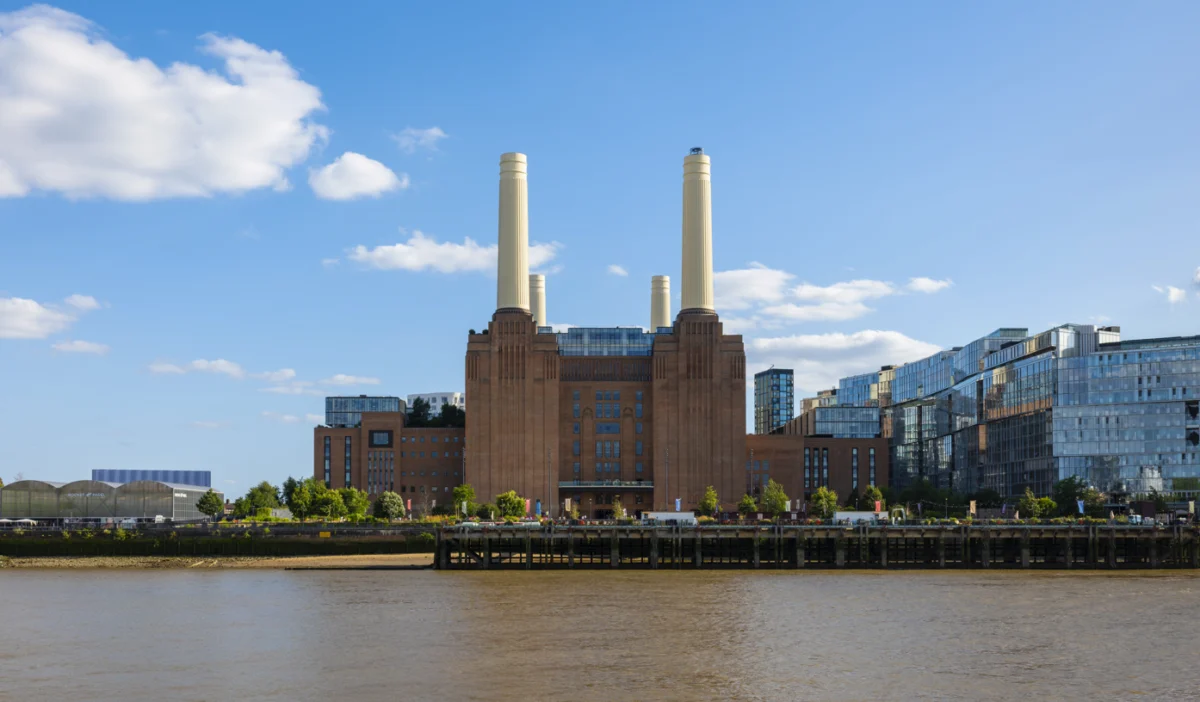
Wellness has officially transcended its status as a seasonal marketing buzzword. It is no longer an optional "add-on" for the modern consumer; it is a fundamental pillar of lifestyle, identity, and daily decision-making. As the physical retail landscape undergoes a radical transformation to survive and thrive in a digital-first world, the integration of health, movement, and recovery has become the ultimate anchor for footfall.
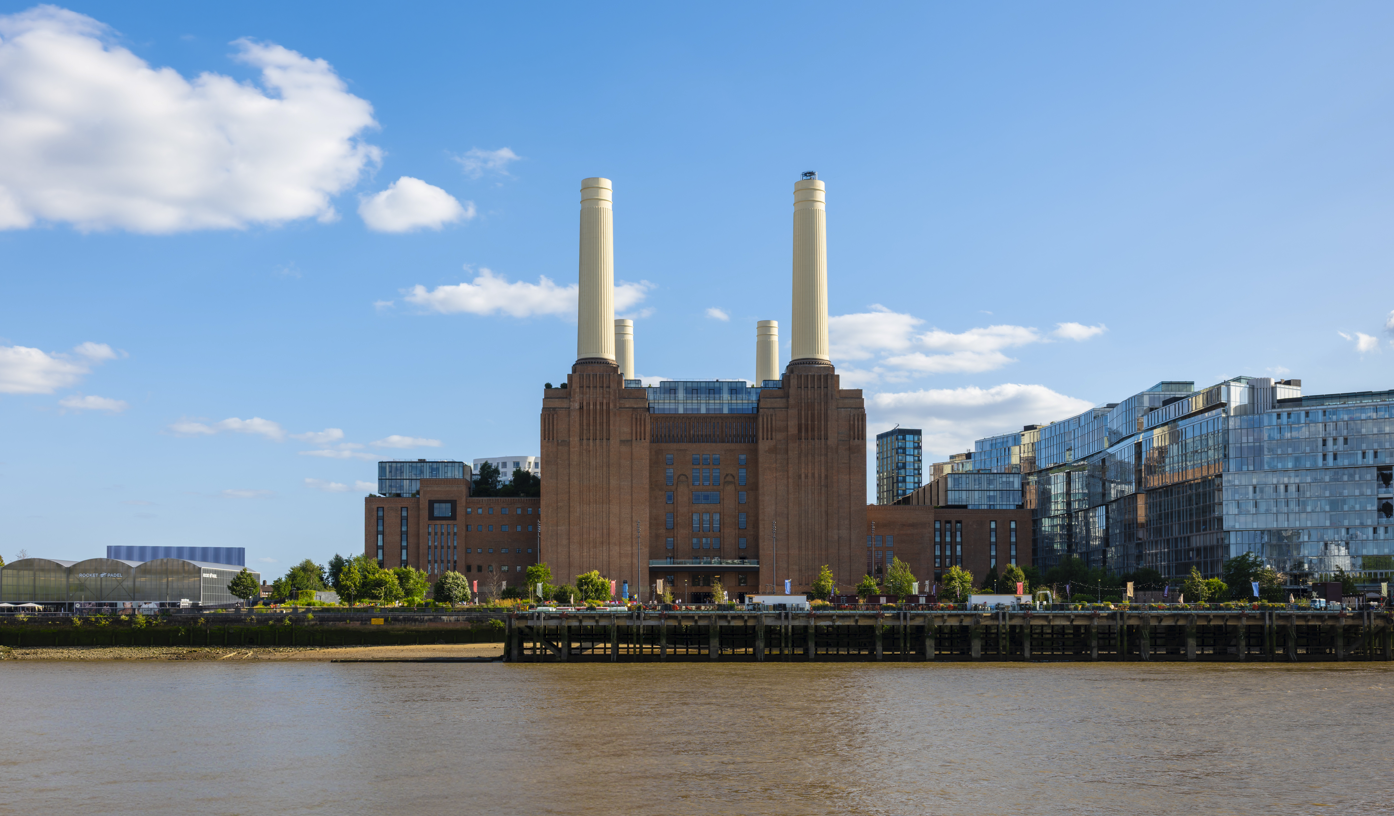
Harriett Renny, director of commercial leasing at Battersea Power Station, notes that this shift is reshaping the very fabric of how Londoners live and spend their leisure time. Across the capital and beyond, the appetite for high-end fitness studios, holistic health clinics, and lifestyle-integrated athleisure brands has accelerated, signaling a departure from traditional shopping towards "experience-led neighborhoods."
The Economic Engine: Why Wellness is Booming
The numbers support the observation. According to the latest data from the Global Wellness Institute (GWI), the global wellness economy reached an unprecedented $6.8 trillion in 2024. Projections indicate this figure will balloon to $9.8 trillion by 2029, cementing its position as one of the most rapidly expanding sectors in the modern global economy.
Perhaps more significant for the real estate sector is the rise of "wellness real estate." This specific segment has been expanding at a compound annual rate of 19.5% since 2019. This growth reflects a profound change in consumer demand: people are no longer just looking for a place to buy goods; they are seeking environments intentionally designed around movement, social connection, and preventative health. For landlords and commercial developers, the mandate is clear: build spaces that make the customer feel better, or risk losing them to the convenience of digital alternatives.
A Chronology of Transformation: The Battersea Case Study
Battersea Power Station serves as the perfect case study for this evolution. Since its rejuvenation, the destination has pivoted from a retail-centric model to a wellness-first ecosystem.
- 2023: The landmark luxury health club, Third Space, opened its doors, occupying 28,000 square feet and establishing a new benchmark for high-end fitness in the area.
- 2024: LIPS Healthcare launched its flagship facility, focusing on preventative care, diagnostics, and longevity—bridging the gap between a gym and a medical center. Simultaneously, other digital-first brands began exploring physical footprints in the area.
- Early 2025: The momentum accelerated with the opening of a 15-bed Heartcore Pilates studio, followed by the arrival of Alo Yoga, which utilized community-led activations to bridge the gap between retail and lifestyle.
- April 2025: Biowell Health joined the fold, introducing advanced recovery modalities such as cryotherapy, red light therapy, hyperbaric oxygen, and IV infusion treatments.
- Mid-2025 (Present): Battersea recently announced a massive 13,833-square-foot expansion for Third Space, effectively doubling down on its commitment to the fitness demographic.
- Late 2025: The highly anticipated opening of One City—a Brighton-based spin and run concept—marks its inaugural London studio, signaling the continued influx of specialized boutique fitness into the neighborhood.
Supporting Data: From Digital-Native to Brick-and-Mortar
The migration of wellness brands from the digital realm to physical storefronts is not an isolated phenomenon—it is a strategic move to capture "community capital."
Recent research from McKinsey & Company’s Future of Wellness report highlights that 79% of UK consumers now categorize wellness as a "top" or "important" priority in their daily lives. This is not a passive interest; it is a behavioral driver. The research further underscores a growing fatigue with purely digital experiences, with consumers increasingly placing a premium on in-person, tactile, and communal wellness environments.
This trend is visible across the UK’s retail corridors:
- TALA: Founded by entrepreneur Grace Beverley, the brand successfully navigated the jump from a massive digital following to its first physical store on Carnaby Street in 2025.
- Gymshark: A pioneer in this space, their Regent Street flagship (opened in 2022) proved that digital-native fitness apparel brands could thrive by creating "hubs" for their community.
- Neko Health: Co-founded by Spotify’s Daniel Ek, this health-tech venture launched its first London clinic in 2024, signaling a shift toward tech-enabled preventative healthcare as a destination anchor.
- Oura: The smart-ring giant partnered with Harrods to provide an immersive experience, proving that even high-tech wearables benefit from physical touchpoints where customers can receive personalized insights and expert guidance.
Implications for the Future of Retail
For developers and retail operators, the implications are profound. Retail destinations are shifting from being "shopping centers" to "social infrastructure."
The integration of weekly run clubs—hosted by brands like Adidas, On, and Third Space—proves that retail spaces can act as community catalysts. When Battersea Power Station hosted its "Power Your Potential" week-long event, it delivered over 20 curated activations focused on mindfulness and movement. These events aren’t just about selling products; they are about fostering identity and routine, effectively turning a commercial property into a vital part of a consumer’s daily health regimen.
The Shift in Tenant Mix
The traditional retail mix of clothing stores and chain restaurants is being replaced by a diversified "wellness-first" roster:
- Recovery & Longevity: Facilities like Biowell Health provide medical-grade recovery, which acts as a magnet for high-spending, health-conscious demographics.
- Specialized Movement: Boutique studios (Pilates, spin, yoga) provide the "sticky" factor—customers who come three times a week for a class are exponentially more likely to dine, shop, and socialize in the immediate area.
- Preventative Diagnostics: Facilities like LIPS Healthcare transform the shopping destination into a multi-purpose health hub, offering convenience that digital services cannot replicate.
Official Perspective: The Path Forward
Harriett Renny summarizes the philosophy of this new era: "Wellness is no longer simply a trend; it has become a key part of how people choose to live, spend time, and engage with places."
The success of these destinations depends on "genuine connection." In a world where goods can be delivered to one’s doorstep with a single click, the physical space must offer something that the screen cannot: a sense of belonging. By embedding wellness into the physical environment, landlords are effectively creating "third spaces"—environments that are neither work nor home, but are essential for human well-being.
Conclusion: A New Blueprint for Success
As we look toward 2030, the retail destinations that flourish will be those that have successfully pivoted from being transactional to being transformational. The "Battersea Model"—a blend of luxury health, medical recovery, high-end retail, and community-driven events—is becoming the industry standard.
For the consumer, this means the local high street is becoming a place to recover from the stresses of modern life rather than just a place to spend money. For the landlord, it represents a more resilient business model, one where footfall is driven by the human need for health and connection rather than the fluctuating demand for seasonal products.
The wellness revolution in retail is not merely about selling yoga mats or smoothies; it is about building the social infrastructure of the future. By thoughtfully integrating health into the retail mix, developers are creating environments that don’t just survive the digital transition—they thrive, offering a human-centric alternative to the digital void. In this new landscape, the most successful brands will be those that view their customers not as shoppers, but as individuals seeking to optimize their lives, their health, and their communities.


 Ammar Sabilarrohman
 Nana Wu
 Suro Senen
 Jia Lissa
 Evan Lee Salim

 Ali Ikhwan