
 Asep Darmawan
The landscape of artificial intelligence underwent a seismic shift in July 2026. As Google continues its two-decade legacy of machine learning investment, the company’s recent announcements signal a move away from purely experimental AI toward a phase defined by industrial-scale utility, physical-world integration, and enhanced creative autonomy. From the evolution of the Gemini model family to pioneering advancements in wildfire detection and robotic reasoning, Google’s July roadmap offers a clear glimpse into the future of human-AI collaboration.
The Core Strategic Pillars: Building for Scale and Utility
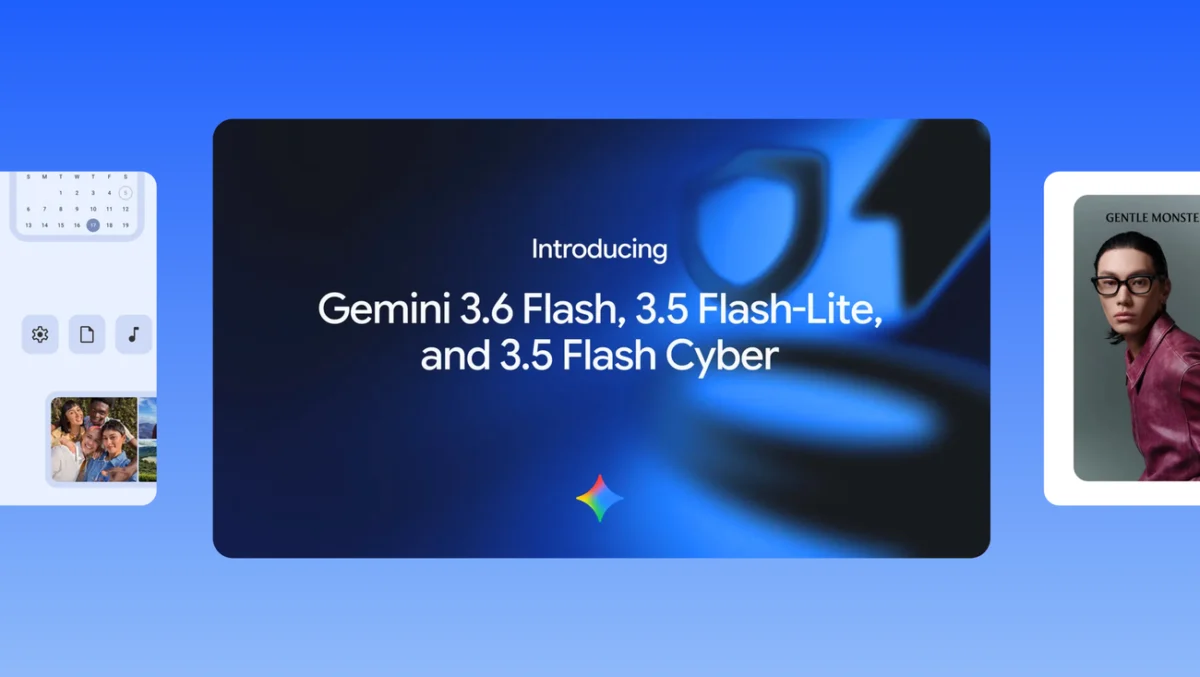
The July 2026 updates were not merely incremental improvements; they represented a strategic pivot to meet the evolving needs of developers and enterprise clients. At the heart of this push are three new iterations of the Gemini model: Gemini 3.6 Flash, 3.5 Flash-Lite, and 3.5 Flash Cyber.
For developers building AI agents intended for production environments, the primary hurdles have historically been latency and token efficiency. By releasing these specific tiers, Google is targeting the "sweet spot" of performance. These models allow for complex, agentic workflows—where AI doesn’t just answer questions but executes multi-step tasks—at a fraction of the cost and time previously required. This democratization of high-performance models is expected to accelerate the adoption of autonomous agents across industries ranging from supply chain management to customer service.
Bridging the Digital and Physical: Gemini Robotics ER 2
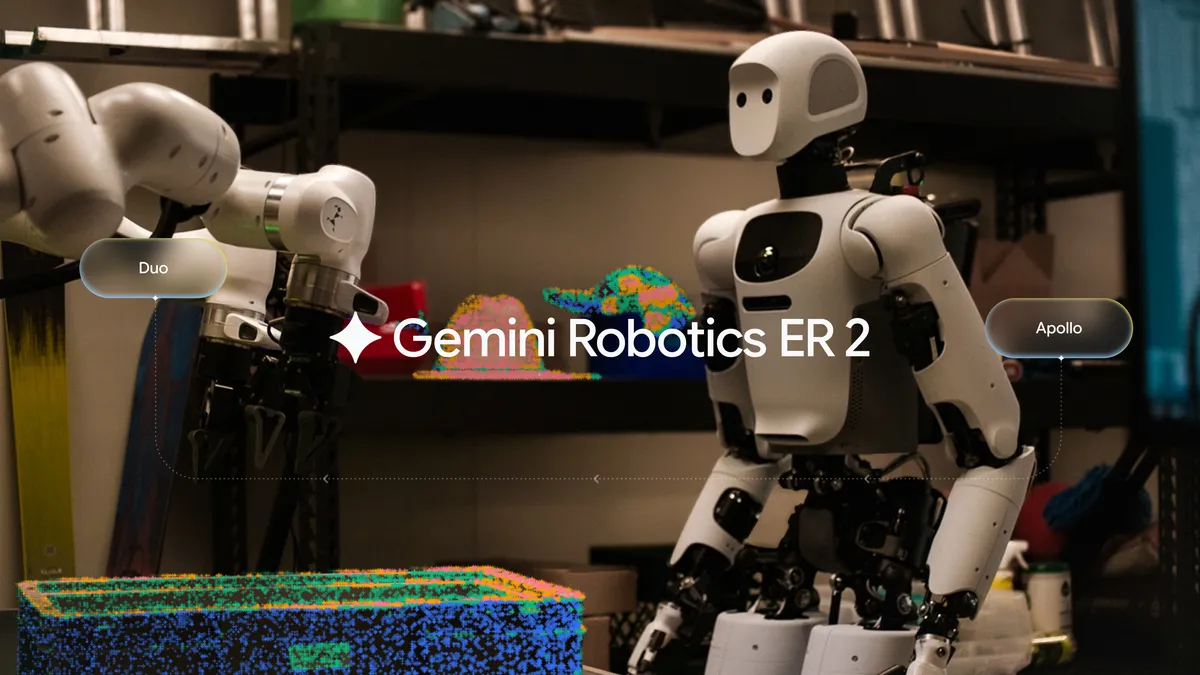
Perhaps the most visceral demonstration of progress in July was the unveiling of Gemini Robotics ER 2. Embodied reasoning (ER) represents the "Holy Grail" of robotics: the ability for a machine to not just follow pre-programmed instructions, but to perceive its environment, reason about obstacles, and collaborate with humans in real-time.

ER 2 allows robots to process multi-modal inputs—seeing, hearing, and sensing their surroundings—to solve complex, physical tasks. Unlike previous generations of robotics that struggled in unstructured environments, the ER 2 model enables machines to engage in natural, fluid interaction with people. This breakthrough bridges the widening gap between digital intelligence and physical execution, setting the stage for a new generation of service, manufacturing, and assistance robots that can navigate the messy, unpredictable nature of the real world.
Consumer Ecosystems: The Galaxy Unpacked Integration
The impact of these research breakthroughs reached consumers directly through the integration of Gemini Intelligence into the new Samsung Galaxy Z Fold8 Ultra, Fold8, and Flip8. This launch marks a significant shift in mobile computing, where the smartphone ceases to be just a portal to the internet and becomes a proactive personal assistant.

Furthermore, Google introduced a sophisticated, native migration experience within Android 17. By allowing users to transfer data from iPhones to Android devices wirelessly—without the friction of third-party apps—Google is lowering the barrier to entry for its ecosystem. This, combined with the deeper integration of apps like YouTube Music into "AI Mode" within Search, illustrates Google’s desire to make AI a seamless, invisible layer of the user’s digital life.
Chronology of Innovation: A Month in Review
- Early July: Announcement of the Gemini 3.6 Flash family, focusing on developer-centric efficiency.
- Mid-July: Launch of the Alliance for America’s Skilled Trades with partners like BlackRock and Ford, emphasizing the socio-economic dimension of the AI era.
- Late July: The Galaxy Unpacked event, showcasing the deployment of Gemini Intelligence on flagship mobile hardware.
- Ongoing throughout July: The rollout of "Gemini Spark," which now allows users to automate complex, time-consuming web errands—such as booking flights or scheduling apartment viewings—using secure, personal-account integration.
Supporting Data and Research: The AI & Economy ATLAS
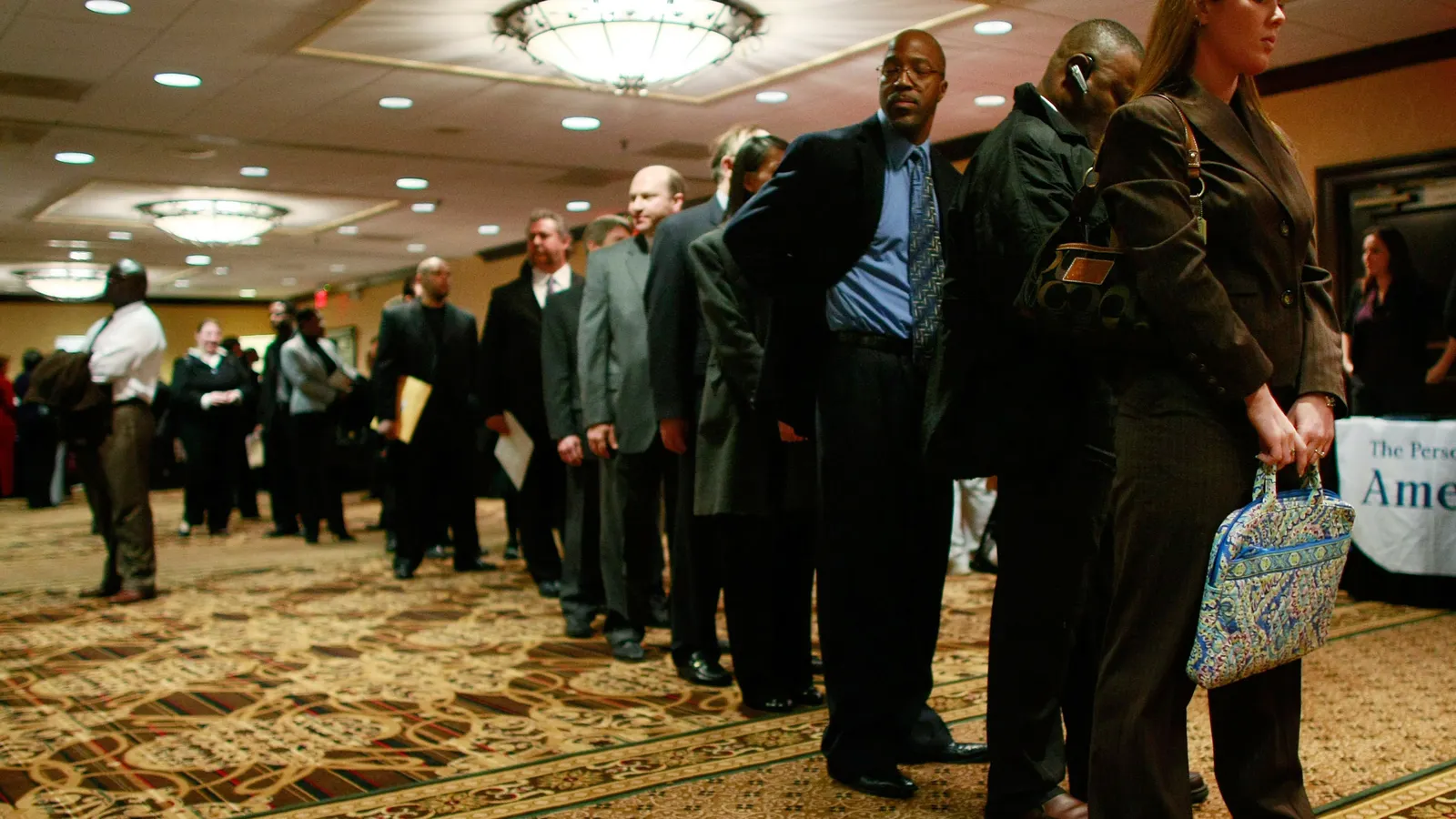
Recognizing that the rapid pace of AI adoption creates anxiety and uncertainty, Google launched the AI & Economy ATLAS. This large-scale, de-identified study provides a transparent look at how the workforce is currently utilizing AI. By tracking how capabilities evolve and how these tools impact economic productivity, Google is attempting to create a "dashboard" for the AI era.
This research-led approach is crucial. As noted by Google DeepMind Co-Founder and CEO Demis Hassabis, we are currently at a "critical moment in history." The ATLAS project serves as a safeguard, ensuring that as AI scales, policymakers and industry leaders have empirical data to guide their decision-making, rather than relying on speculation.
Official Perspectives and Vision
The tone from Google leadership throughout July was one of "responsible ambition." Demis Hassabis, in his discourse on the "Framework for Frontier AI," emphasized that the dawning of this new age requires a balance between rapid innovation and foundational safety.

This philosophy is best exemplified by the Bioresilience program, a joint initiative between Google DeepMind and Isomorphic Labs. The program aims to ensure that while AI models become increasingly powerful, they are protected against misuse by bad actors. By collaborating with governments and biosecurity experts, Google is signaling that the development of frontier AI will not happen in a vacuum, but in active partnership with the global regulatory community.
Societal and Environmental Implications
The most profound impact of July’s announcements lies in the "AI for Good" initiatives. The deployment of FireSat satellites represents a tangible victory in the fight against climate change. By detecting wildfires in their infancy, before they spread into uncontainable infernos, this partnership with the Earth Fire Alliance demonstrates how satellite imagery, combined with AI pattern recognition, can save lives and ecosystems.

Additionally, the collaboration between NOAA and Google Cloud highlights how high-performance computing (HPC) is being revolutionized. By moving numerical weather prediction to the cloud, meteorologists can run simulations at unprecedented scales. This means faster, more accurate early warnings for extreme weather events, effectively turning Google’s infrastructure into a global public safety utility.
Creative Autonomy: The Future of Media
July also saw significant leaps in creative tools. The Google Vids update, featuring Gemini Omni and personalized digital avatars, allows users to generate professional-grade video content using only natural language prompts. This lowers the barrier to video production, allowing anyone to communicate ideas with the polish of a production studio.

Similarly, the Lyria 3.5 model for music generation brings a new level of emotional depth and vocal quality to AI-assisted composition. By reconstructing legendary lost moments—such as Pelé’s "lost goal"—Google is showing that AI can be a tool for historical preservation and cultural celebration, not just content automation.
Conclusion: A New Baseline for the AI Era
As July 2026 closes, the implications are clear: the conversation around AI has moved from "what is it?" to "how can we best use it?" Whether it is through optimizing code with AlphaEvolve, managing complex web tasks with Gemini Spark, or protecting the planet with FireSat, Google is positioning its AI stack as the essential operating system for the modern world.

The breadth of these announcements—covering hardware, software, robotics, climate science, and economics—suggests that Google is no longer just a search company or an AI lab; it is an infrastructure provider for the next century of human progress. As we look toward the remainder of 2026, the challenge will be to ensure that these powerful tools remain accessible, equitable, and, most importantly, aligned with the fundamental needs of humanity. The path forward, as illuminated by July’s developments, is one where AI is increasingly "invisible," deeply helpful, and profoundly transformative.


 Raul Delapena Setiawan
 Jia Lissa

 Ammar Sabilarrohman


 Asro
 Layla Zulfa
 Nila Kartika Wati
 Muslim
