
 Iffa Jayyana
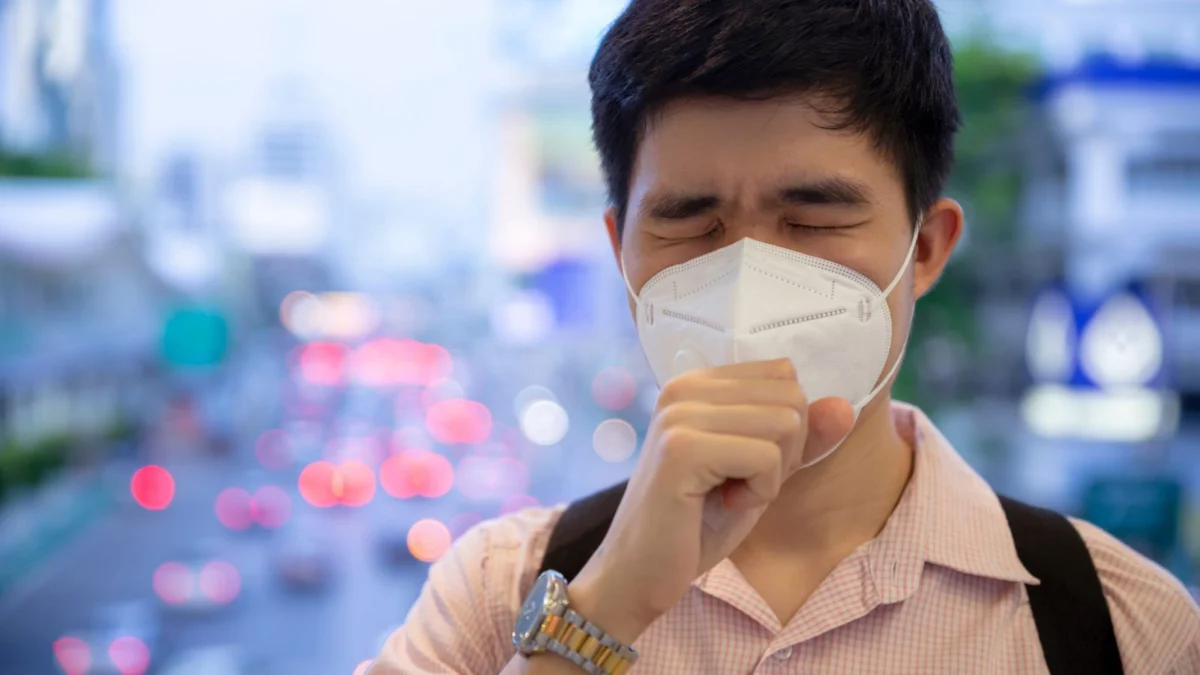
SINGAPORE — As part of a proactive strategy to safeguard public health against fluctuating air quality, the Singapore Government has announced the commencement of a second round of mask distribution starting October 23. This latest initiative is characterized by a significant policy shift: the lowering of the eligibility age for seniors, ensuring that a broader segment of the silver generation is protected from the adverse effects of the haze.
Minister for Sustainability and the Environment, Grace Fu, confirmed the details of the rollout, emphasizing that while recent days have seen an improvement in the Pollutant Standards Index (PSI) levels, the nation must remain vigilant. The move underscores the government’s commitment to "health first," prioritizing accessibility for those most susceptible to respiratory complications.
Main Facts: Expanding the Safety Net
The upcoming distribution exercise, scheduled to begin on Friday, October 23, introduces several key updates to the existing framework. The most notable change is the reduction of the age requirement for seniors from 67 to 60. This adjustment is a direct response to public feedback and a recognition of the physiological vulnerabilities that begin to increase as citizens enter their 60s.
Under the new guidelines, eligible Singaporeans—including those from the Merdeka Generation (MG) and Pioneer Generation (PG)—can collect a pack of two masks. For those who were eligible during the initial distribution phase but did not manage to collect their masks, a cumulative total of four masks will be available for collection at any People’s Association (PA) Community Club (CC).
The distribution will utilize a multi-channel approach, leveraging both the physical infrastructure of Community Clubs and the technological efficiency of mask vending machines strategically placed across the island. To ensure no one is left behind, the government has also clarified the process for other vulnerable demographics. Pregnant women, children between the ages of seven and 16, and individuals with pre-existing medical conditions such as asthma or chronic obstructive pulmonary disease (COPD) are eligible to collect masks at PA CCs upon presentation of their NRIC.
Chronology of the Haze Response and Distribution
The current mask distribution exercise is not an isolated event but rather the second phase of a coordinated national response to the haze situation that has periodically affected the region.
- Early October: The first signs of deteriorating air quality prompted the government to activate the initial round of mask distribution. At this stage, the eligibility for seniors was set at age 67 and above, focusing on the most elderly residents.
- Mid-October: As the haze persisted, the Ministry of Sustainability and the Environment (MSE) and the National Environment Agency (NEA) monitored the PSI levels closely. Despite a slight improvement in air quality toward the middle of the month, meteorological forecasts suggested that shifting wind patterns could once again bring smoke haze from regional hotspots toward Singapore.
- October 20-22: Following a review of the first round and an analysis of public sentiment, the government finalized the decision to lower the eligibility age. Retailers reported a surge in demand, leading to temporary stockouts in some heartland areas.
- October 23: The official launch of the second round of distribution. Vending machines are restocked, and CCs are prepared for a higher footfall due to the expanded eligibility criteria.
Supporting Data: Infrastructure and Accessibility
To facilitate a seamless distribution process, the Singapore Government has integrated technology with community outreach. The use of vending machines, which became a staple of public health logistics during the COVID-19 pandemic, allows for 24/7 access, reducing the need for residents to queue during office hours.
Distribution Logistics by the Numbers:
- Collection Points: Over 100 Community Clubs and hundreds of vending machines located in HDB void decks and transport hubs.
- Mask Allocation: Two masks for the second round; four masks for those who missed the first round.
- Age Threshold Change: A decrease of seven years (from 67 to 60), which is estimated to bring tens of thousands of additional Singaporeans into the eligibility bracket.
Furthermore, the government is addressing the commercial side of mask availability. While the free distribution serves as a safety net, the Ministry of Health (MOH) is simultaneously managing the national stockpile to assist the private sector. Retailers such as Sheng Siong, Giant, and Cold Storage are currently working with the government to replenish their shelves. In contrast, the FairPrice Group has maintained a steady supply through its extensive network of physical stores and online platforms, serving as a secondary pillar for those who wish to purchase additional masks beyond the government allocation.
Official Responses: A Strategy of Preparedness
Minister Grace Fu’s statements during the announcement highlighted a balance between cautious optimism and rigorous preparation.
"The haze situation has improved over the last few days. However, the health of our people remains our top priority," Minister Fu stated. She explained that the decision to lower the age requirement was not merely a logistical update but a compassionate response to the concerns of the citizenry. "We have listened to the feedback from the public. By lowering the age to 60, we are ensuring that more of our seniors have the necessary protection should the air quality deteriorate again."

The Minister also addressed the psychological aspect of the haze, urging the public to remain calm despite retail shortages. She noted that while some shelves might appear empty, the national stockpile is robust, and the "time lag" in replenishment is a matter of logistics rather than a lack of supply.
In addition to the official government channels, the People’s Association has been mobilized to assist those with mobility issues. The PA has stated that family members or friends can collect masks on behalf of eligible individuals, provided they present the beneficiary’s NRIC at the collection point. This "proxy" system is vital for the homebound elderly who may not be able to navigate to a vending machine or CC.
Implications: Socio-Economic Impact and Community Resilience
The implications of this distribution exercise extend beyond immediate respiratory protection; they touch upon the core of Singapore’s social compact and its approach to environmental crises.
1. Strengthening the "Kampung Spirit"
Minister Fu’s call for volunteers, neighbors, and business owners to look out for the vulnerable highlights a reliance on social capital. By encouraging the community to assist delivery riders and the elderly, the government is fostering a culture of mutual aid. This is particularly relevant for the gig economy; delivery riders, who spend the majority of their working hours outdoors, are at a higher risk. The government has already taken steps to provide N95 masks and rest stops for these workers at 30 bus interchanges, but the broader community’s role in identifying those in need remains crucial.
2. Public Health and Economic Productivity
Haze is not just an environmental issue; it is an economic one. Prolonged exposure to high PSI levels can lead to increased hospitalizations and a decrease in workforce productivity. By proactively distributing masks to the 60+ demographic—many of whom are still active in the workforce or serve as primary caregivers for grandchildren—the government is mitigating potential healthcare costs and social disruptions.
3. Regional Environmental Diplomacy
The recurring nature of the haze serves as a reminder of Singapore’s vulnerability to regional environmental practices. While the mask distribution is a domestic "downstream" solution, it operates in tandem with "upstream" diplomatic efforts within ASEAN to address the root causes of peatland fires and transboundary haze. The government’s readiness to tap into the national stockpile demonstrates a high level of state capacity in managing environmental risks that are outside its direct territorial control.
4. Technological Integration in Governance
The successful deployment of vending machines for haze masks reinforces Singapore’s "Smart Nation" ambitions. The ability to pivot a technological solution used for a pandemic (COVID-19) to an environmental crisis (haze) shows a versatile and resilient administrative framework. This infrastructure allows the government to respond to emergencies with a speed and granularity that traditional distribution methods might lack.
Conclusion
As Singapore prepares for the start of the second mask distribution round on October 23, the message from the Ministry of Sustainability and the Environment is clear: preparedness is the best defense. By lowering the eligibility age and streamlining the replenishment of retail stocks, the government is building a multi-layered defense against the haze.
Residents are encouraged to check their eligibility and locate their nearest collection points via the official "GoWhere" portal. As the nation navigates this environmental challenge, the combined efforts of government agencies, retailers, and the community will be the determining factor in ensuring that every Singaporean remains safe, healthy, and protected.


 Raul Delapena Setiawan
 Jia Lissa

 Ammar Sabilarrohman

 Asep Darmawan
 Asro

 Layla Zulfa

 Nila Kartika Wati

 Muslim
