
 Azzam Bilal Chamdy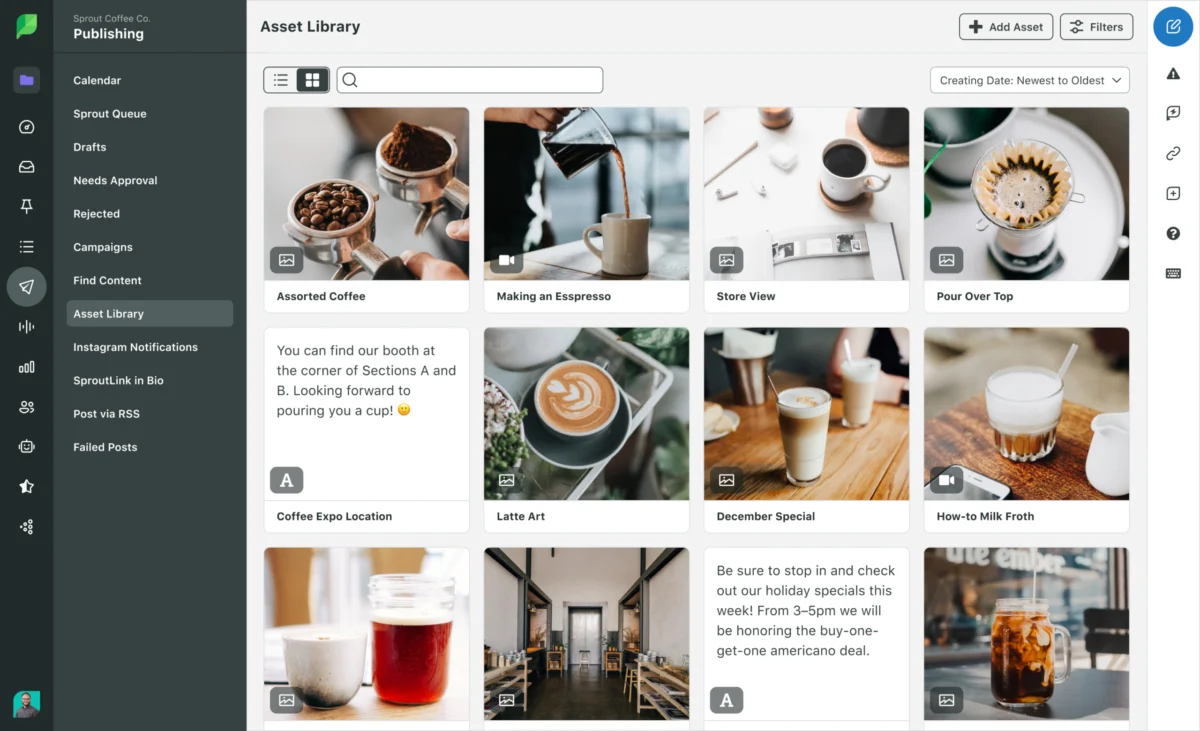
In the landscape of modern digital marketing, small businesses often find themselves trapped in a "follower race" on saturated platforms like Instagram or X (formerly Twitter). They chase engagement metrics that rarely convert into revenue, all while fighting against algorithmic volatility and the constant pressure to be "viral." However, there is a quieter, more powerful channel that remains one of the most under-leveraged assets in a marketer’s arsenal: Pinterest.
Unlike traditional social media, where users scroll to kill time, Pinterest users arrive with a distinct, built-in purchase intent. It is not a social network; it is a visual discovery engine. For the small business owner, this distinction is critical. On Pinterest, you are not competing for attention in a cluttered social feed; you are competing on the quality of your ideas in a search-driven environment. Because the majority of searches on the platform are unbranded, you don’t need a massive marketing budget to displace industry giants—you simply need to provide the best answer to a user’s query.

The Evolution of Social Commerce: A Chronology of Discovery
To understand why Pinterest has become a powerhouse, one must look at how the user journey has shifted over the last decade.
- The Early Years (2010–2015): Pinterest began as a digital scrapbooking tool, primarily used for home decor and DIY inspiration.
- The Rise of Intent (2016–2020): As the platform introduced Rich Pins and improved its machine-learning algorithms, it transitioned from a "vision board" to a "shopping assistant." Users began using the platform to plan weddings, renovations, and seasonal wardrobes, creating a bridge between inspiration and transaction.
- The Modern Era (2021–Present): With the introduction of the Verified Merchant Program and advanced ad-targeting, Pinterest solidified its role as a cornerstone of social commerce. Today, it serves as the top-of-funnel engine for brands, capturing customers at the very beginning of their decision-making process.
Supporting Data: The Case for Visual Intent
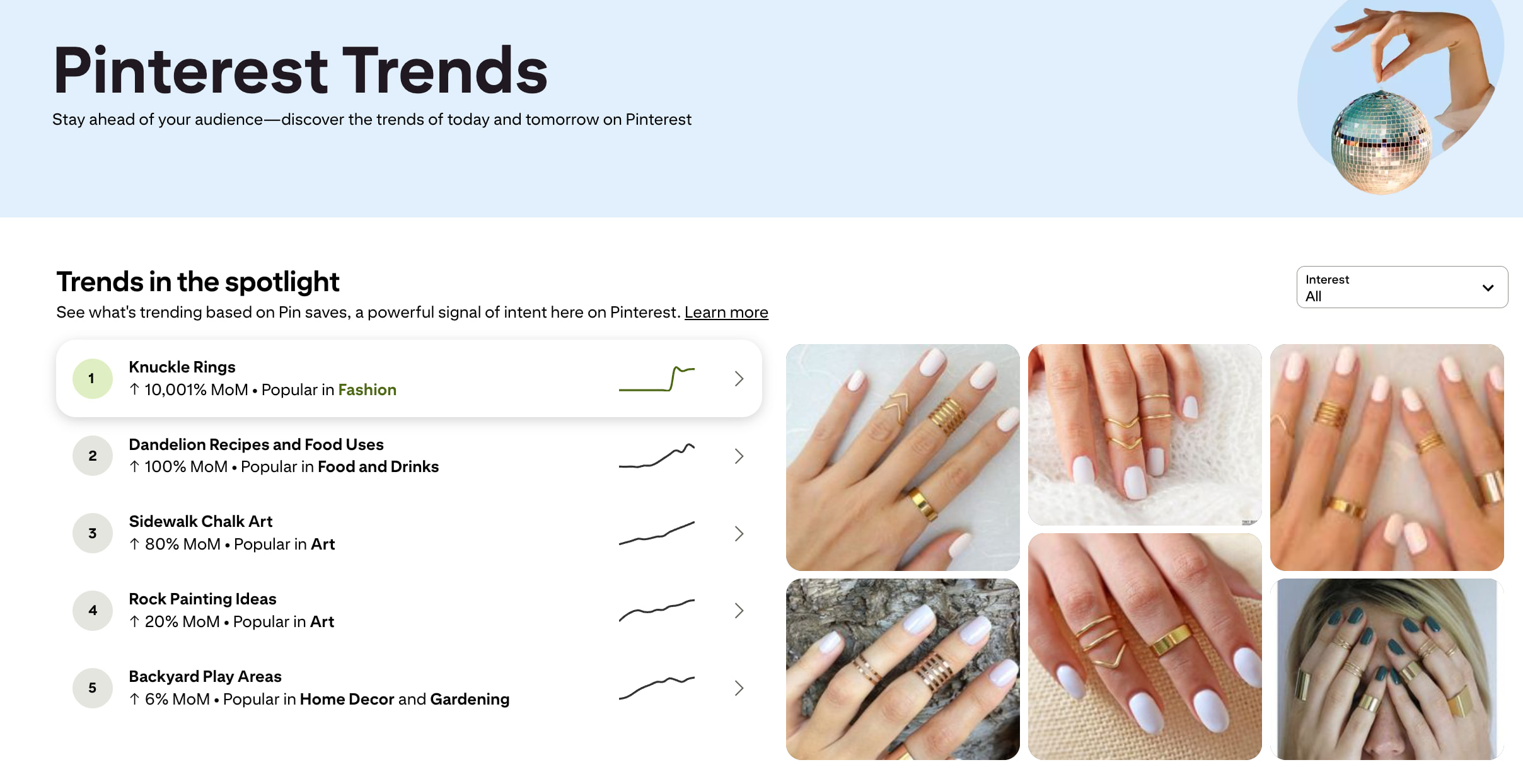
The efficacy of Pinterest is not merely anecdotal; the data paints a compelling picture of high-intent consumer behavior. According to The 2026 Social Media Content Strategy Report, 70% of Pinterest users interact with brand content at least once per week. Perhaps more importantly for small businesses, this figure climbs to 78% among Gen Z users, suggesting that the platform is the primary discovery hub for the next generation of consumers.
Unlike platforms that rely on the "infinite scroll" of entertainment, Pinterest’s search architecture is designed to capture the "research phase." When a user searches for "living room aesthetic" or "sustainable skincare routine," they are actively looking for products. By positioning your content to meet these searches, you are entering the customer’s journey at the most influential stage: before they have even decided which brand to buy from.
Building Your Foundation: The Business Account
If you are treating your Pinterest presence as an extension of a personal hobby, you are missing out on the platform’s most powerful tools. Transitioning to a Pinterest Business Account is the first step toward professionalizing your strategy.
A business account is free, yet it provides the data infrastructure necessary for growth. Once activated, you must claim your website. This is a vital step; it verifies your domain, ensures your profile picture appears on every pin saved from your site, and unlocks deep-dive analytics. Without this, you are effectively flying blind, unable to discern which pieces of content are driving traffic to your checkout page.
The Strategy: Keyword Research and SEO
Pinterest SEO is the backbone of organic growth. Unlike other platforms where content has a "half-life" of a few hours, a high-quality Pin can continue to drive traffic to your website for months or even years.
Mastering the Search Bar
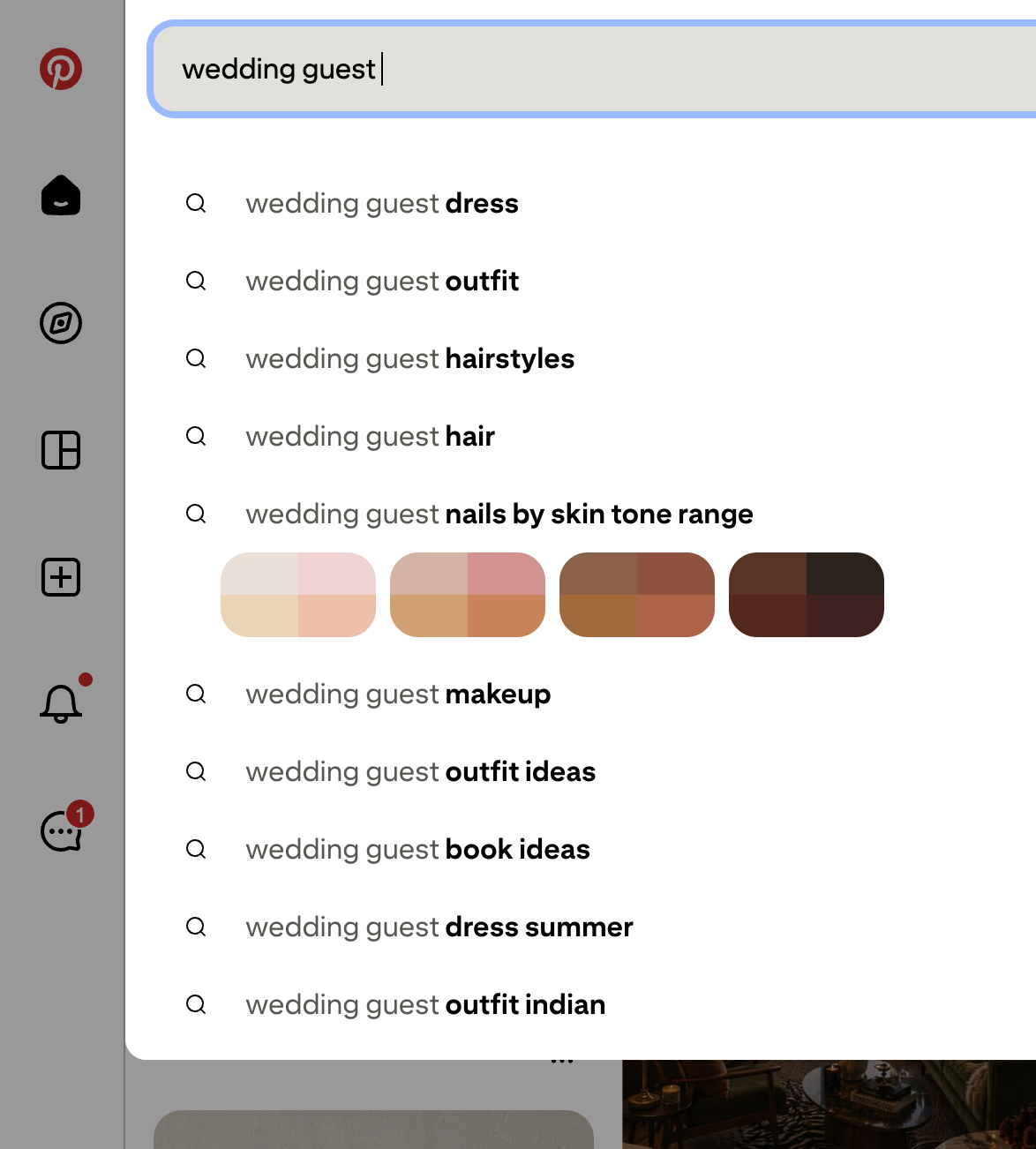
The most effective way to identify keywords is to use the platform’s own search bar. By typing a broad term related to your niche, you will see "guided search bubbles"—these are the exact phrases that real users are searching for in conjunction with your topic. These keywords should form the foundation of your:
- Board Titles: Use clear, descriptive language (e.g., "Small Space Home Office Ideas").
- Board Descriptions: Write natural, keyword-rich summaries that explain what a user will find.
- Pin Descriptions: Utilize the 500-character limit to include your primary keywords in the first 60 characters for optimal visibility.
Creating High-Performing Pins
A pin must perform a dual task: it must capture the user’s attention in a fast-moving feed and satisfy the algorithm’s requirement for relevance.
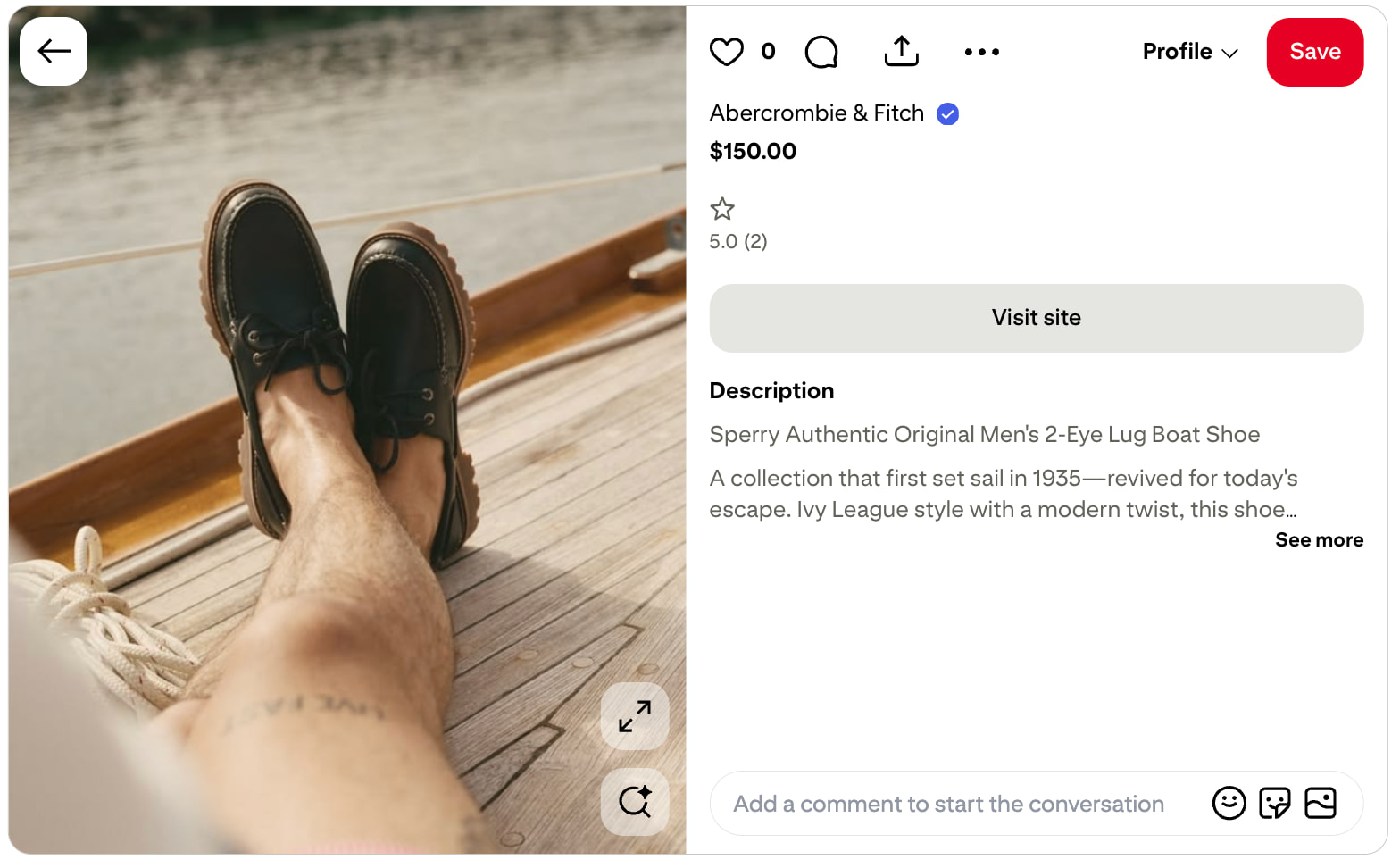
The Visual Anatomy of a Winning Pin
- Vertical Formatting: Always use a 2:3 aspect ratio (1000 x 1500 pixels). This takes up the most "real estate" on a mobile screen, which is where the vast majority of your customers are browsing.
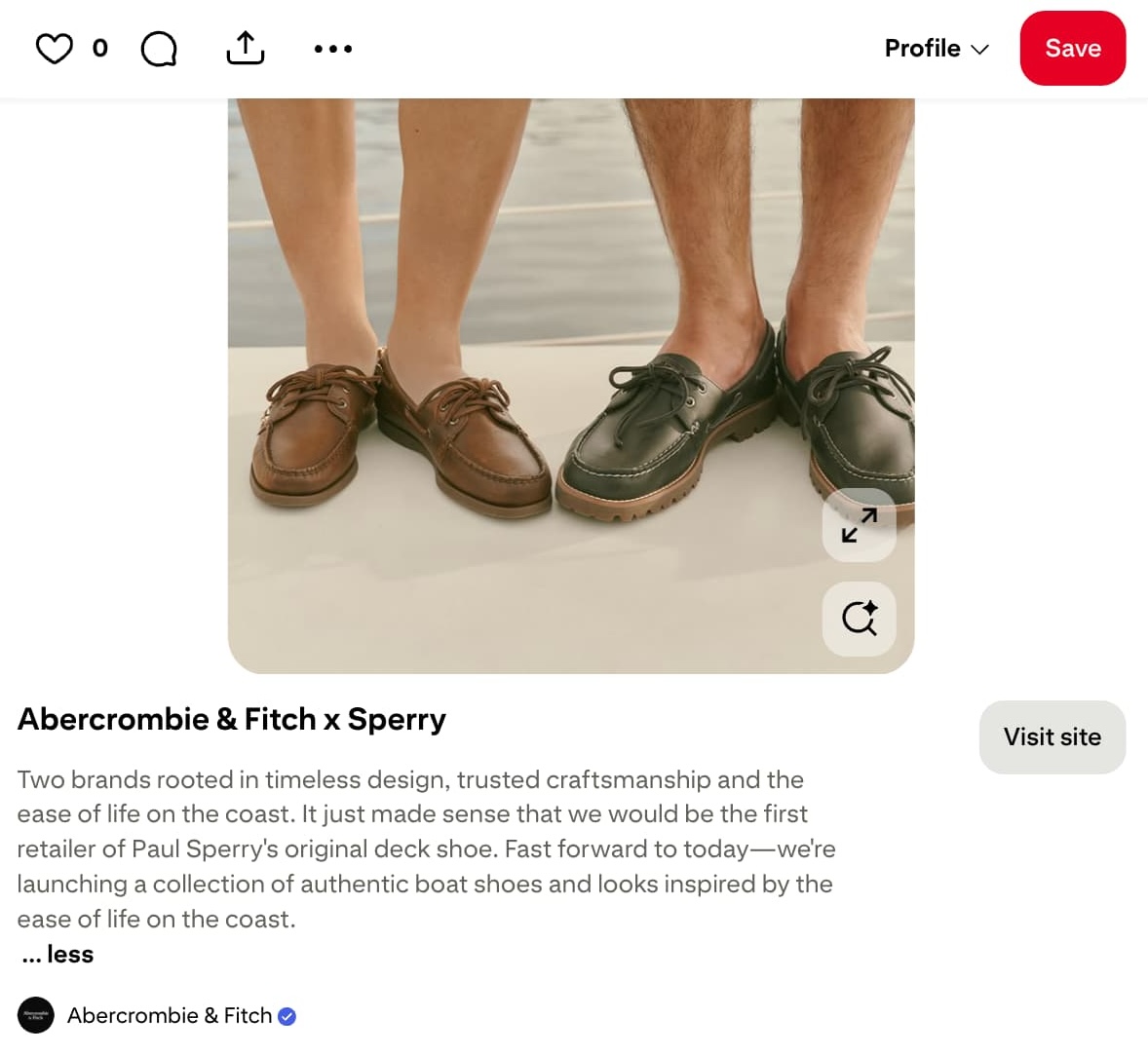
- Lifestyle over Product-Only: While a high-resolution product shot is necessary, "lifestyle imagery"—showing your product in use in an aspirational setting—consistently outperforms sterile white-background photos.
- Text Overlays: Use bold, legible fonts on your images to state the value proposition immediately. A user should know exactly what they will get by clicking the pin before they even read the description.
The Implications: Scaling with Technology
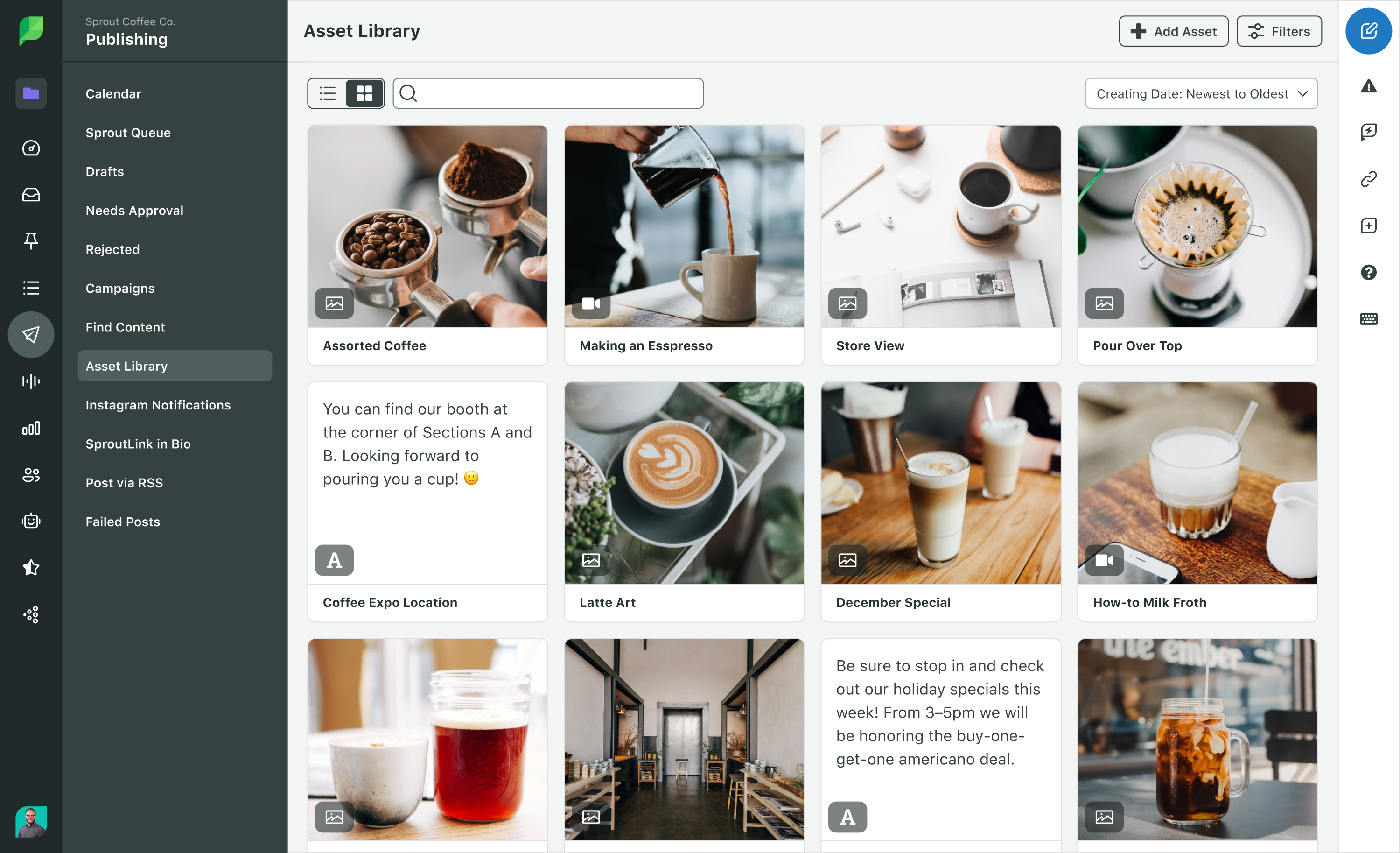
For a small business, the greatest barrier to Pinterest success is consistency. Because the algorithm favors long-term, daily activity over bulk-uploading, it is easy to succumb to burnout. This is where tools like Sprout Social Essentials change the game.
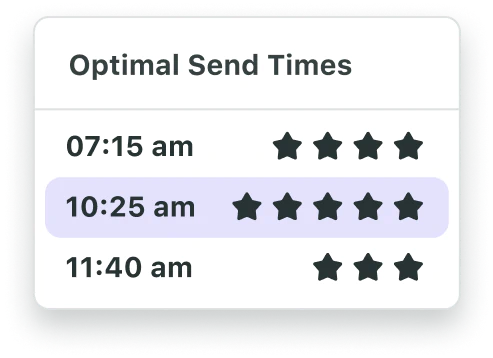
By centralizing your Pinterest strategy alongside your other social channels, you remove the "friction of switching." Advanced features like ViralPost® allow you to identify exactly when your audience is most active, ensuring that your pins reach their target at the moment of highest intent.
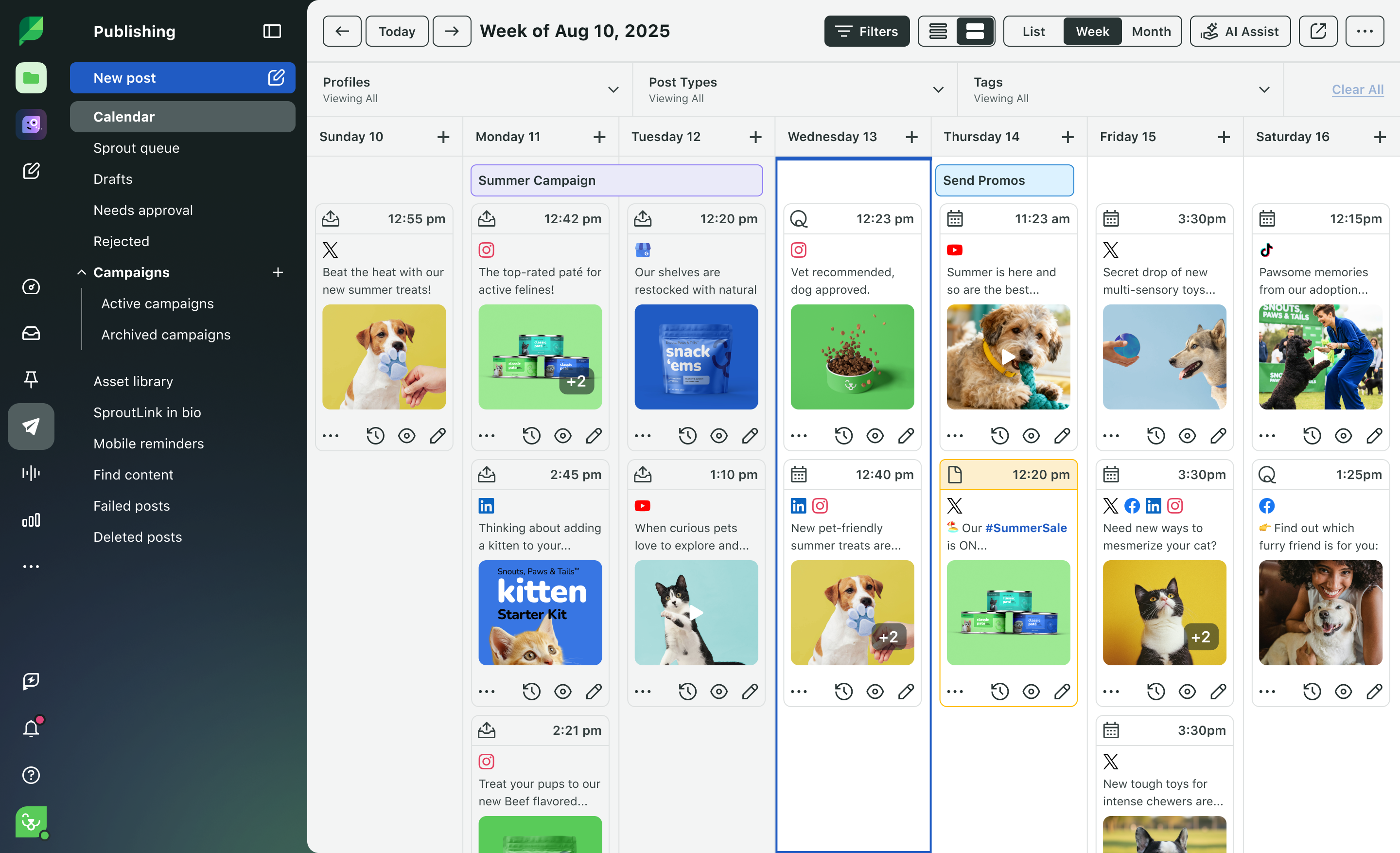
Furthermore, as your strategy matures, you should look toward Rich Pins. These are dynamic, auto-updating pins that pull real-time pricing and availability data directly from your website. For a small business with an e-commerce catalog, this is a massive time-saver, ensuring your customers never encounter an "out of stock" or "price mismatch" scenario.
Official Guidance and Best Practices
When discussing the future of Pinterest marketing, industry experts consistently point to the importance of the Verified Merchant Program. By applying for this, you gain access to the Shopping tab and a "Verified" badge, which significantly boosts consumer trust.
When it comes to measurement, look beyond vanity metrics. While "Impressions" and "Saves" are useful, your focus should be on Outbound Clicks and Conversion Rate. By using Pinterest Analytics to identify your top-performing content, you can create a feedback loop: replicate the design, format, and topic of your winning pins to build a sustainable pipeline of high-intent traffic.
Final Thoughts: The Long-Term ROI
Pinterest marketing is not a "get rich quick" scheme; it is a long-term investment in your brand’s discoverability. Because your content functions as an evergreen search result, the work you put in today will pay dividends long into the future.
By treating Pinterest as a search engine rather than a social network, and by leveraging professional-grade tools to manage your presence, you can compete with the largest brands in your sector. Start by optimizing your account, focus on solving user problems with your content, and remain consistent. In the world of Pinterest, quality is the ultimate competitive advantage. If you are ready to stop chasing followers and start capturing buyers, the path forward is clear: build your strategy on intent, measure your results, and let your brand be discovered by those who are already looking for what you have to offer.


 Nana
Nana
 Dwi Wanna
 Nila Kartika Wati
 Jia Lissa
 Basiran
 Sagoh
Sagoh

 Lina Hope