
 Laily UPN
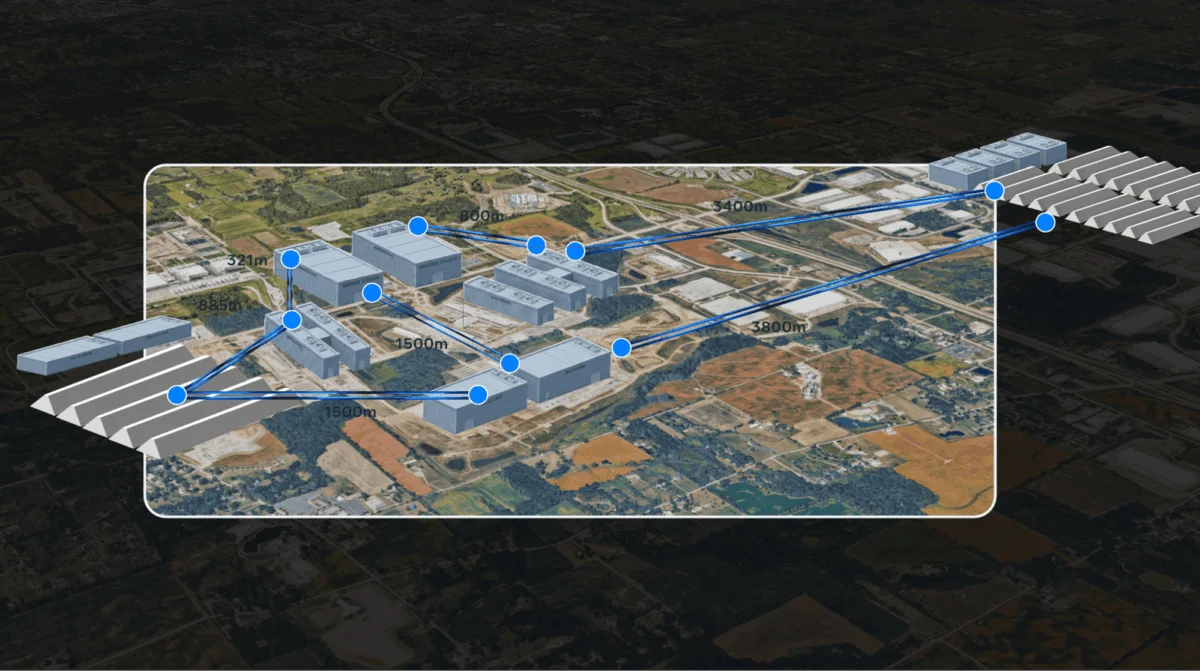
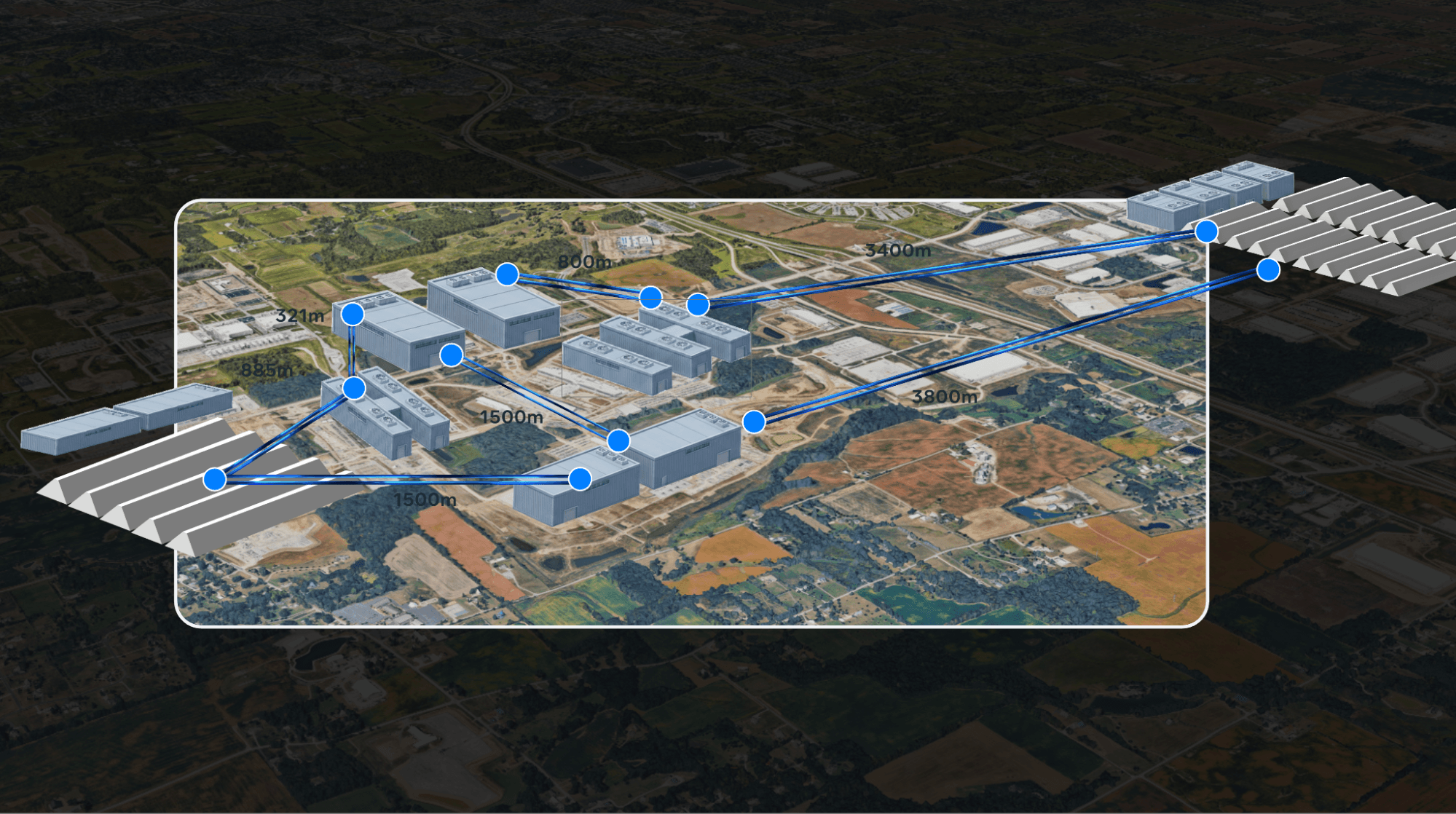
In the quiet landscape of New Albany, Ohio, a quiet revolution is taking place—one measured not in acres of farmland, but in the blistering speed of exa-scale computing. Meta is currently operating "Prometheus," a gigawatt-scale AI supercluster that represents the company’s most ambitious infrastructure endeavor to date. Designed to train the next generation of foundational models, Prometheus is the engine room for Meta’s future, providing the compute power necessary to bring agentic AI capabilities to billions of users worldwide.
The Evolution of Infrastructure: From Web Traffic to Frontier Models
Two years ago, the New Albany site was a conventional data center, optimized primarily for handling standard web traffic. Today, it has been completely reimagined. Through a massive overhaul of hardware, networking, and physical facility design, Meta has transformed this location into a specialized laboratory for frontier AI models.
The project is being rolled out in strategic phases. The successful completion of the initial phase provided the computational backbone for Meta’s "Muse" foundational models—including the recently unveiled "Muse Wonder." These models have demonstrated state-of-the-art performance in complex personal and professional agentic tasks, marking a significant milestone in Meta’s pursuit of artificial general intelligence (AGI).
The Quest for "Goodput": Reliability at Scale
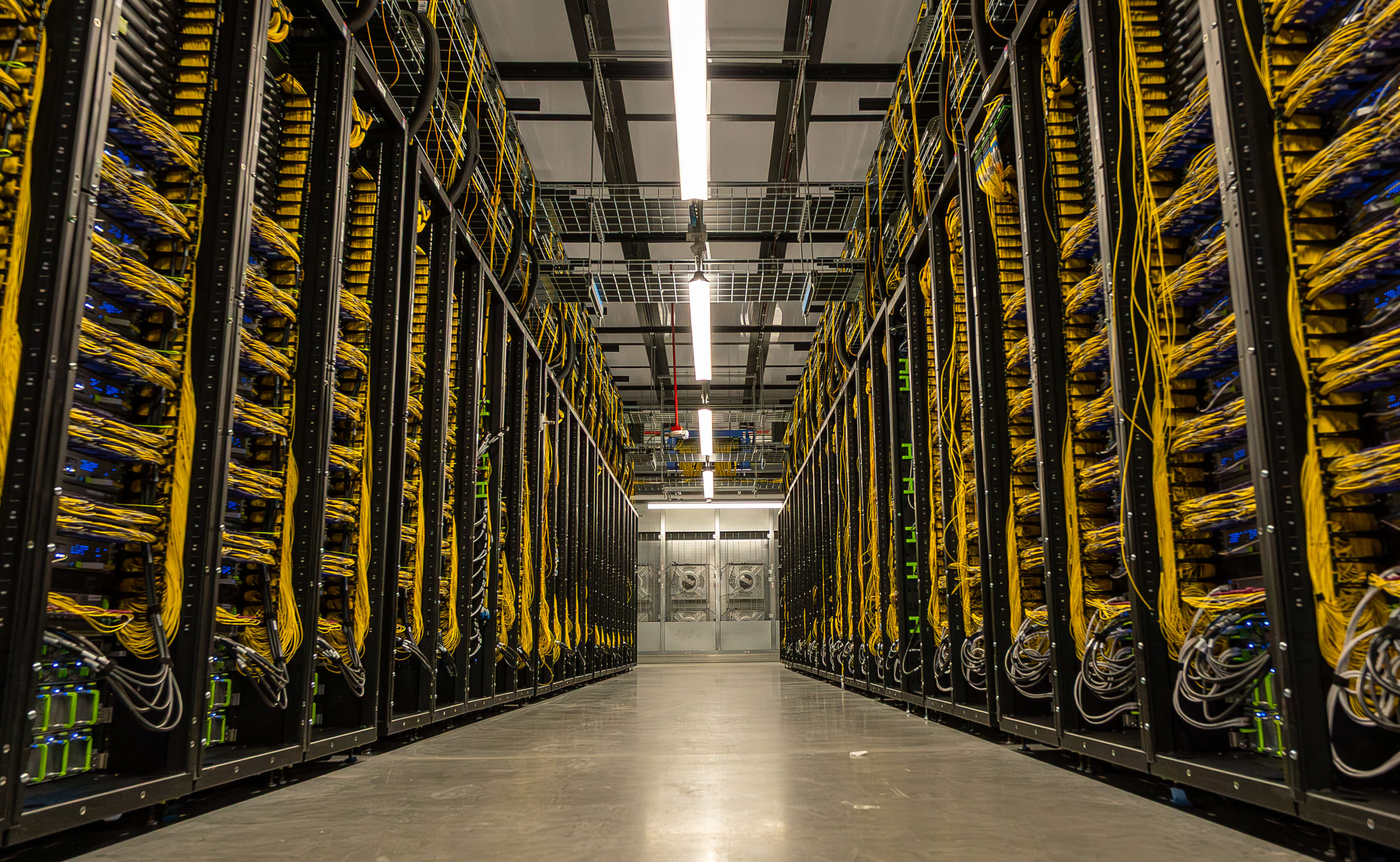
In the world of supercomputing, raw power is only half the battle; the other half is stability. Large-scale training jobs are notoriously fragile. An error on a single host can cascade, slowing or crashing an entire cluster. This is where the concept of "goodput"—the measure of effective, productive work performed by the system—becomes critical.
By obsessively optimizing system reliability, Meta engineers achieved over 85% goodput for pre-training runs and an impressive 90% for reinforcement learning (RL) runs of the Muse Wonder model. During these sessions, the team hit a wall-clock mean time between interruptions (MTBI) of approximately 47,000 GPU hours. Through subsequent firmware refinements and fleet-wide diagnostic fixes, that figure has since climbed to over 54,000 GPU hours. This relentless focus on uptime is what allows Meta to train models that are not only larger but also more nuanced than those built by competitors.
Hardware Generations: The Catalina and Clemente Platforms
Prometheus is designed to be a heterogeneous, living machine. It currently integrates two advanced NVIDIA GPU platforms, with a third, the highly anticipated Vera Rubin NVL72, on the horizon.
Catalina: The GB200 Foundation
The "Catalina" platform utilizes the NVIDIA GB200 NVL72 architecture. Meta deployed the "Ariel" configuration—a dual-rack setup where 36 GPUs per rack are unified via NVLink into a 72-GPU domain. By opting for a 1:1 CPU-to-GPU ratio, Meta achieved 800G of I/O per GPU, a decision made to avoid the performance bottlenecks that would have occurred had they stuck to a standard 400G limit. This configuration, built on the Open Compute Project (OCP) high-power rack design, allows for unprecedented memory bandwidth and FLOPS, far surpassing the capabilities of the previous-generation Grand Teton H100 systems.
Clemente: The GB300 Leap
The second platform, "Clemente," transitions to the NVIDIA GB300 NVL72. This generation brings a 1.5x increase in HBM capacity (from 192 GB to 288 GB) and doubles attention acceleration. At the platform level, the Clemente design streamlines physical deployment by packing the entire 72-GPU domain into a single rack. With native 800G connectivity and improved serviceability, Clemente represents a maturation of the infrastructure design, allowing for easier maintenance and lower cooling overhead.
The Network Fabric: Connecting the Machine
Prometheus is not merely a collection of servers; it is a single, massive, distributed computer. For AI training, the network is as vital as the silicon. Meta implemented a "Back-End" (BE) network based on Ethernet, distinct from the standard data center network, to facilitate high-speed GPU-to-GPU communication.
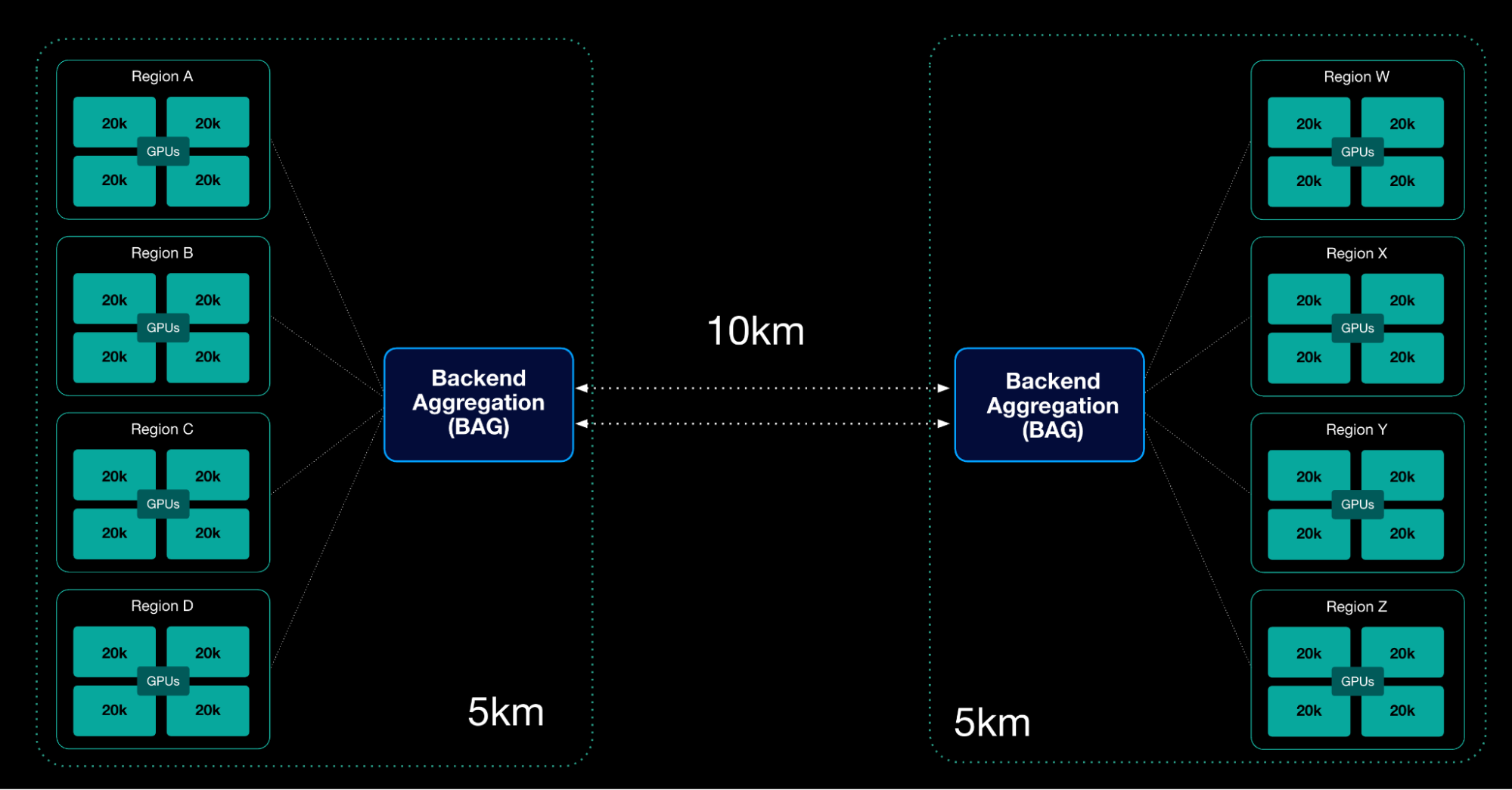
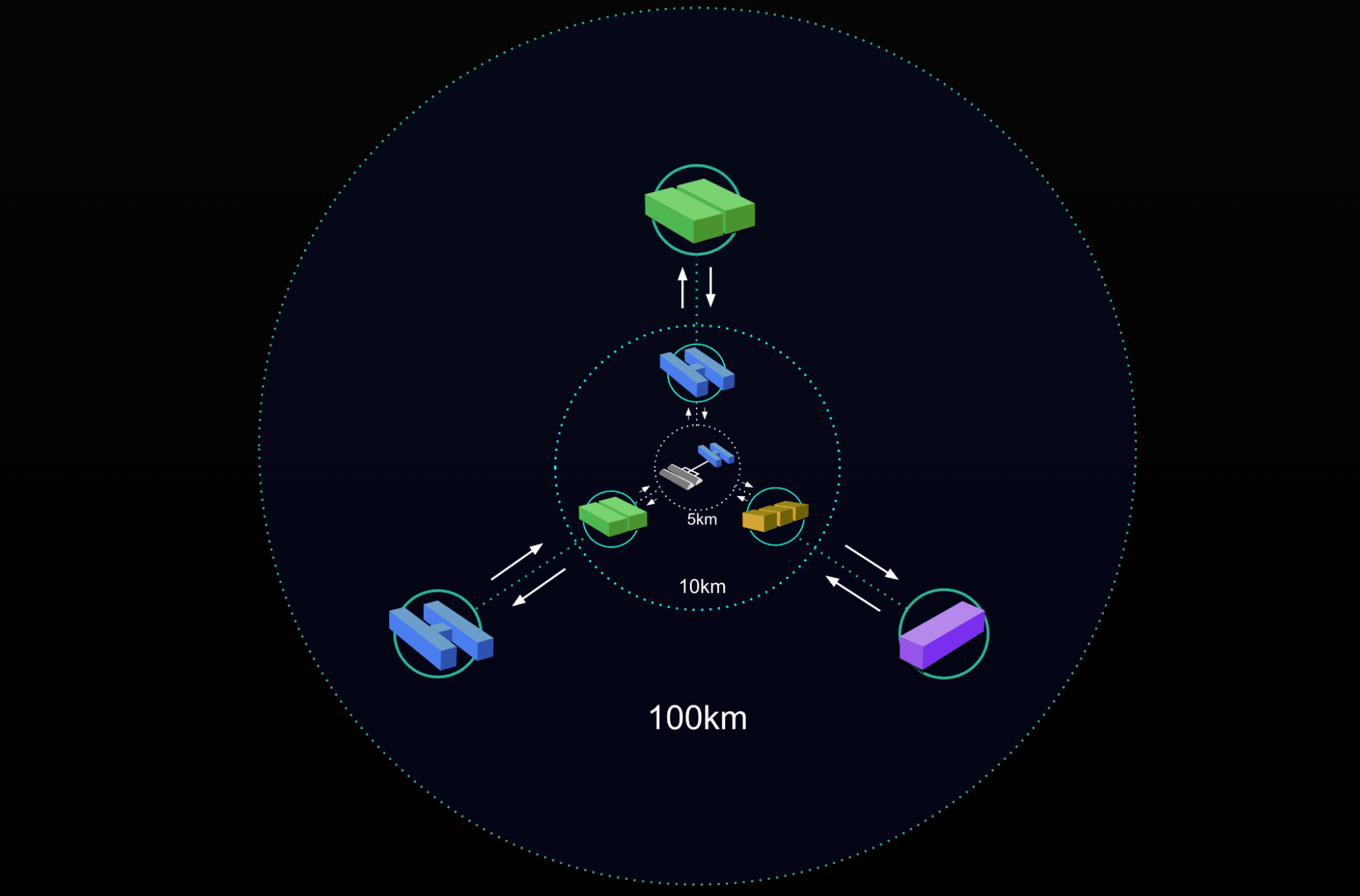
The architecture follows a hierarchy: latency-sensitive operations are confined to individual building-level fabrics, while less time-critical data flows through an aggregation network. The "Backend Aggregation" (BAG) network connects these buildings across distances ranging from 2 kilometers to over 100 kilometers. Utilizing Arista 7800-series chassis and deep-buffered Broadcom Jericho3 silicon, this network delivers multiple petabits of bandwidth, ensuring that the GPUs are never left waiting on data transfer.
Engineering Reliability: The 99% Reduction
Operating a cluster of this magnitude requires a move away from traditional vendor-client relationships toward a deeply integrated, co-engineering model with partners like NVIDIA. Teams from both companies work on-site, sharing real-time telemetry to diagnose faults.
The transition to the NVL72 architecture increased the "fault blast radius" by 9x, as 72 GPUs are now tightly coupled. To mitigate this, Meta employs "Parallelism-Aware Fault Tolerance" (PAFT). When a failure occurs, the system can isolate a single data-parallel replica, allowing the rest of the cluster to continue training while the faulty unit is replaced or repaired.
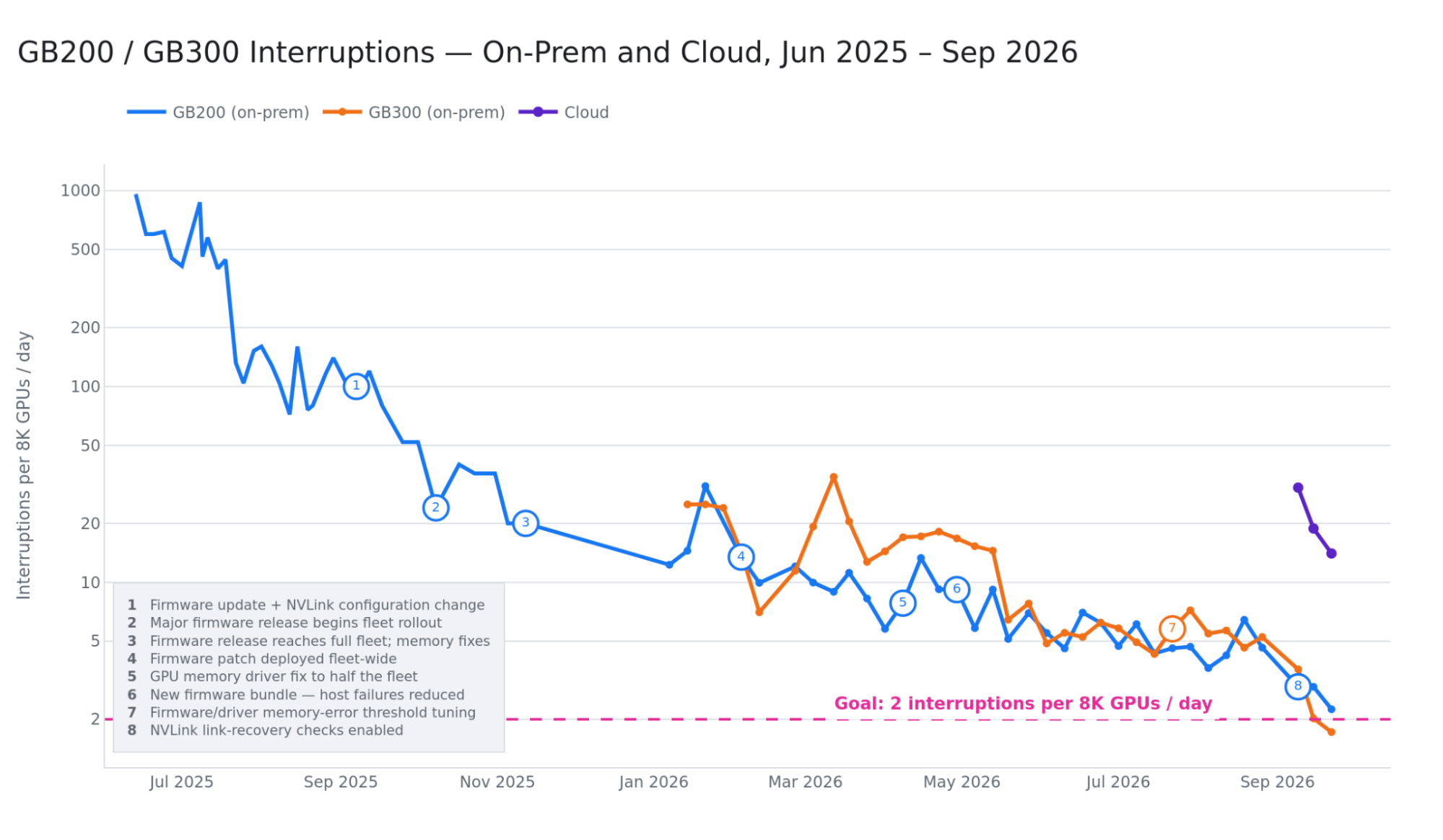
These efforts have yielded dramatic results. In mid-2025, the cluster saw a peak of nearly 1,000 interruptions per 8,000 GPUs daily. Today, that number has been reduced by 99%. By focusing on signal integrity, memory scrubbing, and automated fabric rebalancing, Meta has moved the needle toward its "north star": an MTBI of 100,000 GPU hours.
Power, Cooling, and Sustainability
A cluster with a gigawatt-scale footprint faces immense power delivery challenges. Large-scale training jobs can trigger power transients—sudden 30-40% load fluctuations—that threaten to destabilize the grid. Meta’s "Dynamo Dimmer" framework manages these spikes by intelligently capping power limits during peak demand, ensuring the cluster remains within its electrical budget without requiring a hard stop.
Cooling, too, has been industrialized. Meta uses a mix of modular air-assisted liquid cooling (AALC) and facility liquid cooling (FLC). The latter is used in purpose-built, AI-optimized buildings to maximize power density. Meta also emphasizes environmental responsibility, partnering with local utilities to ensure they cover the full cost of energy and matching their consumption with renewable sources. The company’s commitment to "closed-loop" cooling and the open-sourcing of designs like "IcePack" underscores its intent to lead the industry in sustainable AI infrastructure.
Implications: The Blueprint for Hyperion
The successes of Prometheus have provided a definitive blueprint for the future of AI supercomputing. As Meta looks to the next generation of hardware—including the upcoming San Miguel platform powered by NVIDIA’s Vera Rubin chips—the focus remains on modularity, scalability, and extreme reliability.
These lessons are already being applied to "Hyperion," Meta’s next supercluster currently under development in Richland Parish, Louisiana. Designed from the ground up to integrate the insights gained in New Albany, Hyperion will push the boundaries of what is possible in distributed training.
By treating hardware maturation as a core engineering discipline and fostering deep collaboration with hardware vendors, Meta is ensuring that the physical constraints of data centers do not become the bottleneck for AI progress. As these superclusters grow, they continue to shift the paradigm, proving that the frontier of AI is not just found in lines of code, but in the massive, interconnected machines that breathe life into them.

 Jia Lissa

 Nila Kartika Wati

 Raul Delapena Setiawan

 Reynand Wu

 Sagoh


 Azzam Bilal Chamdy

 Ali Ikhwan
