
 Nila Kartika Wati
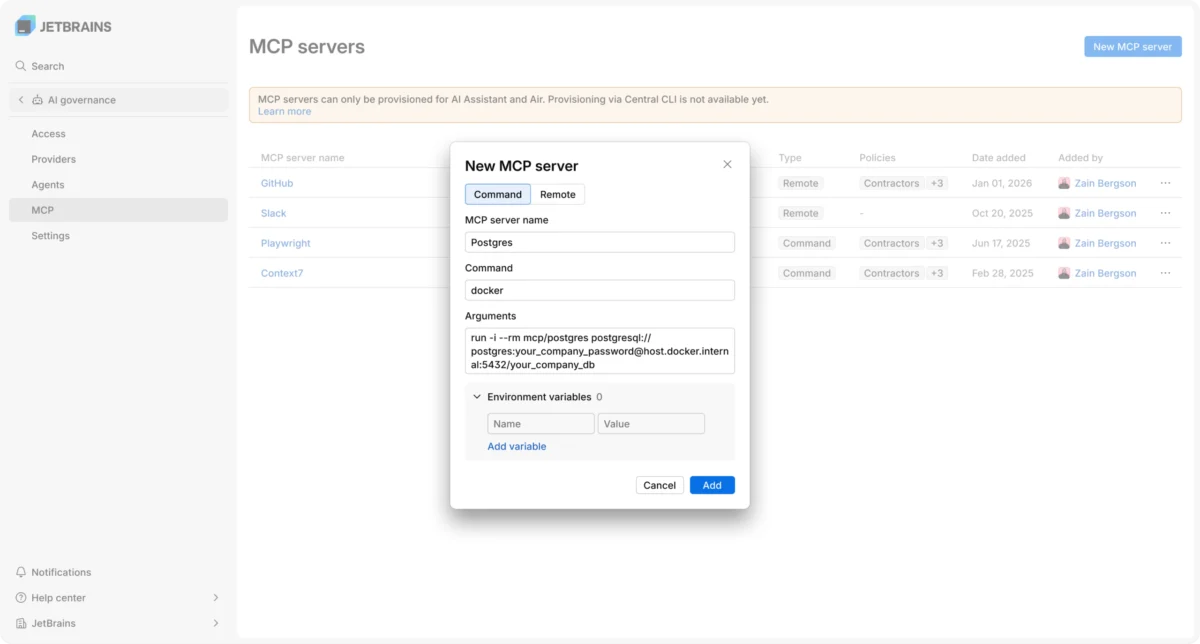
In the rapidly evolving landscape of software engineering, the proliferation of AI-powered tools has been both a blessing and a logistical nightmare for enterprise IT departments. Today, JetBrains has officially moved to solve this fragmentation with the general availability of JetBrains Air Governance. Formerly known under the internal project name "JetBrains Central," this platform serves as the administrative backbone for the broader JetBrains Air ecosystem, providing a unified command center for managing the complex, multi-faceted world of agentic AI.
The State of the Agentic Ecosystem
As of late 2026, the developer’s toolkit has shifted from simple autocomplete plugins to sophisticated, autonomous AI agents. Engineering teams now regularly oscillate between Claude Code, OpenAI’s Codex, Google’s Gemini CLI, and specialized tools like Junie. While this diversity allows for greater flexibility, it has created a "governance gap."

With each tool operating under its own proprietary contract, security protocol, and usage dashboard, CTOs and engineering managers have been left in the dark. How much is the organization spending on AI? Who is accessing which models? And most importantly, are these agents actually providing a return on investment, or are they merely burning through operational budgets? JetBrains Air Governance arrives as a direct response to these pressures, offering a single pane of glass to oversee the lifecycle of AI agents across IDEs, CLIs, web browsers, and mobile platforms.
A Chronology of the Air Governance Evolution
The journey to Air Governance began not in a boardroom, but in the trenches of JetBrains’ own internal operations.

- Early 2026: As AI adoption accelerated across JetBrains’ own internal engineering teams, the company witnessed a tenfold increase in AI-related expenditures in just six months. The resulting data silos became unsustainable.
- Mid-2026: The company attempted its first cross-vendor usage report. It took four days of manual labor to reconcile invoices and usage logs from various providers. This inefficiency catalyzed the development of an internal toolset to monitor and cap usage.
- August 2026: JetBrains published a landmark blog post outlining its initial strategies to rein in AI spending, signaling to the wider developer community that a centralized management layer was in development.
- October 2026: The internal tools were refined into a robust administrative suite, which began serving as the primary control mechanism for roughly 2,300 JetBrains employees.
- November 2026: The platform officially sheds its "Central" moniker and launches as JetBrains Air Governance, now available to the public.
Supporting Data: The Case for Centralization
The urgency behind this release is supported by recent industry trends regarding "Shadow AI"—the unauthorized or unmanaged use of AI tools within corporate networks. According to internal reports, the lack of visibility into AI consumption leads to two primary issues: runaway costs and security exposure.
By implementing Air Governance, organizations gain access to granular metrics that were previously hidden behind fragmented vendor dashboards. The platform provides:
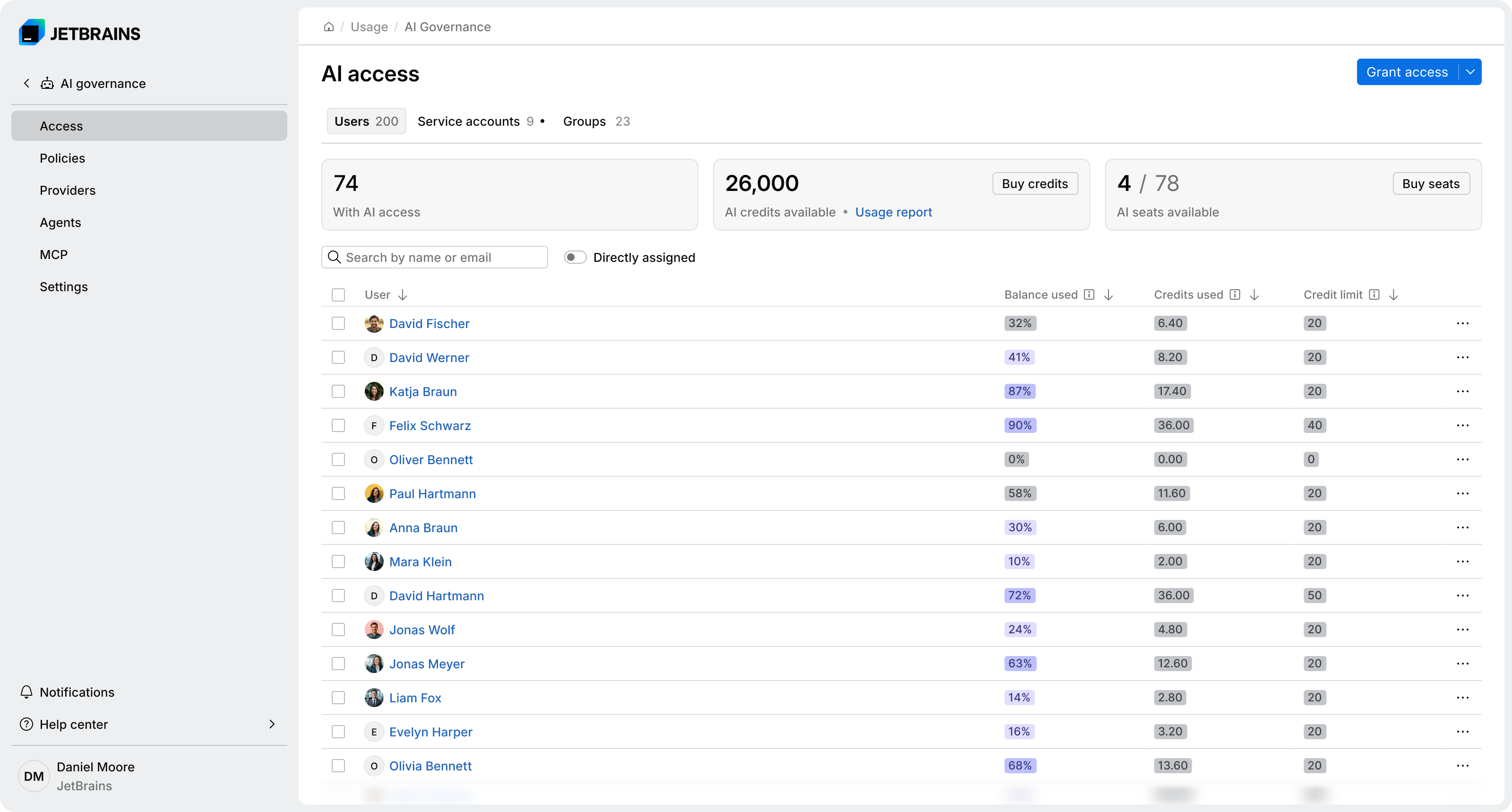
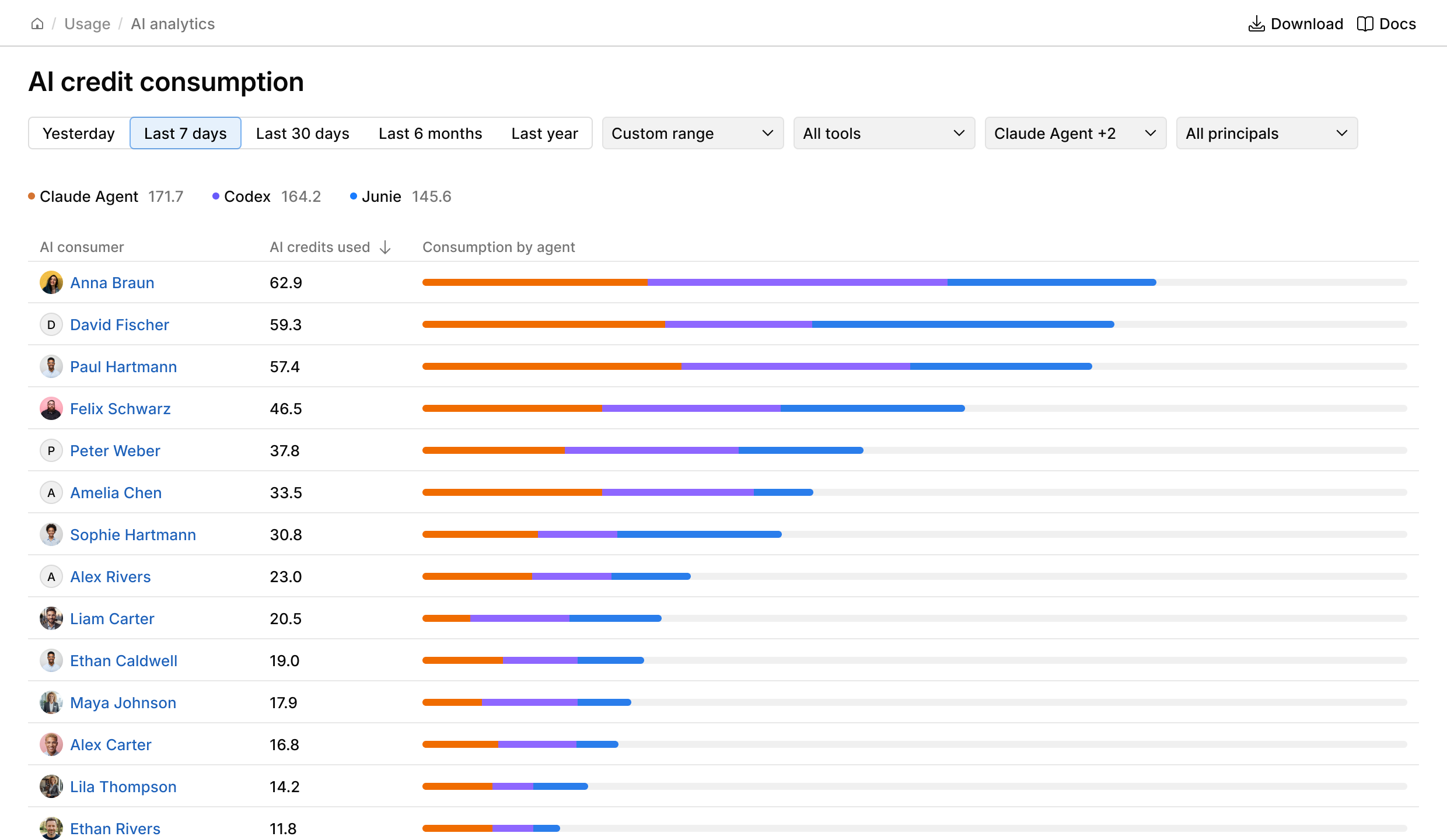
- Unified Billing: By consolidating usage across different AI providers under one umbrella, teams can leverage shared credit pools, avoiding the need for individual seat licenses for every single tool.
- Impact Correlation: It is no longer enough to track spend; organizations must track outcomes. Air Governance correlates usage metrics with developer productivity, allowing leads to quantify the impact of AI on deployment velocity and bug-fix rates.
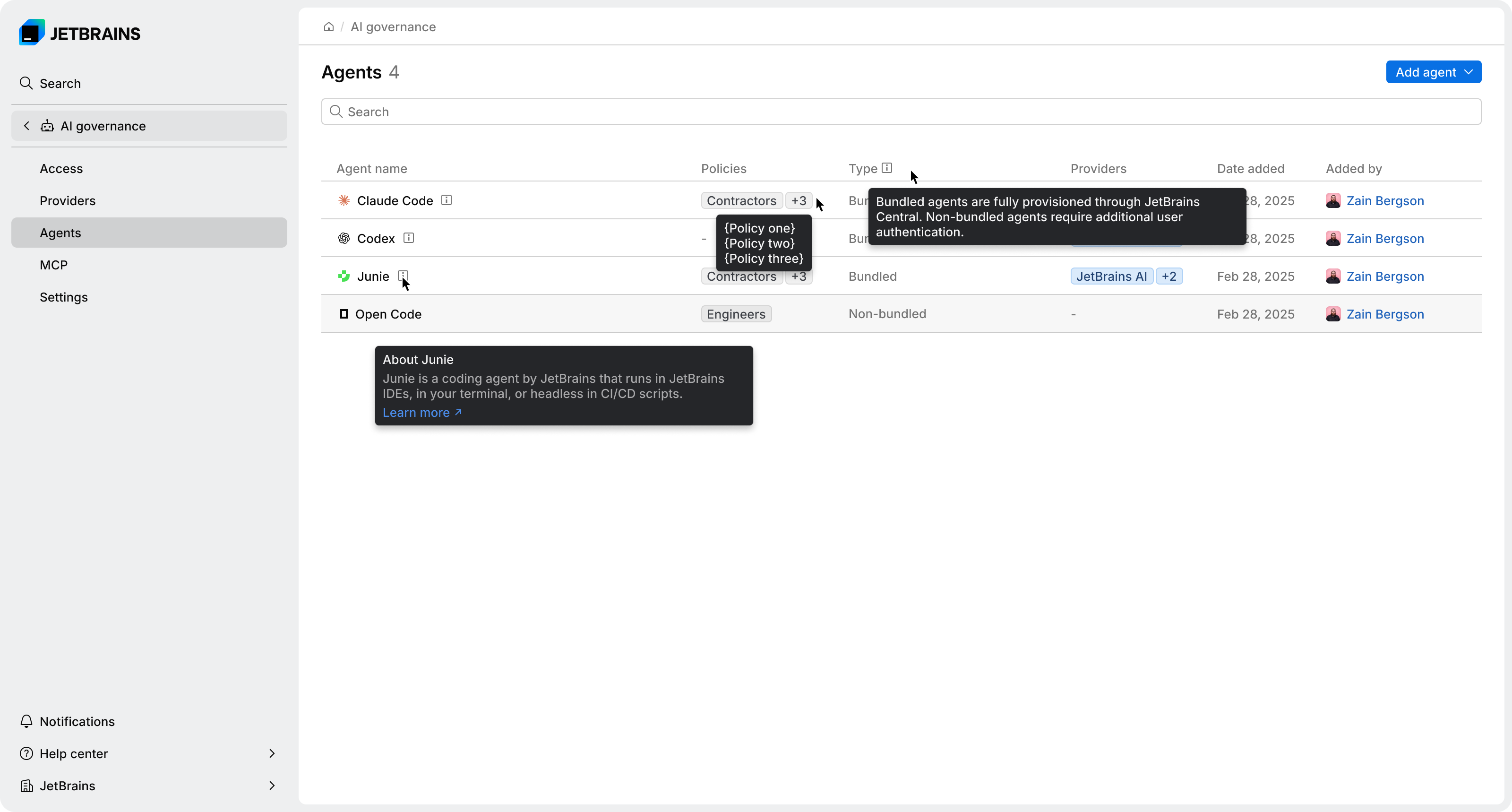
- Policy Enforcement: Administrators can set firm guardrails, preventing teams from exceeding pre-allocated budgets and ensuring that only compliant, approved agents are deployed within the development environment.
The Mechanics of Control: How It Works
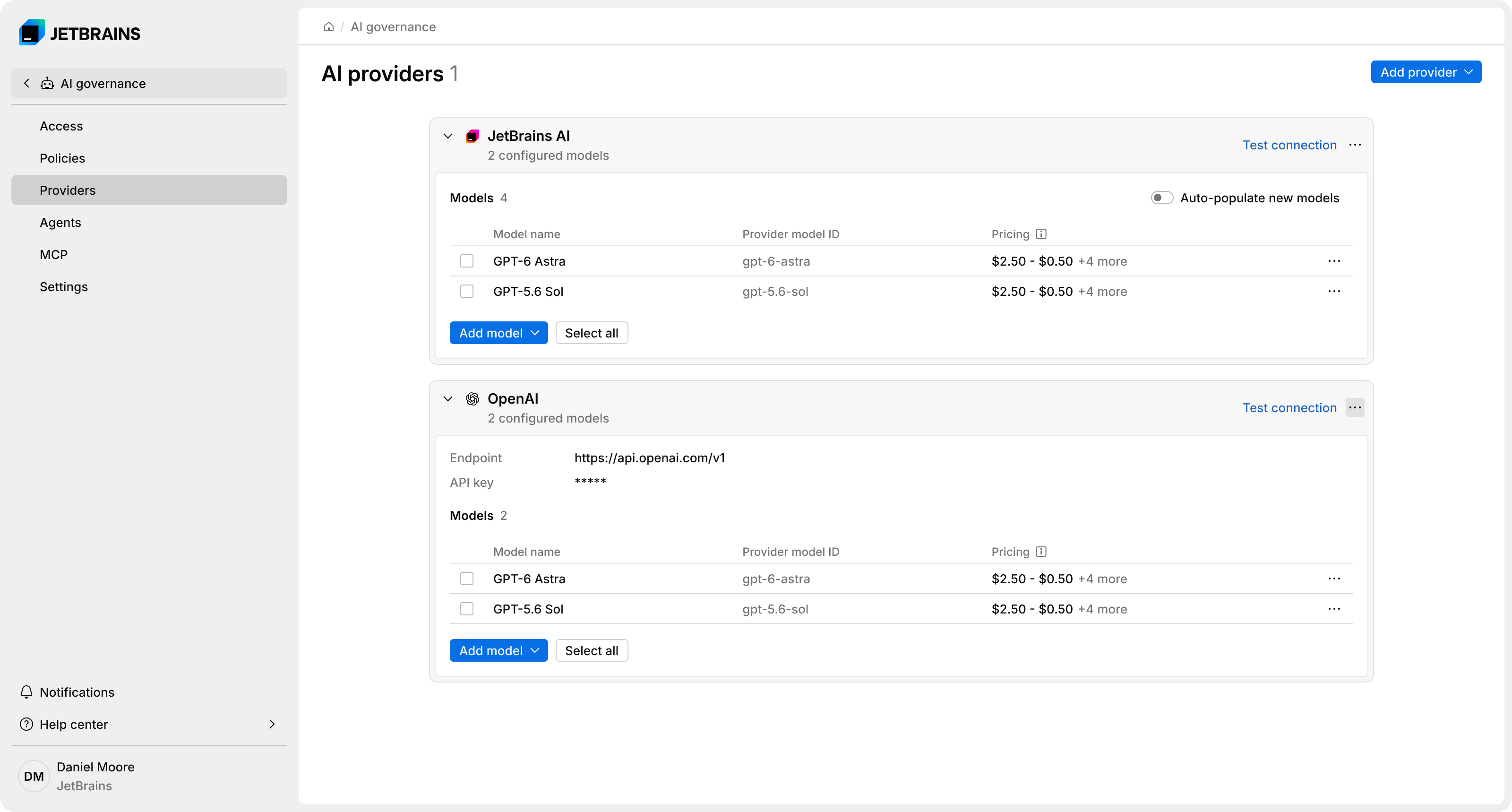
JetBrains Air Governance is designed to be provider-agnostic. It supports ACP (Agentic Control Protocol)-compatible agents, ensuring that whether a team prefers Claude or Gemini, the management layer remains consistent.
The console offers a tiered approach to administration:
- Organizational Overview: A bird’s-eye view of all active agents and the total cost incurred across the entire company.
- Usage Analytics: Real-time visualization of agentic throughput, enabling managers to see which models are being utilized most heavily.
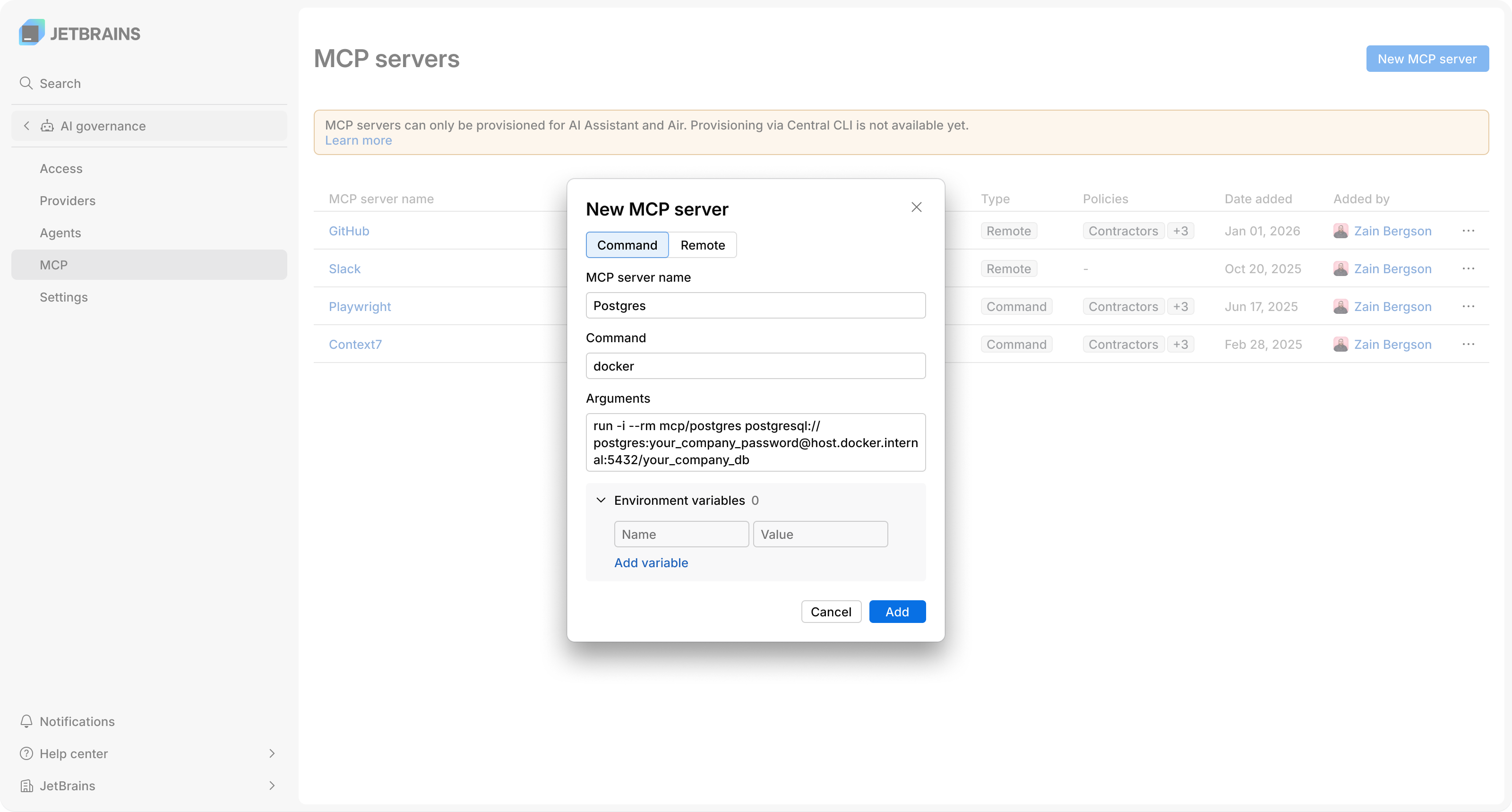
- Governance Policies: The ability to push standardized security and usage policies to all developers, regardless of the IDE or surface they are working on.
- Vendor Neutrality: When a new, more efficient model is released, organizations can integrate it into their existing policy framework without needing to renegotiate contracts or overhaul their administrative setup.
Official Perspectives and Industry Implications
Viktor Kiselev, representing the JetBrains product team, has emphasized that the goal of Air Governance is not to restrict innovation, but to enable it safely. "Most engineering teams are currently struggling with the ‘Wild West’ phase of AI adoption," Kiselev notes. "By providing the infrastructure for transparency, we are allowing organizations to move from reactive budgeting to proactive, data-driven AI strategy."
Industry analysts view this move as a critical maturation point for the AI-assisted coding market. As enterprises shift from experimenting with AI to integrating it into the core of their software development lifecycle (SDLC), the tools required to manage those integrations must become as professionalized as the code they help produce. JetBrains, by positioning itself as the "governor" of the developer environment, effectively cements its role as a mandatory partner for large-scale enterprise development.
Implications for the Future of Development
The introduction of Air Governance carries significant implications for how companies will manage their engineering talent and resources moving forward:
1. The Death of Fragmented Licensing
Historically, managing software licenses was a matter of managing seat counts. In the era of agentic AI, this model is obsolete. Air Governance shifts the paradigm toward "AI credit pools," where usage is measured by consumption rather than per-head licensing. This aligns with the reality of how AI is used—some developers may use agents heavily for architecture, while others use them for code documentation. The shared pool model ensures cost efficiency.
2. Standardized Security and Compliance
One of the most significant barriers to AI adoption in regulated industries (such as Finance or Healthcare) is the fear of proprietary code leakage. By providing a central console where administrators can define which agents are permitted to process which types of data, JetBrains provides a much-needed layer of compliance that was previously difficult to enforce across disparate tools.
3. The "Productivity-to-Cost" Ratio
As companies move into 2027, the focus will shift from "AI adoption" to "AI optimization." With the visibility provided by Air Governance, leadership will be able to perform cost-benefit analyses that were previously impossible. If a specific agent model is found to be expensive but provides no measurable improvement in developer velocity, the organization can pivot to a more efficient solution with a few clicks.
What Lies Ahead: The Roadmap
JetBrains has made it clear that Air Governance is a living platform. The current iteration is merely the baseline. Upcoming updates are expected to include:
- Advanced Cost Allocation: Deeper integration with corporate ERP systems to automate the internal chargeback process.
- Predictive Budgeting: Using machine learning to forecast future AI spending based on historical developer activity, helping organizations avoid budget overruns before they happen.
- Enhanced Policy Granularity: The ability to set policies not just by team, but by specific project or repository, allowing for high-security environments to operate alongside experimental ones.
Getting Started: A Call to Action
JetBrains Air Governance is available now as part of the JetBrains Business plan. Priced at $20 per month for each developer with AI access, the model removes the complexity of individual subscriptions. Existing customers are encouraged to visit the JetBrains console to audit their current AI footprint.
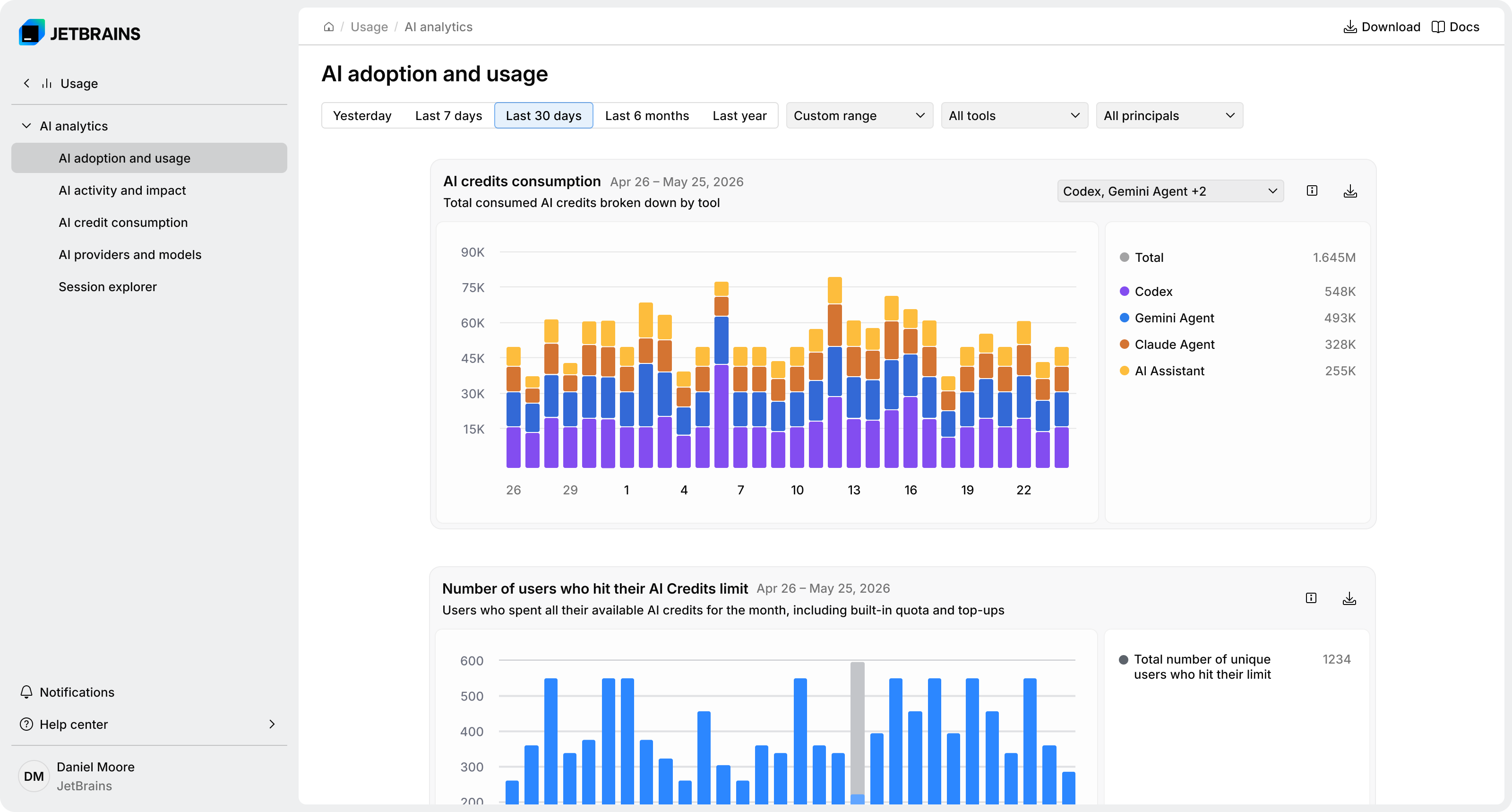
For those interested in seeing the platform in action, JetBrains will be hosting a live webinar on November 18, 2026, from 4:00 to 5:00 PM CET. The session will provide a comprehensive walkthrough of the console, covering everything from initial setup to advanced analytics, and will feature a live Q&A with the product team.
In a world where AI is rapidly becoming the primary engine of software creation, the ability to steer that engine is no longer optional—it is a competitive necessity. With the launch of Air Governance, JetBrains has provided the steering wheel, leaving the engineering teams to focus on what they do best: building the future.


 Dwi Wanna

 Laily UPN

 Ammar Sabilarrohman

 Asep Darmawan

 Asro

 Layla Zulfa


 Muslim
