
 Nana
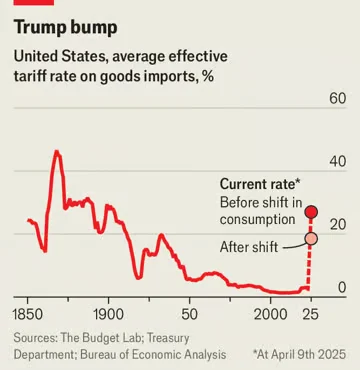
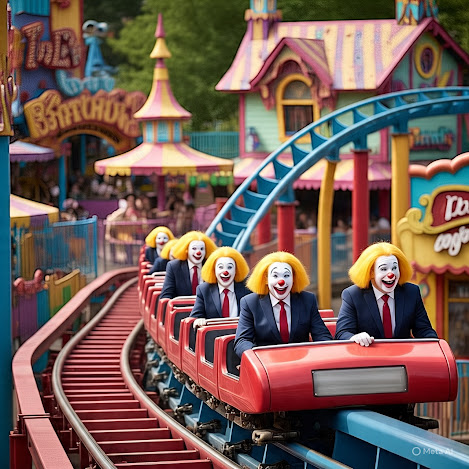
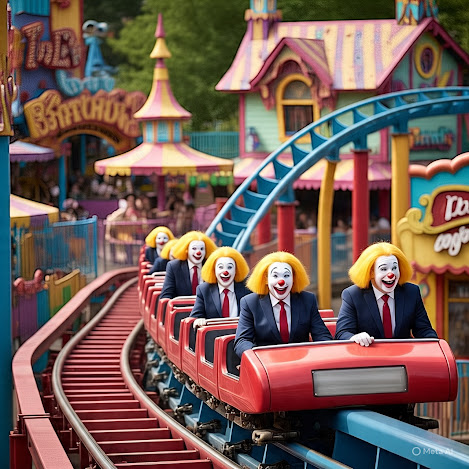
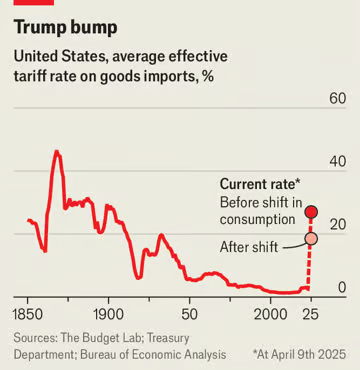
The global financial landscape has spent the first half of 2025 trapped in a high-stakes, erratic cycle of market anxiety. Following a multi-year bull market that crested in February 2025, the U.S. stock market entered a period of unprecedented volatility. Investors have witnessed dramatic, roller-coaster swings, with the market plunging by as much as 20% at its nadir, only to claw its way back toward record highs. At the center of this turbulence lies a single, dominant economic force: the aggressive implementation of, and threats regarding, international trade tariffs.
The Mechanics of Trade Policy: Understanding Tariffs
To understand the current market instability, one must first demystify the mechanism of a tariff. At its core, a tariff is a tax levied by a government on imported goods. While political rhetoric often frames these as "payments from foreign nations," the economic reality is fundamentally different. Tariffs are paid by the entities importing the goods—domestic retailers, manufacturers, and ultimately, the American consumer.
When a government imposes a tariff on steel, lumber, or consumer electronics, the immediate effect is an increase in the cost of goods sold. Companies like Amazon, Apple, and Walmart, which rely on global supply chains, face two choices: absorb the cost and witness a contraction in profit margins, or pass the cost onto the end consumer. Consequently, tariffs function effectively as a broad-based national sales tax, simultaneously eroding the purchasing power of households and increasing the operational overhead for businesses.
Chronology of the 2025 Trade Standoff
The current volatility began in earnest following the peak of the stock market in February 2025. As the executive branch ramped up threats of wide-reaching trade barriers, the market responded with extreme sensitivity.
- February 2025: The market hits a multi-year peak, signaling confidence in the existing economic structure.
- April 2, 2025: The announcement of "Liberation Day" tariff measures triggers the most significant single-day market drop since 1932. Investor panic leads to a wave of selling, with many individuals locking in permanent losses.
- Spring 2025: The market enters a period of erratic oscillation. Share prices show a direct, inverse correlation to tariff news: when threats of new tariffs are issued, markets decline; when trade talks pause or exemptions are hinted at, markets rally.
- Mid-2025: Current data indicates that while the market has technically recovered to near-peak levels, this optimism reflects a widespread investor belief that the current protectionist stance is a temporary negotiating tactic rather than a permanent policy shift.
Economic Implications: Efficiency vs. Protectionism
Proponents of the current tariff regime argue that these measures protect domestic industries, such as automotive manufacturing or steel production, by creating a competitive disadvantage for foreign imports. In theory, if a $5,000 tariff is placed on a foreign vehicle, consumers may shift their spending toward domestic manufacturers like General Motors.
However, the macroeconomic "price" of this protectionism is high. When domestic industries are shielded from international competition, the incentive to innovate and optimize efficiency decreases. Furthermore, the downstream effects are often deleterious to the broader economy. If a delivery giant like Amazon pays more for its fleet or a construction firm pays a premium for steel, those costs are distributed across the economy, slowing down growth and hindering the development of emerging sectors.
The Paradox of Bipartisan Protectionism
While the current administration has been the primary architect of the recent surge in tariff activity, protectionist trends have been visible across the political spectrum. Both the Trump and Biden administrations have utilized tariffs to appeal to specific voter blocs or to achieve narrow strategic goals. A notable example is the continued taxation of solar panel components—a policy that inherently limits the adoption of cost-effective energy, thereby increasing the long-term cost of living for consumers and businesses alike.
Supporting Data: Inventory and the "Slow Ship" Economy
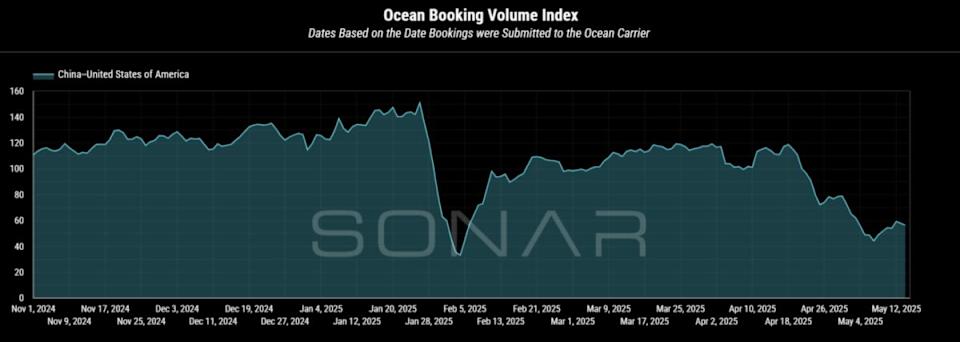
A critical question for the average observer is: Why have we not seen immediate, drastic price spikes? The answer lies in the nature of global logistics. The United States economy operates like a massive cargo ship with significant momentum and a deep inventory of goods.
When the threat of tariffs first emerged, importers moved rapidly to stockpile inventory, creating a temporary buffer against price hikes. As of mid-2025, that inventory is beginning to deplete. With imports having dropped significantly, the "stockpile period" is nearing its end. Analysts suggest that if the current tariff levels persist, consumers should expect to see tangible shortages and inflationary pressure on essential tools, machinery, and finished goods throughout the latter half of 2025.
The Role of the Judiciary and Constitutional Checks
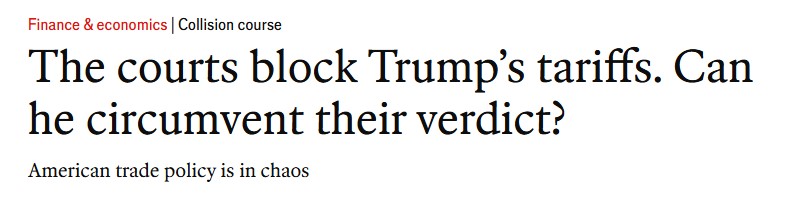
The current executive approach to trade has sparked a constitutional conflict. As the executive branch attempts to exercise broad authority over international trade, the judicial branch has begun to weigh in. Recent legal challenges, documented by outlets such as The Economist, indicate that the court system is serving as a critical check on the administration’s ability to bypass traditional legislative processes. The outcome of these legal battles will be the primary determinant of whether the current tariff environment is a short-term political experiment or a long-term structural change to the U.S. economy.
Implications for the Long-Term Investor
For those focused on long-term wealth creation, the current market climate serves as a rigorous test of investment philosophy. The volatility of the past few months has demonstrated the folly of reacting to sensationalist headlines.
- The Danger of Market Timing: Investors who panicked during the April volatility and sold their positions missed the subsequent recovery. Historical data continues to support the premise that staying invested through periods of political noise is the most effective way to compound wealth.
- The "Nothingburger" vs. "Catastrophe" Spectrum: Public discourse on trade policy remains polarized, with many pundits oscillating between dismissing the issue entirely or forecasting total economic collapse. The reality likely lies in the middle: tariffs are a drag on efficiency and growth, but they are not the sole determinant of the long-term viability of the American economy.
- The Resilience of Global Trade: Prosperity is fundamentally rooted in the exchange of goods, services, and human capital. The current era of protectionism contradicts the long-term trend of globalization that has lifted millions out of poverty and increased the standard of living worldwide.
Conclusion: Avoiding the Trap of Headline-Driven Fear
The modern media environment is incentivized to generate outrage and fear, as these emotions drive clicks and revenue. Whether a news source leans left or right, the commercial model remains the same: bias towards the dramatic.
The most prudent approach for the informed citizen and investor is twofold: either distance oneself from the daily churn of political news entirely, or commit to becoming a subject matter expert by reviewing primary data sources. When one understands the mechanics of economics—rather than the spin of a headline—the temporary nature of these political cycles becomes apparent.
As we look toward the remainder of 2025, the overarching economic lesson remains the same as it has been for decades: "This too shall pass." Whether through a return to free trade or a slow, painful adjustment to a more isolated economy, the market will eventually reach a state of equilibrium. For those with a long-term horizon, the best strategy is to remain patient, maintain a diversified portfolio, and look past the circus of current events toward the fundamental strength of a globalized, innovative economy.


 Muslim

 Rifan Muazin

 Ammar Sabilarrohman

 Asep Darmawan

 Asro

 Layla Zulfa

 Nila Kartika Wati

