
 Lina Irawan
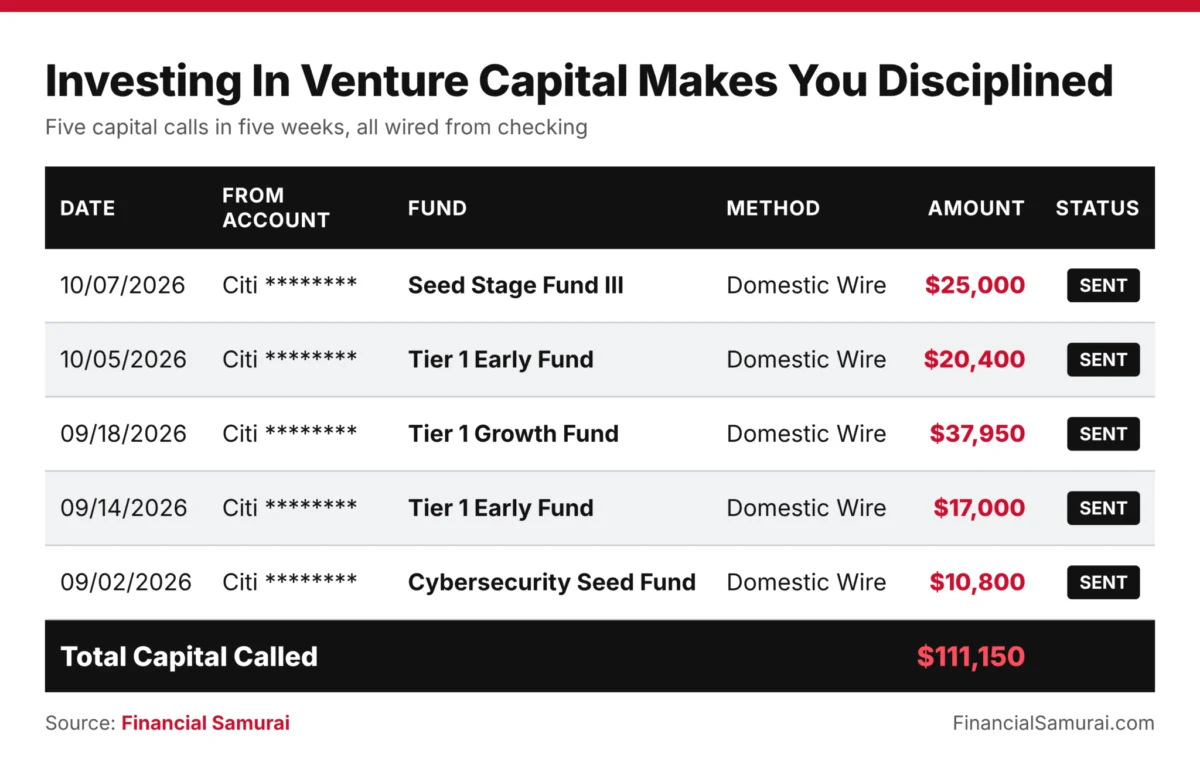
For those who have achieved Financial Independence, Retire Early (FIRE), the primary objective is typically capital preservation. However, one prominent personal finance commentator is challenging the conventional wisdom of the "safe withdrawal rate" by embracing a high-risk, high-reward strategy that prioritizes aggressive venture capital investment over traditional, low-volatility holdings.
After publicly disclosing his recent "broke" status at 49—a condition characterized by a temporary liquidity crunch rather than insolvency—the investor has faced significant scrutiny from his audience. Critics have labeled his approach "reckless" and reflective of dangerous market exuberance. Yet, in a detailed defense of his portfolio, he argues that his strategy is not a product of greed, but a deliberate psychological and financial hedge against a rapidly changing economic landscape dominated by artificial intelligence.
The Anatomy of a Liquidity Crunch
To understand the controversy, one must distinguish between being "broke" and being "insolvent." In this context, the author defines his situation as a liquidity problem: his assets are tied up in long-term, illiquid vehicles, leaving him short on immediate cash flow to cover a flurry of capital calls.

Over a five-week period, the investor was forced to wire $111,150 to various venture funds. For an individual who has been out of the traditional workforce since 2012, such an outflow represents a substantial portion of his liquid capital, far exceeding his combined passive and digital income streams.
A Chronology of Financial Pressure
- The Catalyst: A series of five capital calls within a five-week window, signaling the aggressive nature of current private market demands.
- The Response: A strategic review of his risk profile, prompted by both market volatility and external feedback from his community.
- The Justification: Moving beyond traditional asset allocation to account for the "lost" earning potential of a post-AI labor market.
This liquidity strain highlights a common pitfall for high-net-worth retirees: the "drift." Without active rebalancing, a portfolio can drift from a conservative stance into a high-risk profile due to the outperformance of specific asset classes or the accumulation of new, unforeseen financial obligations.
Supporting Data: Why 20% Is the Magic Number
The investor’s strategy is built upon a rigid, rules-based framework designed to "protect him from himself." He maintains a strict 20% cap on private investments—including venture capital, venture debt, and angel investing—and a 50% cap on total public and private equity exposure.

The Risk-Appropriate Framework
- Ring-Fencing: By limiting high-risk assets to 20% of his investable capital, the investor ensures that even a total wipeout of those assets would leave his core financial security intact.
- The "Better Fiduciary" Argument: He posits that top-tier General Partners (GPs) are more capable stewards of capital than the average retail investor. In his view, handing capital to professionals removes the emotional temptation to "day trade" or panic-sell during market downturns.
- Forced Discipline: Capital calls act as an automated mechanism for "buying the dip." Because these calls occur regardless of market sentiment, the investor is compelled to maintain his position through bear markets, avoiding the common human error of hoarding cash when asset prices are most attractive.
While historical data shows that most venture capital funds fail to outperform the NASDAQ over a ten-year horizon, the investor emphasizes the importance of securing access to "tier-one" funds. By investing in multiple "vintages"—specifically 2018, 2022, and 2026—he attempts to smooth out the performance variance inherent in private equity.
The Psychological Underpinnings: Sacrifice as Protection
Perhaps the most compelling argument presented is not financial, but psychological. The author reflects on his formative years, characterized by high-risk behaviors and early life struggles. This history has left him with a low baseline for what constitutes a "good life," allowing him to maintain perspective when his net worth fluctuates.
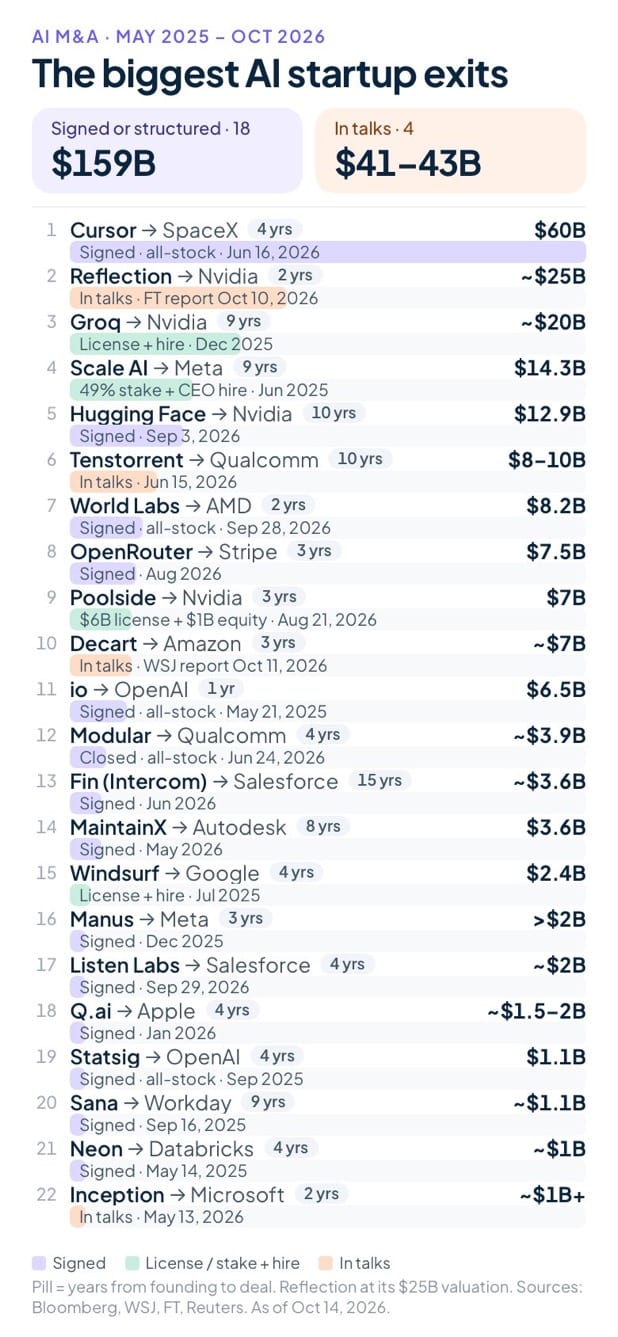
However, the primary driver for his current aggressive stance is his role as a father. He views the rise of AI as a systemic threat to his children’s future job security. Consequently, he has reframed his venture investments as a form of "protective armor."
The "Parental Sacrifice" Paradigm
- Generational Wealth Strategy: He views each capital call not as a drain on his current lifestyle, but as a long-term investment in his children’s future. He anticipates these funds will reach maturity in 10 to 12 years, coinciding with his children’s entry into adulthood.
- The Emotional Hedge: Much like a parent eating last so their children can be fed, the author accepts current personal discomfort (the "silent stress" of liquidity constraints) as a price for providing his children with a robust financial foundation.
This perspective shifts the conversation from mere portfolio optimization to the ethical responsibilities of a parent in an uncertain technological era. It argues that the "discomfort of feeling broke today" is a necessary trade-off for the security of tomorrow.
The Role of Real Estate in Liquidity Management
Beyond venture capital, the investor reinforces the importance of real estate as a stabilizing force. He notes that the inherent illiquidity of property—the fact that it cannot be sold with a single tap on a smartphone—is a feature, not a bug.
During market corrections, a real estate investor is shielded from the "daily quote" volatility that plagues stock market participants. When the market dips, the property owner continues to derive utility from the asset, preventing the impulsive decision-making that often leads to locking in losses. This serves as a vital counterbalance to his higher-risk venture capital holdings.

Implications for the Modern Investor
The author’s journey serves as a cautionary tale and a blueprint for others in the FIRE community. His reliance on external professional consultation, such as the services provided by platforms like Empower, underscores the necessity of periodically auditing one’s risk profile.
Key Takeaways for the Reader:
- Risk Calibration: A portfolio that was appropriate five years ago may be obsolete today. Investors must account for life changes, aging, and shifts in the global economy (such as the impact of AI).
- The Danger of Tinkering: The greatest threat to long-term wealth is often the investor themselves. Implementing structures that prevent emotional trading is paramount.
- The "Two Timelines" Approach: Successful wealth building often requires thinking simultaneously about current cash flow needs and long-term, generational objectives.
Ultimately, the investor concludes that while his path may be labeled as "reckless" by traditional standards, it is a calculated choice made with full awareness of the trade-offs. By embracing a strategy that is uncomfortable in the short term, he seeks to build a legacy that transcends his own career.
For those looking to navigate their own path to financial independence, the message is clear: money is too important to be left to guesswork. Whether one chooses to invest in high-growth venture funds or stick to the stability of the S&P 500, the foundation of wealth remains the same—a clear strategy, a long-term perspective, and the discipline to execute, even when the market demands otherwise.


 Muslim

 Rifan Muazin

 Ammar Sabilarrohman

 Asep Darmawan

 Asro

 Layla Zulfa

 Nila Kartika Wati

