
 Ali Ikhwan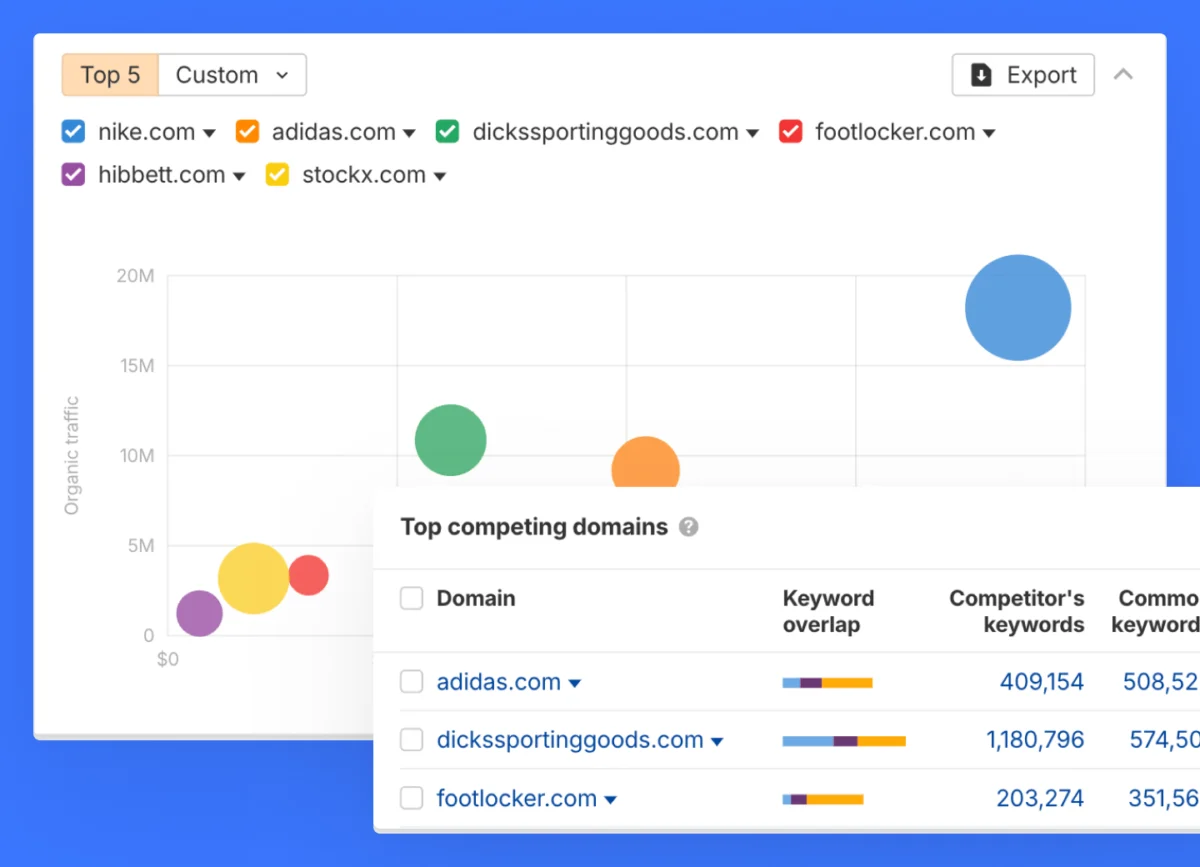
They say comparison is the thief of joy, but in the hyper-competitive landscape of modern digital marketing, a well-informed comparison is often the primary architect of success. To thrive on social media or dominate search engine rankings, you must understand not just what you are doing right, but what your competitors are doing better. By benchmarking your performance against industry leaders, you gain a clearer picture of your own trajectory, helping you pivot, innovate, and capture your audience’s attention before they drift toward someone else.
However, gathering this intelligence manually can be a daunting, inefficient task. This guide explores 11 of the most effective competitor analysis tools currently available, categorizing them by their strengths in social monitoring, SEO, audience research, and brand tracking to help you find the right fit for your business goals.

The Strategic Landscape: Why Competitor Analysis Matters
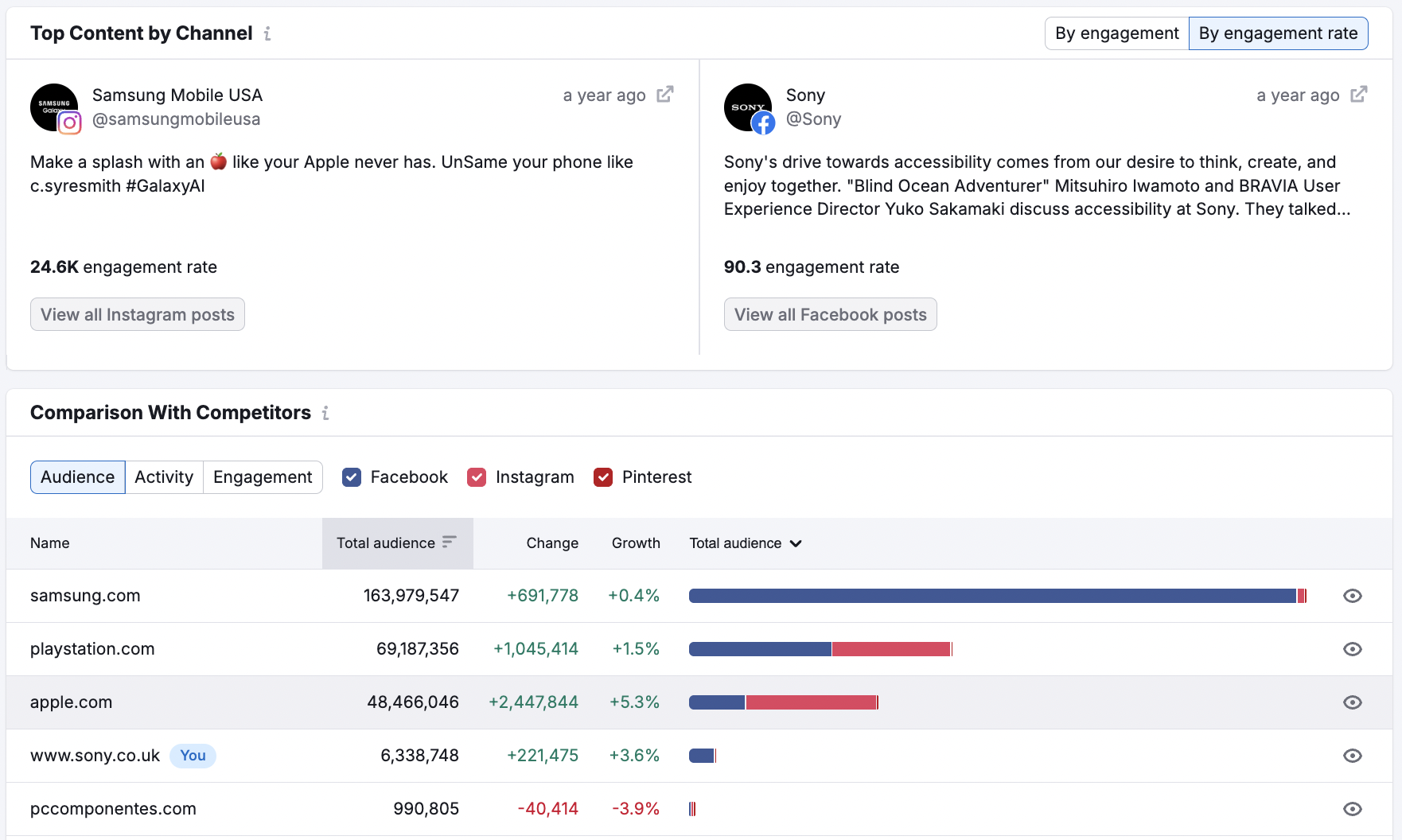
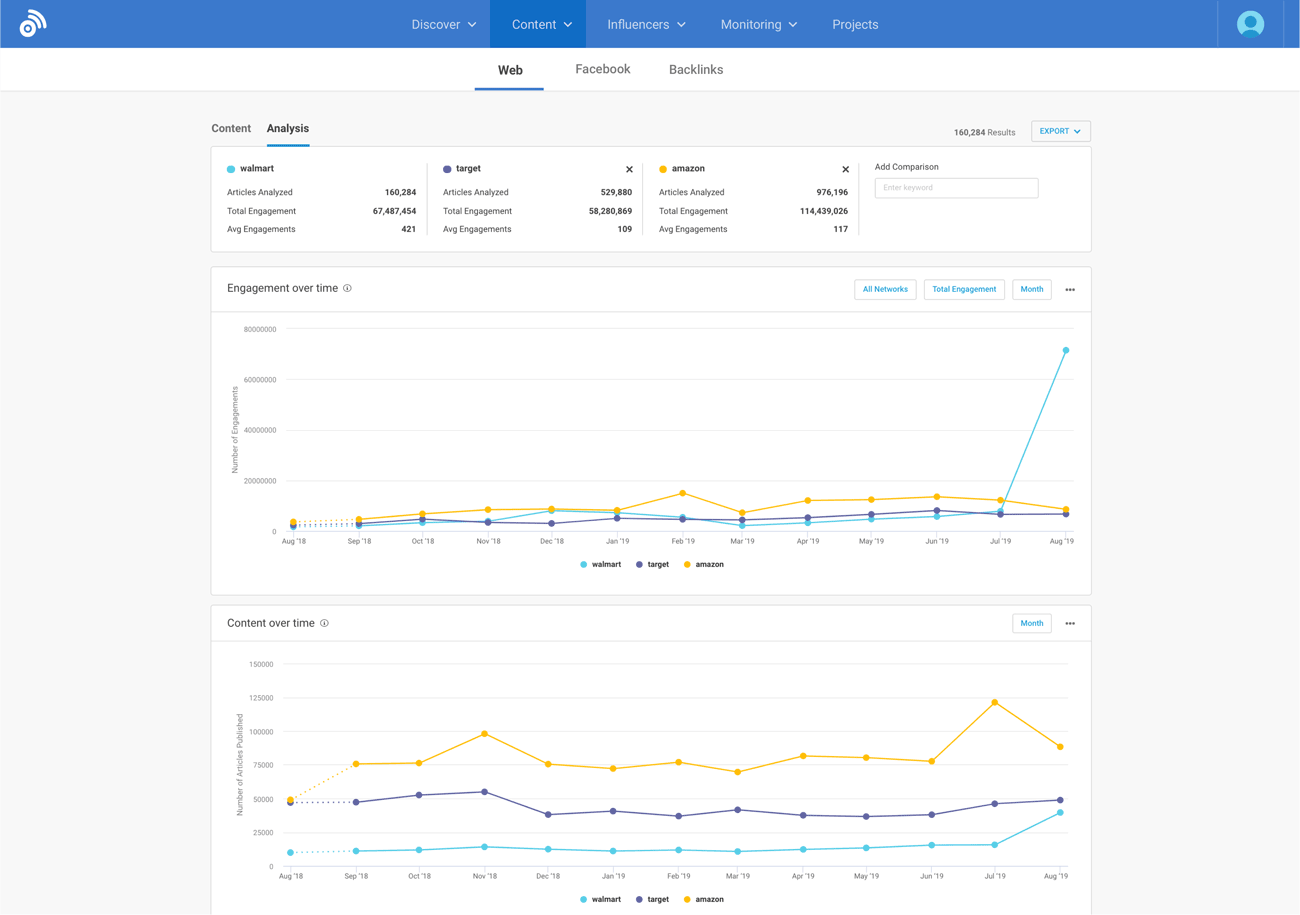
At its core, a competitor analysis tool serves as an intelligence gathering unit, collecting public data on your rivals—ranging from social engagement and search rankings to ad spend and email campaigns. By analyzing this data, you can move from reactive content creation to a proactive, data-driven strategy.
The Four Pillars of Competitive Analysis
Most tools in this sector fall into one of four distinct categories:
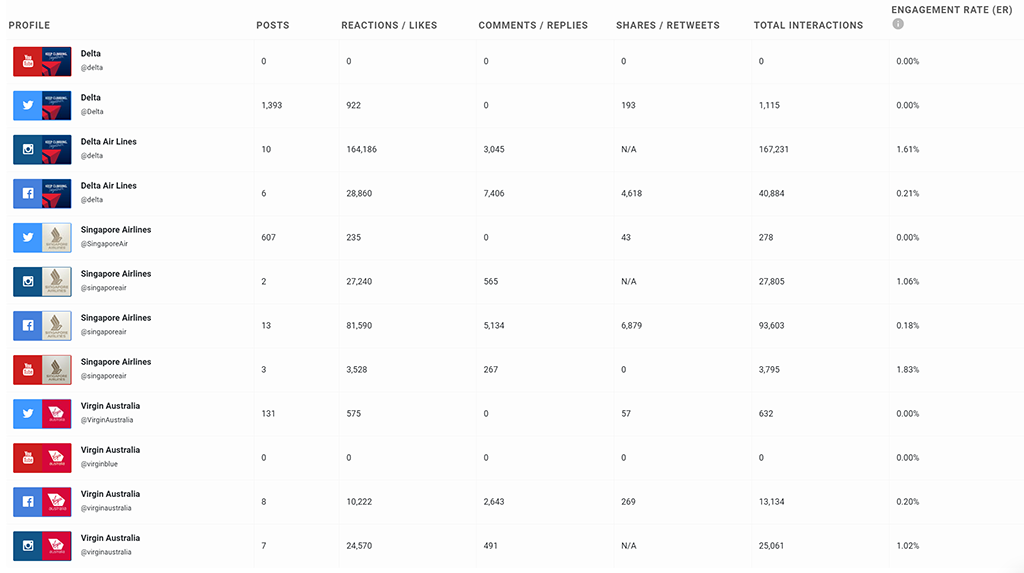
- Social Media Benchmarking: Tracking likes, shares, follower growth, and engagement rates across platforms.
- SEO & Search Intelligence: Identifying keyword gaps, backlink profiles, and domain authority.
- Audience Research: Mapping out where your target demographic spends their time, from podcasts to newsletters.
- Brand Monitoring: Tracking sentiment, mentions, and visibility in AI-driven search environments.
Knowing which category you need is the fastest way to avoid "feature creep" and unnecessary overhead.
Chronology: The Evolution of Market Intelligence
In the early days of digital marketing, "competitor analysis" meant visiting a rival’s website once a month and noting down their latest blog post. Today, the pace of change—driven by AI search, real-time social trends, and evolving algorithms—demands a more sophisticated, high-frequency approach.
As of August 2026, the market has shifted from simple tracking to deep, predictive analytics. Tools are no longer just reporting what happened yesterday; they are using AI to predict which topics will remain evergreen and how your brand appears in new AI-generated search results.
Supporting Data: Comparing the Heavy Hitters
Pricing and capabilities vary significantly across the industry. Below is a breakdown of 11 top-tier tools, ordered from the most accessible entry points to high-end enterprise solutions.
| Tool | Best For | Channels | Starting Price |
|---|---|---|---|
| Social Status | Budget-friendly analytics | All Major Social | $9/mo |
| vidIQ | YouTube-specific growth | YouTube | $19/mo |
| Ahrefs | SEO & Keyword Gaps | SEO, PPC, AI Search | $29/mo |
| Competitors App | Holistic channel monitoring | Social, Email, PPC | $29.90/mo |
| SparkToro | Audience discovery | Audience, Newsletters | $50/mo |
| Socialinsider | Cross-network benchmarking | All Major Social | $99/mo |
| Similarweb | Web traffic & Market share | Web, Referral, Apps | $125/mo |
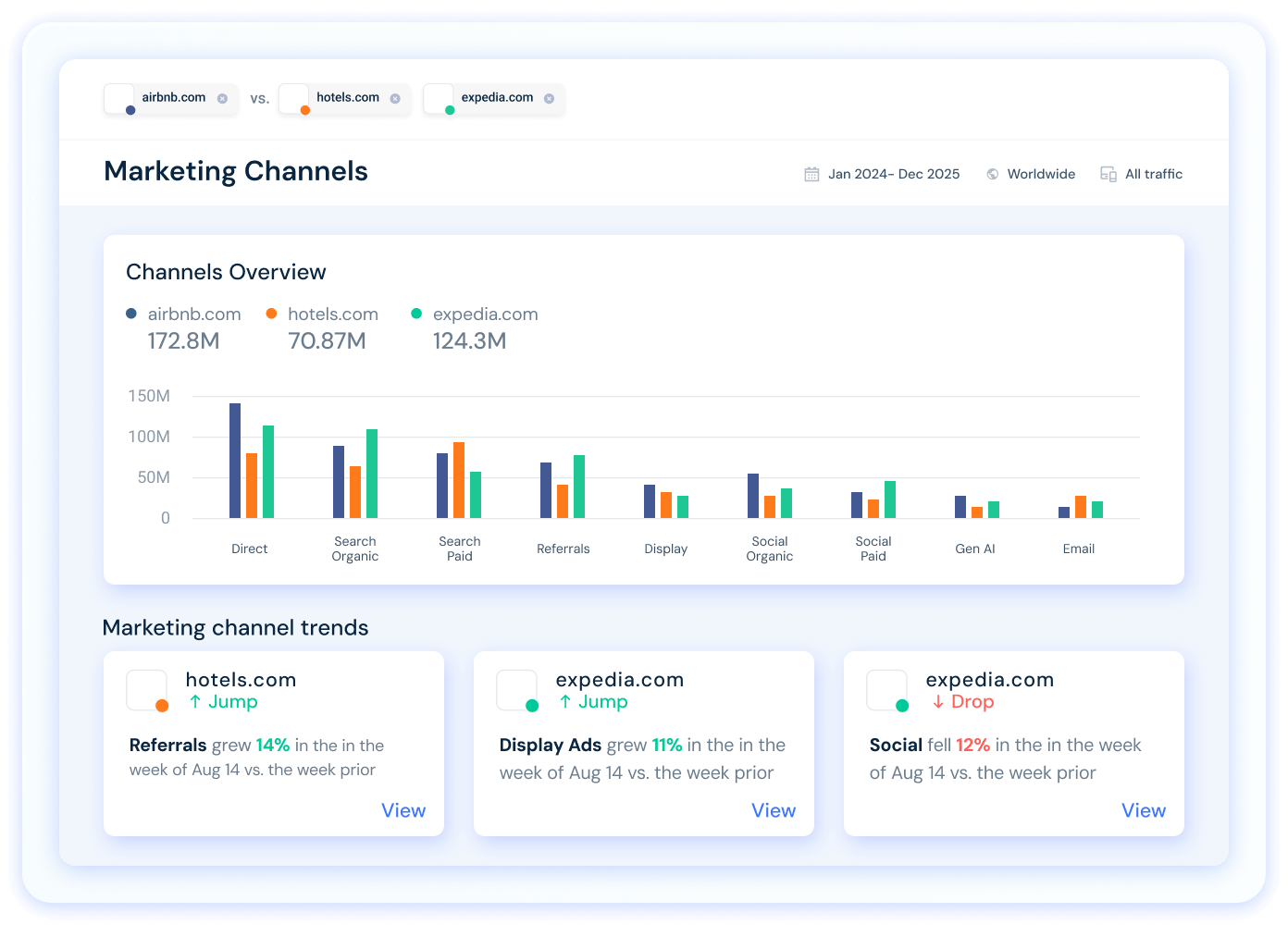
| Semrush | Search & AI Visibility | SEO, Social, AI Search | $139/mo |
| BuzzSumo | Trending content analysis | Blogs, FB Pages | $199/mo |
| Rival IQ | Agency-level reporting | All Major Social | $239/mo |
| Brand24 | Brand sentiment & mentions | Social, Web, AI Search | $249/mo |
Note: Pricing verified as of August 2026. Annual billing and usage-based charges may impact final costs.
Detailed Tool Analysis
1. vidIQ: The YouTube Authority
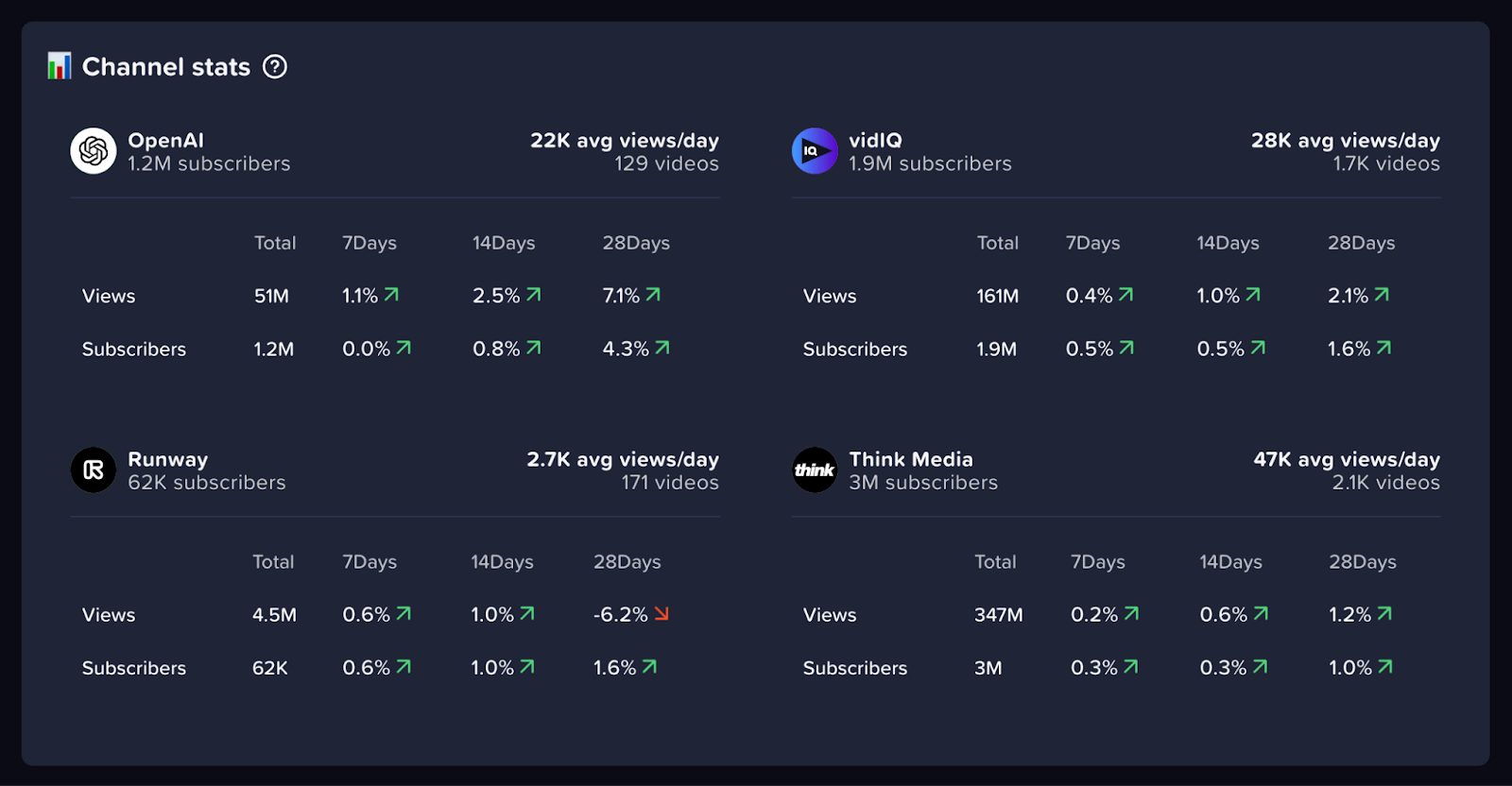
For video-first creators, vidIQ is indispensable. It focuses exclusively on the YouTube ecosystem, allowing you to audit competitor channels against your own. By sorting competitor videos by "views per hour" (VPH), you can identify evergreen topics that continue to gain traction years after publication. It is the lean, focused choice for those who don’t need the clutter of multi-platform tools.
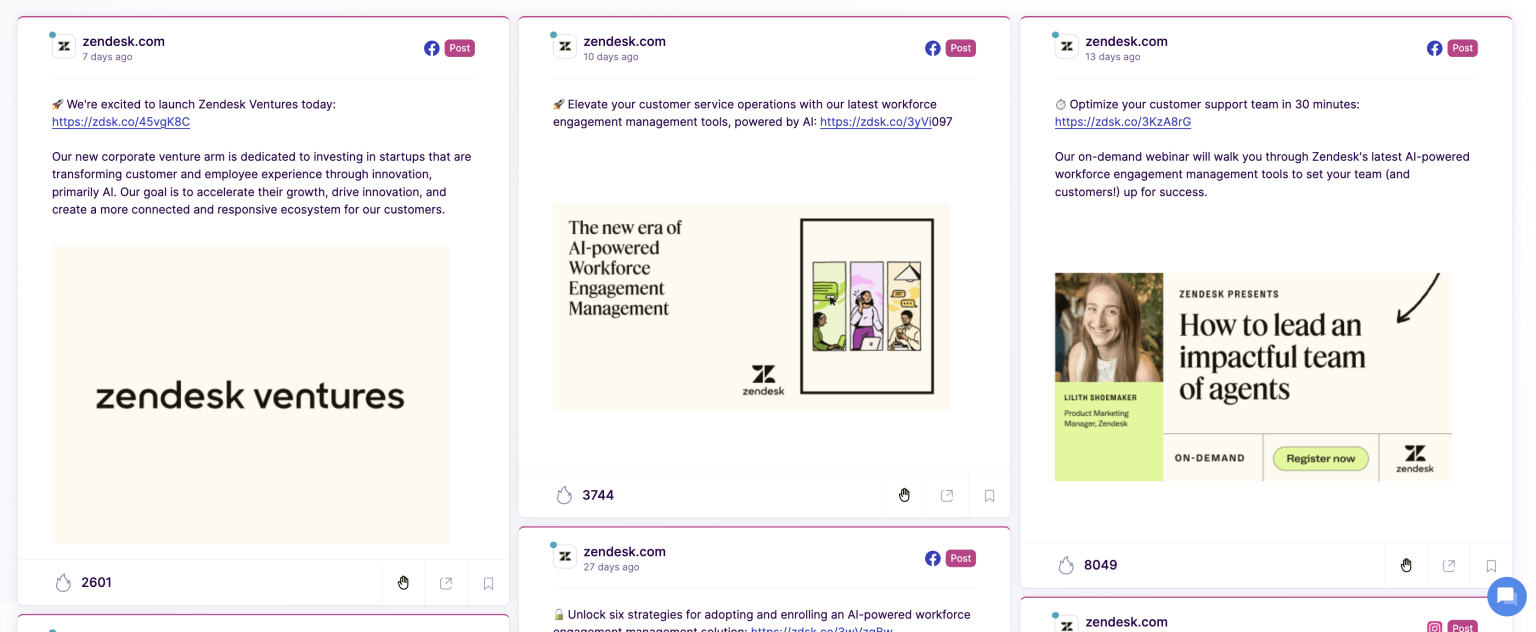
2. Social Status: The Solo Creator’s Choice
If you are a solo entrepreneur or managing a small business on a shoestring budget, Social Status is the most logical entry point. It provides basic, clean metrics across all major social networks. While it lacks the visual "polish" of high-end enterprise platforms, its spreadsheet-style interface provides exactly what you need to track follower growth and engagement without breaking the bank.
3. Ahrefs: The SEO Powerhouse
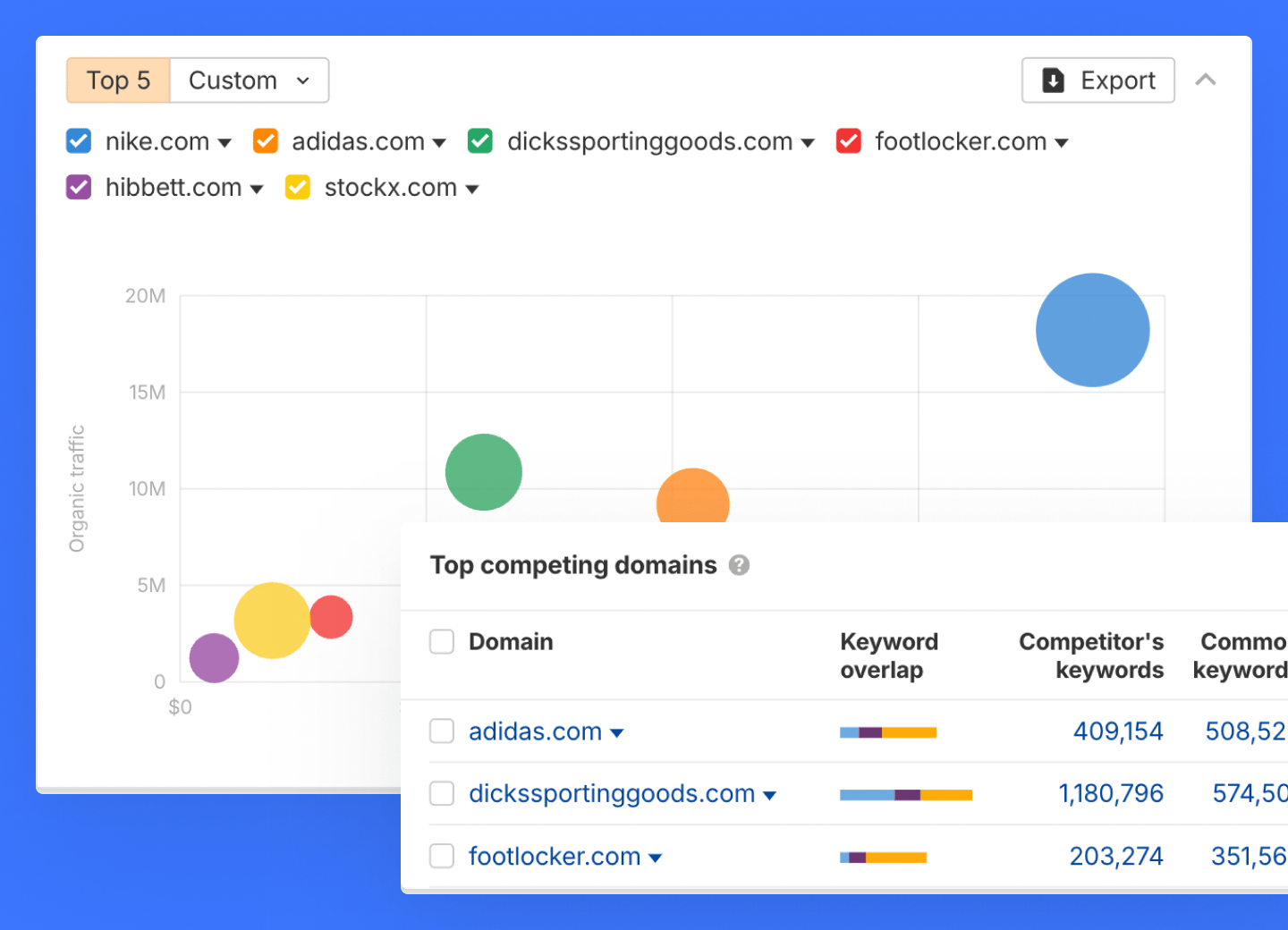
Ahrefs has become a staple for anyone competing in the search engine arena. It excels at revealing your competitors’ organic traffic sources and content gaps. By analyzing which backlinks and keywords are fueling their success, you can replicate those strategies. With the introduction of their Starter plan, serious SEO research is now accessible to solo marketers at a fraction of the historical cost.
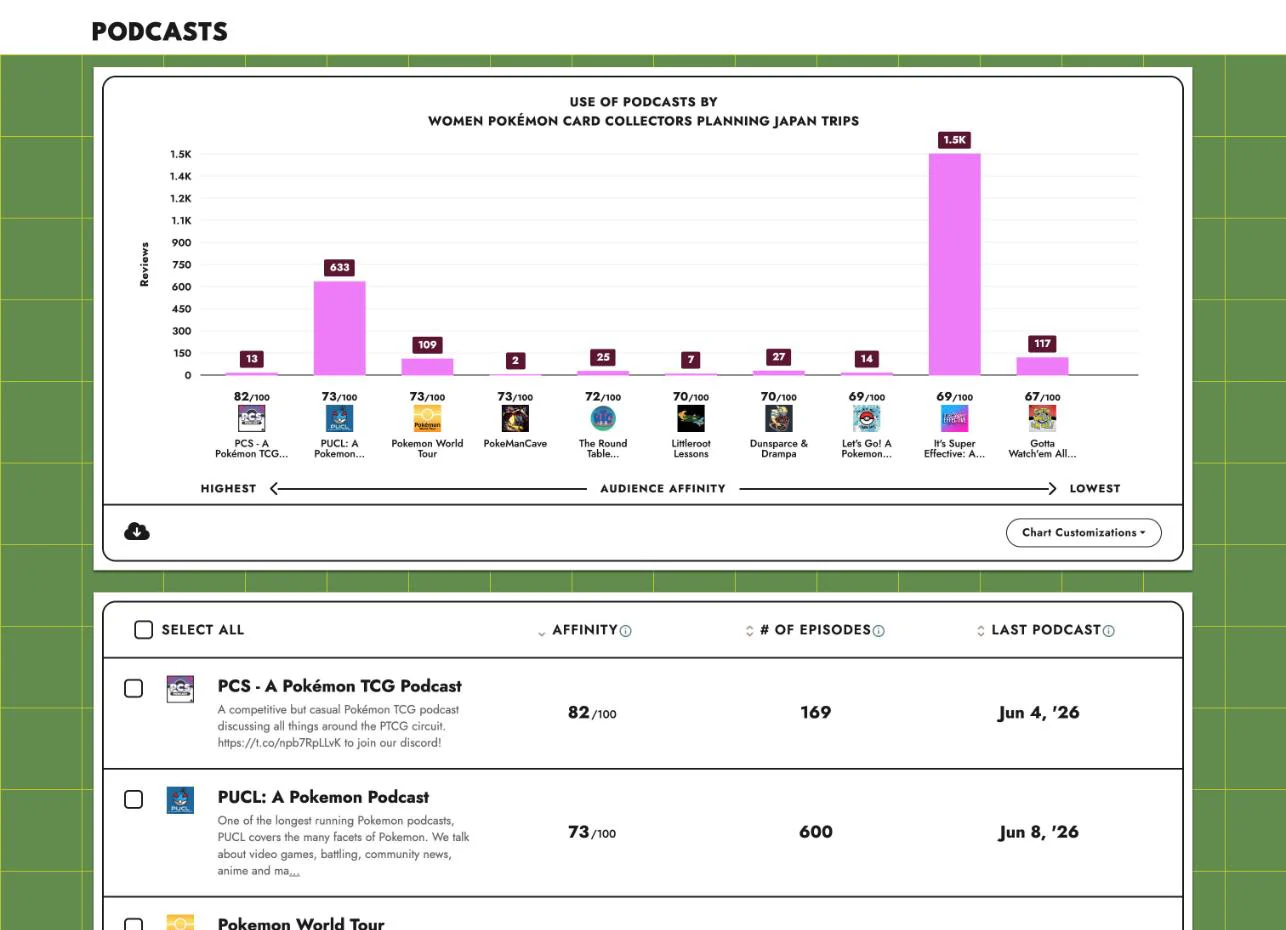
4. Competitors App: The All-in-One Monitor
For those managing disparate marketing channels, Competitors App acts as a centralized dashboard. It tracks website changes, email newsletters, and PPC campaigns in real-time. The unique "per competitor" pricing model means you pay only for what you track, though it requires careful arithmetic as you scale your list of rivals.
5. SparkToro: The Audience Architect
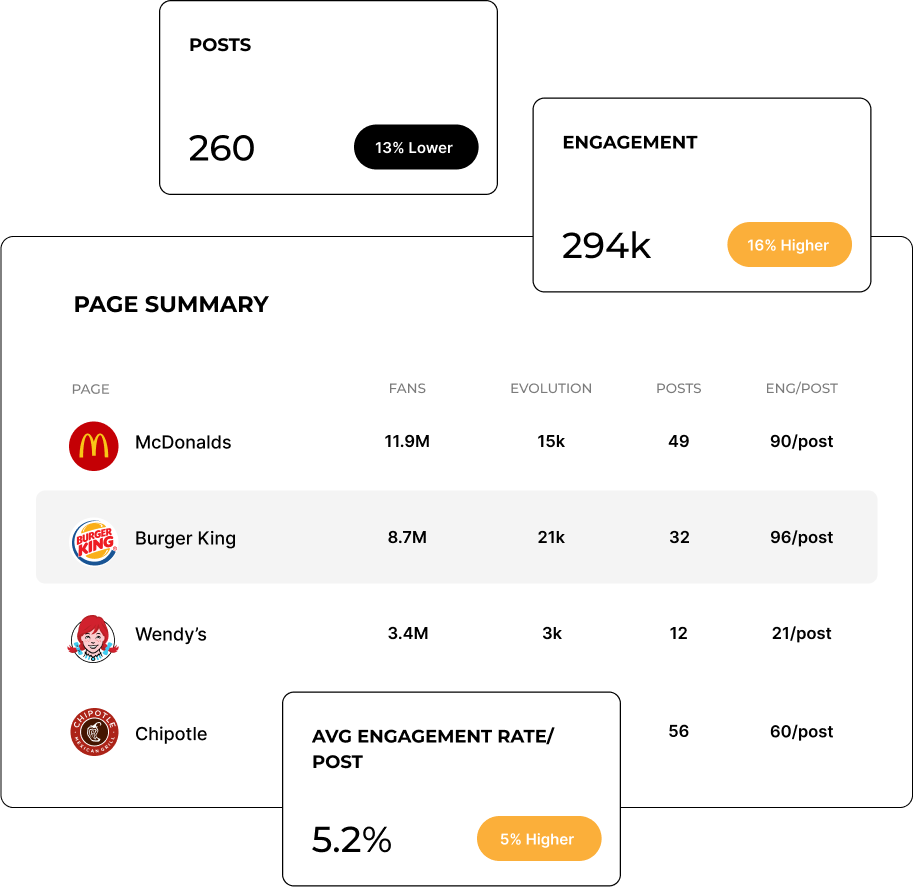
SparkToro flips the script on traditional analysis. Instead of looking at what competitors are doing, it looks at where their audience is going. It reveals which podcasts, newsletters, and social accounts your target market follows. It is an essential tool for those starting from zero who need to "borrow" an audience to kickstart their own growth.
Implications: The "So What?" Factor
It is easy to fall into the trap of "analysis paralysis." You may spend hours comparing your engagement rates to a competitor’s, only to feel demoralized by the numbers. At Buffer, we maintain a healthy skepticism toward over-analysis.
The Golden Rule: After every competitor analysis session, you must be able to name one concrete thing you will do differently this week. If the session simply leaves you feeling "behind," you are using the tools as a distraction, not a resource.
Building Your Analysis Cadence
To ensure your efforts remain productive, follow this monthly loop:
- Track: Select 3–5 direct competitors and record their follower growth, engagement rates, and top three posts.
- Observe: Note any changes in their pricing, campaign messaging, or positioning.
- Act: Write down one specific content or strategy shift you will implement as a result of these findings.
Consistency in this cadence is vastly superior to sporadic, deep-dive sessions. An inconsistent analysis with an expensive, high-end tool will always lose to a consistent, disciplined manual audit.
Frequently Asked Questions
How do I use ChatGPT for competitor analysis?
Think of AI as a research assistant, not a primary data source. While ChatGPT cannot crawl live websites, you can use it to:
- Summarize the tone of a competitor’s recent blog posts.
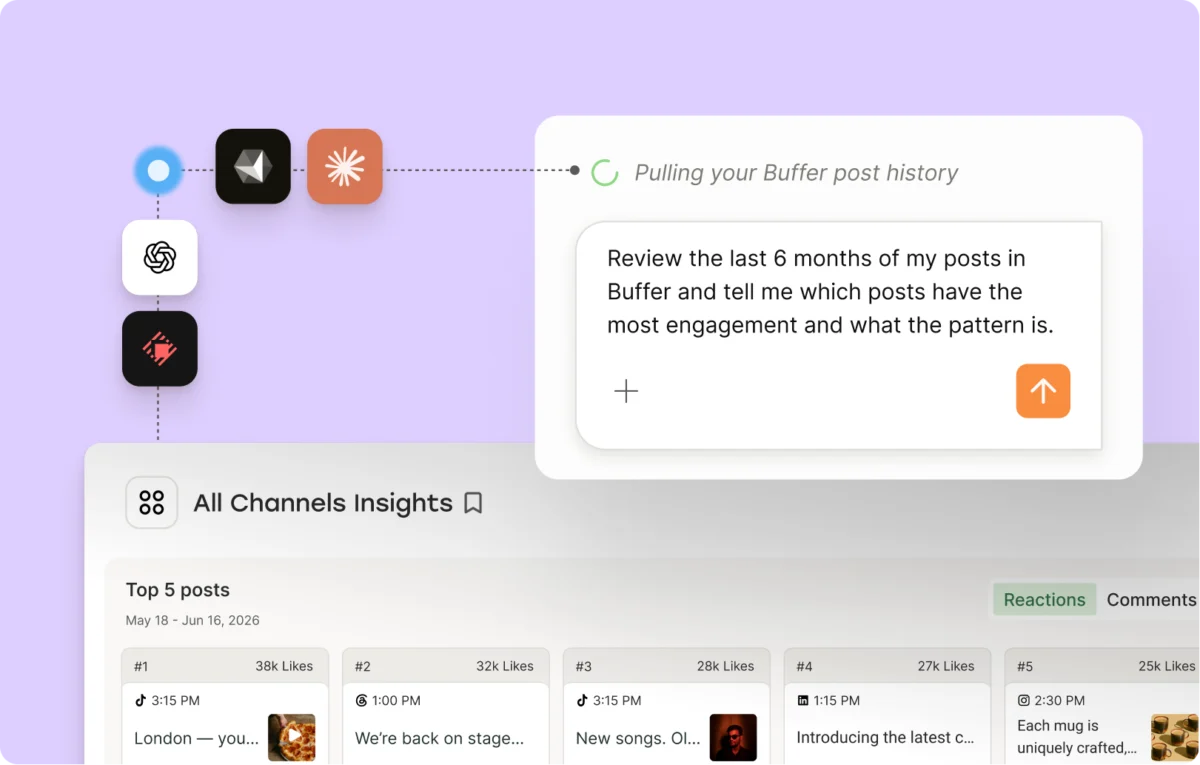
- Brainstorm counter-strategies to a competitor’s recent product launch.
- Structure your data into a clean, comparative spreadsheet format.
What is the difference between monitoring and analysis?
- Competitor Monitoring is alert-driven. It tells you when something happens (e.g., a competitor launches a new ad or changes their bio).
- Competitor Analysis is a point-in-time assessment. You evaluate the data to decide on a long-term strategic pivot.
If you only check your competitors once a quarter, focus on analysis. If you need to react to market shifts instantly, prioritize monitoring.
Is it possible to perform analysis without paid tools?
Absolutely. If you are in the early stages of building your social media strategy, your time is better spent refining your internal content calendar and building a community. You can manually audit your own accounts and track a few competitor metrics in a spreadsheet for free. Once you reach a point where manual tracking becomes a bottleneck to your growth, that is the moment to invest in a dedicated software solution.
Conclusion
Competitor analysis is a means to an end, not the end itself. Whether you choose a niche tool like vidIQ or an enterprise platform like Brand24, ensure your choice aligns with your current growth phase. Remember: the goal is not to copy your competitors, but to understand the landscape well enough to carve out your own unique space within it. Close the tabs, stop the endless comparison, and start building content that provides real value to your audience.

 Nana Wu
 Azzam Bilal Chamdy
 Raul Delapena Setiawan
 Reynand Wu
 Sagoh
Sagoh


