
 Basiran
In the rapidly evolving landscape of digital marketing, staying consistent across social channels is no longer a luxury—it is a business necessity. For over a decade, Buffer and Hootsuite have stood as the twin pillars of social media management. However, as of 2026, the divide between these two platforms has widened significantly, reflecting a shift in how businesses of all sizes approach their online presence.
If you are currently evaluating your tech stack, the choice between Buffer and Hootsuite is rarely about which tool is "objectively better." Instead, it is a strategic decision: are you building for agility and cost-efficiency, or are you managing the complex, high-stakes infrastructure of a global enterprise?
Main Facts: The Core Philosophical Split
The fundamental difference between these two platforms lies in their target audience and, consequently, their pricing architecture.
Buffer has doubled down on its identity as the "creator-first" platform. It is designed for solopreneurs, influencers, and small-to-medium-sized businesses (SMBs) that prioritize ease of use, clean interfaces, and budget predictability. By charging per social channel, Buffer allows teams to scale their content reach without the punitive costs associated with adding extra seats.

Hootsuite, conversely, remains the heavyweight champion for enterprise marketing teams. It is built for organizations that require deep-dive social listening, robust ad management, and complex competitive benchmarking. Because it charges per user, Hootsuite is optimized for large departments where multiple stakeholders—from community managers to regional directors—need granular permission settings and sophisticated reporting tools.
Chronology: How the Tools Diverged
To understand why these platforms feel so different today, we must look at their recent development trajectories.

- Early Years (2010–2015): Both platforms began as simple scheduling solutions. Hootsuite gained early dominance by offering a "stream-based" dashboard that allowed power users to monitor multiple feeds at once. Buffer captured the minimalist market by focusing on a "queue-based" system that made scheduling feel effortless.
- The Mid-2020s Pivot: As social media matured, the tools diverged. Buffer invested heavily in AI-driven insights and a "Community" tab that prioritizes meaningful engagement over raw volume.
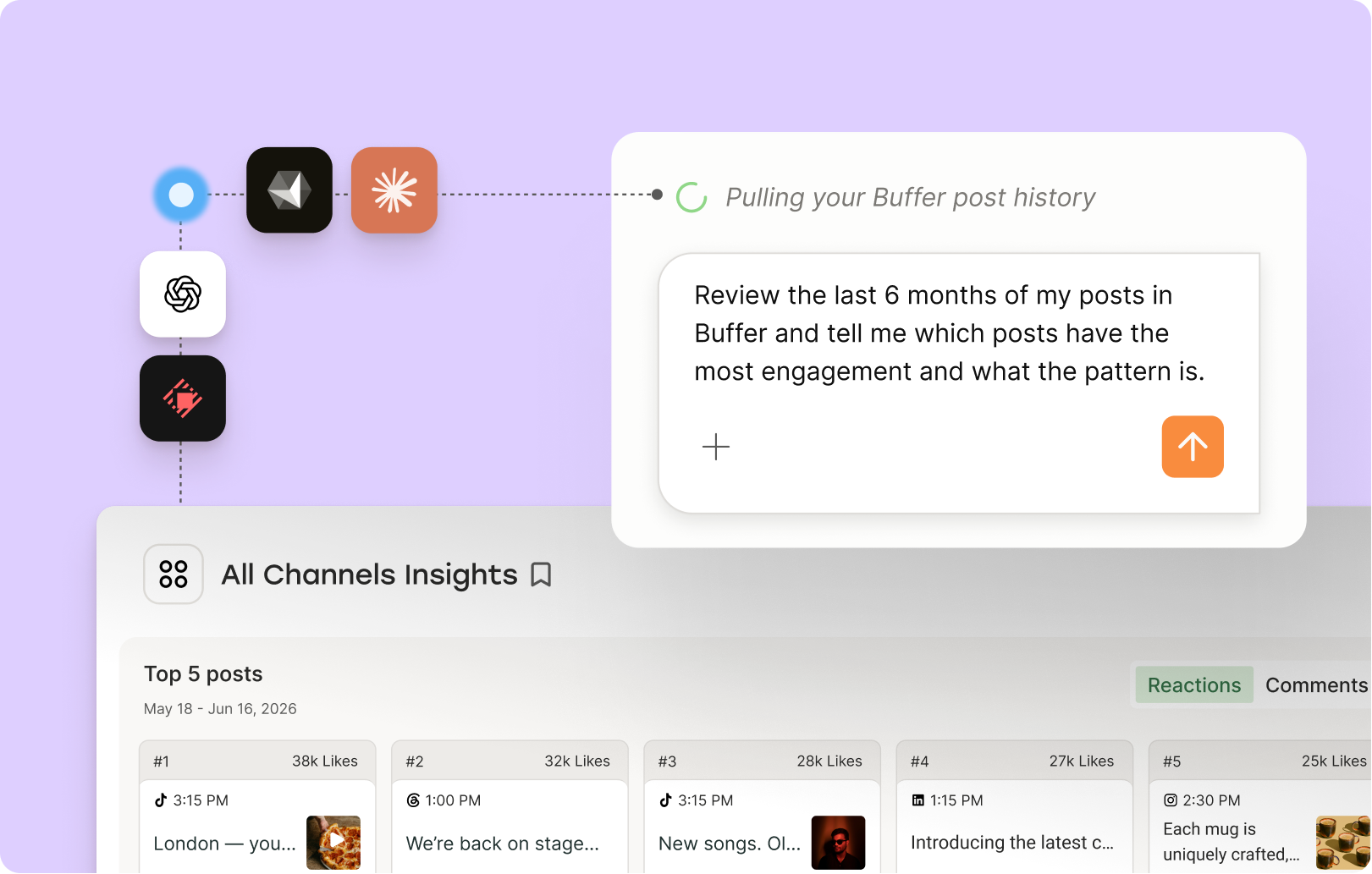
- The 2026 Landscape: Today, Hootsuite has integrated advanced AI (OwlyWriterAI) and CRM-like features into its "Inbox 2.0," cementing its position as a customer service and marketing hybrid. Meanwhile, Buffer has launched its "Insights" system, an analytics powerhouse that uses AI to provide plain-language "Takeaways," removing the need for data scientists to interpret basic performance metrics.
Supporting Data: Comparing the Models
| Feature | Buffer | Hootsuite |
|---|---|---|
| Best For | Creators & SMBs | Enterprise Teams |
| Free Plan | Yes (up to 3 channels) | No |
| Pricing Model | Per Channel | Per User |
| Starting Price | $5/channel/mo | $99/user/mo |
| AI Integration | Unlimited (All plans) | Limited tokens (Paid plans) |
| Social Listening | No | Yes (Enterprise) |
The Cost Reality
Pricing models dictate the feasibility of these tools for growing teams. Consider a small agency with two users managing two social channels:
- Buffer: At $5 per channel, you are looking at approximately $24/month for a Team plan that supports unlimited users.
- Hootsuite: With a per-user cost of $149 (for a standard setup), the same agency would pay roughly $298/month.
This ten-fold difference in price illustrates the "Enterprise Tax" inherent in Hootsuite’s model. For a small business, that $274 monthly saving can be reallocated to ad spend or content creation.
The User Experience: Interface and Onboarding
Ease of use is the silent killer of productivity.
Buffer’s onboarding is famously frictionless. You can connect accounts, set a posting schedule, and create your first "Start Page" (a link-in-bio feature) in under ten minutes. The interface is intuitive, utilizing a Kanban-style board for content ideas (Create Space) that feels more like a creative studio than a corporate dashboard.
Hootsuite requires a steeper learning curve. The interface is dense, packed with columns, streams, and settings menus designed for high-volume management. While this is an asset for a social media manager overseeing 50 accounts, it can be overwhelming for a solo creator who just wants to schedule a few posts and track engagement.
Official Perspectives: Navigating Features
Engagement and Community
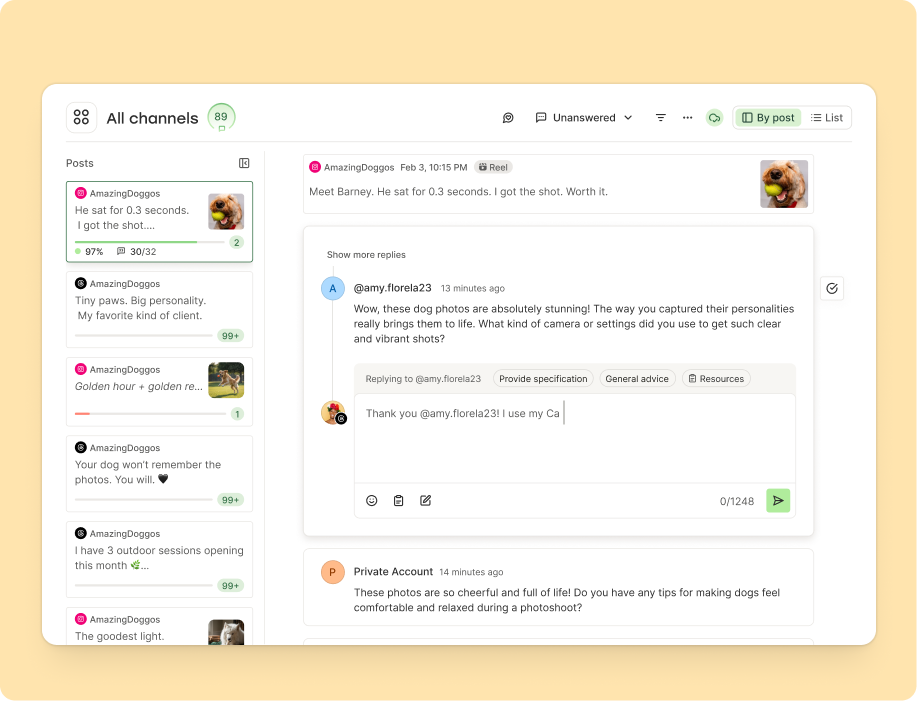
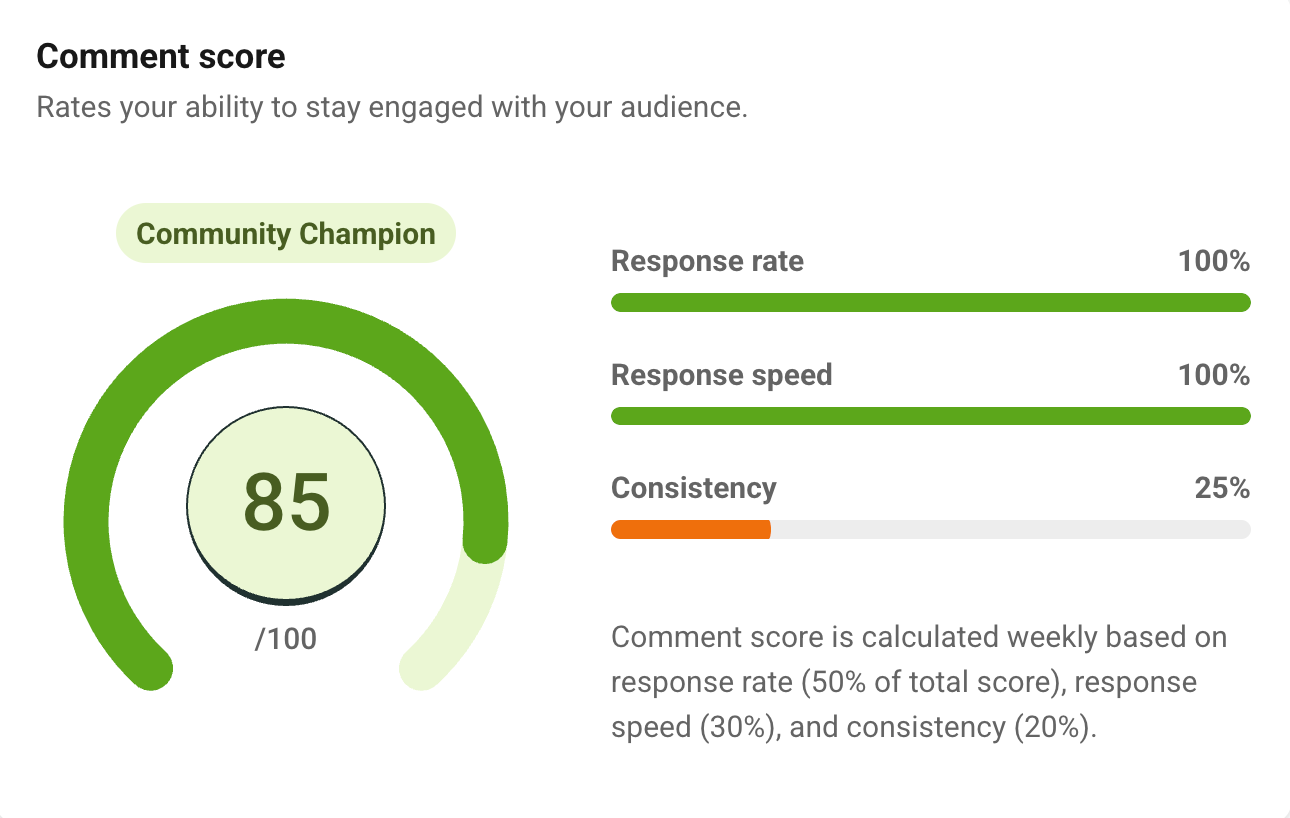
Buffer approaches engagement through its "Community" tab, which centralizes comments and mentions. Its standout feature is the "comment score," which gamifies response times, helping small teams stay consistent. The inclusion of AI-suggested replies makes it a powerful tool for those who are short on time but high on engagement.
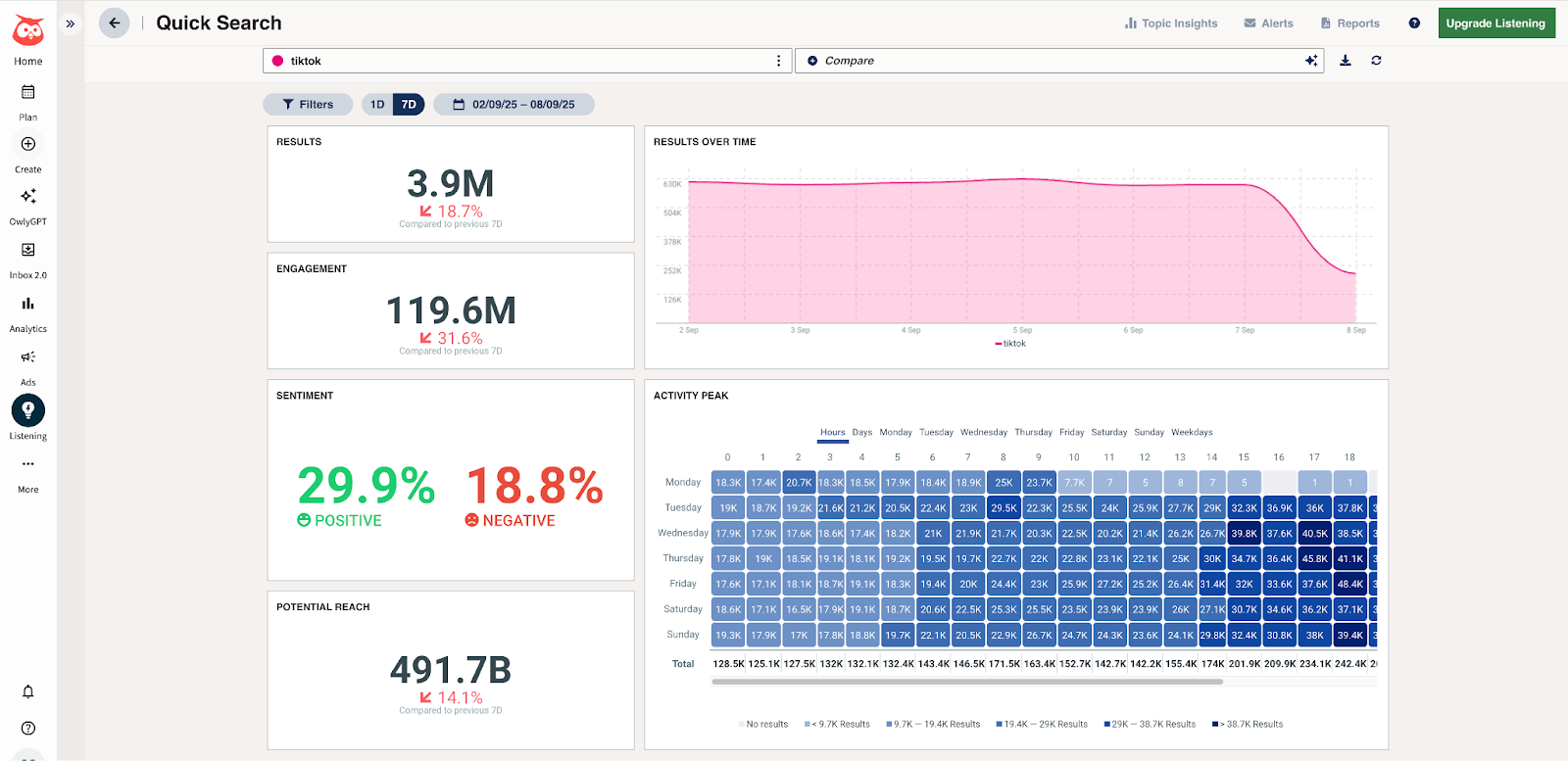
Hootsuite’s "Inbox 2.0" is more akin to a Help Desk. It allows for the routing of messages, assigning tickets to team members, and even attaching CRM data like phone numbers or email addresses to specific users. It is an operational tool designed to minimize the risk of a public relations crisis.
Analytics and Insights
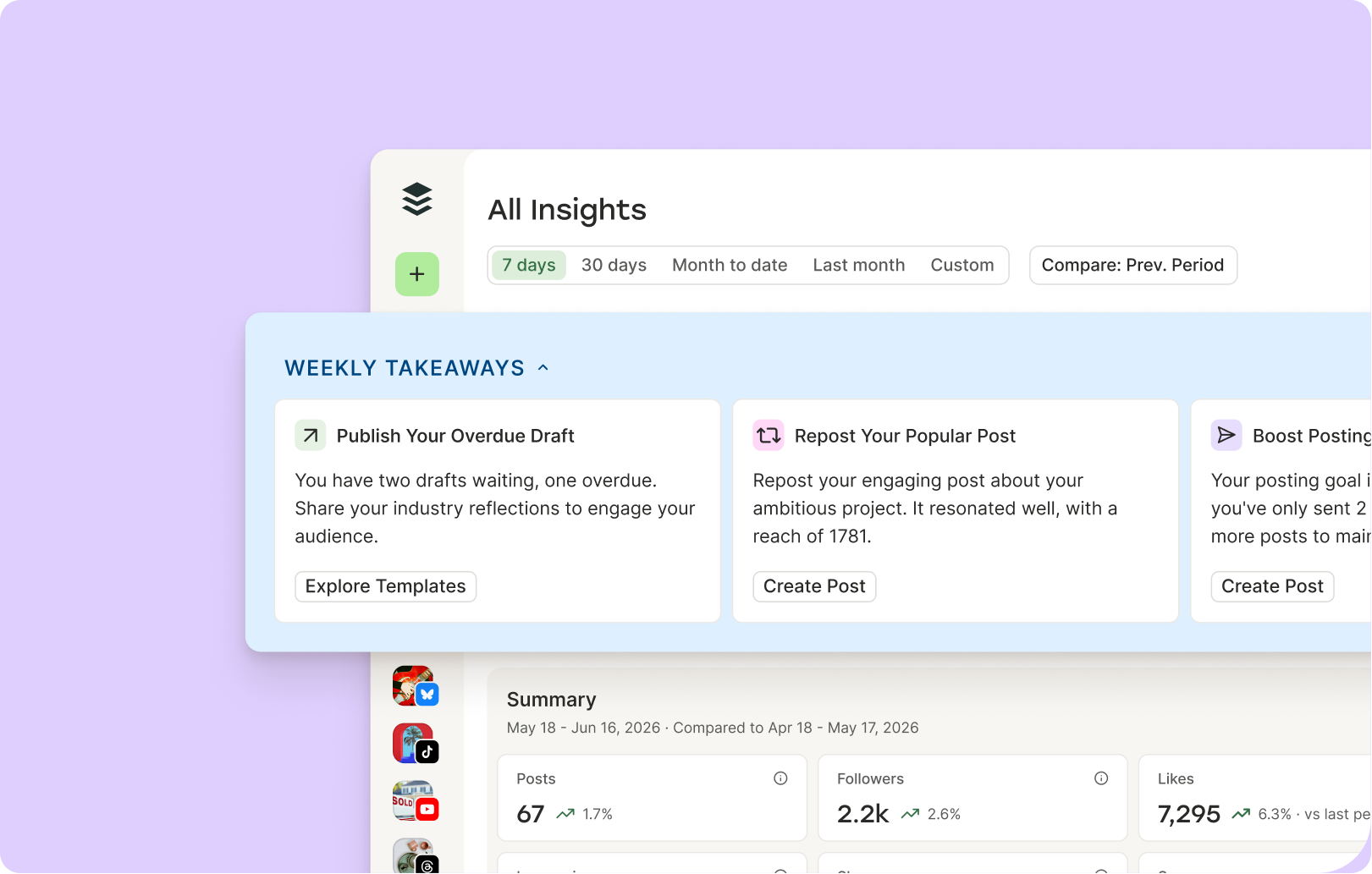
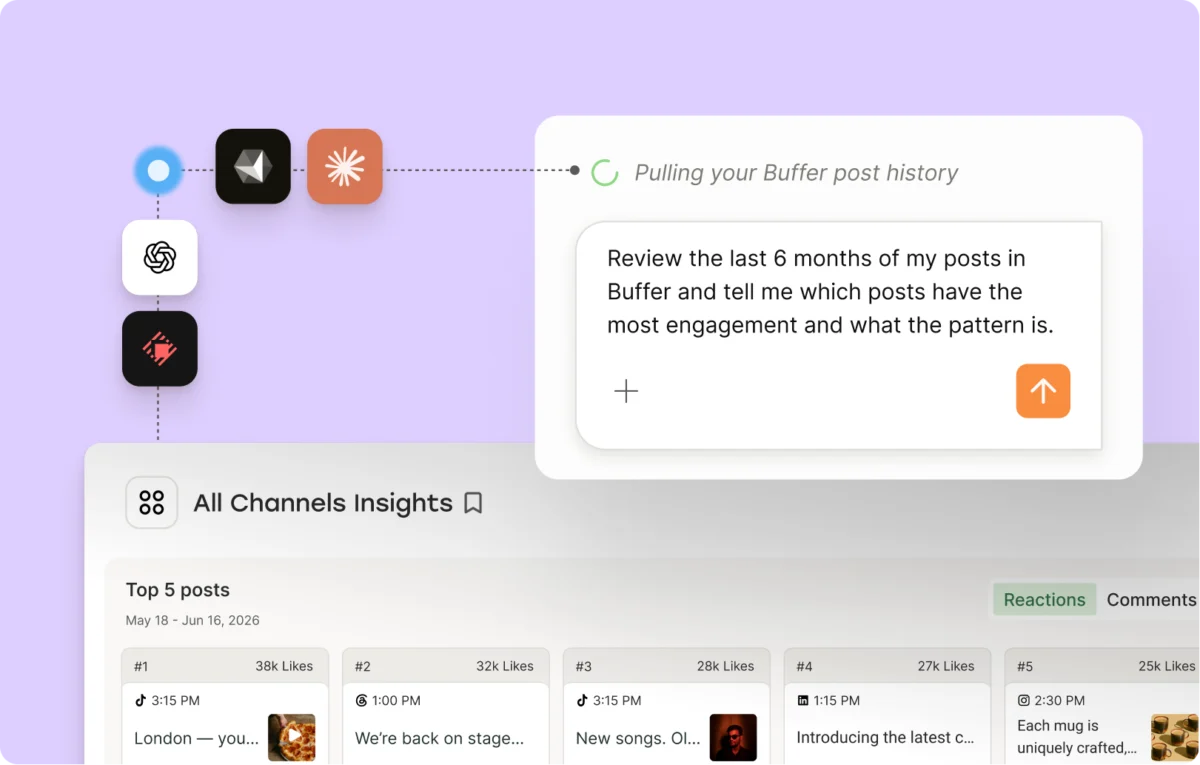
Buffer’s 2026 "Insights" system is designed for the non-expert. By providing "Weekly Takeaways," it offers actionable advice—such as "repost this high-performing content" or "your engagement is down on Tuesdays"—without requiring the user to navigate complex spreadsheets.
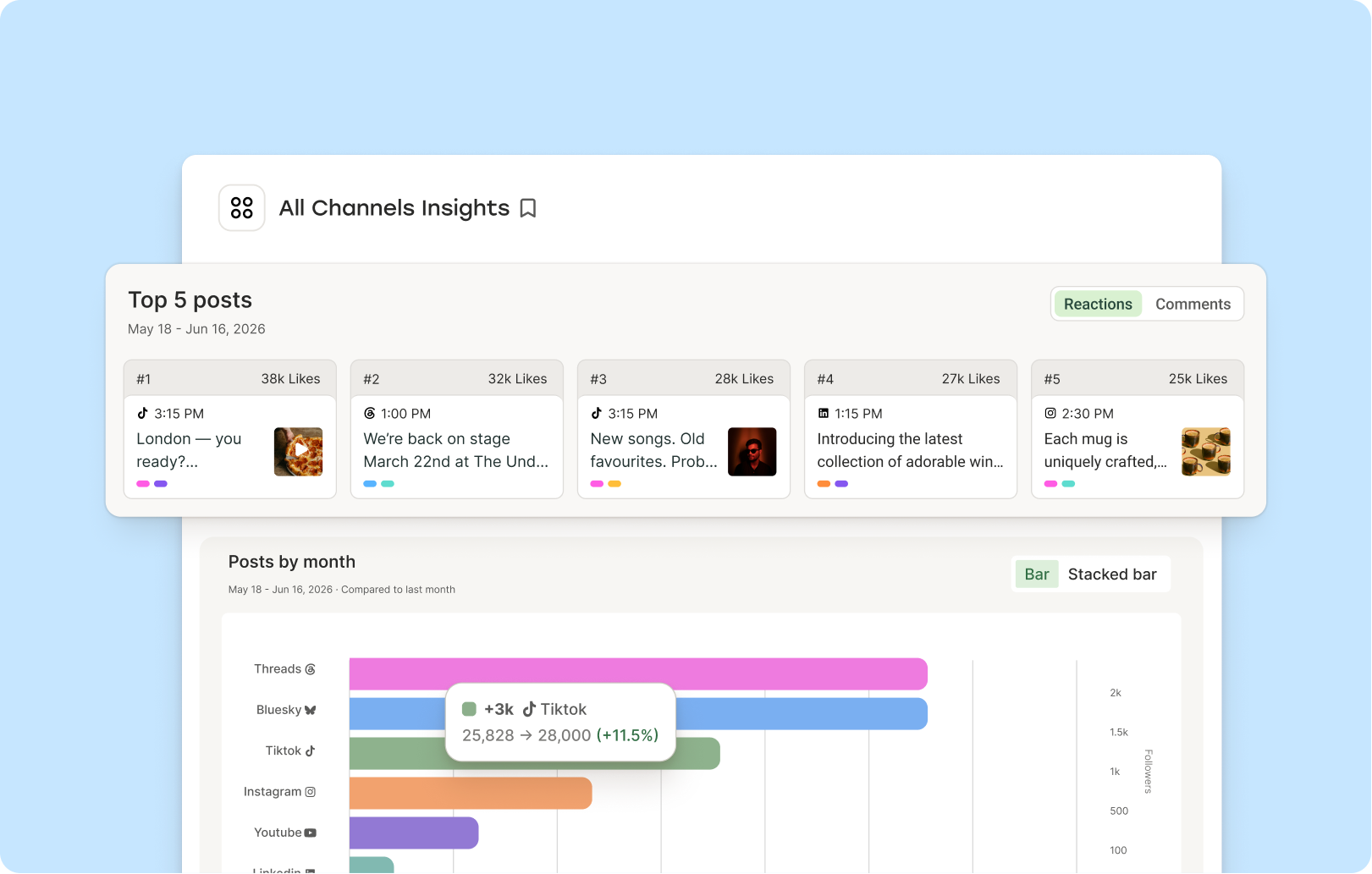
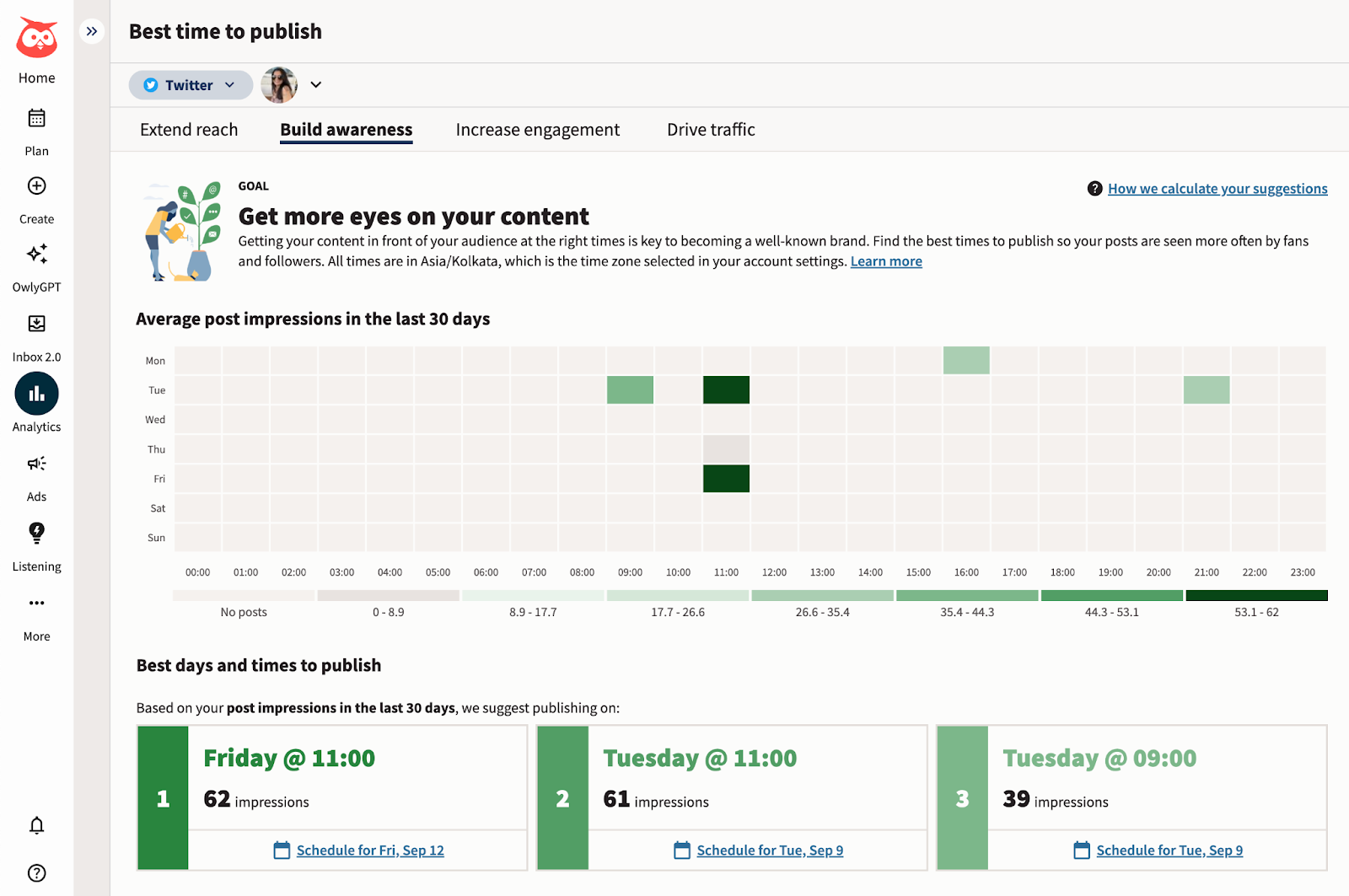
Hootsuite’s analytics, however, are built for reporting to the C-suite. With industry benchmarking and direct ad-performance tracking, it provides the quantitative evidence needed to justify large-scale social media budgets. If you are reporting to a board of directors, Hootsuite’s depth is currently unmatched.
Implications: Making the Right Choice
Choose Buffer if:
- You are a creator or solopreneur: You need a lean, fast, and cost-effective tool.
- You have a growing team: You want to add team members without increasing your subscription cost every time you hire a new assistant.
- You value simplicity: You prefer a tool that gets out of your way and provides clear, actionable advice rather than raw data.
Choose Hootsuite if:
- You are an enterprise organization: You need deep-tier permissions, sophisticated approval workflows, and multiple team hierarchies.
- You run paid campaigns: If social ads are a central part of your strategy, Hootsuite’s integrated ad management is a significant advantage.
- Social listening is non-negotiable: You need to track sentiment and brand mentions across the entire web to manage your company’s reputation.
The Broader Ecosystem: Alternatives to Consider
While Buffer and Hootsuite dominate the conversation, the market has become increasingly specialized.
- Sprout Social is often the primary competitor to Hootsuite for enterprises that prioritize social CRM and deep analytics.
- Later remains the go-to for visual-first brands focusing on Instagram and TikTok.
- Metricool has emerged as a dark horse, offering a balanced mix of scheduling and analytics that appeals to users who find Hootsuite too expensive but need more than what basic tools offer.
- Sendible continues to be the preferred choice for agencies managing dozens of distinct client brands under one roof.
Final Verdict
The "best" tool is the one that aligns with your current growth phase.
If you are in the "building" phase, where every dollar counts and time is your most precious resource, Buffer offers a superior return on investment. Its commitment to a forever-free plan and its recent integration of AI-driven "Takeaways" makes it a formidable partner for modern digital creators.
If you are in the "scaling" phase—where you are managing multiple departments, mitigating brand risk, and reporting to stakeholders who demand complex data—Hootsuite’s robust infrastructure remains the industry standard.
Ultimately, social media management is about the quality of your connection with your audience. Whether you choose the minimalist efficiency of Buffer or the comprehensive power of Hootsuite, ensure that the tool serves your strategy, rather than forcing your strategy to conform to the limitations of your software.
For those still undecided, consider taking advantage of the trial periods. Buffer’s 14-day trial and Hootsuite’s 30-day trial provide ample time to test your specific workflows. If you have further questions or need a demo tailored to your business, the support teams at both companies are highly responsive—don’t hesitate to reach out to them directly.

 Nana Wu
 Azzam Bilal Chamdy
 Raul Delapena Setiawan
 Reynand Wu
 Sagoh
Sagoh


 Ali Ikhwan