
 Asro
Asro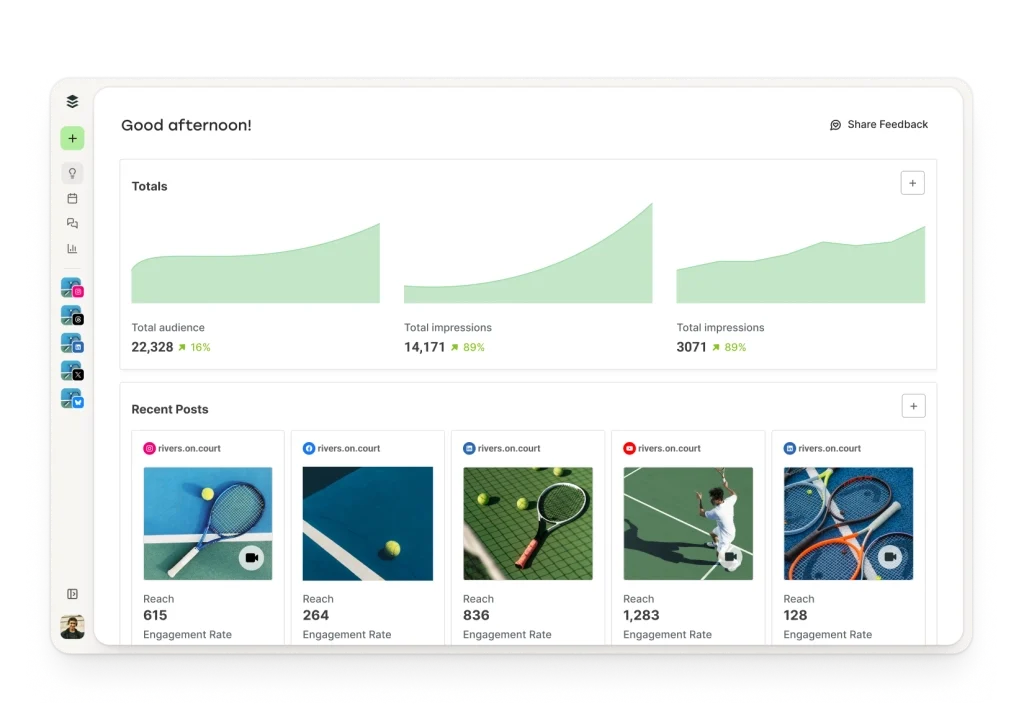
Choosing the right social media management tool is more than just a logistical decision; it is a strategic choice that dictates how your brand interacts with the world. In an era where digital presence is synonymous with business viability, the "home base" from which you manage your content can either streamline your workflow or create unnecessary friction.
For many creators and small business owners, the debate often narrows down to two industry stalwarts: Buffer and Later. Both platforms have carved out significant niches in the social media management space, yet they operate with fundamentally different philosophies. This guide breaks down the core differences, pricing structures, and feature sets to help you determine which platform serves your long-term growth.
Main Facts: Defining the Contenders
At its core, a social media management tool acts as an operating system for your digital presence. Buffer and Later are designed to alleviate the burden of manual posting, but their architectural approaches differ.
Buffer positions itself as a streamlined, highly flexible, and cost-effective solution. It is built on a "channel-based" model, allowing users to pay only for the specific platforms they utilize. It emphasizes accessibility, providing a generous free tier that remains one of the most competitive in the industry.
Later, conversely, is built with a "visual-first" mentality. It prioritizes the aesthetic workflow, offering drag-and-drop calendars that cater heavily to Instagram and TikTok creators. Unlike Buffer, Later does not offer a permanent free plan, instead focusing on a premium, bundled experience that includes robust visual planning tools and influencer marketing integrations.
Chronology and Market Evolution
The development of these two platforms reflects the shifting landscape of social media.
- The Early Years: Buffer entered the market early as a simple scheduling tool, focusing on the "set it and forget it" utility of Twitter and Facebook. Its evolution has been one of steady, modular growth, adding platforms and analytics as the social ecosystem expanded.
- The Visual Pivot: Later (originally known as Latergramme) began as a specific solution for the Instagram grid aesthetic. Its trajectory has been defined by the rise of "visual storytelling," leading it to prioritize features like grid previews and media libraries.
- Modern Maturity: Today, both platforms have matured into full-suite management tools. While Buffer has leaned into AI-assisted content generation and community engagement, Later has expanded into influencer marketing and social listening to capture the enterprise and creator-economy markets.
Supporting Data: Feature and Pricing Comparison
For a business owner, the "bottom line" is often the deciding factor. The following table provides a snapshot of how these tools compare regarding accessibility and functionality.
| Feature | Buffer | Later |
|---|---|---|
| Free Plan | Yes (3 channels) | No |
| Paid Entry Price | $6/month | $25/month |
| AI Content Gen | Unlimited (all plans) | Credit-based (paid only) |
| Bulk Scheduling | CSV Upload Supported | Not supported |
| Team Management | Unlimited users on Team plan | Limited seats/Tiered pricing |
| Supported Channels | Broad (includes Mastodon, Bluesky) | Focused (Visual-centric) |
Pricing Philosophies
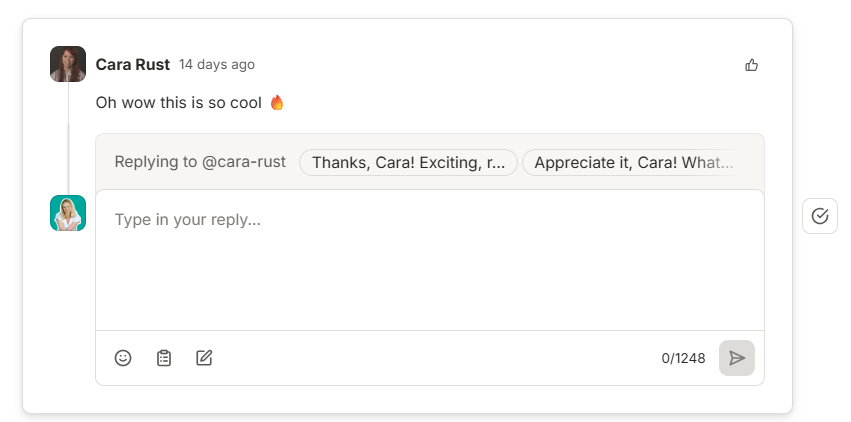
Buffer’s pricing is modular. If you are a solopreneur who only needs to manage a LinkedIn page and a Facebook group, you pay for those two connections. Later employs a "Social Set" model. A social set bundles accounts across different platforms. While this is efficient for a brand that is active everywhere, it can be prohibitively expensive for niche creators who only need specific channels.
Furthermore, Buffer’s decision to include unlimited team members on its Team plan is a massive advantage for growing agencies. Later, by contrast, restricts team seats, requiring additional payments as you scale your personnel.
Deep Dive: Content Creation and Scheduling
The Buffer Approach
Buffer excels in efficiency. Its Create Space serves as a digital scratchpad, allowing users to dump links, media, and text snippets into a Kanban-style board. The inclusion of a browser extension and RSS-feed integration makes content curation seamless. Additionally, Buffer’s bulk scheduling via CSV is a game-changer for agencies managing large-scale campaigns.
The Later Approach
Later shines when aesthetics are the primary goal. Its visual planner is arguably superior for those who treat their Instagram grid as a portfolio. The ability to drag and drop media from a shared library directly onto a visual calendar allows for high-fidelity planning. However, the lack of bulk CSV uploading means that high-volume schedulers will find the manual workflow more time-consuming than Buffer’s.
Engagement and Community Management
Building a community is not just about posting; it is about replying.
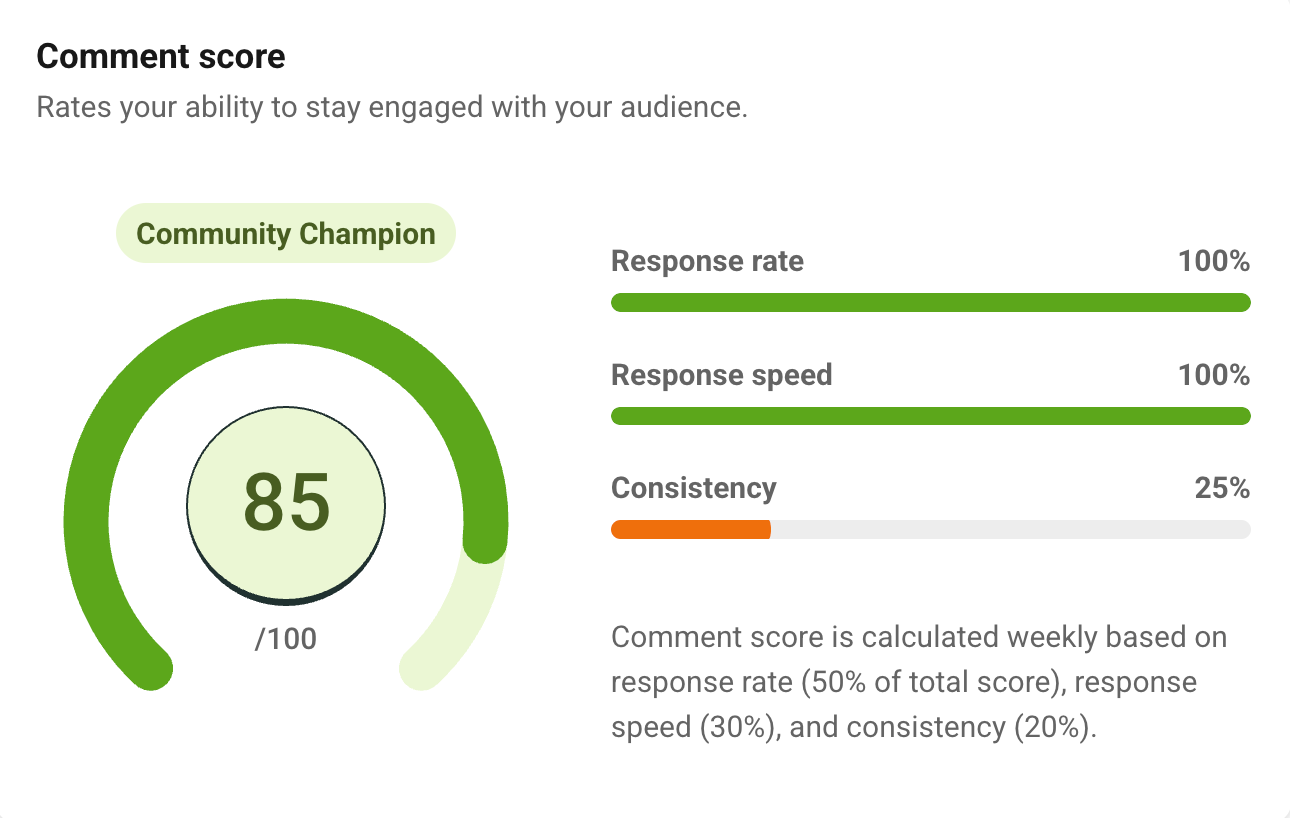
Buffer’s Community tab is a standout feature, available even on the free plan. It tracks "comment scores," which monitor response times and consistency. The AI assistant in Buffer can even suggest replies to frequently asked questions, significantly reducing the "blank screen" fatigue during high-volume engagement periods.
Later’s Social Inbox is powerful but gated behind team plans. It provides a centralized view for DMs and comments, with a convenient "hide" feature for spam management. However, its advanced features, such as social listening (monitoring sentiment and brand mentions), are positioned as premium add-ons that can significantly increase the monthly overhead.
Analytics: Turning Data into Strategy
Analytics are only as useful as the actions they inspire.
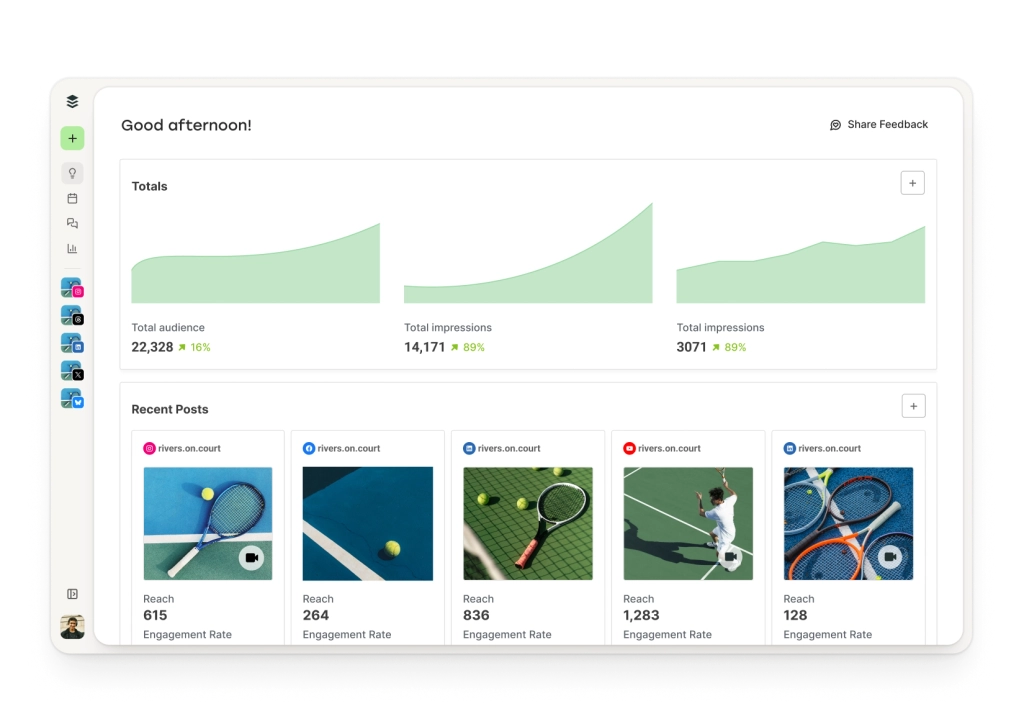
- Buffer’s Analytics: Buffer provides clear, easy-to-digest metrics. Its "Answers" tab is particularly innovative, as it moves beyond raw numbers to offer prescriptive advice—telling users why a post performed well and what time of day is optimal for their specific audience.
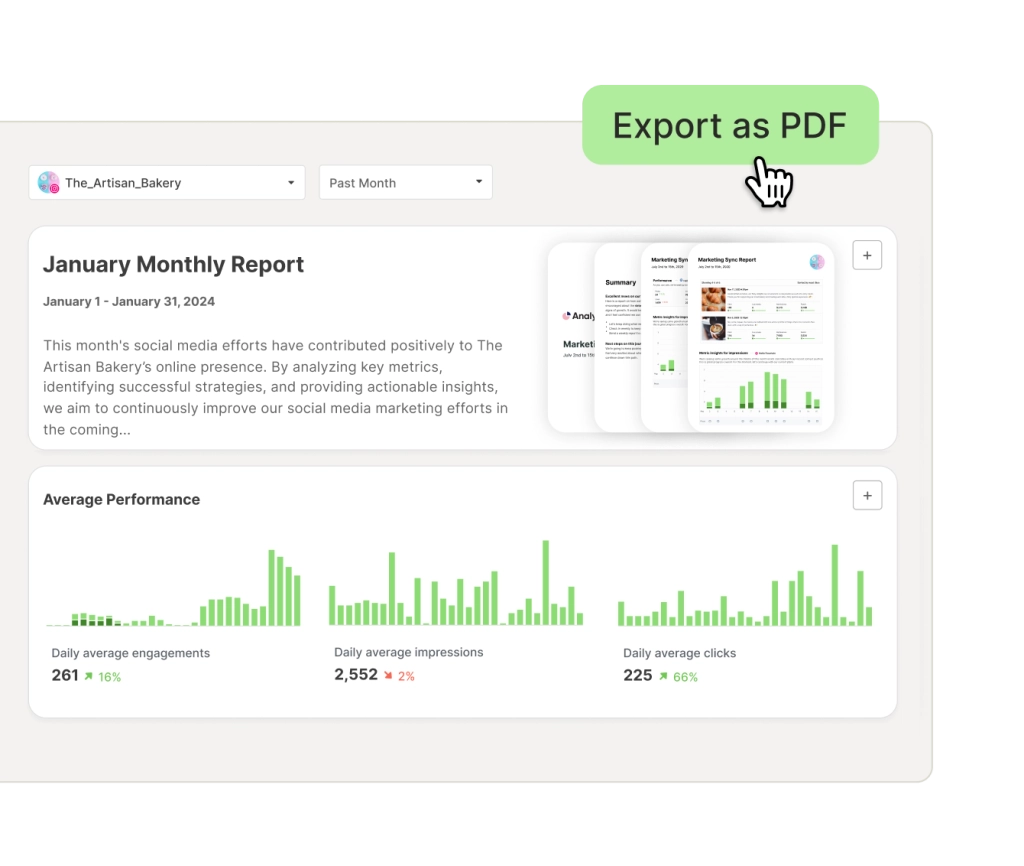
- Later’s Analytics: Later offers excellent demographic breakdowns (age, location, gender). Its "best time to post" feature is highly intuitive for Instagram and TikTok users. While it lacks the automated PDF reporting found in Buffer, it provides a comprehensive 90-day performance report for Instagram that is highly valued by influencer-focused brands.
Official Stance and Implications
Why Choose Buffer?
Buffer is the pragmatic choice for the efficient communicator. If your priority is cross-platform consistency, low-cost scalability, and unlimited AI assistance, Buffer is the clear winner. Its public API, available on all plans, is a significant differentiator, allowing developers to build custom workflows and integrations that are simply not possible on more closed platforms.
Why Choose Later?
Later is the premium choice for the visual brand. If your strategy is tethered to the visual dominance of Instagram and TikTok, the investment in Later is justified by its superior grid planning and aesthetic curation tools. It is also the better choice for brands that need to bridge the gap between social scheduling and influencer marketing management.
Implications for Your Brand Strategy
The choice between these two platforms implies a broader strategic direction for your business:
- Sustainability vs. Aesthetics: If you are building a long-term, multi-channel presence, Buffer’s pricing and AI tools allow for a more sustainable, high-frequency posting schedule without ballooning costs. If your brand is an "image-first" entity (such as a fashion label or lifestyle brand), Later’s visual tools are an essential investment for maintaining a cohesive brand identity.
- Team Scaling: If your business is in a growth phase, Buffer’s "unlimited user" model provides a predictable cost structure. Later’s seat-based pricing requires more frequent financial planning as you add staff.
- The "Creator Economy" Factor: Later’s built-in influencer marketing hub provides a streamlined path for creators to monetize their work and manage partnerships, which is a feature set currently absent from the Buffer ecosystem.
Final Verdict
The "better" tool is subjective, but the metrics are objective.
Buffer remains the gold standard for small businesses, solopreneurs, and teams that prioritize speed, flexibility, and cost-efficiency. Its commitment to a robust free plan and unlimited AI usage makes it the most accessible entry point for anyone serious about digital growth.
Later stands as the premier tool for visual-heavy social media management. For those whose entire business model relies on the aesthetic performance of Instagram and TikTok, the investment in Later’s professional-grade visual planning and influencer management tools will likely yield a higher return on investment.
Both companies offer 14-day free trials on their paid plans. Before committing, take the time to map out your specific "social stack." If you are managing multiple brands with varying needs, you may find that testing both for a single two-week cycle is the most effective way to see which workflow feels more natural to your team.
In the end, the best tool is the one that gets out of your way, allowing you to focus on what matters most: creating content that resonates with your audience.


 Ammar Sabilarrohman
 Sagoh
Sagoh
 Raul Delapena Setiawan
 Reynand Wu


 Azzam Bilal Chamdy
 Ali Ikhwan