 Pevita Pearce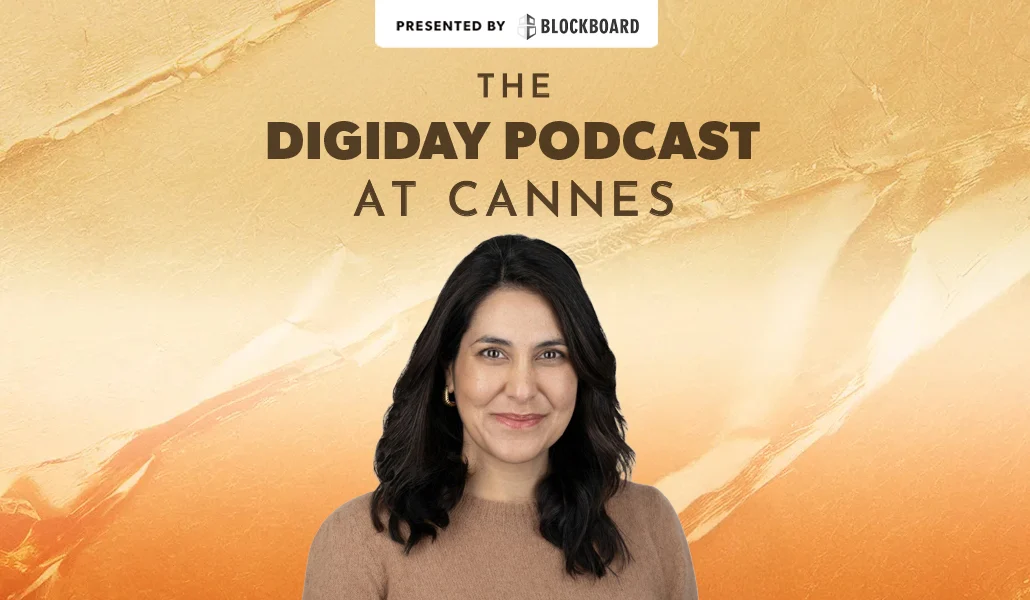
By Kimeko McCoy | June 26, 2026
The traditional advertising playbook is being rewritten, and at the center of this transformation is one of the world’s largest consumer goods conglomerates. For years, "influencer marketing" was relegated to the fringes of the media mix—a transactional line item used for sporadic awareness campaigns. Today, that narrative has been dismantled.
Unilever, the parent company behind household names like Dove, Vaseline, and TRESemmé, is spearheading a fundamental shift in how global brands interact with the creator economy. Moving beyond simple sponsored posts, the company is treating creators as core partners in product development, long-term brand strategy, and profit-sharing models. As Unilever executives revealed at the 2026 Cannes Lions International Festival of Creativity, the future of marketing is no longer about buying a channel; it is about building an ecosystem.
The Main Facts: A New Marketing Mode
The core thesis driving Unilever’s current strategy is that the "influencer" label is an antiquated misnomer. According to Selina Sykes, global vp of digital, social, and AI transformation of beauty and wellbeing at Unilever, the industry must pivot toward viewing the creator economy as a new, distinct marketing mode.
This is not a theoretical exercise. Following a pivotal 2025 announcement—where Unilever pledged to shift 50% of its total media spend toward social channels and significantly increase its reliance on creator-led campaigns—the company has spent the last year refining its infrastructure. The objective is to move away from one-off transactional posts and toward deep, multi-year collaborations that integrate creators into the very DNA of product innovation.
Chronology: From "Vaseline Verified" to "Vaseline Originals"
The evolution of this strategy can be mapped through the company’s recent work with the Vaseline brand.
2024: The Community Foundation
The seeds of the current strategy were sown in the organic growth of "Vaseline hacks." Consumers had been using the petroleum jelly for decades, but social media platforms—specifically TikTok and Instagram—began surfacing these user-generated tips, transforming a legacy product into a viral sensation.
2025: The Strategic Pivot
Recognizing that the brand’s relevance was being driven by its community, Unilever launched the "Vaseline Verified" campaign. This was a turning point, signaling to the industry that Unilever was no longer interested in traditional top-down advertising. Instead, they began investing heavily in the creators who were already advocating for the brand.
2026: The "Vaseline Originals" Evolution
At the Cannes Lions 2026, the company unveiled the next iteration of its strategy: "Vaseline Originals." This project represents a radical departure from standard influencer contracts. Unilever went back to the original creators who popularized various Vaseline hacks dating as far back as 2008. The company is now collaborating with these long-term partners to develop new products based on their specific, community-tested insights.
Most importantly, the financial structure has been overhauled. These creators are no longer receiving flat fees for posts; they are being rewarded with a 15% share of sales from the products they help bring to market. This model effectively transitions the creator from a temporary contractor to a long-term business partner.
Supporting Data: Measuring Success in the Social Age
One of the primary criticisms of influencer marketing has historically been the difficulty of tracking performance. Unilever is addressing this by implementing a multi-layered measurement framework that prioritizes "leading indicators" over vanity metrics.
1. The "Buzz" Factor
Sykes acknowledges that buzz is a valuable leading indicator. While it does not guarantee sales, it acts as a thermometer for organic sentiment. When a community begins to share and iterate on a concept, it creates a momentum that traditional ads struggle to replicate.
2. Search and SEO (The AI Frontier)
The company is moving beyond standard SEO, focusing heavily on what it calls "AI Engine Optimization." As consumers increasingly turn to AI-powered chatbots and LLMs for product recommendations and health advice, Unilever is positioning its products to be part of those AI-driven discovery loops. By tracking broad search behaviors, the brand can measure how creator-led buzz translates into consumer intent.
3. Sales and ROI
Despite the excitement surrounding social engagement, Unilever remains disciplined. Sales and Return on Investment (ROI) remain the ultimate benchmarks. The brand’s logic is that by building stronger, more authentic connections through creators, they improve "brand persuasion," which eventually manifests as sustained, long-term sales growth.
Official Responses: The Human-AI Symbiosis
During the Digiday Podcast, Selina Sykes addressed the role of technology in this new landscape. A common fear in the industry is that automation and AI will strip the "human" element from marketing, leading to sterile, generic content. Sykes argues the opposite.
"AI has really helped us take that wealth of data, create some meaning out of it, and then allow the human to do what humans do best," Sykes explained.
For Unilever, AI is not a replacement for creativity; it is a tool for "superpowering" human judgment. In the context of the creator economy, AI helps distill vast amounts of sentiment data—identifying which hacks are gaining traction, which demographics are showing interest, and which creators are most aligned with the brand’s values. Once the machine provides the insight, the human marketer adds the nuance, the strategy, and the creative spark.
"I’m very much obsessed with this concept of: it’s not ‘human does this, machine does this.’ It’s about the human superpowering the technology," Sykes noted.
Implications: A Watershed Moment for the Industry
The implications of Unilever’s strategy are profound and reach far beyond the beauty industry.
A shift in Power Dynamics
By offering 15% of product sales to creators, Unilever is acknowledging that the intellectual property of a viral idea belongs to the creator. This changes the balance of power. Brands can no longer simply buy reach; they must earn the right to collaborate with high-tier creators by offering them a stake in the business.
The Death of the "Media Channel"
The most significant takeaway from the 2026 Cannes discussions is the death of the "influencer as a media channel" mindset. For years, media agencies have treated creators like TV slots or display banners. Unilever’s insistence that this is a "new marketing mode" suggests that the future of advertising will be decentralized. Future campaigns will likely be built from the ground up, starting with community insights and ending with product-creator partnerships.
The Professionalization of Creators
As models like the 15% profit-share become more common, the creator economy will continue to professionalize. We are moving toward a world where creators are viewed as R&D partners, brand ambassadors, and product developers. This creates a higher barrier to entry for brands, which must now invest in the internal infrastructure to manage these complex, long-term relationships.
Conclusion
As the 2026 festival drew to a close, the consensus was clear: the era of "influencer marketing" as a siloed, tactical execution is over. Unilever’s approach demonstrates that the brands of the future will be those that integrate themselves into the social fabric of their communities. By leveraging AI to process data and empowering creators to share in the success of their own ideas, Unilever is positioning itself to lead in an environment where authenticity is the only currency that matters.
The strategy is ambitious, the risks are real, and the measurement is complex—but if Unilever’s progress with the Vaseline brand is any indication, the gamble on the creator economy is already beginning to pay dividends.

 Layla Zulfa
 Jia Lissa
 Lina Irawan
 Nana Muazin
 Nana Wu