
 Jia Lissa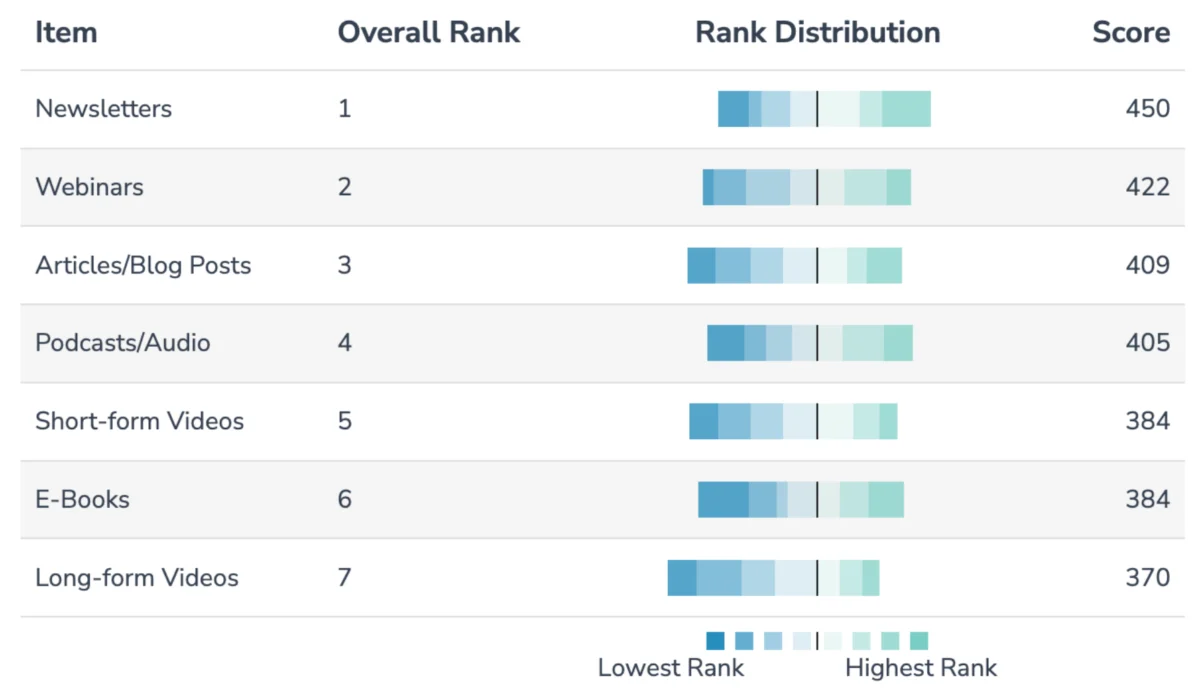
In the modern digital landscape, marketing leaders are facing an existential crisis of abundance. Every day, the typical inbox and social feed are saturated with an relentless deluge of industry reports, theoretical frameworks, and “must-read” case studies. Yet, despite the unprecedented volume of content available, the industry’s most critical decision-makers report a growing sense of information fatigue.
The prevailing theory among industry experts is simple but profound: Marketing leaders do not need more content; they need better filters. As the demand for high-quality, actionable intelligence intensifies, brands are fundamentally rethinking their email marketing strategies, signaling a major shift toward the "curation economy."
The Rise of the Curated Newsletter
At the forefront of this shift is Convince & Convert (C&C), which recently announced a strategic evolution of its long-running newsletter. Transitioning from its legacy brand, ON, to a newly reimagined resource titled The Trendline, the company is moving away from the traditional "list-of-links" model.
This pivot is not merely aesthetic. It is a calculated response to a changing consumption environment where the "quality bar" has been raised significantly. As content mediums mature, strategies that were effective five or ten years ago—such as generic link roundups—are increasingly viewed as white noise. Today’s audiences are craving smart, distilled summaries that explain not just what is happening in the industry, but why it matters and how to react to it.
Supporting Data: Why Newsletters Still Rule
To understand the necessity of this shift, Convince & Convert conducted an annual survey of its audience of marketing leaders. The findings were stark, revealing a clear hierarchy of content preferences that defies the common obsession with short-form video and social media trends.
When asked, “What content formats do you prefer when learning about marketing trends and insights?” respondents ranked newsletters as their number one source of information. In fact, newsletters were nearly twice as likely to be ranked first than any other medium, including webinars, podcasts, and long-form blogs.
This data point serves as a crucial signal for CMOs and content strategists: while social media remains an essential tool for top-of-funnel reach, the newsletter has become the primary vehicle for high-intent, professional development. For busy executives, the right newsletter acts as a cognitive shortcut, saving them time by providing critical context without the friction of clicking through to external pages.

The Flaws of the Traditional "Link Roundup"
For years, the industry standard for brand newsletters has been a simple repository of links. While this format once provided value by aggregating disparate news items, it has become a liability in an era of dwindling attention spans.
The core issue, as identified by the C&C leadership, is the "click-to-consume" barrier. If a newsletter requires a user to click three or four links just to understand the essence of a trend, it is no longer a resource—it is an administrative task. Modern readers, particularly those in leadership roles, have a low tolerance for high-friction content. They are looking for "debriefs"—resources that synthesize complex information through a professional lens and offer actionable takeaways within the body of the email itself.
The Strategy Behind "The Trendline"
The transition to The Trendline is rooted in three distinct opportunities identified through audience research:
- Strategic Synthesis: Rather than acting as a content aggregator, the newsletter now functions as a strategic partner. It asks, "What are the questions leaders should be asking right now?" rather than just reporting the news.
- Front-Loaded Value: By delivering the core insight upfront, the brand respects the reader’s time. The goal is to provide immediate value that justifies the time spent reading, even if the reader never clicks a single link.
- Enhanced Authority: By consistently sharing "the why" behind the "what," the newsletter builds trust. It positions the agency not just as a content producer, but as a thought leader capable of interpreting the volatile marketing landscape.
Official Perspective: The Human Element
The move toward The Trendline reflects a broader philosophy about the role of human expertise in an age of AI-generated content. As tools for automated content creation become more sophisticated, the value of a "human-in-the-loop" filter increases.
“When presenting to CMOs or other very senior marketing decision-makers, they need information that will help their team solve problems,” notes the leadership team behind the initiative. “They don’t have time for 20 charts to get there.”
This insight is the cornerstone of their new editorial approach. Every section of The Trendline is governed by strict guidelines to ensure brevity and utility. The format is designed to be a "debrief," focusing on:
- The Big Story: A deep dive into a singular, high-impact industry shift.
- The Strategic Lens: Commentary that explains how this shift impacts current budgets or long-term planning.
- Interactive Engagement: The inclusion of "Sound Off," a polling feature that provides direct, measurable feedback from the audience, replacing the increasingly "muddied" data of open and click-through rates.
Implications for Marketing Strategy
The evolution of The Trendline offers a blueprint for any brand looking to refine its owned media strategy. The primary lesson is that in an era of content saturation, "less is more."

1. Prioritize Audience Pain Points
The most successful content strategies start with the audience’s specific challenges. If your target audience is a CMO, your content should solve a problem or simplify a decision, not just promote a product or a blog post.
2. Value Time Over Traffic
Brands often obsess over click-through rates (CTR). However, the C&C model suggests that providing value within the email—even at the expense of a click—builds deeper brand loyalty. When a reader knows they will get smart, distilled insights from your newsletter, they are far more likely to remain a subscriber for the long term.
3. Embrace "Owned" Channels
As social media algorithms become more unpredictable and organic reach declines, owned media channels like email newsletters remain the most stable way to nurture an audience. By investing in a high-quality, curated newsletter, brands create a direct line of communication that is immune to the volatility of third-party platforms.
Conclusion: The New Standard for Email
The shift to The Trendline is not a lateral move; it is an escalation of intent. It acknowledges that the era of "content for content’s sake" is ending. In its place, we are seeing the rise of a more sophisticated, utility-driven approach to email marketing.
For marketing leaders and businesses alike, the takeaway is clear: if you want to capture attention, you must become a filter. By curating, interpreting, and delivering value with efficiency, brands can transform their newsletters from simple communication tools into essential, authoritative resources. In an increasingly noisy world, the signal—not the volume—is what truly builds trust.


 Ammar Sabilarrohman
 Sagoh
Sagoh
 Raul Delapena Setiawan
 Reynand Wu
 Azzam Bilal Chamdy
 Ali Ikhwan