
 Laily UPN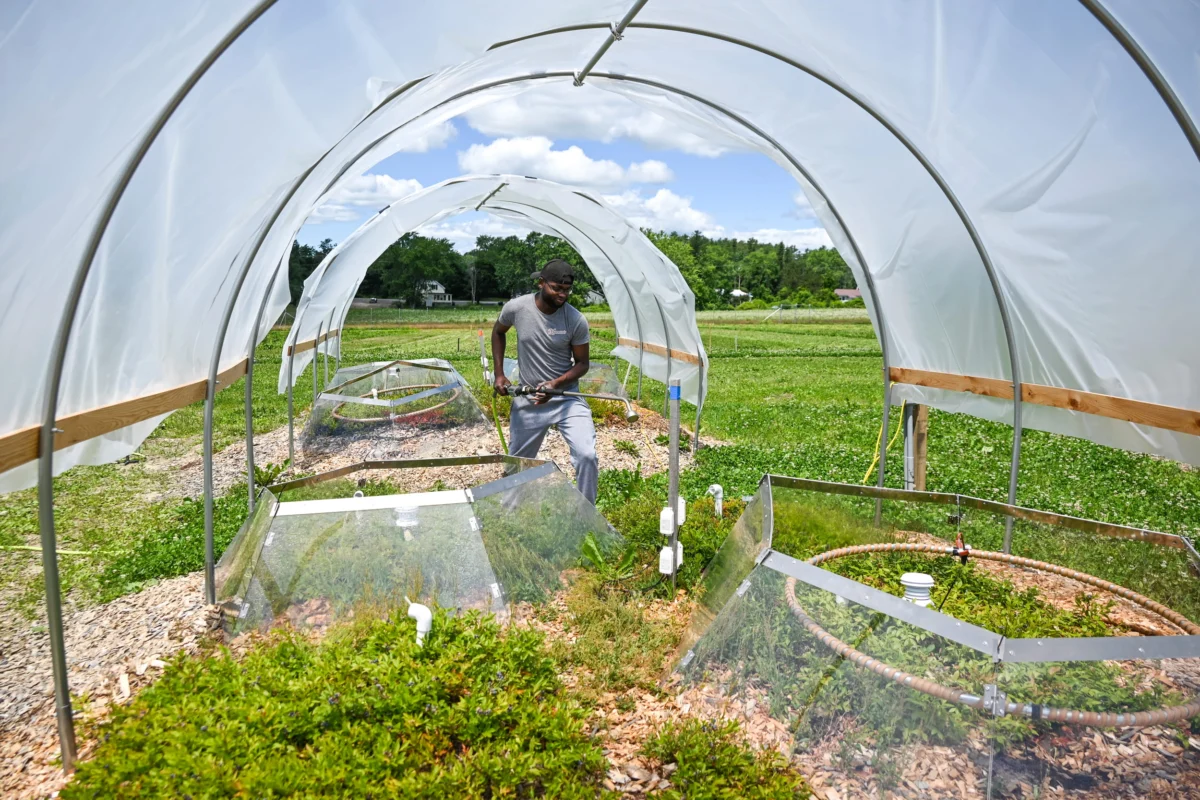
This story was originally published by Inside Climate News and is reproduced here as part of the Climate Desk collaboration.
For generations, the wild blueberry has been as synonymous with Maine as the rocky coastline and the lobster roll. Yet, beneath the familiar summer sun, the state’s agricultural identity is facing an existential crisis. Driven by a rapidly shifting climate, Maine’s "blue gold" is increasingly vulnerable, with farmers witnessing a harrowing pattern of premature ripening, stunted yields, and devastating "climate whiplash."
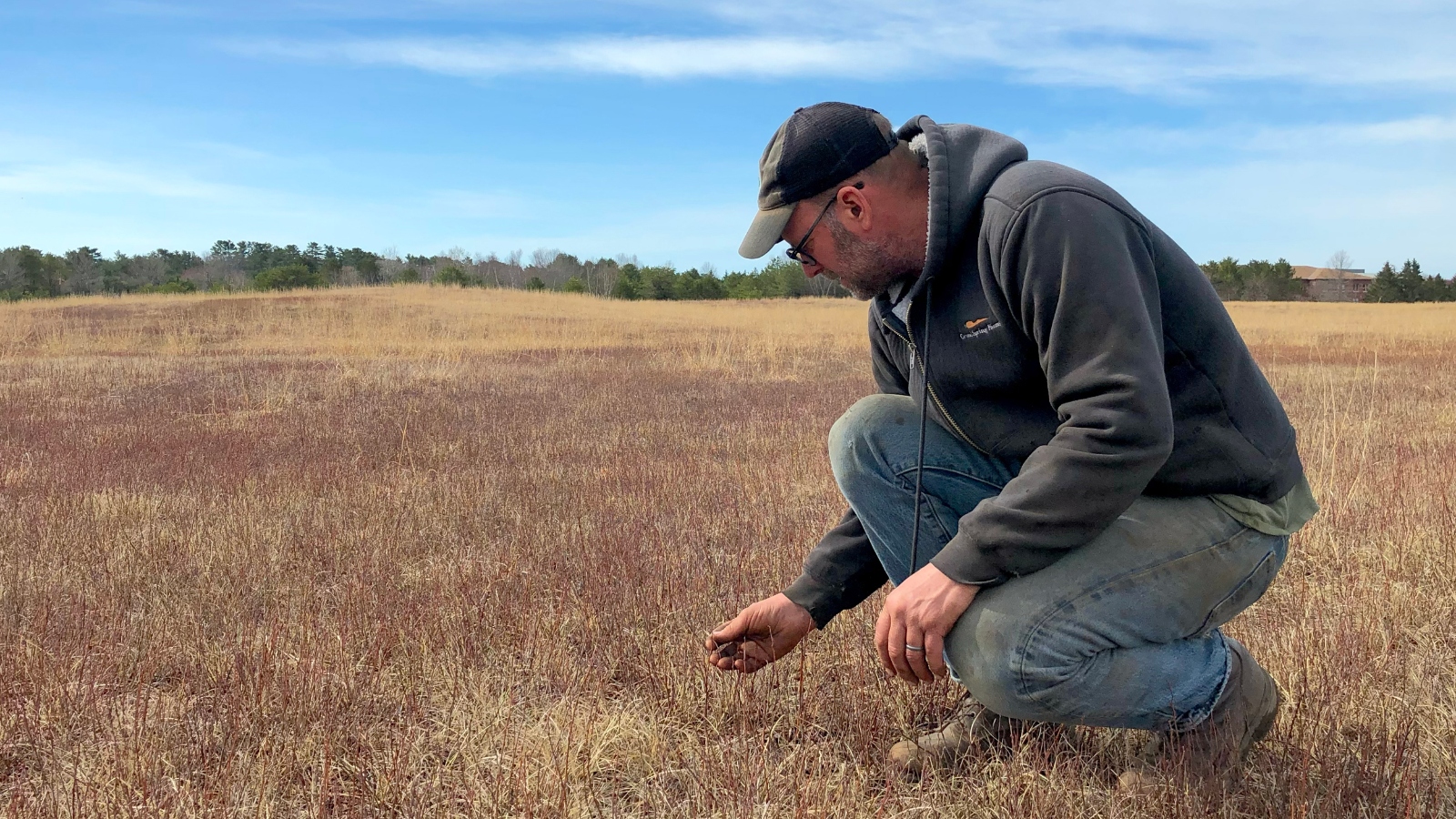
At Crystal Spring Farm near Brunswick, Seth Kroeck, 55, stands amidst 72 acres of wild blueberry fields. In the spring, the landscape should be vibrant with the promise of the coming season. Instead, Kroeck looks at the short, sparse growth and recalls the catastrophic harvest of 2025. "We got about 7 percent of our expected harvest," he says, his voice heavy with the weight of recent failures. "It was a lot of raking with not a lot to show for it."
The Anatomy of an Agricultural Crisis
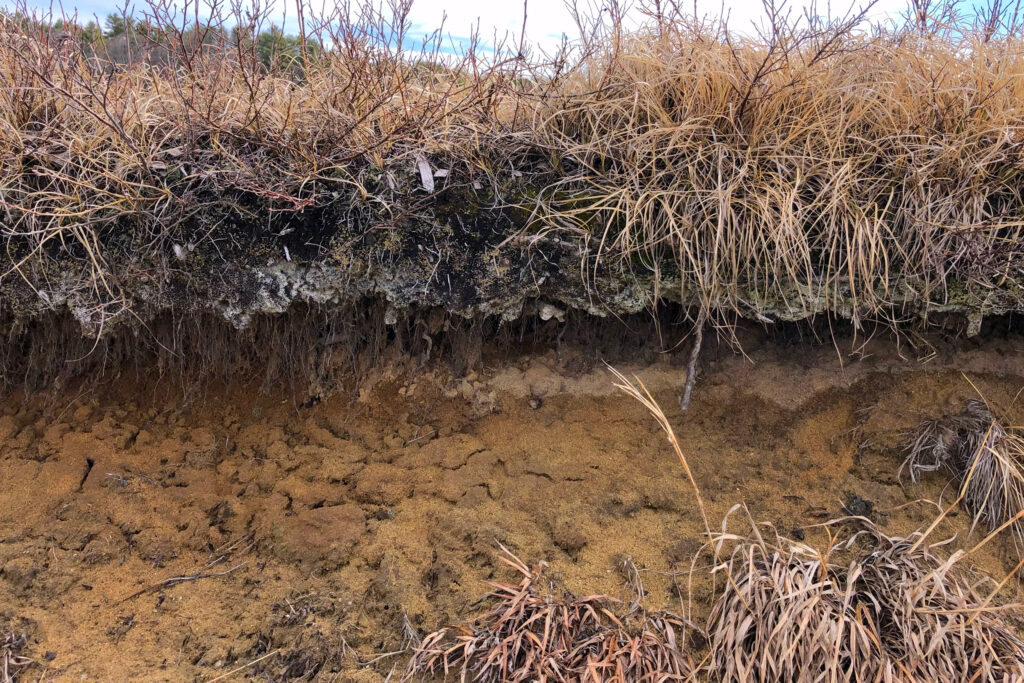
Wild blueberries are a unique, native North American fruit, thriving in the acidic, low-nutrient, gravelly soil that defines the Maine barrens. Unlike the larger, plump berries found in standard grocery aisles, wild blueberries are smaller, more flavorful, and possess a genetic diversity that makes them an evolutionary marvel. They have existed in these fields for millennia, tended to by Indigenous communities long before commercial agriculture took hold.
However, the very hardiness that allowed them to thrive for centuries is being tested by modern atmospheric extremes. The industry, which harvested nearly 88 million pounds of fruit in 2023 and generated $361 million in revenue, is now struggling to keep pace with a warming planet.
The crisis is not merely a matter of bad luck; it is a systemic failure of traditional farming cycles in a new, volatile climate. In the last seven years alone, Kroeck has suffered three near-total crop failures. "In the last decade," he notes, "the unpredictable weather has far exceeded the typical year-to-year variation I was used to."
A Chronology of Environmental Stress
The decline of the harvest is marked by a series of escalating weather events that have left farmers reeling.
- 2020–2022: A series of severe, prolonged droughts hit Maine, signaling a departure from the historical norms of precipitation.
- 2023: The state experienced one of its wettest years on record. While drought is the primary enemy of berry size, excessive moisture creates its own set of problems, fostering disease and allowing invasive weeds to choke out the delicate blueberry mats.
- 2025: The "perfect storm" of climate instability. A wet spring set the stage for a brutal, months-long drought that intensified in June and stretched through the end of the year. The result was a $30 million loss for the industry.
The "climate whiplash"—the rapid transition from one extreme to another—leaves plants unable to recover. Because wild blueberries operate on a biennial cycle—where individual bushes fruit every other year—the stress of a drought year impacts not just the current harvest, but the vegetative development of the next year’s crop as well.
Supporting Data: Warming Barrens and Diminishing Returns
Scientific research confirms what farmers are seeing in the fields. The Gulf of Maine is warming at a rate that outpaces most of the world’s oceans, and the state’s blueberry barrens are heating up faster than the rest of the region.
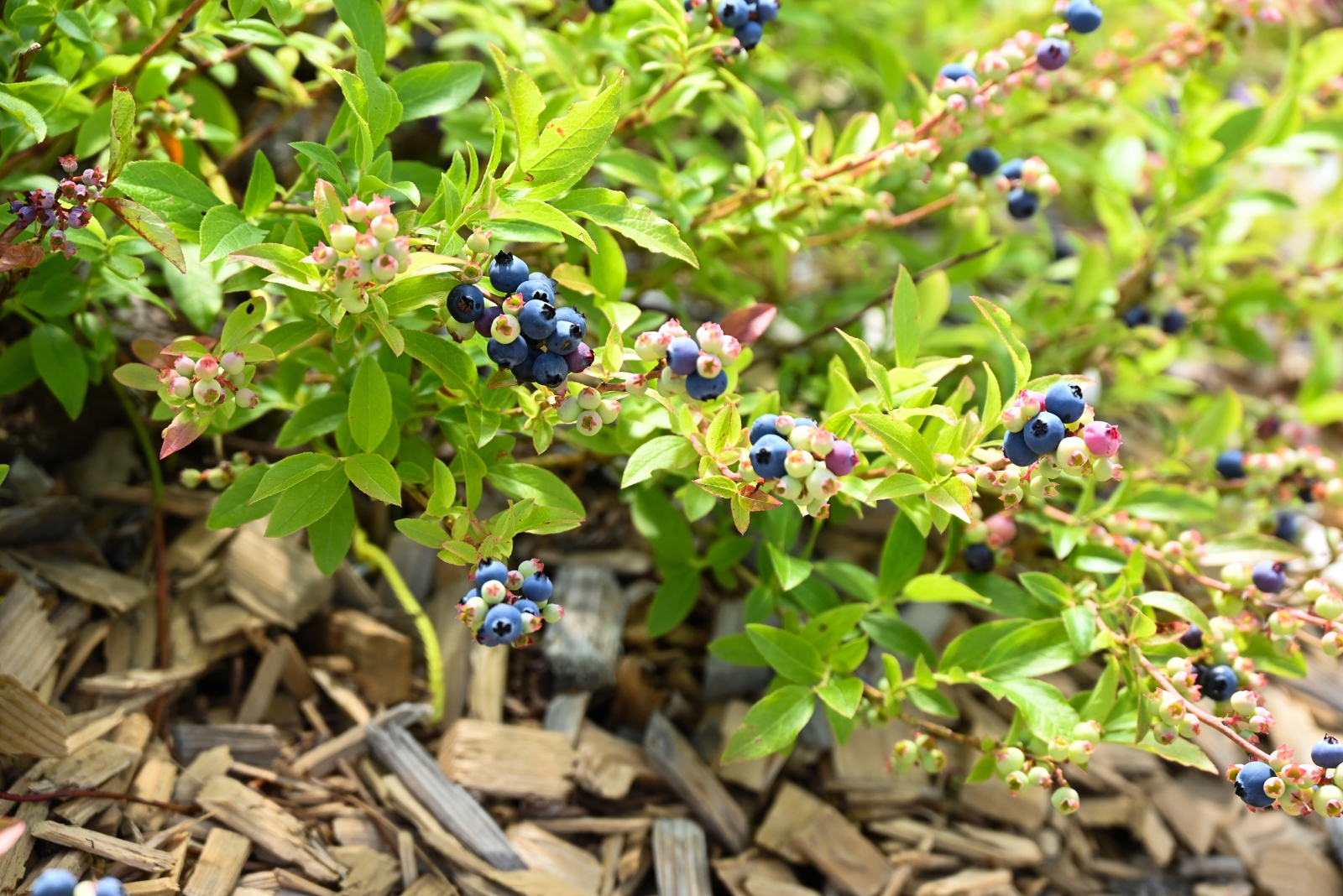
Rachel Schattman, a professor of sustainable agriculture and leader of the Agroecology Lab at the University of Maine, explains that these shifts are fundamentally altering the harvest calendar. "The berries are ripening sooner," Schattman says. What was traditionally an August harvest has crept forward into late July. This shortened, earlier window forces farmers to compress their labor and equipment needs, often catching them unprepared and leading to higher rates of unharvested, dehydrated fruit.
The financial data is equally grim. According to the Wild Blueberry Commission of Maine, the industry is seeing a contraction in both total acreage and the number of active farms. Producers are earning roughly 50 percent less per pound than they were just a few years ago, a decline exacerbated by rising costs for labor, fertilizer, and the infrastructure needed to combat climate change.
Official Responses and the Funding Gap
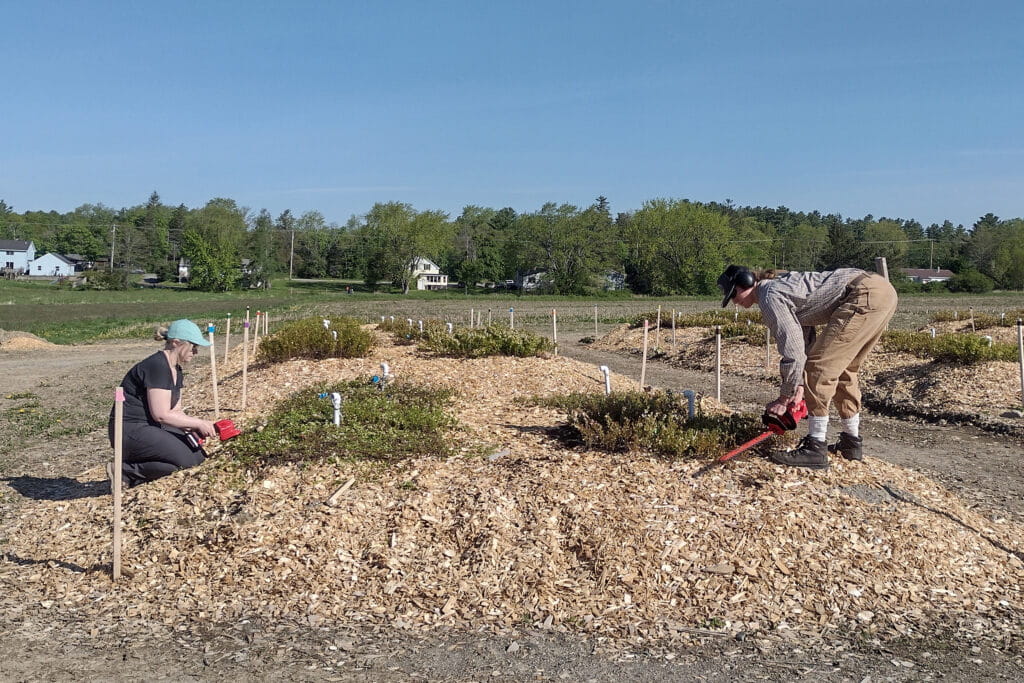
The response to this crisis has been a mix of rigorous research and frustrating financial roadblocks. At the Wyman’s Research Center in Old Town, scientists are running controlled trials to determine how irrigation, mulching, and heat-trapping structures affect plant resilience.
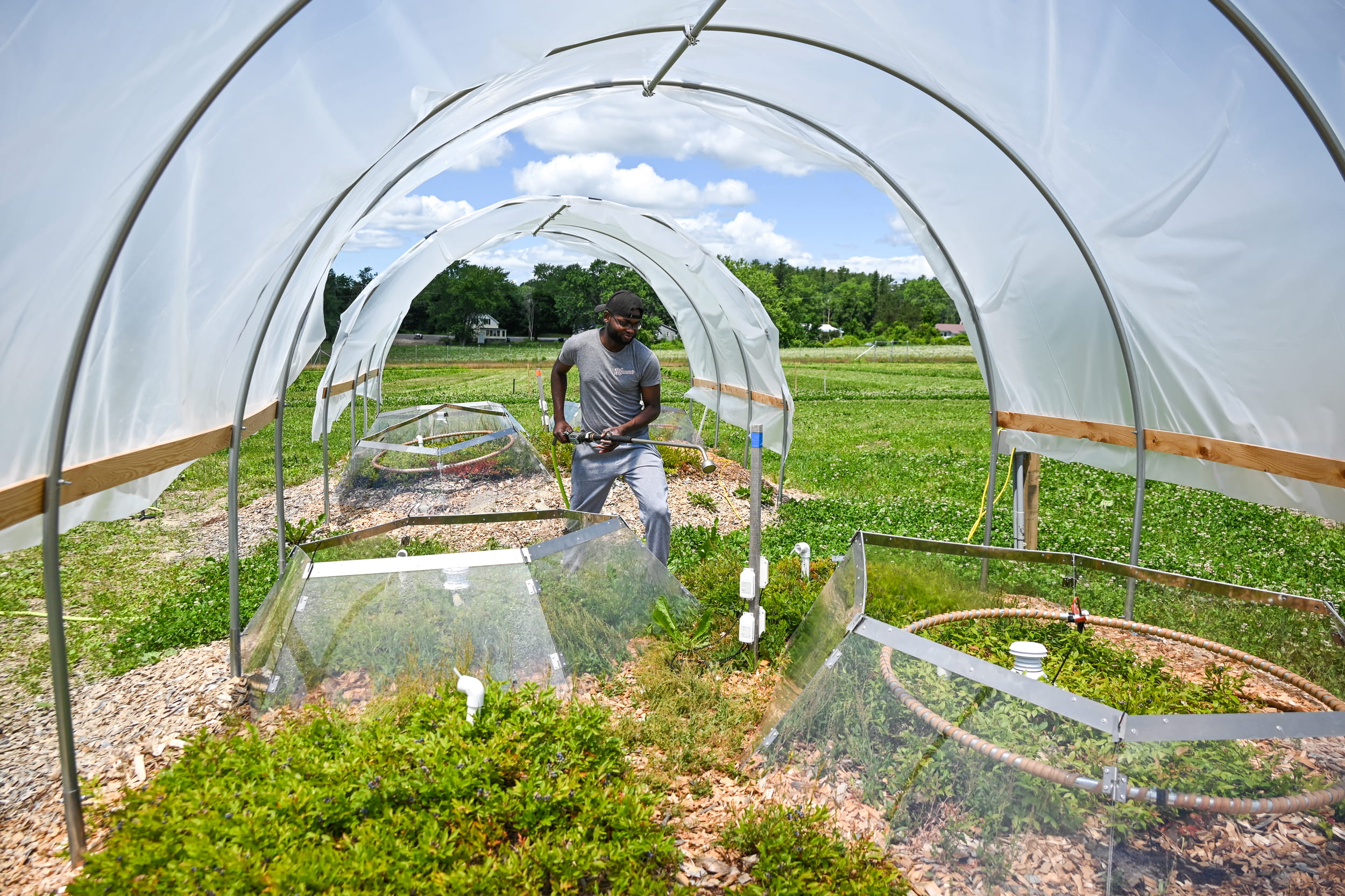
However, the findings highlight a stark reality: climate adaptation is expensive. While mulching provides some buffer, it is not a substitute for irrigation. Yet, for many small-scale growers, the cost of drilling wells and installing irrigation systems is insurmountable.
The federal response, once a vital safety net, is showing signs of fraying. The Natural Resources Conservation Service (NRCS), which previously helped subsidize drought-mitigation infrastructure like the $90,000 system Kroeck installed this year, has faced significant staffing and budget cuts. Furthermore, $15.5 million in grant funding—earmarked specifically for bringing water management technology to Maine’s small farms—was clawed back by federal authorities in the past year.
"Every farm needs irrigation, but they simply can’t afford it," says Lily Calderwood, a wild blueberry specialist at the University of Maine Cooperative Extension. "It’s a puzzle to figure out, and it desperately needs sustained federal funding."
The Path Forward: Can the Industry Pivot?
The survival of the small-scale wild blueberry farm in Maine is now tied to a high-stakes gamble on technological intervention and market diversification.
Kroeck and his peers are exploring a transition from the traditional frozen-pack model—which leaves them vulnerable to global market price fluctuations—to fresh-market sales. While this offers a higher profit margin, it requires significant capital investment in sorting and packaging technology that many farmers currently lack.
Researchers like Schattman and Calderwood remain cautiously optimistic about the plant’s biological future. The wild blueberry is, by nature, a survivor. "Every year, there will be blueberries to harvest," Calderwood says. The question is not whether the plant will survive, but whether the human infrastructure of the industry can adapt to the new, volatile reality.

For Kroeck, the motivation is both financial and cultural. As a board member for the Organic Farmers Association, he sees the Maine blueberry as a microcosm of a global agricultural struggle. "The blueberry plants have been there for millennia," Kroeck says, surveying his fields. "They have been cared for by generations of farmers before me. I hope that we’re going to be able to make the pivots that we need to make to save the crop."
As the state moves deeper into an uncertain future, the lessons learned in Maine’s blueberry barrens may serve as a blueprint for other regions facing similar climate-driven agricultural shifts. But for now, the path forward remains narrow, expensive, and dictated by the unpredictable whims of a changing climate. The "blue gold" of Maine is not gone, but its future—and the livelihoods of those who tend to it—has never been more precarious.



 Nana Muazin
 Ammar Sabilarrohman
 Reynand Wu
 Iffa Jayyana
 Azzam Bilal Chamdy
 Sagoh
Sagoh
 Suro Senen