
 Basiran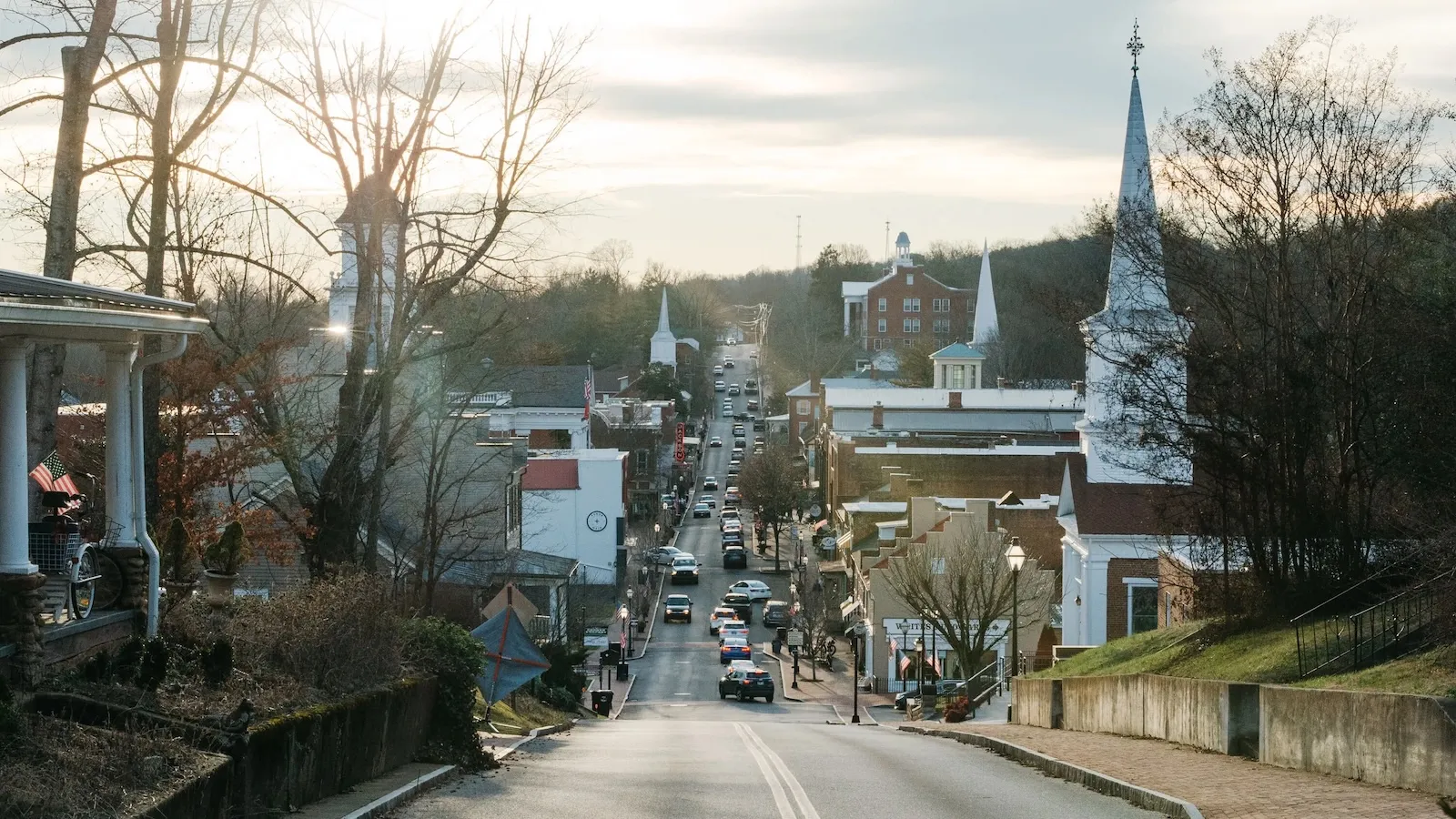
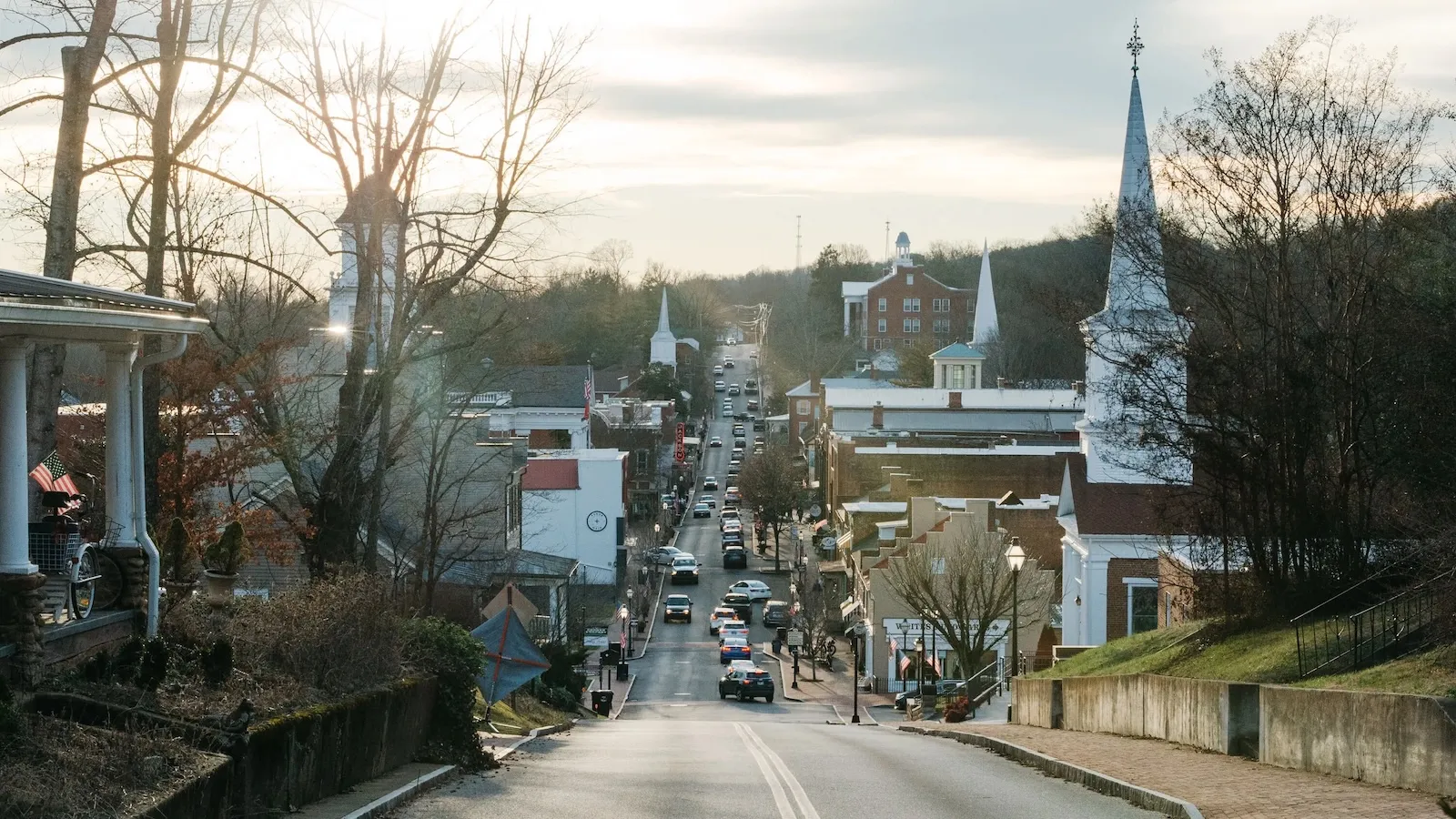
In the rolling, verdant hills of East Tennessee, a quiet, high-stakes battle is being waged over the future of American energy. As the nation pivots toward a stated "nuclear renaissance," the state has emerged as a premier battleground, balancing the promise of a multi-billion-dollar economic boom against the haunting specter of a radioactive past.
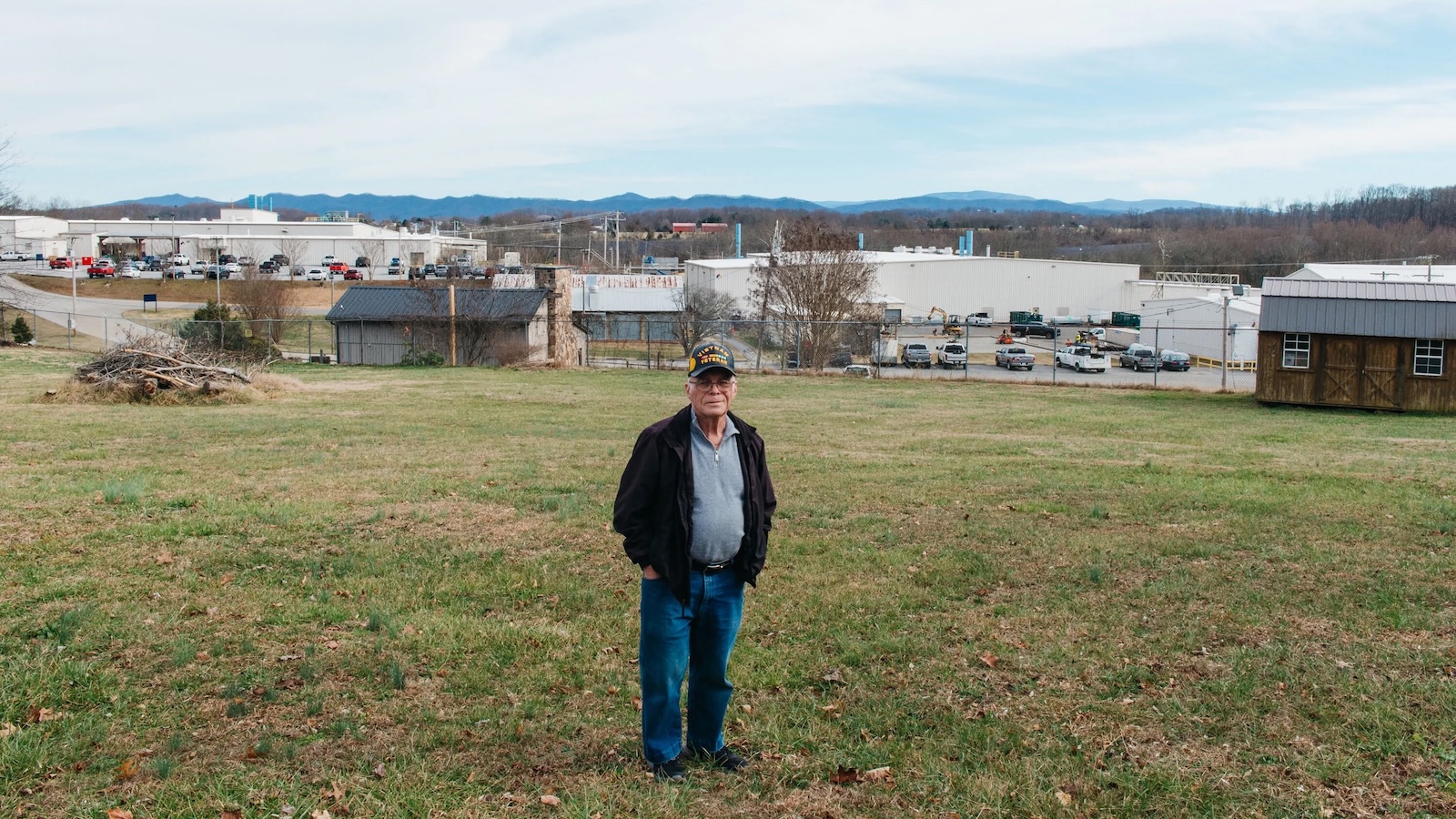
For residents like Luther "Sunny" Miller, an 80-year-old veteran of the aerospace industry, the arrival of new nuclear infrastructure is not a herald of prosperity, but a cause for profound anxiety. Having spent his younger years working in the orbit of Aerojet—a manufacturer whose footprint is literally in his backyard—Miller views the latest industrial expansion with suspicion. He struggles with chronic health issues he believes are linked to decades of proximity to the plant, and he fears for the future of his community. "They’re going to turn over the most beautiful parts of Tennessee into a nuclear waste area," Miller says, articulating a sentiment shared by an increasingly vocal segment of the population.
The Core Conflict: Economic Vitality vs. Environmental Legacy
The catalyst for this tension is a $1.6-billion, 10-year contract awarded to BWX Technologies (BWXT). The firm recently purchased a factory in Jonesborough, Tennessee, with plans to convert depleted uranium oxide—supplied by the Department of Energy (DOE)—into high-purity depleted uranium. This material is essential for maintaining the nation’s nuclear weapons arsenal at the Y-12 National Security Complex in Oak Ridge.
While the company promises 175 permanent, high-paying jobs, the project has acted as a lightning rod for community dissent. The core of the issue lies in the definition of "progress." To state officials, the project is a cornerstone of an economic revival that leverages Tennessee’s unique position in the history of the Manhattan Project. To locals like Will Manning, a 42-year-old father and activist, it represents a "dog-and-pony show" that prioritizes industrial expansion over the health and consent of the citizenry.
A Chronology of the Atomic Age in Appalachia
To understand the current fervor, one must look back to the urgency of the 1940s.
- 1942–1945: The federal government selects Oak Ridge as a primary site for the Manhattan Project. A remote farming community is rapidly transformed into a secret, sprawling industrial city.
- 1943–1985: The K-25 plant operates in Oak Ridge, enriching uranium for weapons development. Decades later, it becomes the site of a massive, ongoing federal cleanup operation.
- 2008: A catastrophic spill occurs at the Kingston Fossil Plant, releasing 1.1 billion gallons of toxic coal ash—a byproduct of the power plants built to fuel the nuclear complex. The health fallout for workers remains a point of contention.
- Early 2026: Tennessee is named one of five finalists for a DOE "nuclear lifecycle innovation campus," an initiative designed to centralize fuel enrichment, recycling, and waste management.
- March 2026: A wave of grassroots opposition stops a proposed nuclear graphite facility in Claiborne County, signaling a shift in public tolerance for new nuclear projects.
- Late March 2026: Despite intense public outcry and a packed Washington County courthouse meeting, local zoning boards approve the path for BWXT’s expansion in Jonesborough.
Supporting Data: The National Waste Nightmare
The urgency driving the DOE is not purely economic; it is a logistical crisis. The United States currently holds more than 86,000 tons of spent nuclear fuel at 85 interim storage sites across the country—a quantity sufficient to cover a football field in ten yards of radioactive waste. Because the only planned long-term repository, Yucca Mountain in Nevada, has been effectively neutralized by political gridlock, the federal government is under immense pressure to find "voluntary" hosts for a new generation of "nuclear lifecycle innovation campuses."
The federal goal is to integrate everything from enrichment to recycling at these sites, theoretically turning waste into a resource. However, as independent experts like Valerie Thomas of the Georgia Institute of Technology point out, the efficacy of this plan hinges entirely on public trust. If citizens perceive the regulatory oversight as weak or compromised by political agendas, they will naturally resist the siting of such facilities, regardless of the economic incentives.
Official Responses: Navigating the "Nuclear Renaissance"
Federal and state officials maintain that the proposed campuses are the safest and most efficient path forward. Braden Stover, a nuclear advisor for the Tennessee Department of Economic and Community Development, emphasizes that the region’s expertise is its greatest asset. The state has secured roughly $10 billion in investment over the last decade, with 3,000 jobs already in the pipeline.
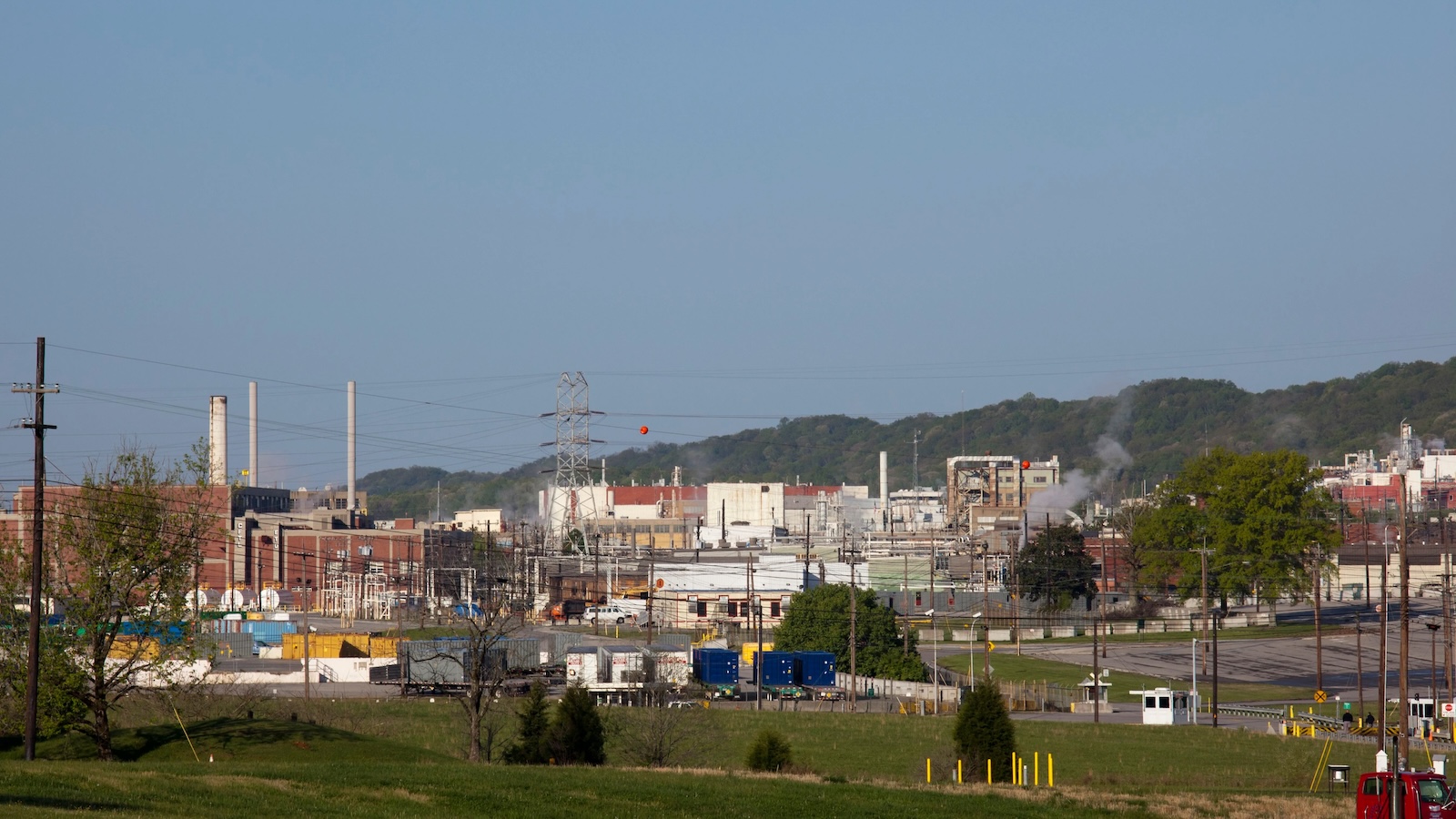
"The second graders of today are going to be the ones that actually are coming in to work at these facilities," Stover said. The strategy is to build a robust educational pipeline that transforms local children into the nuclear engineers of the future.
At the Oak Ridge National Laboratory, leadership views the current climate as an opportunity to apply long-standing technical expertise to a global problem. Joe Hoagland, an associate laboratory director, argues that the region is uniquely prepared to handle the full fuel cycle—enriching, using, storing, and recycling. "It looks a lot more like startup culture," Hoagland said, noting that the demand for carbon-free energy is fueling a new wave of innovation that goes beyond the "legacy" firms of the 20th century.
Implications: A Trust Deficit
Despite the optimistic rhetoric from officials, the historical trauma of East Tennessee acts as a significant barrier. The "shadow of the atom" is literal: residents point to documented cases of rare cancers and respiratory illnesses among former workers at the K-25 plant and the Kingston coal ash site. These memories are not merely historical; they are active, present-day concerns that color every town hall meeting and zoning vote.
The implications for the DOE’s "innovation campuses" are stark. By moving away from "top-down" siting to a "volunteer" model, the government hopes to avoid the bitter conflicts of the past. Yet, as seen in Jonesborough and Claiborne County, even "voluntary" projects face stiff headwinds when they are perceived as ignoring the concerns of the host community.
When a company like BWXT or a government agency faces the public, they often present technical specifications and safety statistics. However, for a resident like Sunny Miller, the data is secondary to the lack of transparency. "But let me make this decision based on facts," he argues, highlighting a fundamental disconnect: the people in the path of the nuclear revival do not feel they have been given the full story.
As the state of Tennessee moves forward in its discussions with the Department of Energy, the success of the nuclear renaissance will likely be determined by more than just engineering prowess or economic modeling. It will depend on whether the government can overcome a multi-generational legacy of mistrust. For now, the region remains a microcosm of a larger American struggle: how to pursue a high-tech, energy-dense future while addressing the, at times, toxic debts of the past.


 Raul Delapena Setiawan
 Laily UPN
 Reynand Wu
 Sagoh
Sagoh

 Azzam Bilal Chamdy
 Ali Ikhwan