
 Suro Senen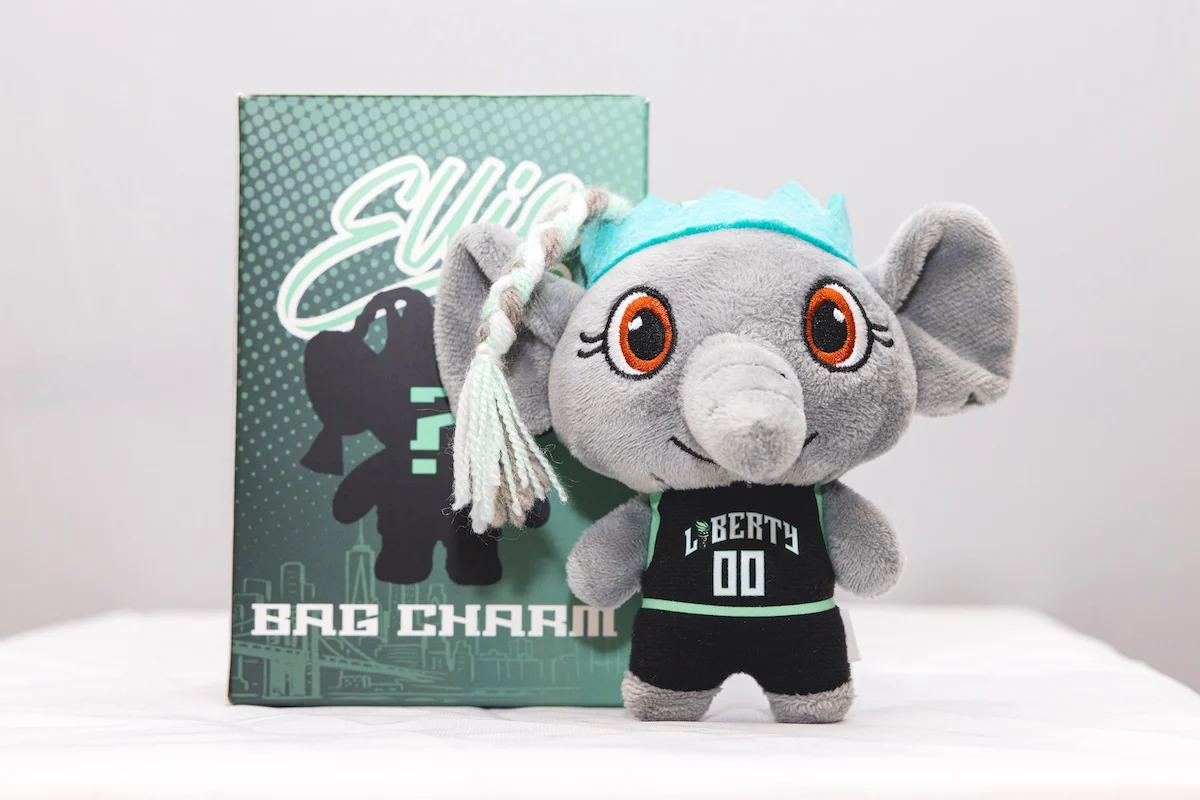
The Barclays Center in Brooklyn is currently awash in a distinct, vibrant shade of seafoam green. On game days, the arena transforms into a runway of sorts, where the New York Liberty’s brand identity is worn not just as a badge of team loyalty, but as a statement of personal style. From varsity jackets and baseball caps to meticulously curated “blind box” collectibles, the Liberty has successfully transitioned from a basketball franchise into a bona fide lifestyle brand.
This retail explosion is not merely a byproduct of on-court success; it is the result of a deliberate, data-driven strategy to capitalize on the soaring popularity of the WNBA. With sales climbing more than 80% year-over-year, the Liberty has become a blueprint for how professional sports organizations can leverage merchandise to maintain year-round relevance.
The Anatomy of the Merch Mania
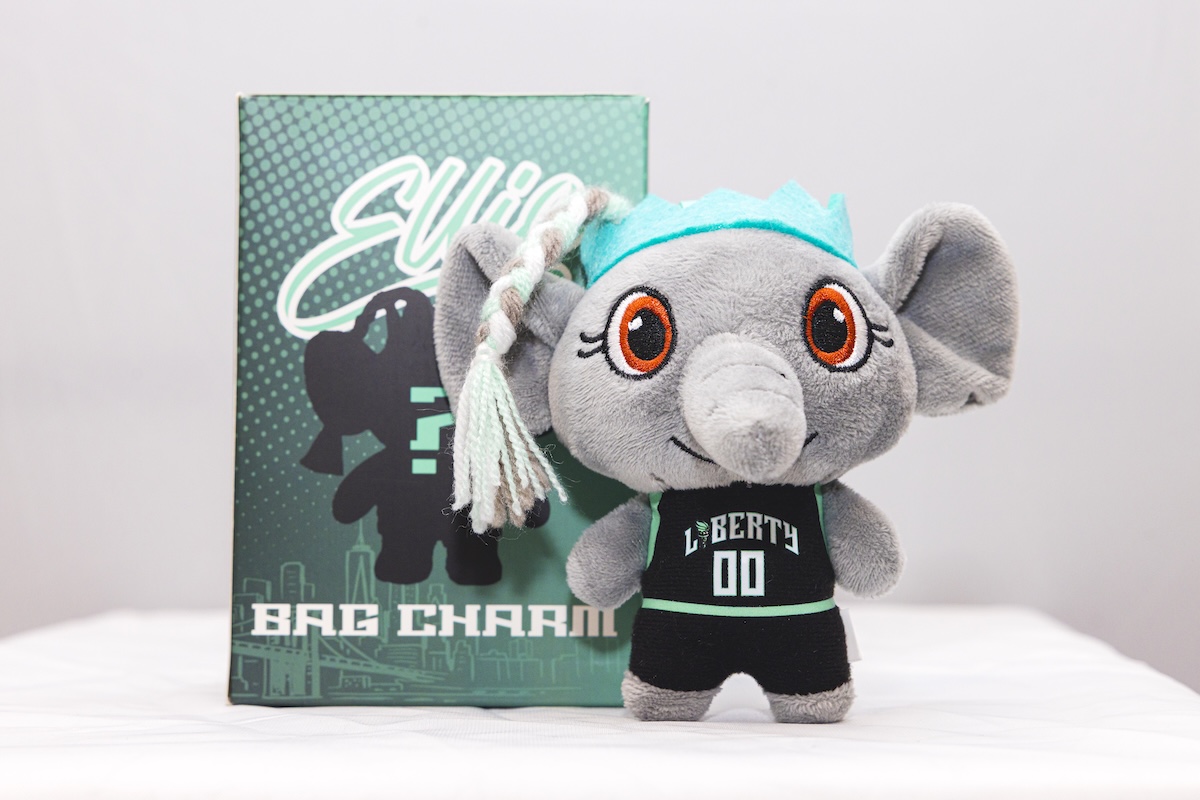
The "Liberty look" has permeated the consciousness of New York sports culture. Inside the arena, fans of all ages are seen clutching plushies of Ellie the Elephant—the team’s charismatic, fashion-forward mascot—or sporting Liberty-themed bandanas.
The demand is so aggressive that the team has had to rethink its supply chain. During the 2026 season, the team’s “Pride Night” shirt achieved a 100% sell-through rate, and new Ellie-themed bag charms have proven to be an immediate hit. The urgency is palpable; on any given game day, hundreds of fans cycle through the main Barclays Center store, with popular sizes frequently selling out before the halftime buzzer.
To manage this growth, the organization made a high-profile strategic hire, bringing on Jamillah Davis Hernandez—a veteran of the luxury retail space at Saks Fifth Avenue—as the team’s first dedicated Vice President of Merchandise and Retail. Her arrival signals a pivot from standard sports gear to a more sophisticated, curated retail experience.
Chronology of a Retail Evolution
The transformation did not happen overnight. The franchise has spent years building a foundation that emphasizes accessibility, community, and, most importantly, collaboration.
- 2018–2020: The Foundation. Shana Stephenson joined the franchise with a long-term vision to move Liberty gear beyond the court and into the daily lives of fans.
- 2021: The Ellie Effect. The introduction of Ellie the Elephant as the team mascot proved to be a masterstroke. Ellie’s viral social media presence—defined by intricate dance routines and high-fashion outfits—transformed her into a marketing engine.
- 2023: The Designer Pivot. The team began partnering with local artists and designers for themed nights, such as “West Indian Night” and “Noche Latina,” turning game-day apparel into limited-edition collectibles.
- 2026: The Lifestyle Expansion. The Liberty launched a highly anticipated collaboration with the streetwear brand New York or Nowhere (NYON), marking a definitive shift toward lifestyle fashion. Simultaneously, the team announced plans to renovate the Barclays store to support year-round shopping and a deeper catalog of SKUs.
Supporting Data: By the Numbers
The figures behind the Liberty’s retail strategy provide a clear picture of an engaged, hungry consumer base.
- 80%: The year-over-year increase in total merchandise sales, both online and in-person.
- 21%: The portion of in-venue sales attributed specifically to Ellie the Elephant merchandise, including T-shirts, hats, and the viral “Ellie braid.”
- 30%: The percentage of total merchandise sales driven by collaborations with local designers and brands.
- 1,000%: The increase in order volume for Ellie plush dolls between 2024 and 2025, following a first-day sellout.
- 500: The average number of Ellie "blind box" units sold during a single game, highlighting the power of the collectible toy trend.
These numbers suggest that the Liberty fan base is not only loyal but also willing to invest significantly in items that foster a sense of community. The “blind box” craze, inspired by global trends like Labubu, has created a secondary culture of trading and collecting among fans, deepening their emotional investment in the brand.
Official Responses and Strategic Philosophy
Shana Stephenson, Chief Brand Officer for the New York Liberty, views the team’s retail success as a testament to the broader cultural shift surrounding women’s sports.
“It was always my goal for people to wear Liberty gear, not just to come to our game, but when they’re out walking their dog or going to the movies on a Saturday night,” Stephenson said. She emphasizes that the goal is to create products for casual fans—those who may have never attended a game but appreciate the aesthetic and the brand’s identity.
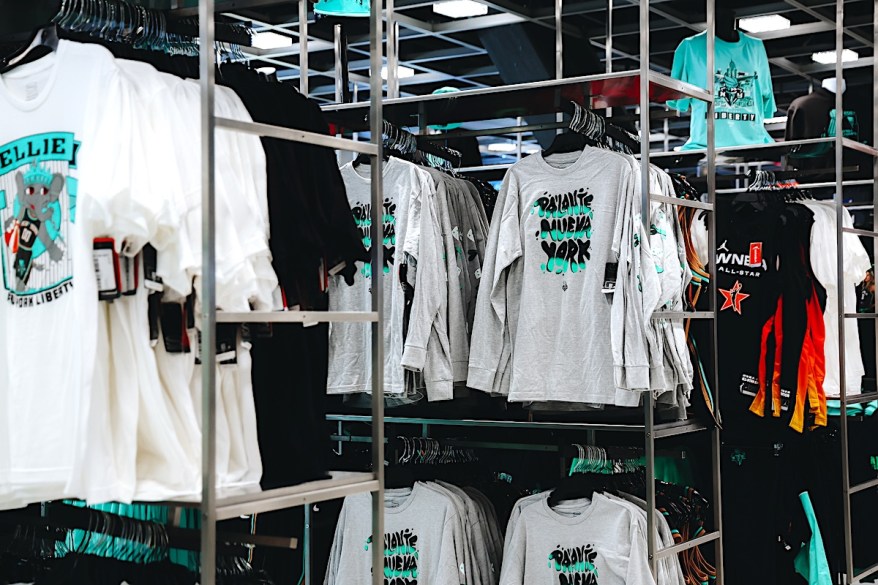
Regarding the influx of partnerships, Stephenson notes that the collaboration with New York or Nowhere is a watershed moment. “I think it speaks to the growth and the evolution and the respect that brands have for women’s sports teams, and understanding that there is huge commercial opportunity there,” she explained.
The team’s approach to supply chain logistics is equally disciplined. While restocking a standard T-shirt takes roughly 48 hours, the lead time for complex items like plush dolls can extend to a year. To bridge this gap, the team remains "mindful of not overbuying," using historical data and fan feedback to guide their inventory decisions.
Implications: The 12-Month Business Model
The most significant shift in the Liberty’s strategy is the transition from a seasonal operation to a “12-month business.” Recognizing that the WNBA season ends in October, the organization is actively building an off-season retail calendar.
Holiday Expansion
The Liberty is currently planning its first foray into holiday-specific merchandise and stocking stuffers. This is a critical move, as it ensures the brand remains present in the consumer’s mind during the winter months, effectively competing with larger, year-round professional leagues.
Technological and Physical Infrastructure
To accommodate this growth, the franchise is undertaking a full renovation of the Barclays Center team store. The goal is to maximize square footage, increase storage capacity, and create a permanent section of the store dedicated to year-round merchandise. Furthermore, the team is piloting an “in-suite” concierge service that allows fans to purchase merchandise from their seats, removing the friction of waiting in line and further boosting revenue.
The Fan Experience
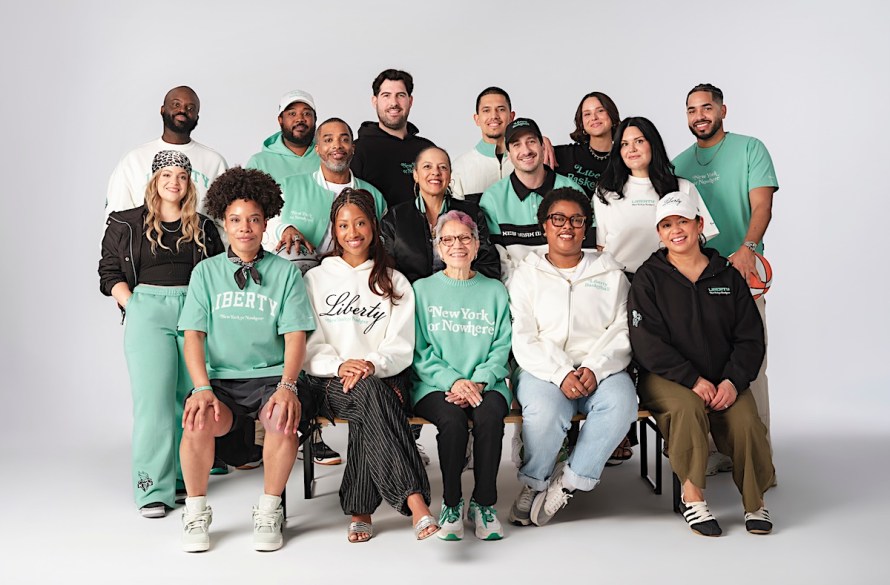
For fans like Victoria Ungvarsky, a 2026 season-ticket holder, the gear is a way to broadcast their identity. “I bought my first hat before that game began—that’s how much I loved the energy that Liberty games create,” she noted. Ungvarsky, who owns over a dozen pieces of merchandise—ranging from luxury collaborations with Away to functional team apparel—is the archetype of the fan the Liberty is trying to reach. The ability to “mix and match” her gear for everything from games to errands confirms that the team’s lifestyle-first approach is working.
Looking Ahead
The New York Liberty’s retail success is not an accident; it is the result of a sophisticated, multi-pronged approach that values fan engagement as highly as team performance. By treating merchandise development with the same tactical rigor as a playoff game, the Liberty has created a self-sustaining cycle of demand.
As the franchise continues to scale, the challenges will shift from generating interest to maintaining the exclusivity and quality that have defined their recent successes. However, if the past few years are any indication, the seafoam green wave is only just beginning to crest. The Liberty has successfully proven that in the modern sports landscape, the team is the brand, and the brand is for everyone.

 Ammar Sabilarrohman
 Nana Wu
 Lina Irawan

 Jia Lissa