
 Pevita Pearce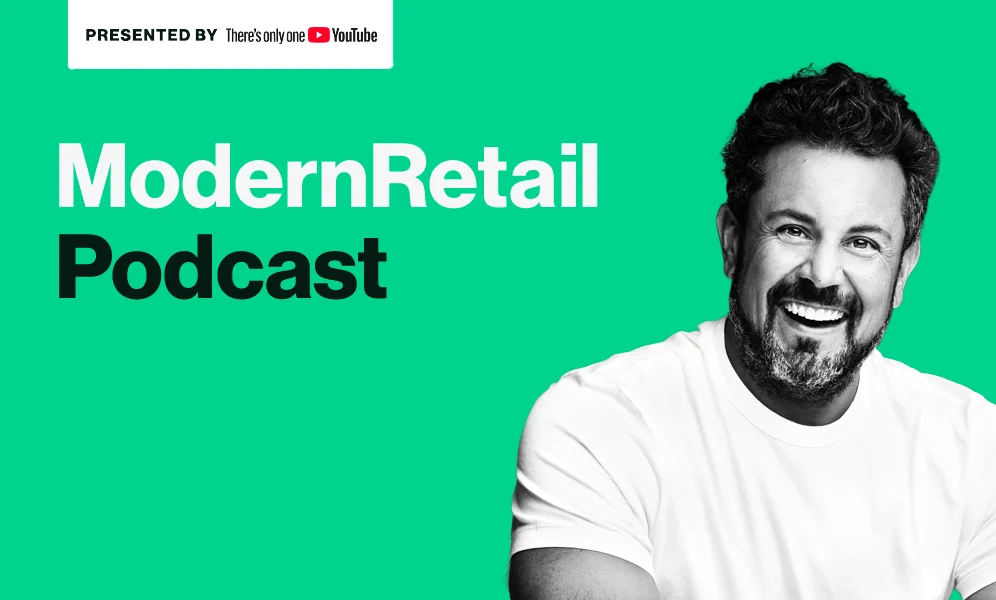
In the current digital ecosystem, the currency of attention is more volatile than ever. As consumers scroll through an endless stream of vertical video content on TikTok, Instagram Reels, and YouTube Shorts, the traditional barrier between advertising and entertainment is dissolving. Retailers, once content to pay for third-party placements, are increasingly becoming the creators themselves, launching original episodic series designed not just to sell products, but to capture cultural mindshare.
This shift—often termed “fashion-tainment” or branded entertainment—marks a significant departure from the transactional marketing models of the past decade. By pivoting toward long-form and episodic storytelling, brands are attempting to transform their identity from mere vendors into destinations for culture, lifestyle, and narrative engagement.
The Strategic Shift: Brands as Media Companies
The logic behind this pivot is straightforward: in an era of ad-blockers and subscription-based, ad-free streaming services, traditional commercials are increasingly easy to ignore. Original content, however, offers a value proposition. If a brand can create a series that people genuinely want to watch, they effectively bypass the consumer’s instinctive resistance to advertising.
Leading the Charge
The trend is gaining institutional momentum. In January, retail giant Gap Inc. made waves by announcing the creation of a "Chief Entertainment Officer" role. Tasked with leading the company’s “fashion-tainment” strategy, this appointment signals that Gap is not merely experimenting with social media clips but is integrating entertainment into the highest levels of its corporate structure.
Similarly, David’s Bridal recently launched Breaking Bridal, a docu-series focused on nontraditional weddings. By highlighting unique, authentic stories, the brand is positioning itself as a companion to the customer’s life experience rather than just a supplier of a garment.
Perhaps the most aggressive adopter of this model is Prince Street Pizza. The New York-based staple, currently undergoing a rapid national expansion into markets like Nashville and Charleston, has launched a YouTube series titled Delivering Happiness, starring actor Nick Turturro. The series functions as a narrative engine for the brand, humanizing the restaurant’s growth while building a loyal following that transcends the physical locations.
A Conversational Deep Dive: The Modern Retail Podcast
This week, the Modern Retail Podcast sat down with Lawrence Longo, the CEO of Prince Street Pizza and Irv’s Burgers. Longo, who transitioned into the restaurant industry from a background as a film producer, brings a unique perspective to the retail space.
During the episode, hosted by senior reporter Gabriela Barkho and special projects editor Melissa Daniels, Longo articulated the philosophy that drives his unconventional marketing approach. "I think every brand is their own media company," Longo stated.
Longo’s strategy is rooted in the belief that modern consumers are sophisticated; they can spot a forced advertisement instantly. By producing content that prioritizes narrative quality—cinematography, casting, and genuine storytelling—Longo is betting that the audience will reward the brand with brand equity that a standard 30-second spot could never achieve.
Chronology of the Content Pivot
To understand how we arrived at the era of "brand-as-media-house," it is helpful to look at the evolution of retail marketing over the last several years:
- 2018–2020: The Influencer Saturation: Brands relied heavily on influencer partnerships. While effective, the market became saturated, leading to diminishing returns and "influencer fatigue" among audiences.
- 2021–2022: The Vertical Video Explosion: With the rise of TikTok and Reels, brands pivoted to "lo-fi" content. The focus was on volume—churning out high-frequency, low-production-value clips to keep pace with algorithmic demands.
- 2023–Present: The Quality Pivot: Realizing that low-quality, high-frequency content often leads to brand dilution, market leaders have begun investing in "premium" original content. This involves professional production, narrative arcs, and recurring talent, effectively turning social media channels into mini-networks.
Supporting Data and Market Implications
Why are brands like Gap and Prince Street Pizza risking capital on non-transactional content? The data suggests that engagement is the new conversion.
The Attention Economy
According to industry analysis, the average consumer’s attention span has plummeted, yet the time spent on entertainment platforms continues to grow. Brands that position themselves as entertainment providers see a significant uplift in:
- Brand Recall: Viewers who engage with a 10-minute series are significantly more likely to remember a brand name than those who see a 15-second pre-roll ad.
- Community Building: Episodic content fosters a "fandom." When viewers tune in weekly to watch Delivering Happiness, they are no longer just customers; they are members of a community.
- Algorithmic Favorability: Platforms like YouTube and Instagram prioritize "watch time." High-quality, original series increase the amount of time users spend on a brand’s channel, which in turn boosts organic reach across the entire platform.
Official Responses and Strategic Rationale
For Lawrence Longo, the move into content production was a natural extension of his professional DNA. As a former film producer, he views the restaurant industry through the lens of a set designer and a storyteller. When Prince Street Pizza expands into new cities, the brand isn’t just opening a storefront; it is introducing a narrative that has already been established through Delivering Happiness.
"The goal isn’t just to show a pizza," Longo explained during the podcast. "The goal is to show the why—the passion, the people, the struggle of opening a new location, and the joy of serving a community."
For companies like Gap, the hiring of a Chief Entertainment Officer represents a defensive and offensive play. Defensively, it protects their relevance in an aging demographic. Offensively, it allows them to capture the "Gen Z" audience by meeting them where they live—within the entertainment ecosystem of the digital world.
The Challenges of Branded Entertainment
While the potential for brand growth is significant, the strategy is not without risks.
The Cost of Quality
Producing a series with the production values of Delivering Happiness requires significant capital and creative talent. Unlike an ad campaign that runs for a quarter, a series requires long-term commitment. If the content fails to resonate, the brand risks being perceived as "cringe" or out of touch, which can lead to negative brand sentiment.
The Talent Gap
Retailers are traditionally experts in supply chain, logistics, and merchandising. They are not, by trade, production studios. Brands that attempt this transition must either hire expensive internal creative teams or partner with production houses, creating a dependency on external skill sets that may not align with the brand’s core competencies.
Implications: The Future of Retail Marketing
What does this mean for the future of the high street and the e-commerce landscape?
- Consolidation of Marketing Budgets: Expect to see a reduction in traditional ad spend (TV spots, display ads) in favor of internal production budgets. Marketing departments will increasingly look like Hollywood production houses.
- The Rise of the Corporate Creator: We will likely see a rise in brands hiring former journalists, film directors, and content creators to fill executive roles, similar to the move made by Gap.
- Hyper-Local Content: As brands like Prince Street Pizza show, global or national brands will attempt to create hyper-local content to make their expansion feel personal and community-focused.
Final Thoughts
The era of the "faceless" retailer is coming to an end. As consumers demand authenticity and entertainment value, brands are finding that the most effective way to sell a product is to stop selling it altogether and start telling a story. Whether it is through a docu-series about weddings or a YouTube show about the challenges of the pizza business, the future of retail is firmly rooted in the art of the narrative.
As Longo noted, when every brand becomes its own media company, the competition is no longer just with other retailers; it is with every other form of entertainment on the screen. It is a high-stakes pivot, but one that appears to be the defining trend of the modern retail landscape.
To listen to the full conversation with Lawrence Longo, subscribe to the Modern Retail Podcast on Apple Podcasts or Spotify.

 Reynand Wu
 Iffa Jayyana
 Raul Delapena Setiawan
 Sagoh
Sagoh
 Azzam Bilal Chamdy
 Ali Ikhwan