
 Azzam Bilal Chamdy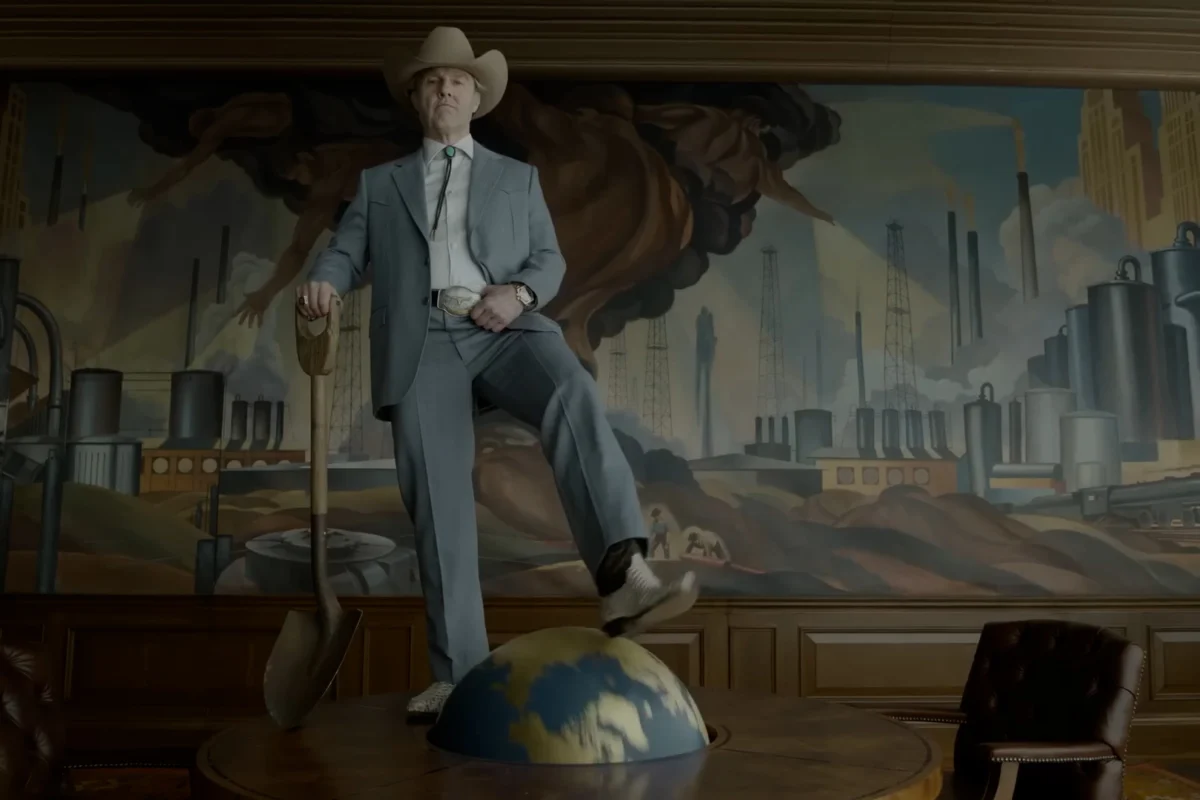
Last week, this magazine published a scathing review of Digger, the latest climate change allegory from the provocative Mexican auteur Alejandro Iñárritu. In that piece, my colleague Jake Bittle dissected the film with surgical precision, ultimately dismissing it as a loud, messy, and fundamentally unpleasant experience.
However, in the wake of the film’s abysmal box-office opening and the consensus among critics that the project is a misfire, I found myself increasingly skeptical. Having followed Iñárritu’s career from the grit of his 2001 debut Amores Perros—a work I consider a cinematic masterpiece—to the stylized cynicism of Birdman, I felt compelled to look past the negative press. I walked into the theater with two hours and nine minutes of time and a bag of popcorn, expecting a disaster. Instead, I found a film that, while undeniably grating, is a vital piece of contemporary art.
The Anatomy of an Ambition: What is Digger?
Digger is, without reservation, Iñárritu’s most ambitious and maximalist project to date. It is a work that thrives on thematic convolution and sonic aggression. To call it "ugly" and "loud" is accurate, but it misses the point: the sensory overload is the intent.
In the modern cinematic landscape, there is a burgeoning sub-genre of "anxiety-cinema"—films like Sorry to Bother You, Uncut Gems, and the recent Eddington. These films treat cacophony as a form of social commentary. They are intentionally grating because they mirror the lived experience of the 21st century: the constant ping of notifications, the blurred lines between work and life, and the underlying hum of planetary collapse. Digger sits comfortably in this lineage. It is a film of fiery accidents, decaying wildlife, bumbling, morally bankrupt bureaucrats, and senseless, eruptive violence.
At the center of this storm is Tom Cruise, delivering one of the most daring, weirdest performances of his career. He plays Digger Rockwell, an oil tycoon whose hubris knows no bounds. Rockwell, ignoring the frantic warnings of climate scientists regarding a methane leak beneath the Arctic ice shelf, becomes the face of corporate greed. When the inevitable occurs—a catastrophic explosion that sends a literal ice shelf drifting toward Europe—Rockwell and the U.S. President (played with ghoulish delight by John Goodman) are forced to navigate the fallout of their own destruction.
A Chronology of Hubris: The Narrative Layers
The film begins as a straightforward, if somewhat cartoonish, satire. We watch Rockwell and President Compson stumble through their own vanity. They are clearly meant to be avatars for the real-world architects of the climate crisis: the corporate executives who calculated risk over survival and the politicians who facilitated the delay of meaningful policy.
However, the film’s narrative structure is not as linear as it first appears. As the audience watches trees in the background of shots being felled and then curiously propped back up, a sense of disorientation sets in. The fourth wall isn’t just broken; it is systematically dismantled.
The Reveal: Halfway through the runtime, Iñárritu pulls the curtain back. We learn that Tom Cruise is not Digger Rockwell; he is Curtis Markson, an actor struggling to play Rockwell in a stage play. The "film" we have been watching is, in large part, a reflection of the backstage turmoil of a production attempting to capture the greatest crisis of our time. Riz Ahmed, playing a noble climate scientist, is actually an actor in that same play.
This shift transforms Digger from a disaster movie into a meta-theatrical meditation on the failure of narrative. It forces the audience to confront a difficult question: Why are we telling stories about climate change? Is it an act of protest, or is it merely an act of consumption?
Supporting Data: The Climate Reality Behind the Fiction
While Digger utilizes the artifice of a play to tell its story, the scientific backdrop is grounded in terrifying reality. The film references the real-world threat of methane trapped in Arctic ice—a "feedback loop" that, should it reach a critical threshold, poses an existential threat to global stability.
According to climate researchers, methane trapped in permafrost is a "ticking time bomb." When these ice sheets crack, the release of gas is not just an environmental hazard; it is a catalyst for runaway warming. By incorporating these facts into his narrative, Iñárritu creates a tension between the fictionalized "play" and the very real, non-fictional consequences of our current trajectory. The irony, of course, is that the characters in the play are arguing over how to portray a disaster that is currently unfolding in the "real" world outside the theater walls.
Official Responses and the Auteur’s Stance
The response to the film has been polarized, to say the least. While audiences have largely stayed away from the box office, the critical discourse has ignited a debate about the responsibilities of the modern auteur.
In a recent interview with The New York Times, Iñárritu addressed the backlash head-on. "The movie is not perfect," he conceded. "But I like taking risks." This sentiment aligns with his status as the only Mexican filmmaker to win the Academy Award for Best Picture twice. He is a director who has earned the right to fail, yet he seems uninterested in the concept of "failure" as defined by a balance sheet.
Sophie Wilde, who plays the theater director Hannah, serves as the voice of the film’s internal conflict. In a pivotal scene, she argues that the purpose of art is to comfort the dispossessed. She posits that the play is meant to be a farce—a way to laugh at the monsters who ruined the world—even as the reality of the disaster looms over the stage. It is an argument that mirrors the tension between the film’s production and its reception.
Implications: Can Art Change the World?
The ultimate implication of Digger is as bleak as it is profound. As we watch the stage play unfold 25 years after the "real" events of the iceberg collision, the film poses a question about legacy. What remains when the dust settles?
Iñárritu seems to suggest that art may be entirely insufficient in the face of a tsunami. The characters in the play are obsessed with their performances, their legacy, and the way they are perceived by history, all while the world they inhabit continues to decay. It is a cynical take, perhaps, but it is one that feels honest.
Digger is not a film that will leave you feeling comforted. It does not offer a roadmap to salvation, nor does it provide the catharsis typically associated with Hollywood blockbusters. Instead, it offers a mirror. It asks us to consider whether our obsession with narratives—with "spreading awareness" or "creating content"—is merely a distraction from the uncomfortable reality that we are running out of time.
Whether or not one agrees with the film’s aesthetic choices, its existence is a testament to Iñárritu’s refusal to play it safe. In an era of franchise-fatigue and algorithmic storytelling, Digger is a loud, grating, and deeply intellectual scream into the void. It is a movie that demands to be seen, if only to spark the conversation that the characters in the film are so desperately—and perhaps fruitlessly—trying to have.


 Dwi Wanna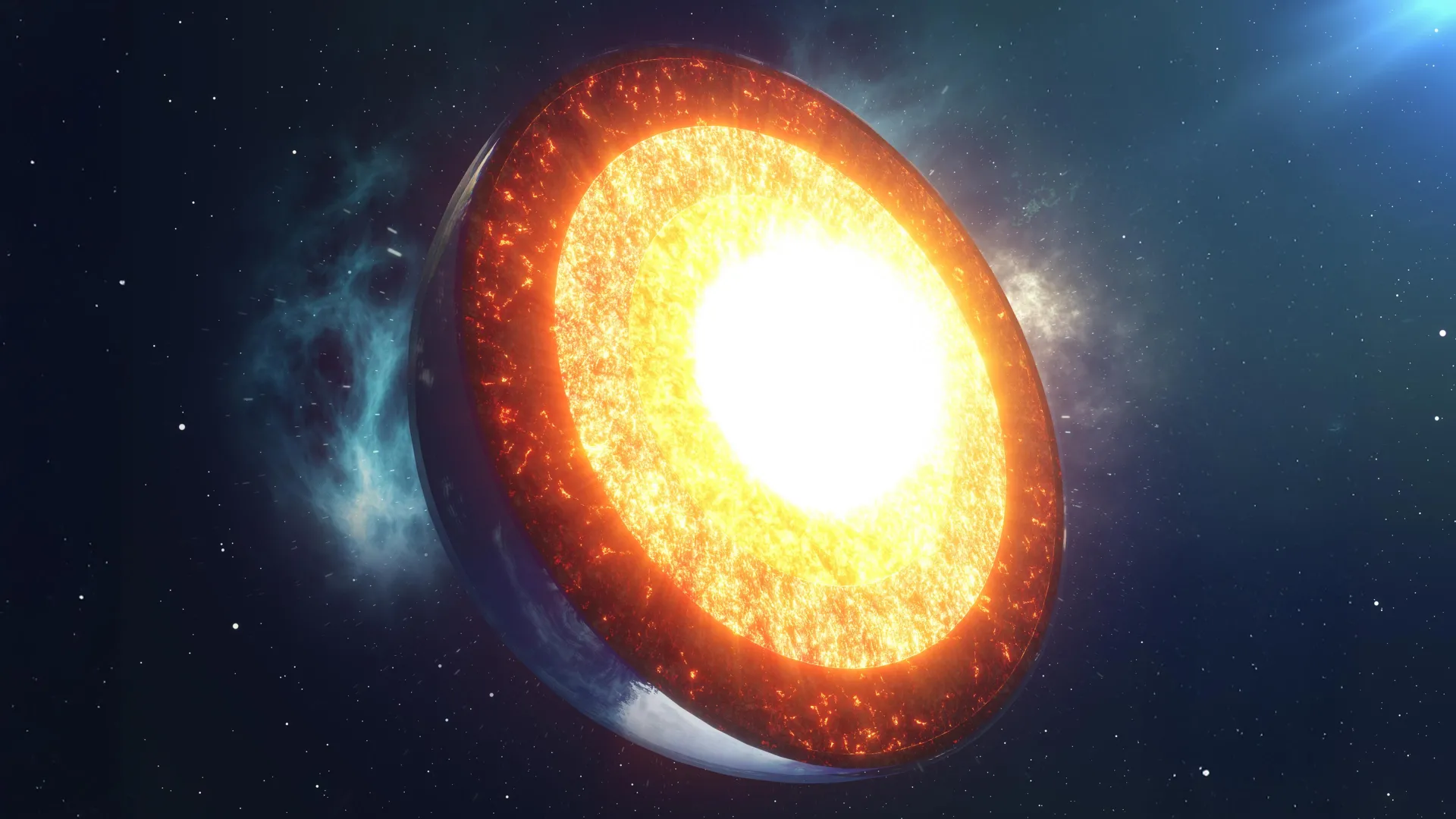
 Iffa Jayyana
 Muslim
 Nana Wu

 Rifan Muazin
 Asro
Asro