
 Pevita Pearce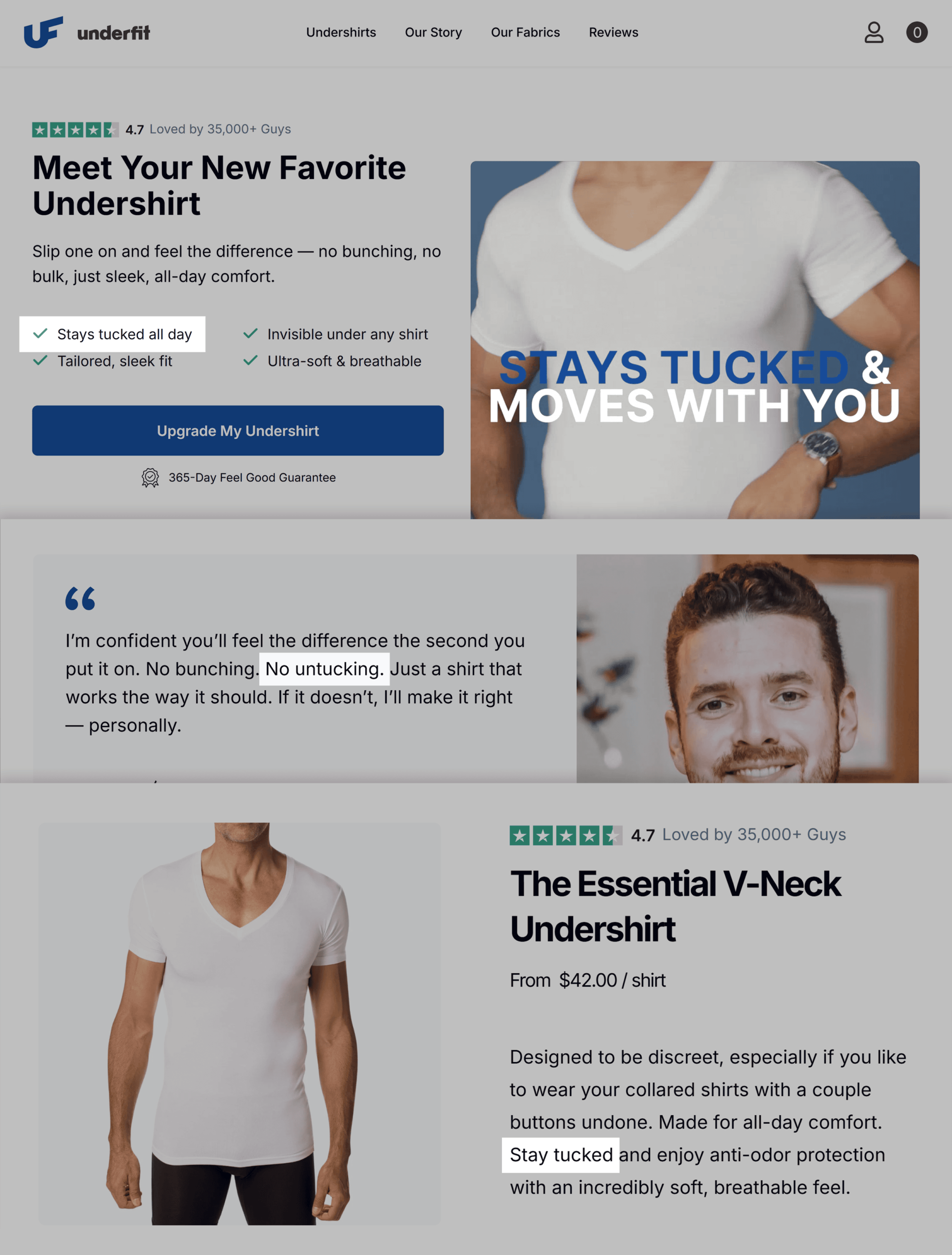
In 2026, the traditional model of website marketing—driving traffic to a homepage and hoping for a conversion—is effectively obsolete. The modern customer journey has fractured. Potential buyers are no longer performing a linear search, landing on your site, and hitting “buy.” Instead, they are navigating a complex, multi-touchpoint ecosystem involving AI-driven search, community-led discussions, and social media validation long before they ever reach your domain.

For businesses to remain competitive, the website can no longer be the starting point of the sales funnel; it must be the final, high-trust destination in a journey that begins elsewhere.
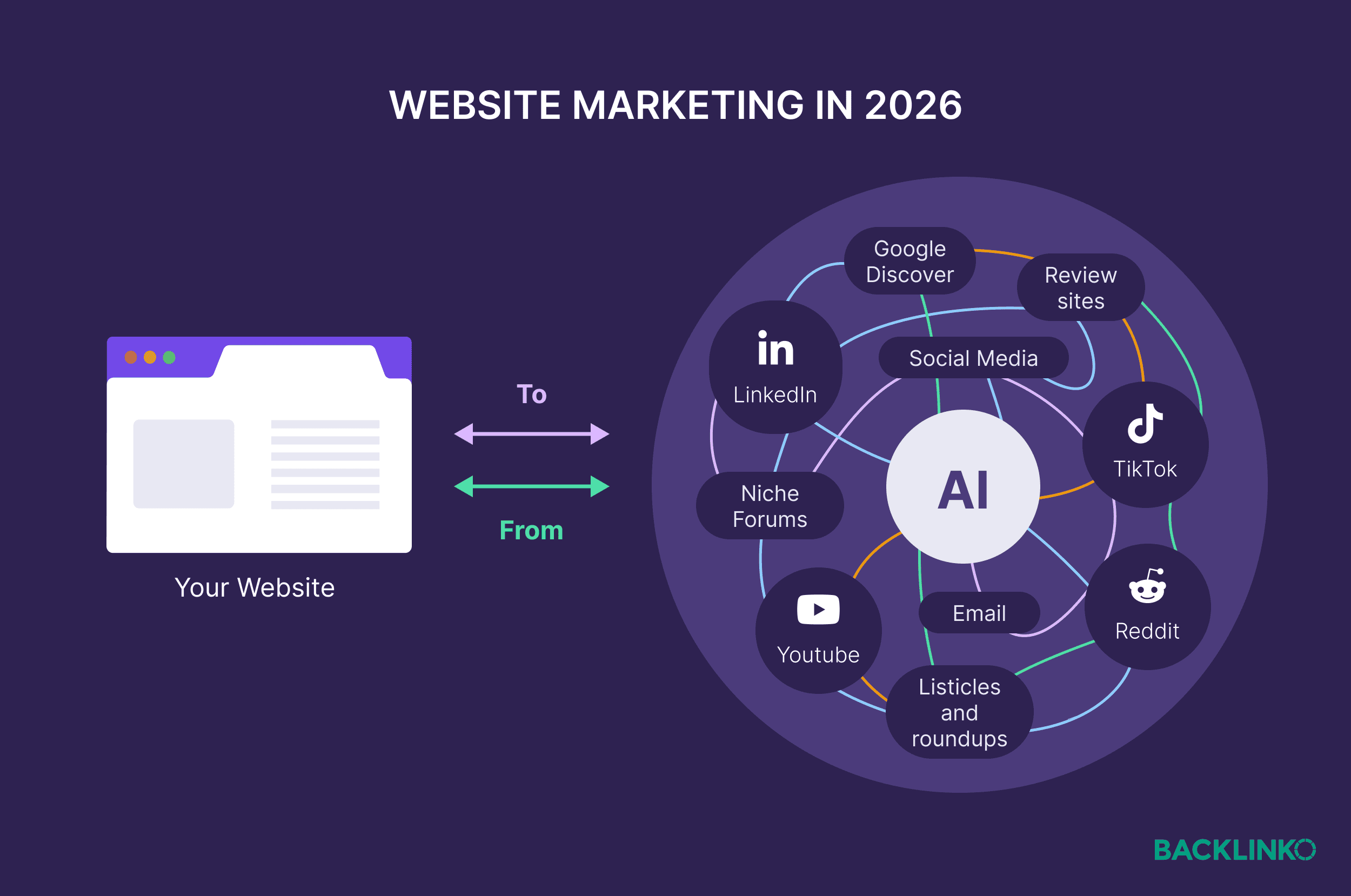
The Shift: Why Your Website Isn’t Enough
The fundamental change in 2026 is the role of “pre-discovery.” According to recent data from Clutch, over 65% of buyers utilize AI tools to research product categories, compare alternatives, and form brand perceptions before visiting a single commercial website.

When a user finally lands on your page, they are often not looking for an introduction; they are looking for confirmation. They have already asked an LLM, "What is the best solution for X?" or checked a Reddit thread for "honest reviews of Y." If your brand is absent or lacks credibility in those spaces, you have lost the customer before the landing page load time even matters.

Chronology of the Modern Buyer Journey
- AI Consultation: The prospect uses a Large Language Model (LLM) to define the problem and identify potential vendors.
- Community Validation: The prospect visits Reddit, Discord, or niche industry forums to see if real humans corroborate the AI’s suggestions.
- Social Proofing: The prospect checks LinkedIn or YouTube for thought leadership content that demonstrates expertise.
- The "Conversion" Visit: The prospect finally arrives at your website, already possessing a formed opinion. Their visit is now about verifying technical specs, pricing, and trust signals to finalize the decision.
1. Mastering AI and Human Discovery
To influence the early stages of this journey, you must engineer how the internet describes your brand. This begins with a rigid, documented brand messaging strategy.
The Importance of Brand Consistency
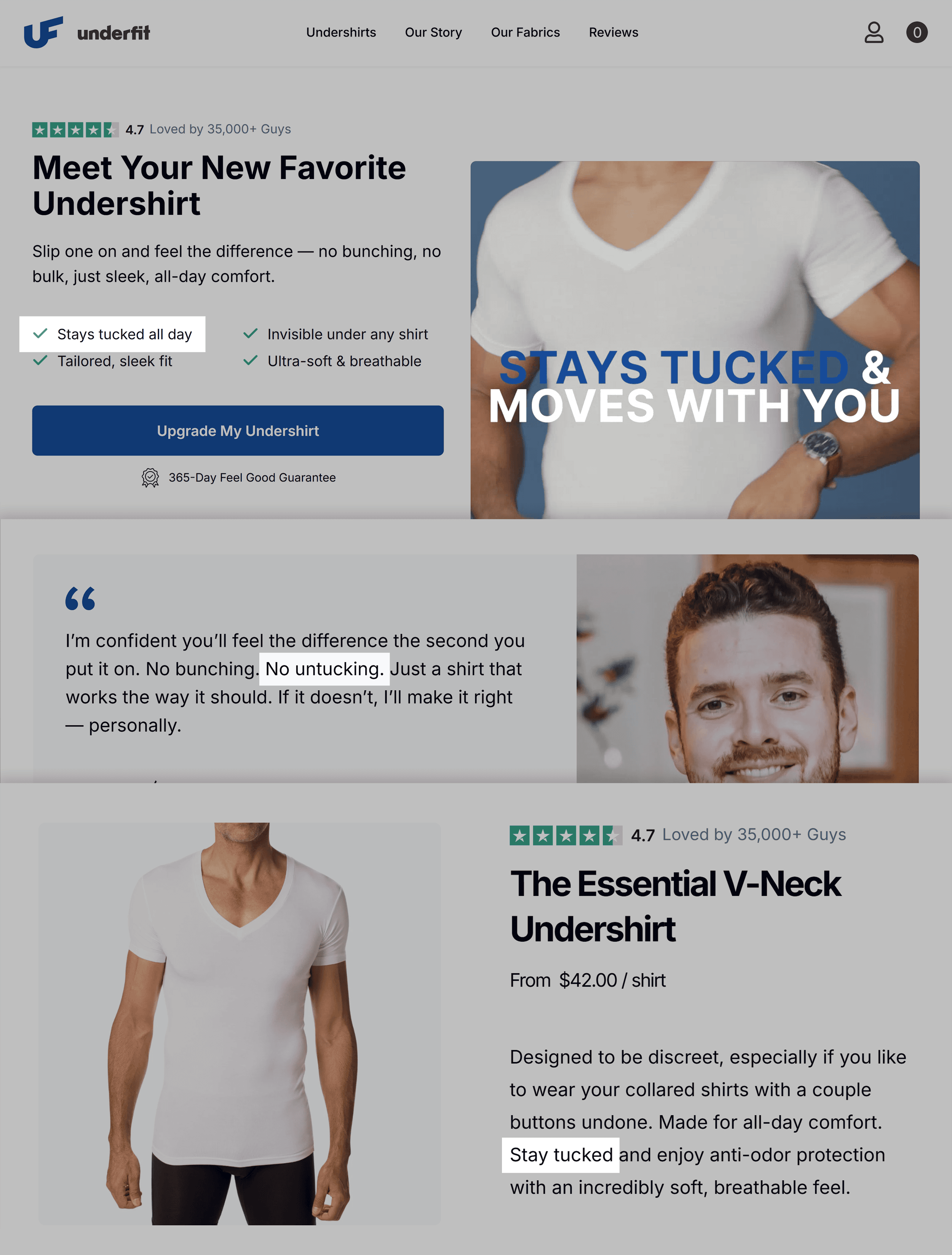
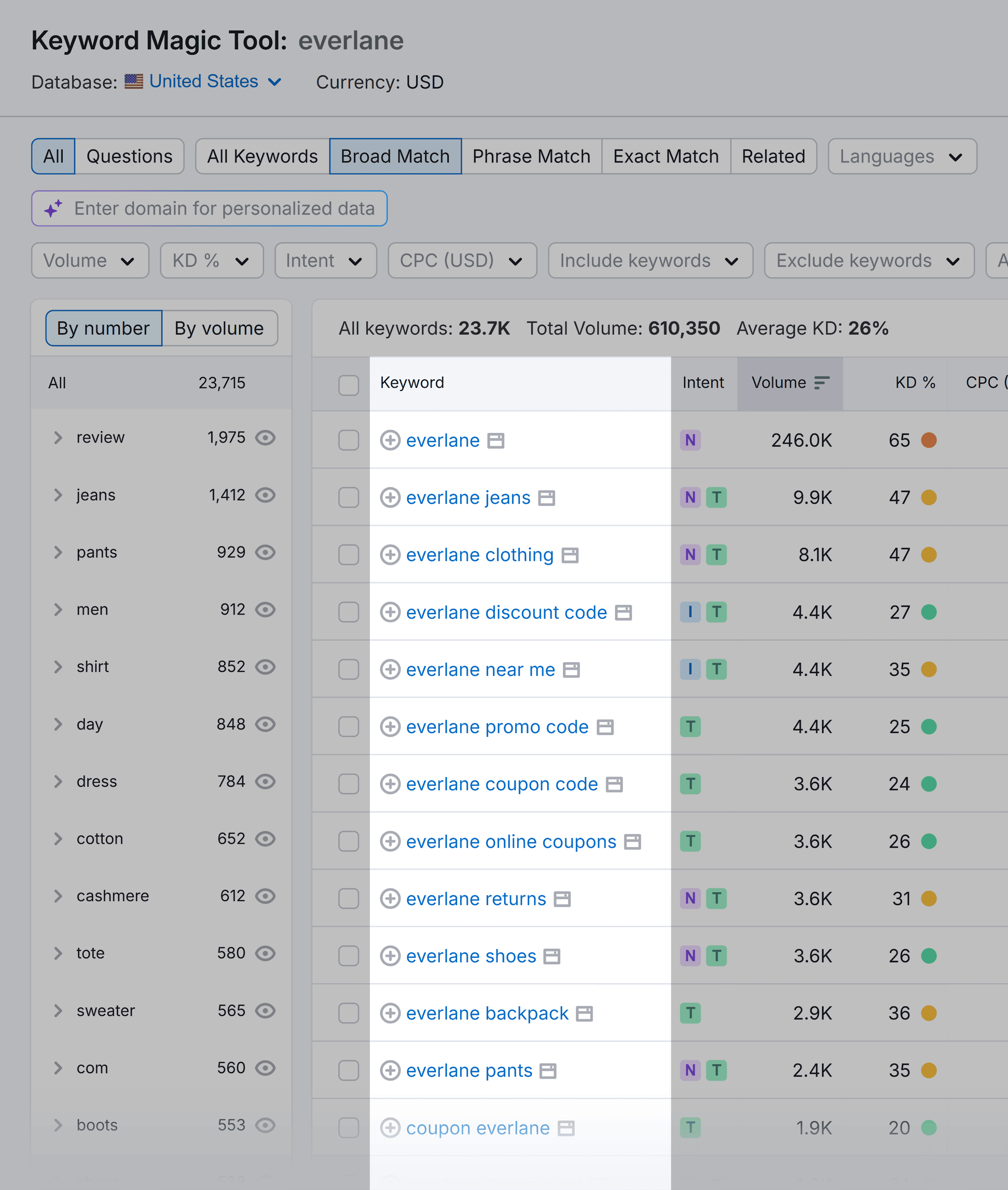
Your brand messaging—the specific language, claims, and positioning you want associated with your company—must be consistent across every channel. When your messaging is identical on your website, in a press release, on a podcast, and in a social post, you create a “semantic footprint.”
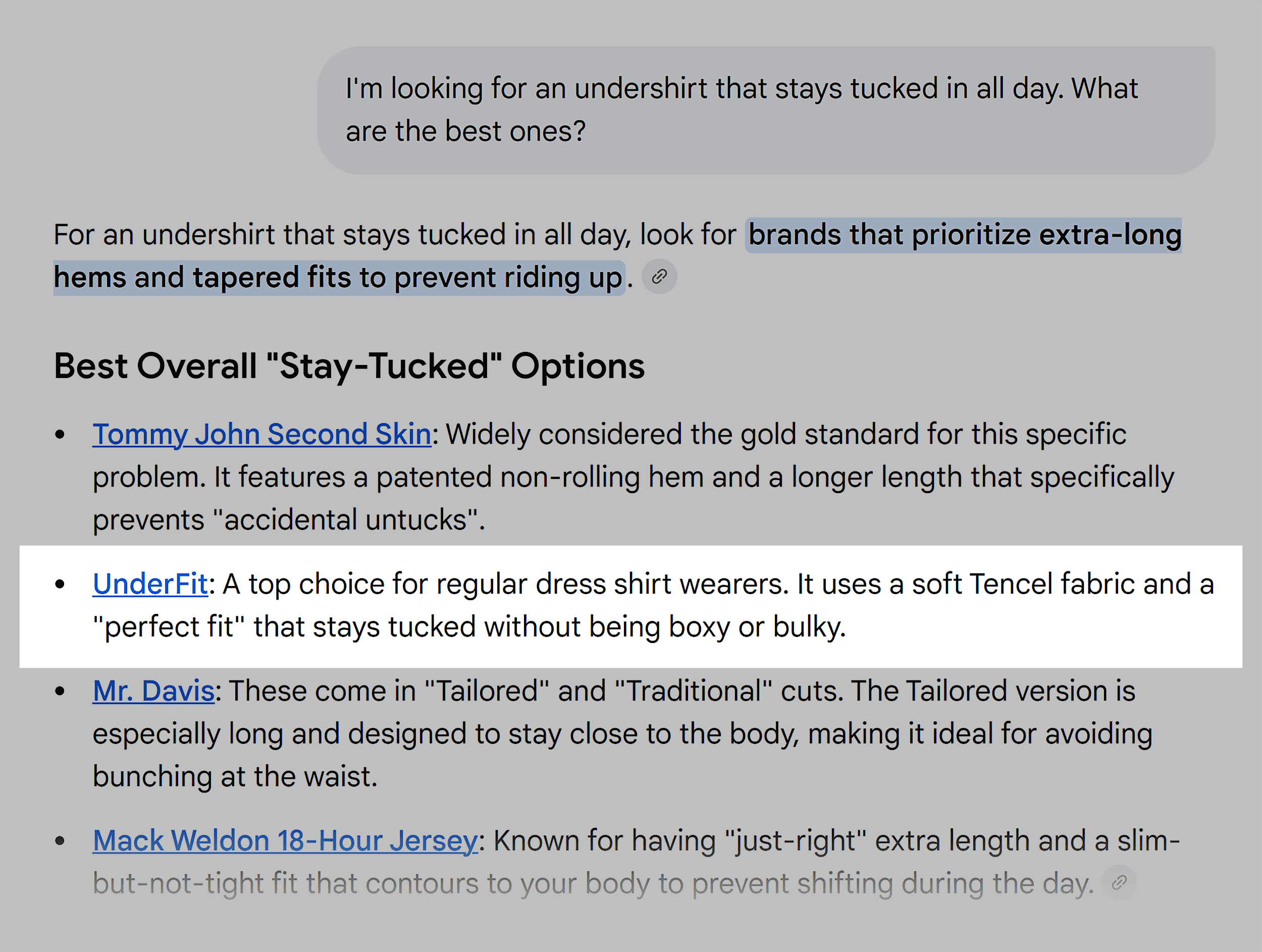
LLMs crawl the open web to build their knowledge bases. If your brand repeatedly uses the same phrasing to describe a benefit (e.g., “undershirts that stay tucked all day”), the AI will eventually associate that specific problem with your brand as a fact. This is how you secure placement in AI-generated answers.
Auditing Your Current Narrative
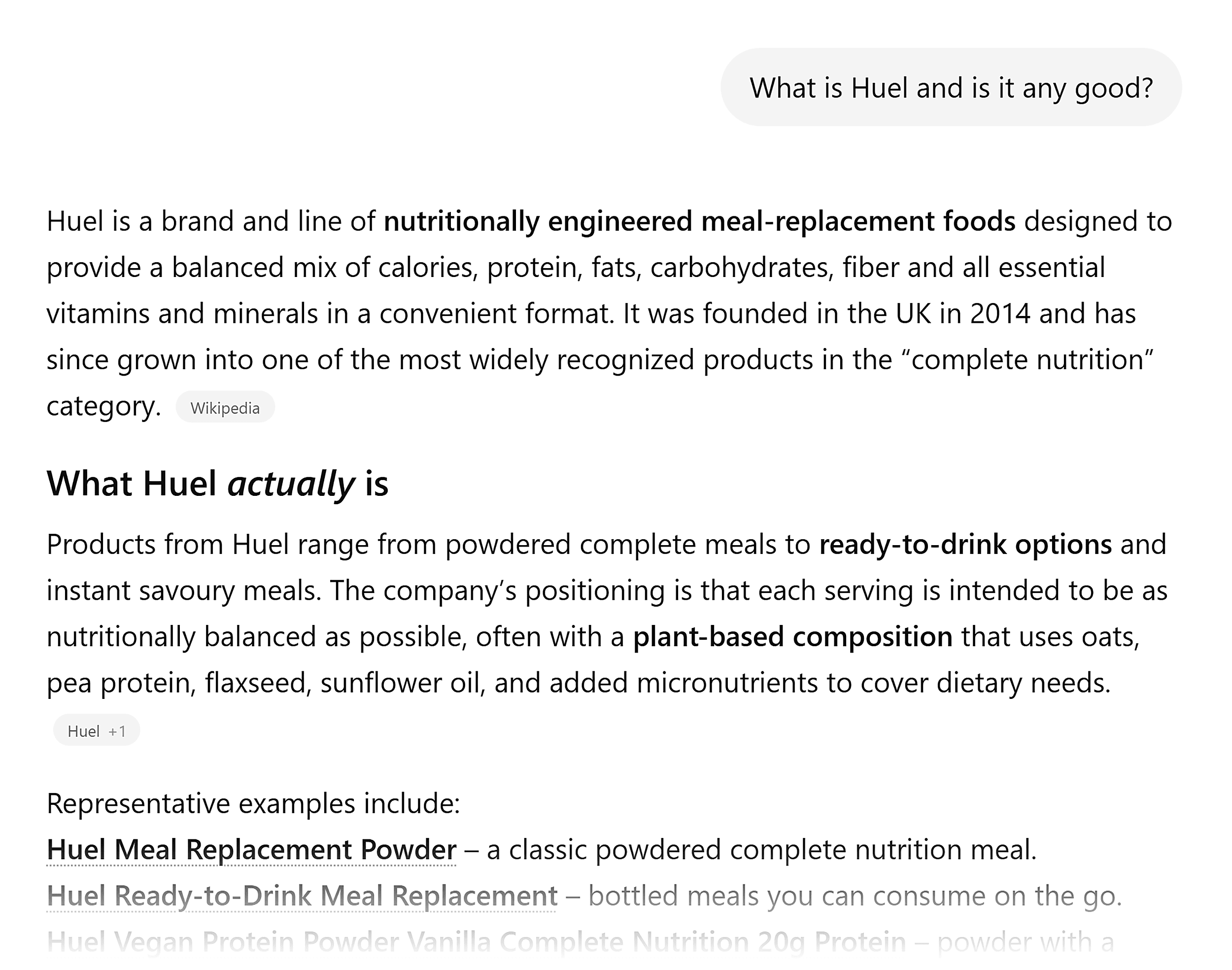
You can audit your current AI footprint immediately. Use an LLM like ChatGPT or Claude and ask the questions your customers are asking:
- "What are the most reliable undershirt brands for men?"
- "Who are the top competitors in [Your Industry]?"
The output will show you your current narrative. If it’s incorrect or vague, you must pivot your content strategy to reinforce the specific, high-value claims you want the AI to learn.
2. Structural Integrity: Designing for Humans and Bots
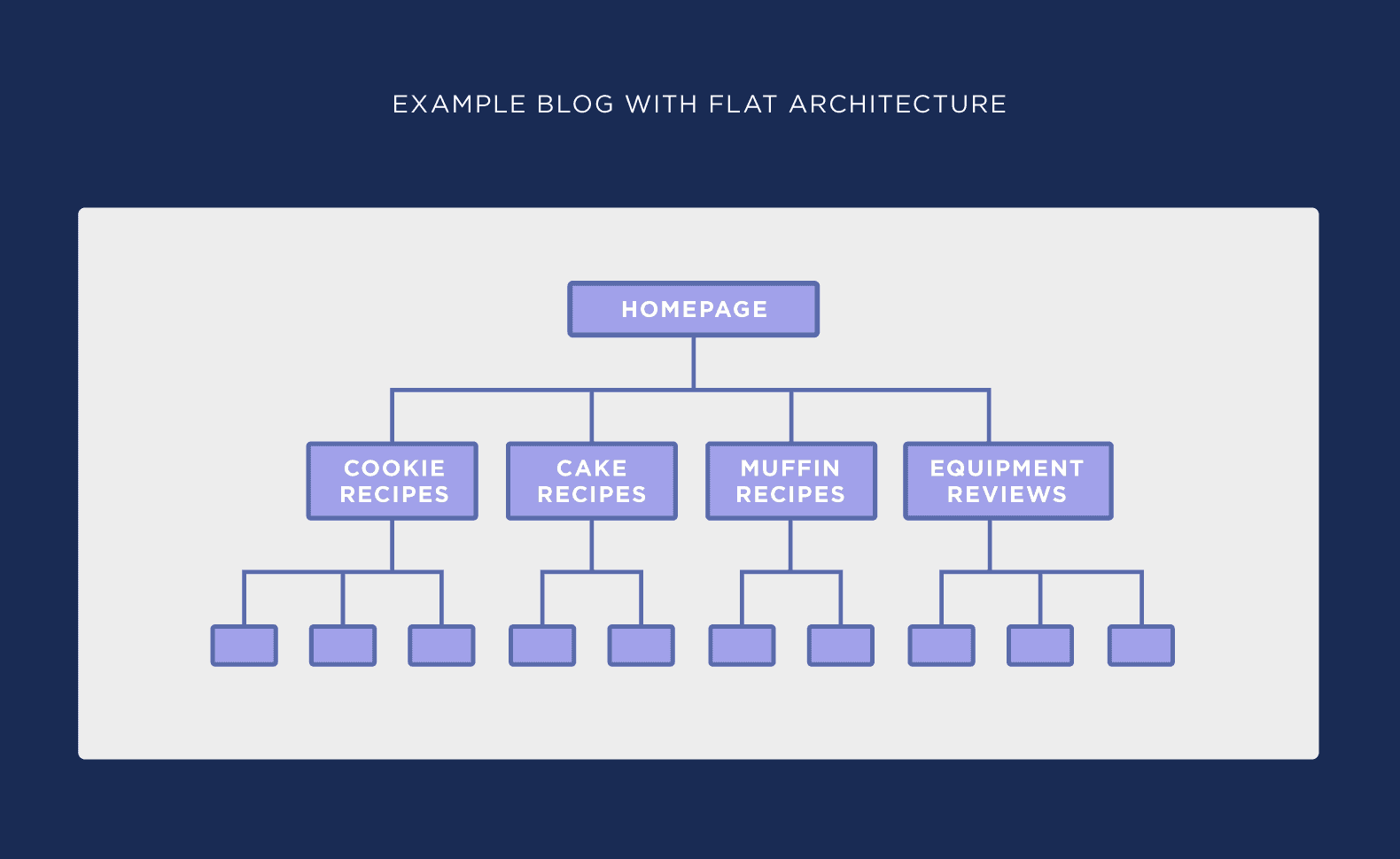
Once you have successfully influenced the off-site narrative, your website must be capable of closing the deal. This requires a two-pronged approach: superior UX for humans and semantic clarity for machines.
Semantic Architecture
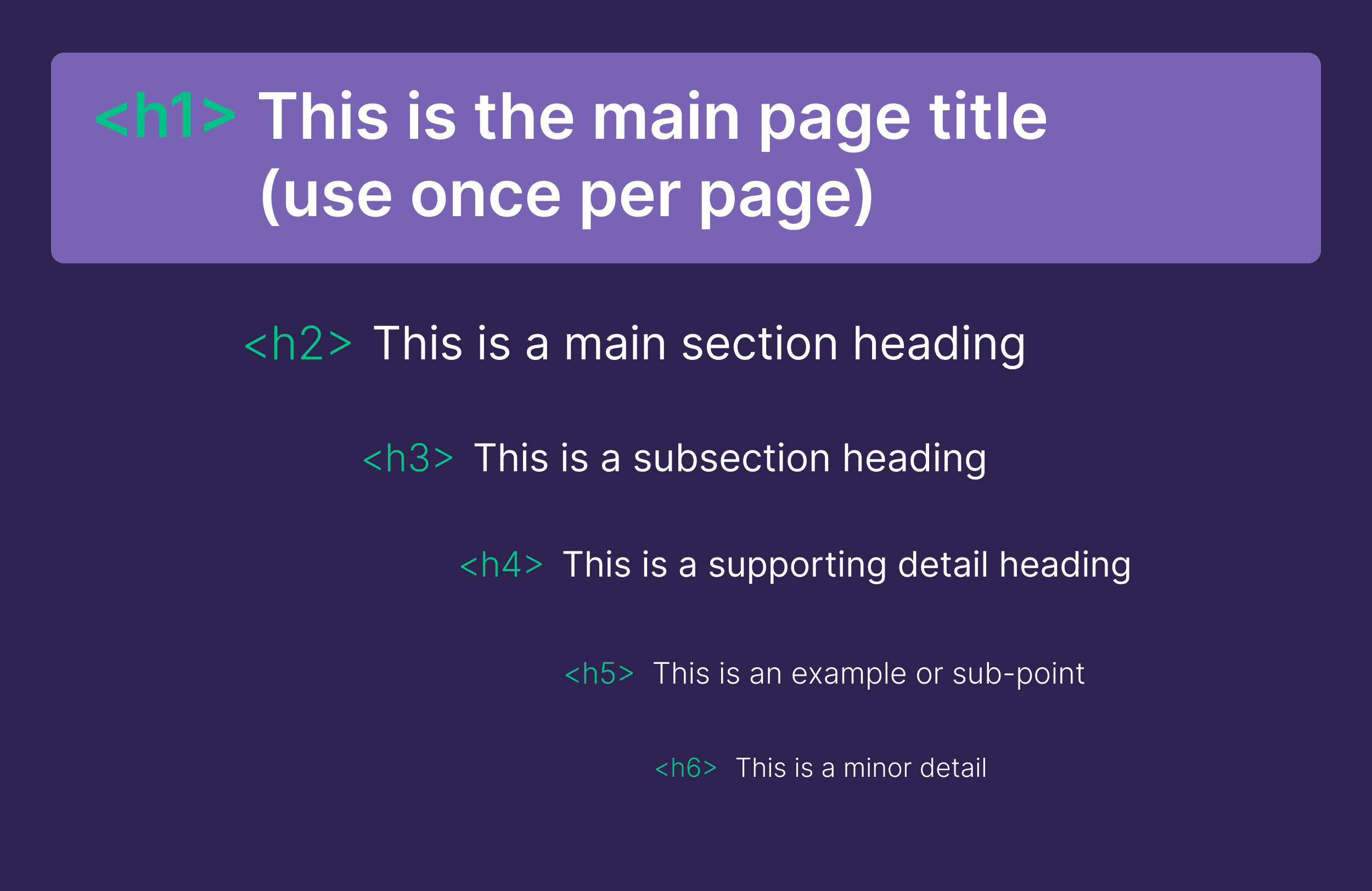
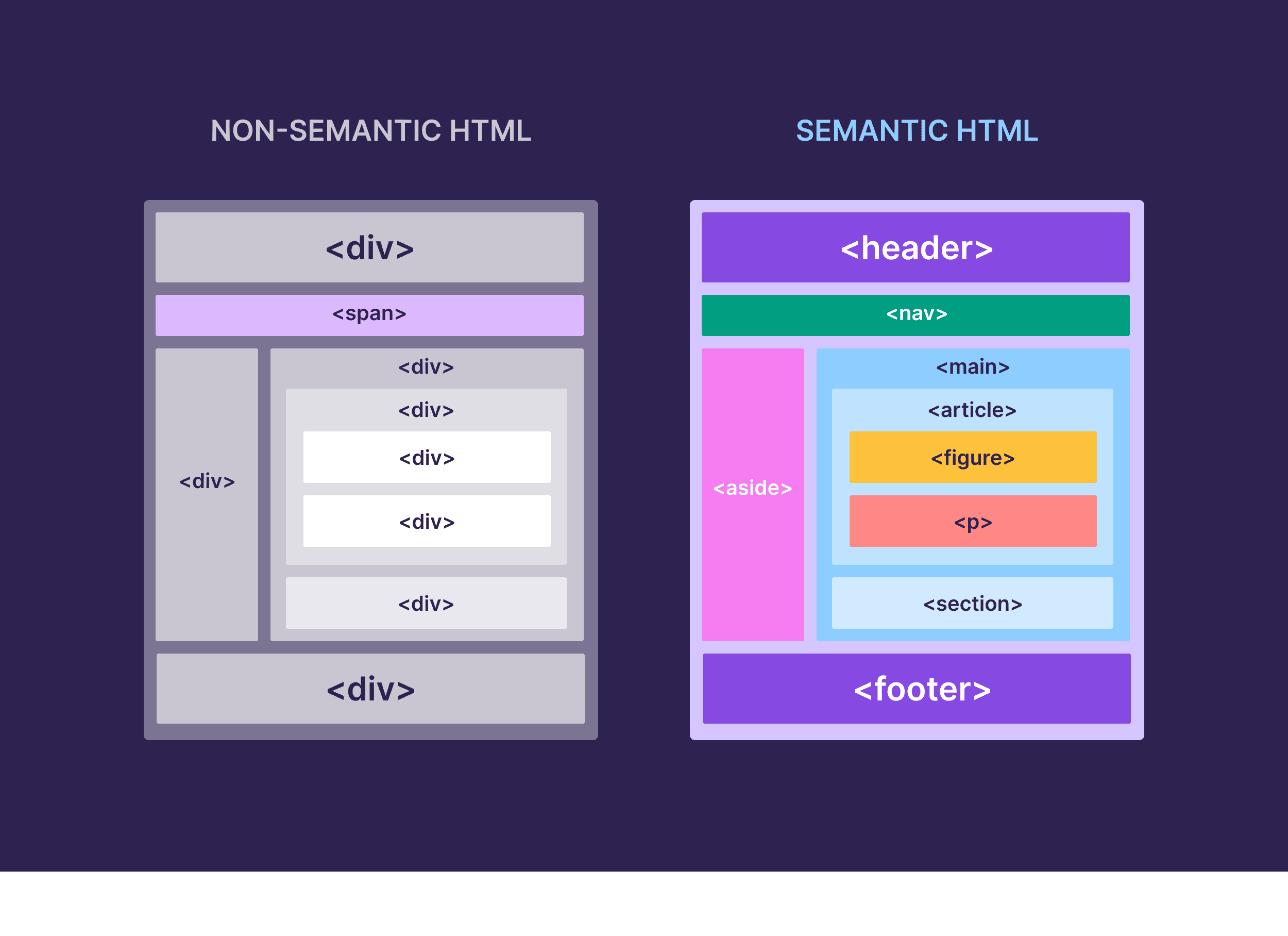
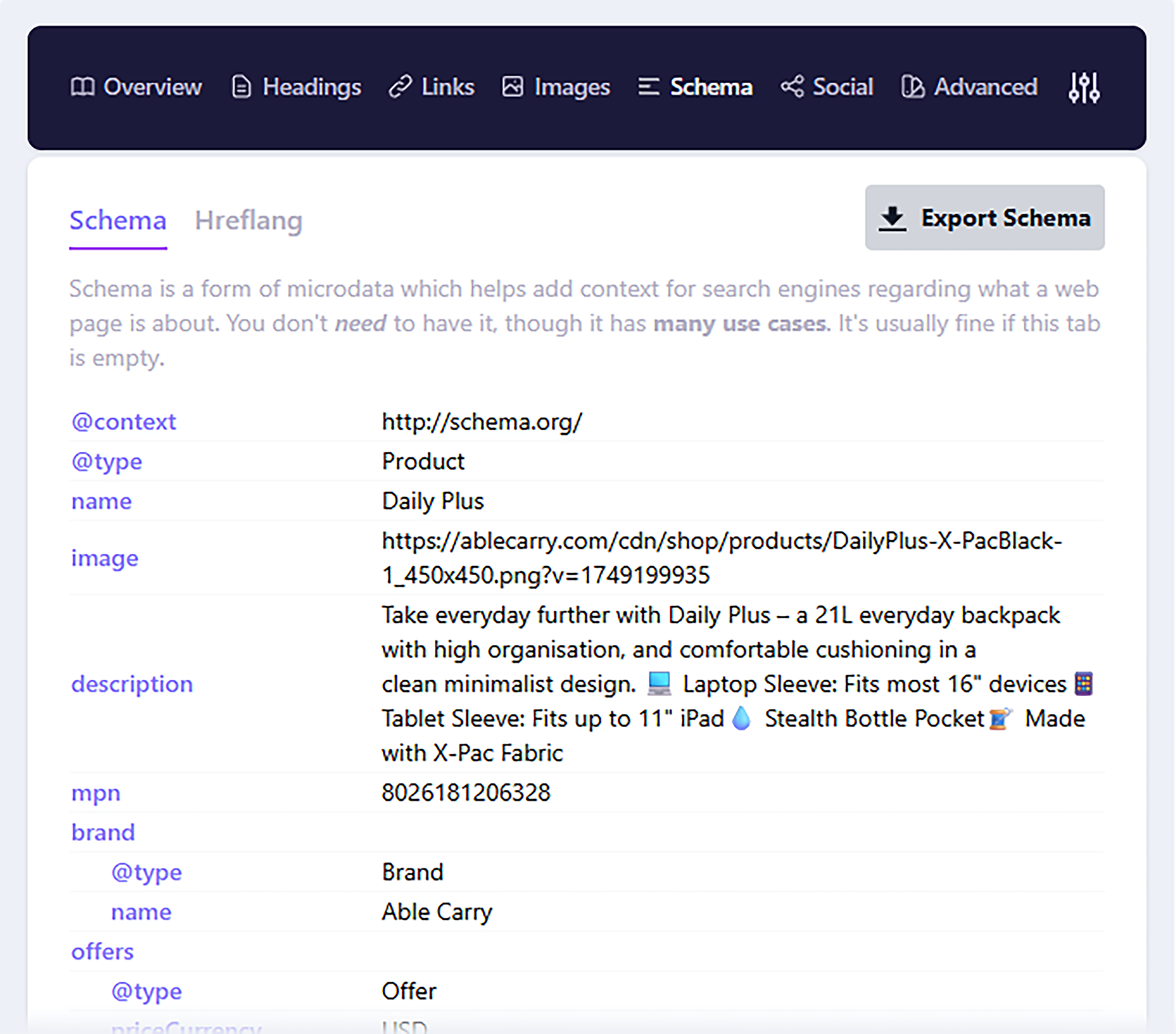
Search engines and LLMs do not "see" a website; they parse it. You must use semantic HTML—proper heading tags (<h1>, <h2>), lists, and section elements—to define a clear content hierarchy. If a bot cannot easily parse the structure of your page, it will struggle to understand the relationship between your sub-topics and your core business offerings.
3. The Power of Video as a Trust Catalyst
Text is information, but video is experience. In 2026, video is the fastest way to bridge the gap between "unknown brand" and "trusted partner."
Long-form vs. Short-form
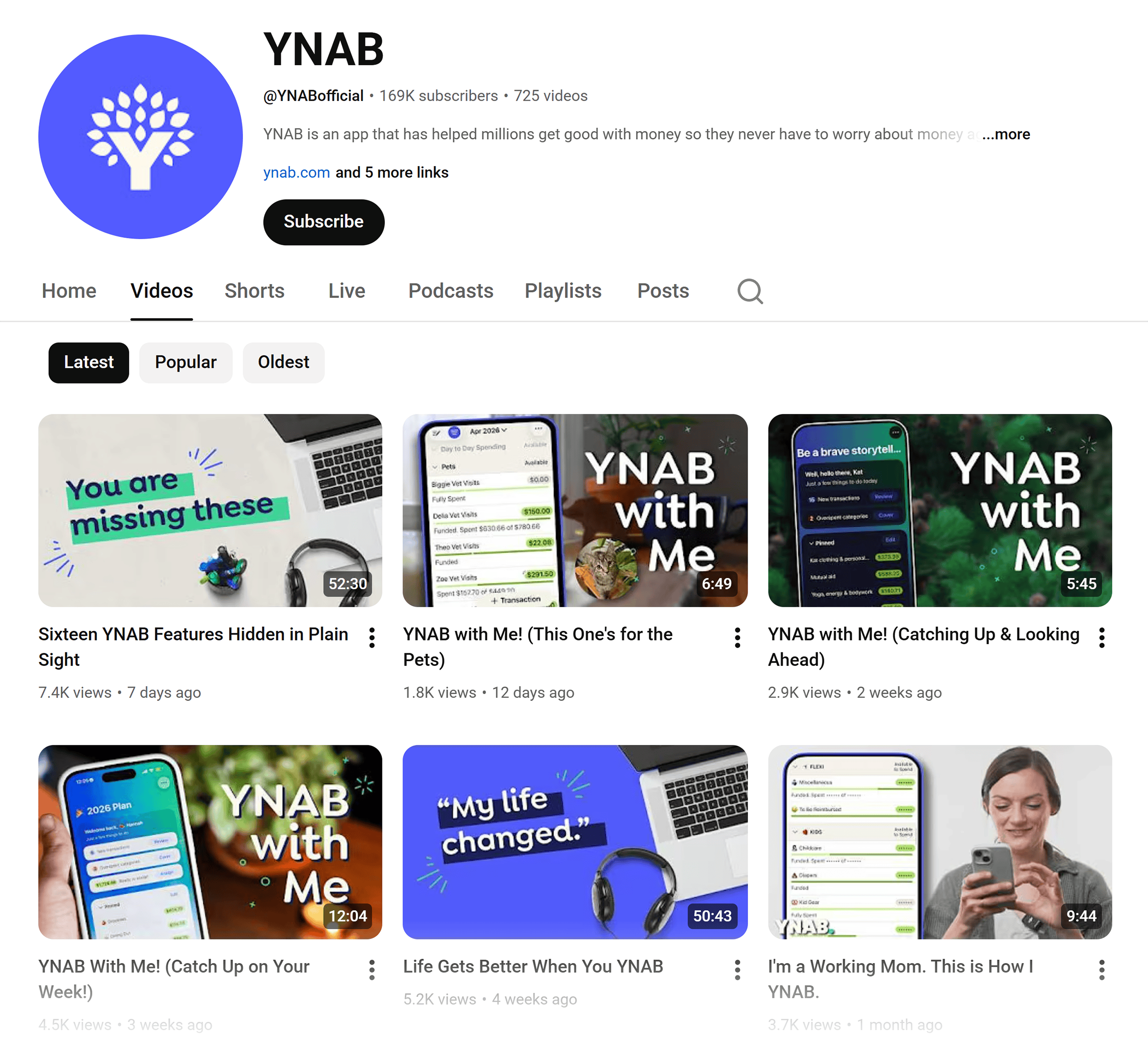
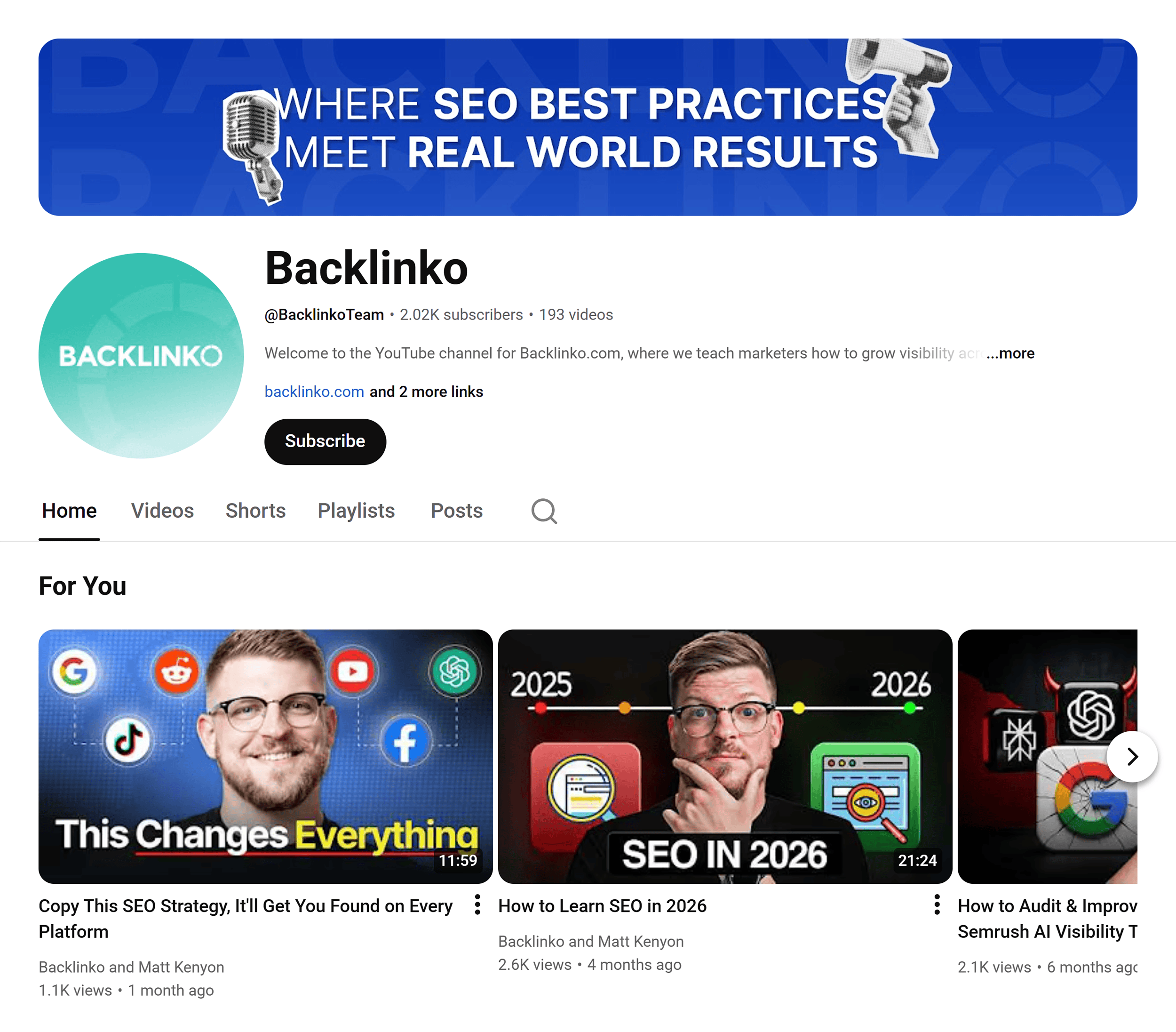
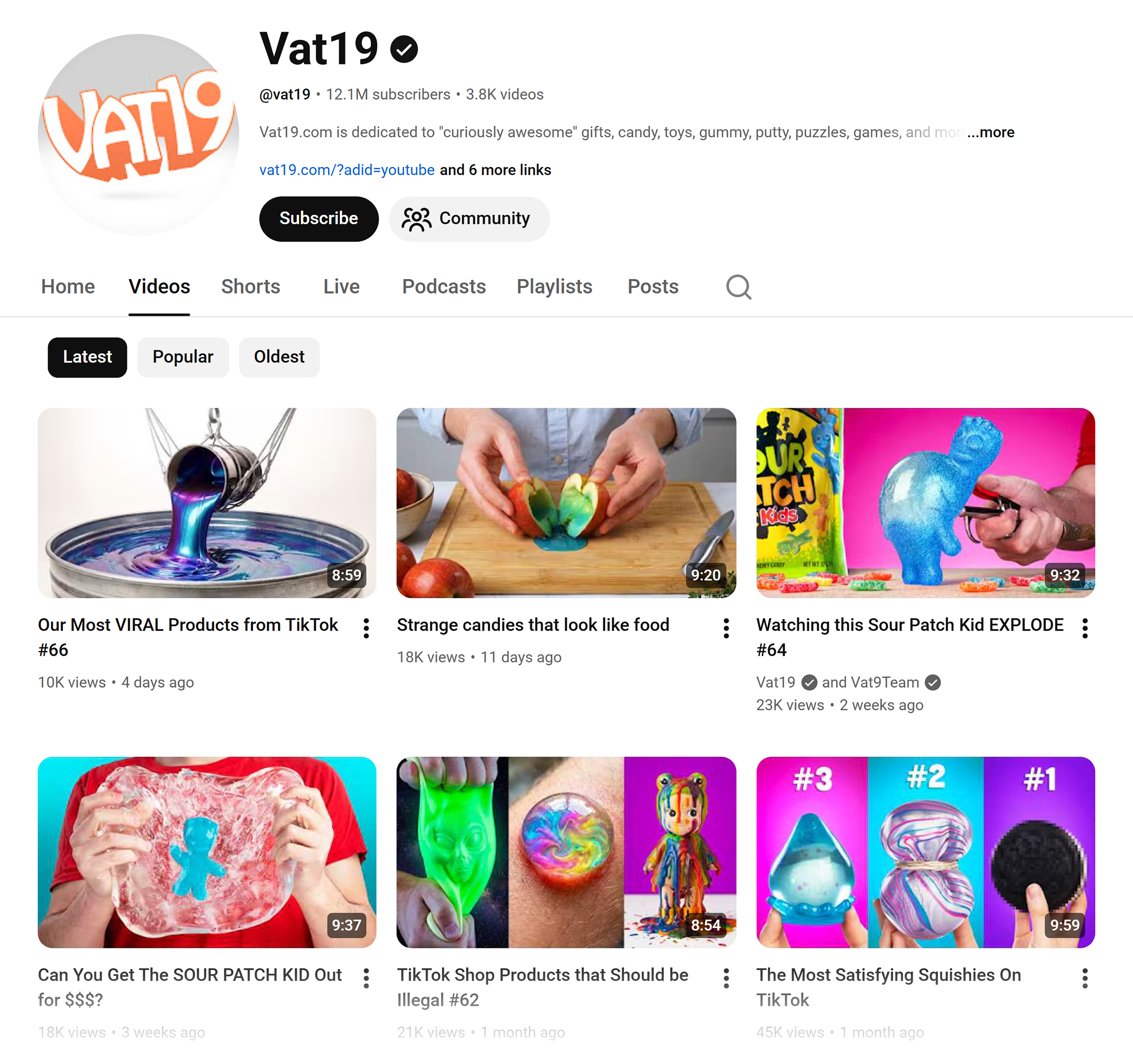
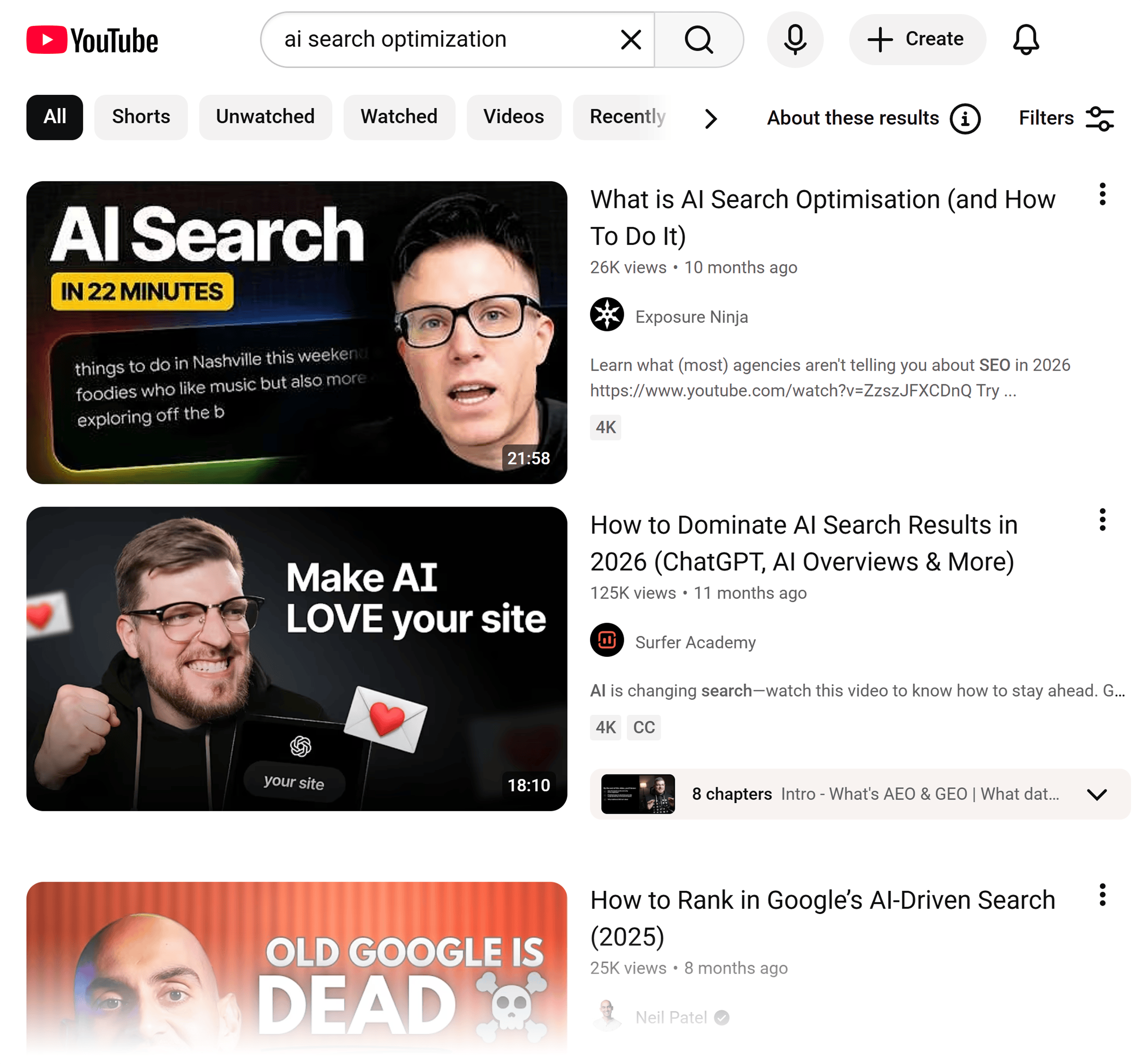
- Long-form (YouTube): This is for deep-dive authority. If your target buyer is doing research, they need tutorials, case studies, and product comparisons. These videos act as a searchable library of your expertise.
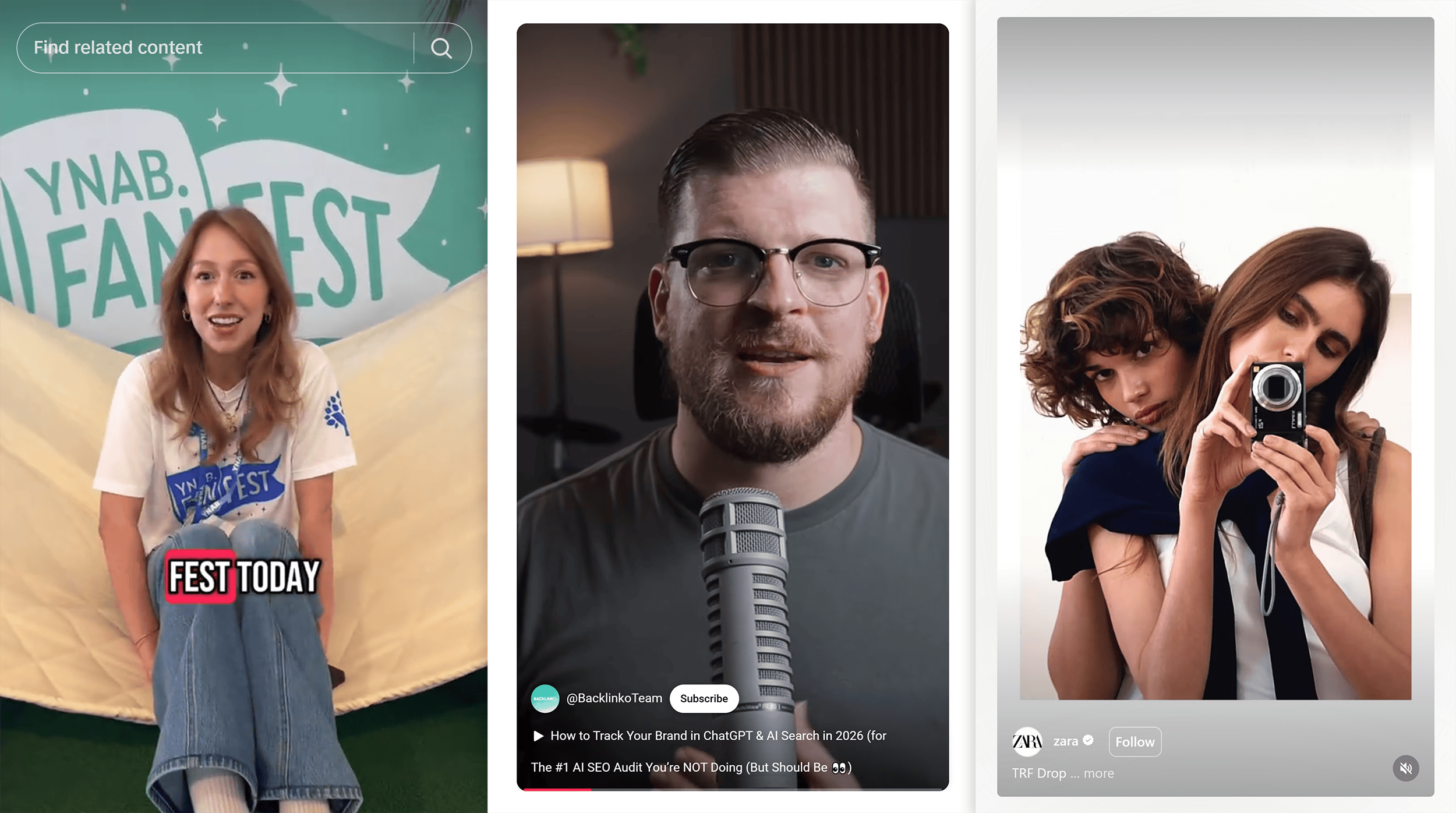
- Short-form (TikTok, Reels, Shorts): These platforms build familiarity through repetition. A buyer seeing your CEO explain a complex industry trend in a 60-second clip three times in one week creates a sense of ubiquity and trust that an ad campaign cannot replicate.
4. Capturing Google Discover Traffic
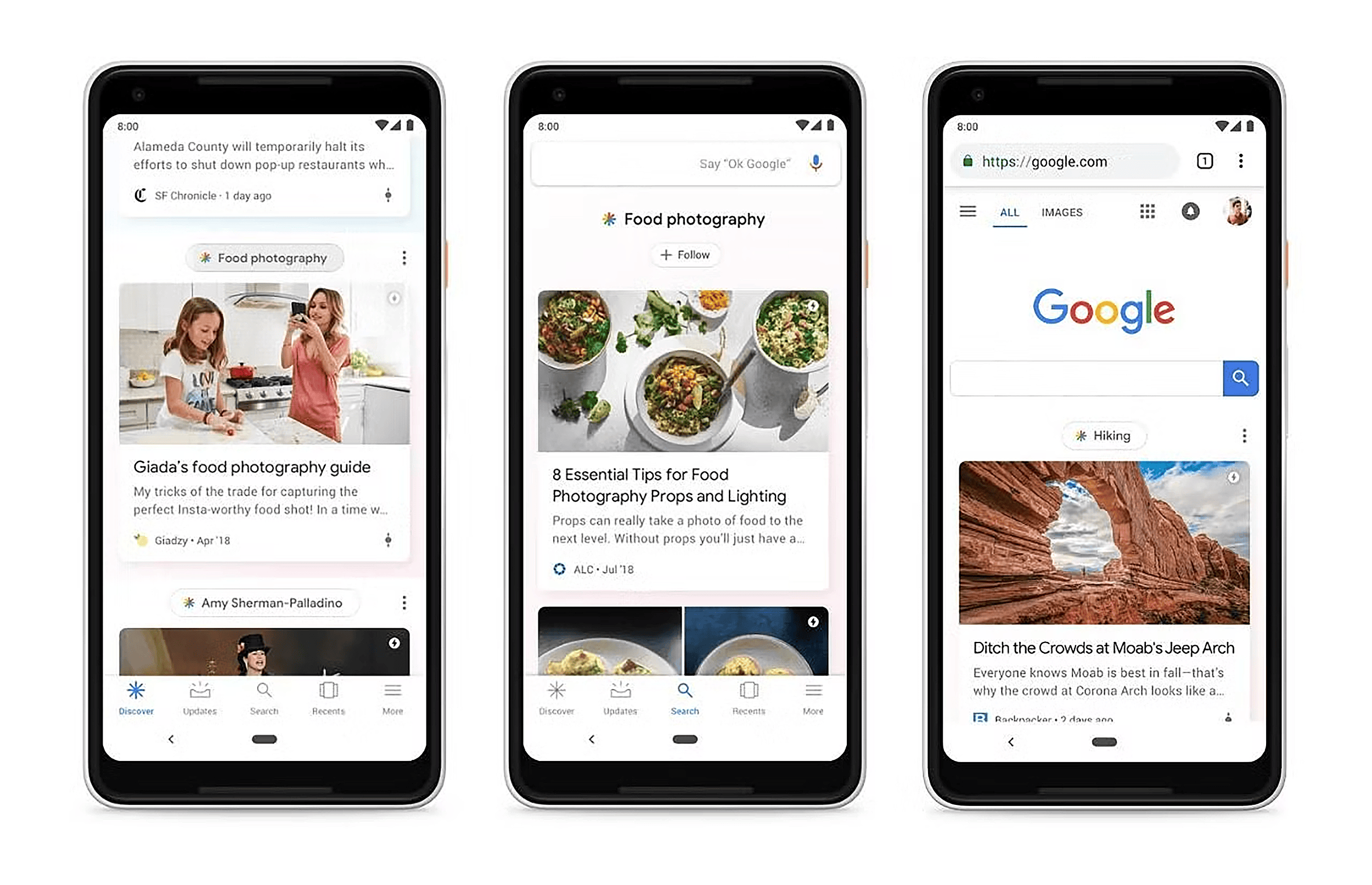
Google Discover is perhaps the most misunderstood channel in modern marketing. Unlike traditional search, which is intent-driven, Discover is interest-driven. It surfaces content based on a user’s past browsing behavior.
The "Discover Lane" Strategy
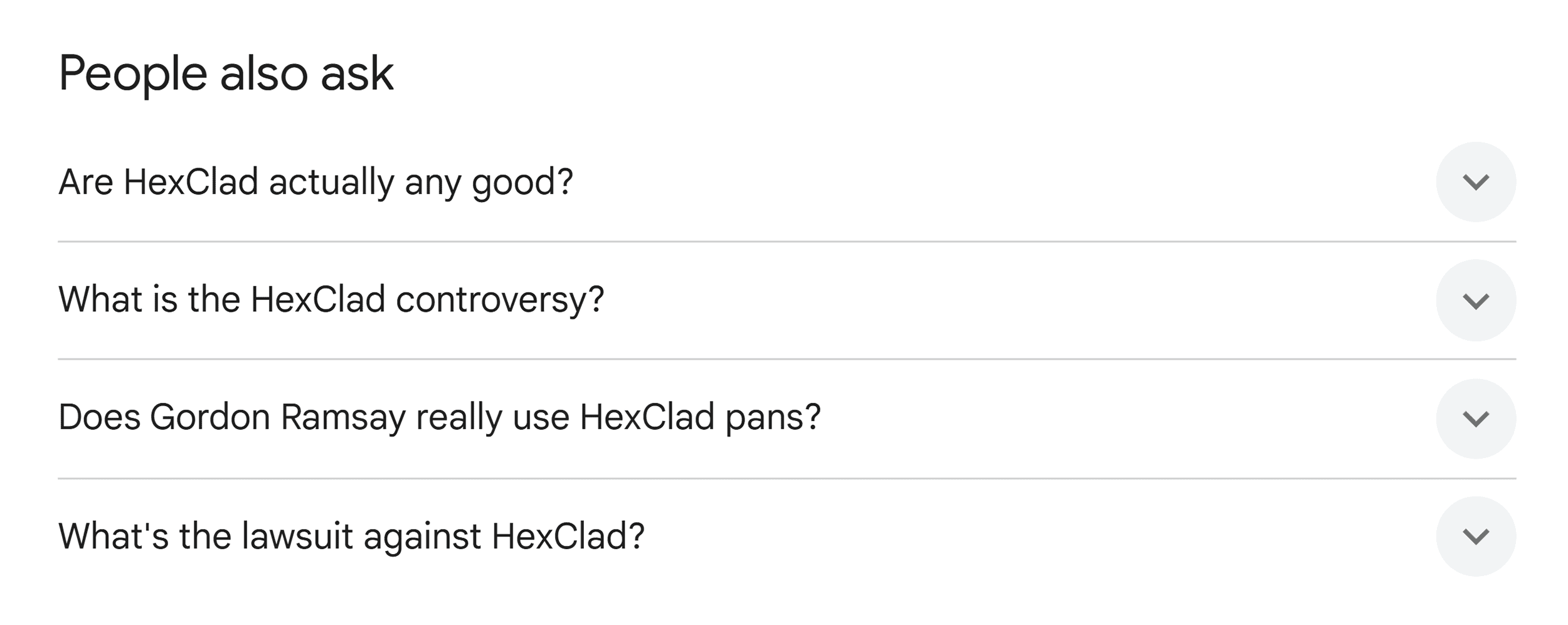
To capture Discover traffic, you must create content that feels timely and provides "stakes." A generic article titled "How to Manage Finance" will rarely hit Discover. However, "How New 2026 Interest Rate Policies Will Impact Your Savings" has the tension and relevance required to trigger the Discover algorithm.
Key Checklist for Discover:
- Timeliness: Is this tied to a current event or trend?
- High-Stakes Headline: Does it promise a tangible outcome or address a specific fear/desire?
- Visuals: Does the featured image (minimum 1200px width) stop the scroll?
5. Converting in a Zero-Click World
As AI-generated summaries become the default search experience, your website traffic will likely decrease in volume but increase in quality. This "Zero-Click" era demands that you prioritize Revenue per Visitor (RPV).
Reducing Friction and Anxiety
If a user arrives at your site having already been "sold" by an AI or a Reddit thread, do not force them through a generic blog post. Use dynamic landing pages that align with the specific intent they arrived with.
- Friction: Eliminate non-essential form fields and ensure page speed is under 2 seconds.
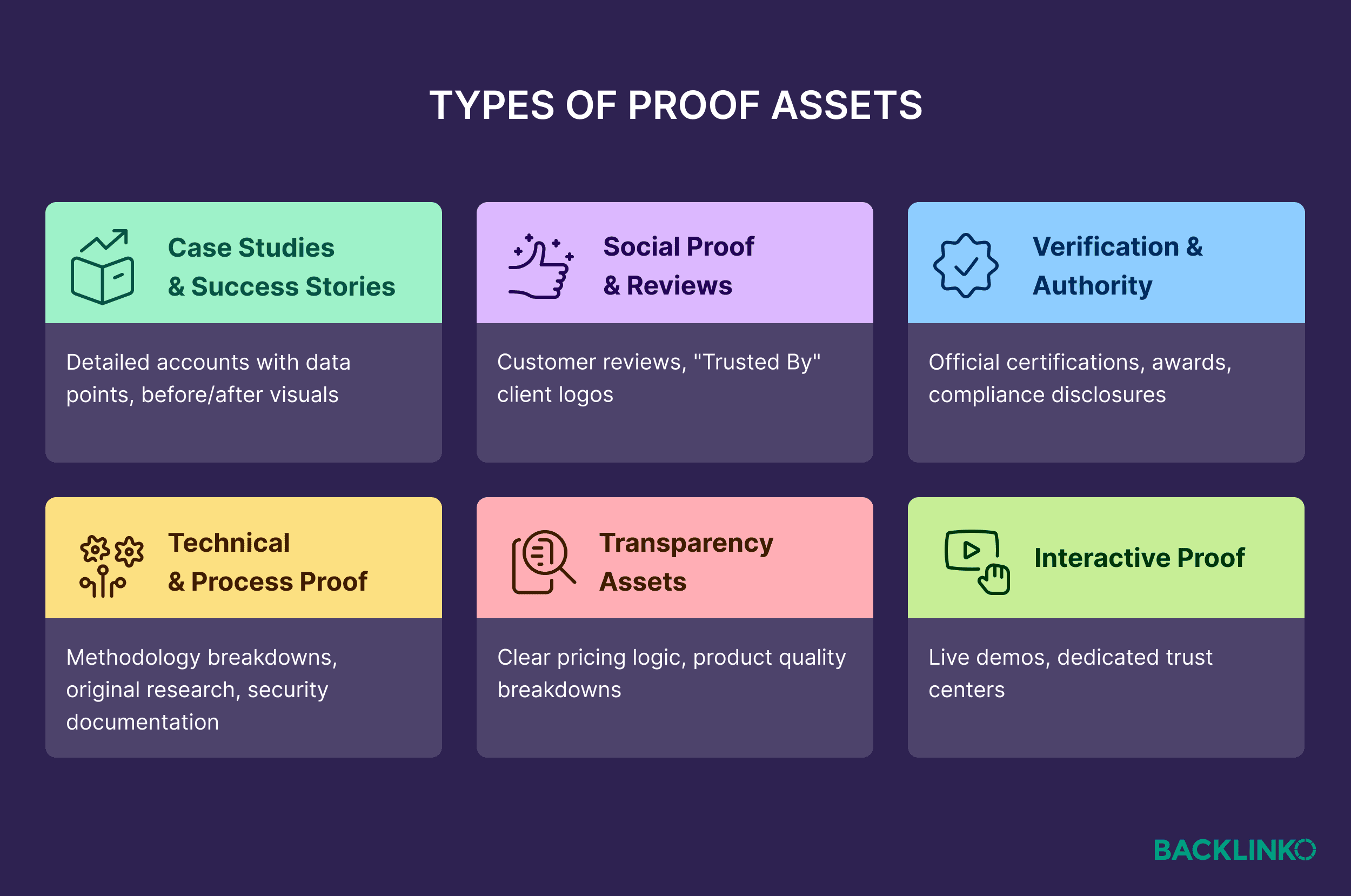
- Anxiety: Display security badges, compliance certifications, and clear, human-centric case studies directly above the fold on high-intent pages.
6. The Human Premium: Leadership and Community
In an age of automated, AI-generated content, the "human premium" is a massive competitive advantage.
Thought Leadership as a Moat
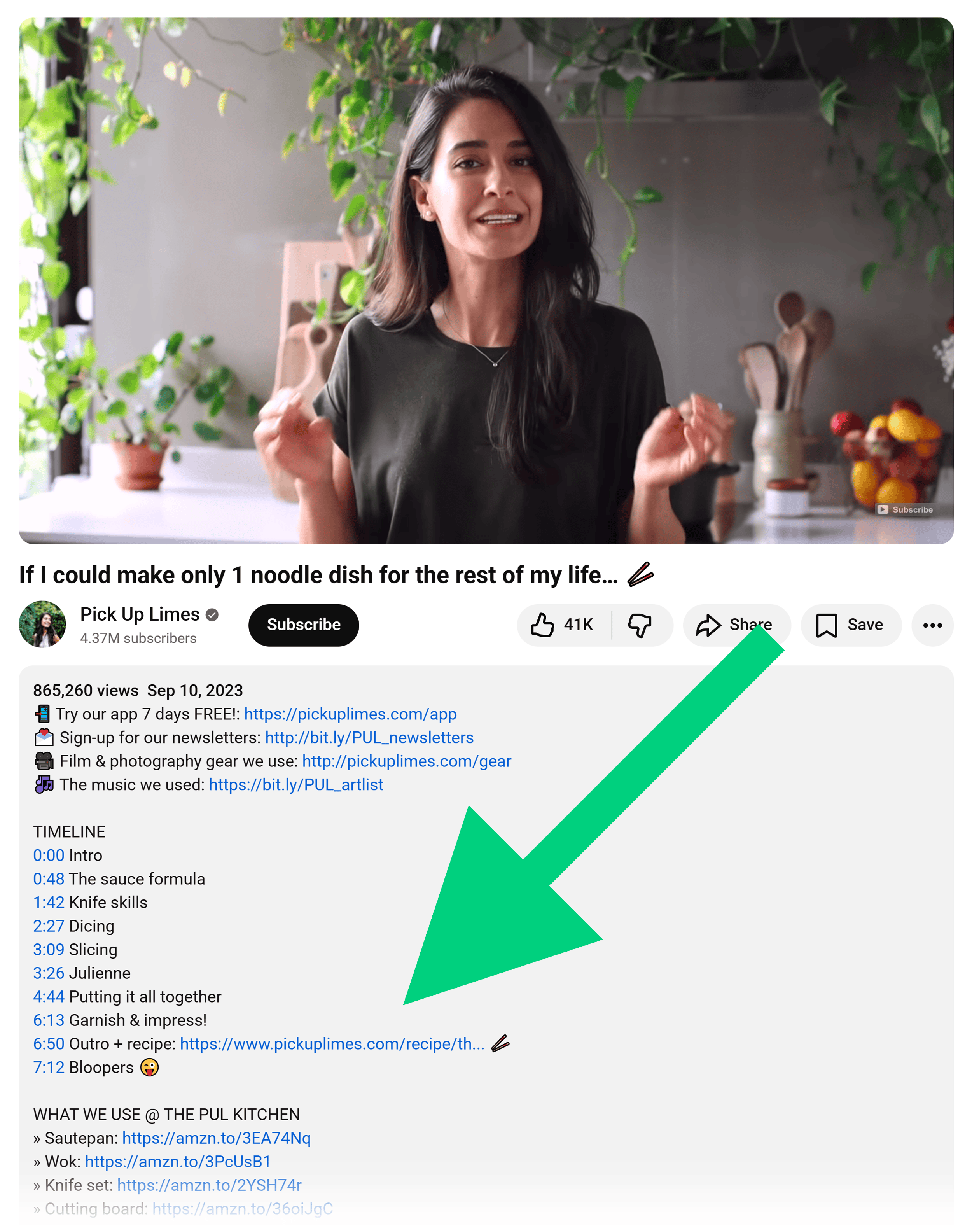
Thought leadership isn’t just about sharing opinions; it’s about taking a stance on how your industry should operate. A recognizable human voice—a CEO or a subject matter expert—acting as the face of your brand allows prospects to connect with a person rather than a logo.
Community Contribution
Forums like Reddit or industry-specific Slacks are where reputations are made or broken. The rule here is simple: Be a contributor, not a promoter. When you show up in a community to answer a question without a link or a pitch, you build social capital. When you eventually mention your brand, the community views it as a helpful suggestion rather than a spammy advertisement.
7. Strategic Repurposing: Quality Over Quantity
The final pillar of 2026 marketing is intentional repurposing. AI allows you to turn a single blog post into a carousel, a script for a video, and a thread on X. However, the most successful brands don’t repurpose everything. They identify the "winning idea"—the one that garnered the most engagement—and amplify it across every possible channel.
The Validation Loop
Before investing in expensive video production or complex reports, test the concept on social media. If a short, text-based post on LinkedIn or X generates significant interest, you have found a topic worth repurposing into long-form content. This validation loop ensures you are only building where your audience is already listening.

Implications for 2026
The mandate for 2026 is clear: Marketing is no longer about owning the channel; it is about owning the conversation. By influencing AI discovery, fostering community trust, and humanizing your brand, you create a narrative that exists independently of your website. When you finally direct that prospect to your site, they aren’t just visiting—they are arriving.


 Ammar Sabilarrohman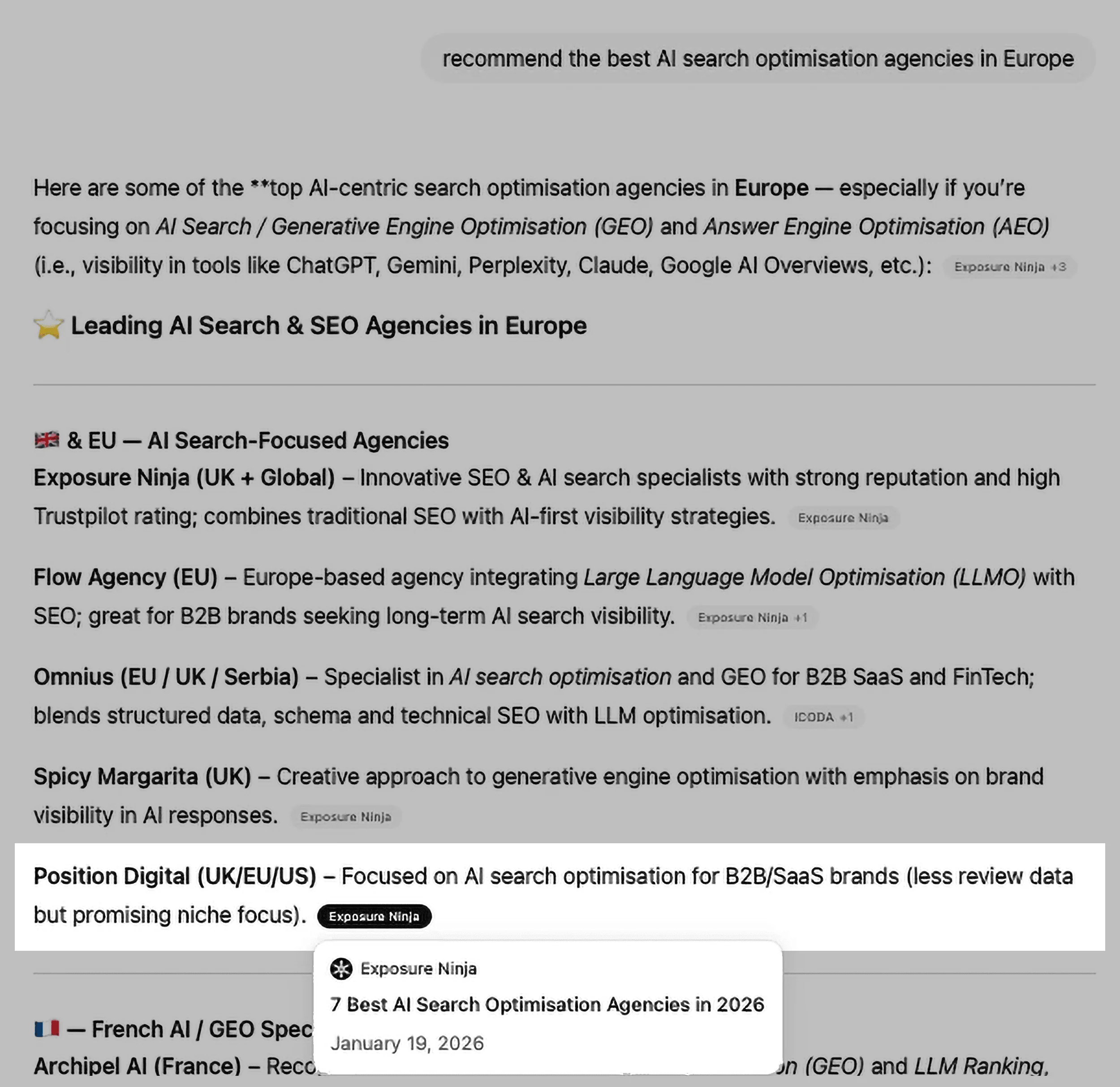
 Sagoh
Sagoh
 Raul Delapena Setiawan
 Reynand Wu


 Azzam Bilal Chamdy
 Ali Ikhwan