
 Azzam Bilal Chamdy
The era of “build it and they will come” is officially over. In the digital landscape of 2026, website marketing no longer functions as a singular funnel where you promote a URL to attract visitors who then convert into customers. While your website remains the central hub of your digital ecosystem, the customer journey has become increasingly fragmented, occurring largely beyond your own domain.

Today, before a potential lead ever lands on your homepage, they have likely vetted your brand through AI-driven research tools, parsed community sentiment on platforms like Reddit, and engaged with short-form content on social media. These third-party interactions serve as the primary filter for your brand’s credibility. If you aren’t visible, credible, and consistent in those external spaces, the path to your website is effectively blocked.
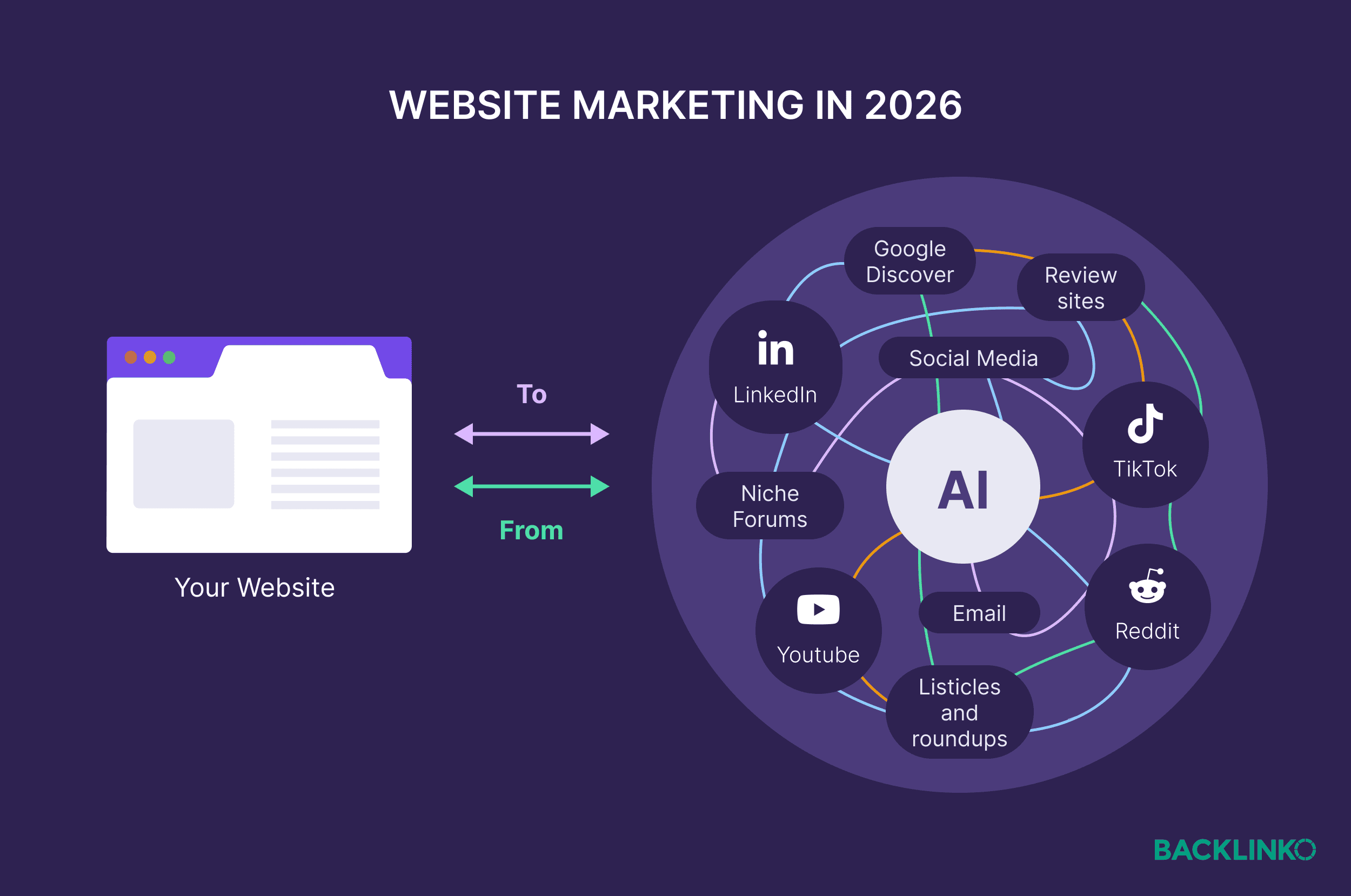
To succeed in this environment, marketers must pivot from a "site-centric" model to an "ecosystem-centric" model. By establishing presence across the wider digital journey, you ensure that when a user finally arrives at your site, they do so with higher intent and a deeper sense of trust, leading to superior conversion rates.
The Shift: From Destination to Ecosystem
Traditionally, digital marketing was linear. You ran ads or optimized for search, users clicked, and they arrived. In 2026, the process is recursive and decentralized.
Chronology of the Modern Buyer’s Journey
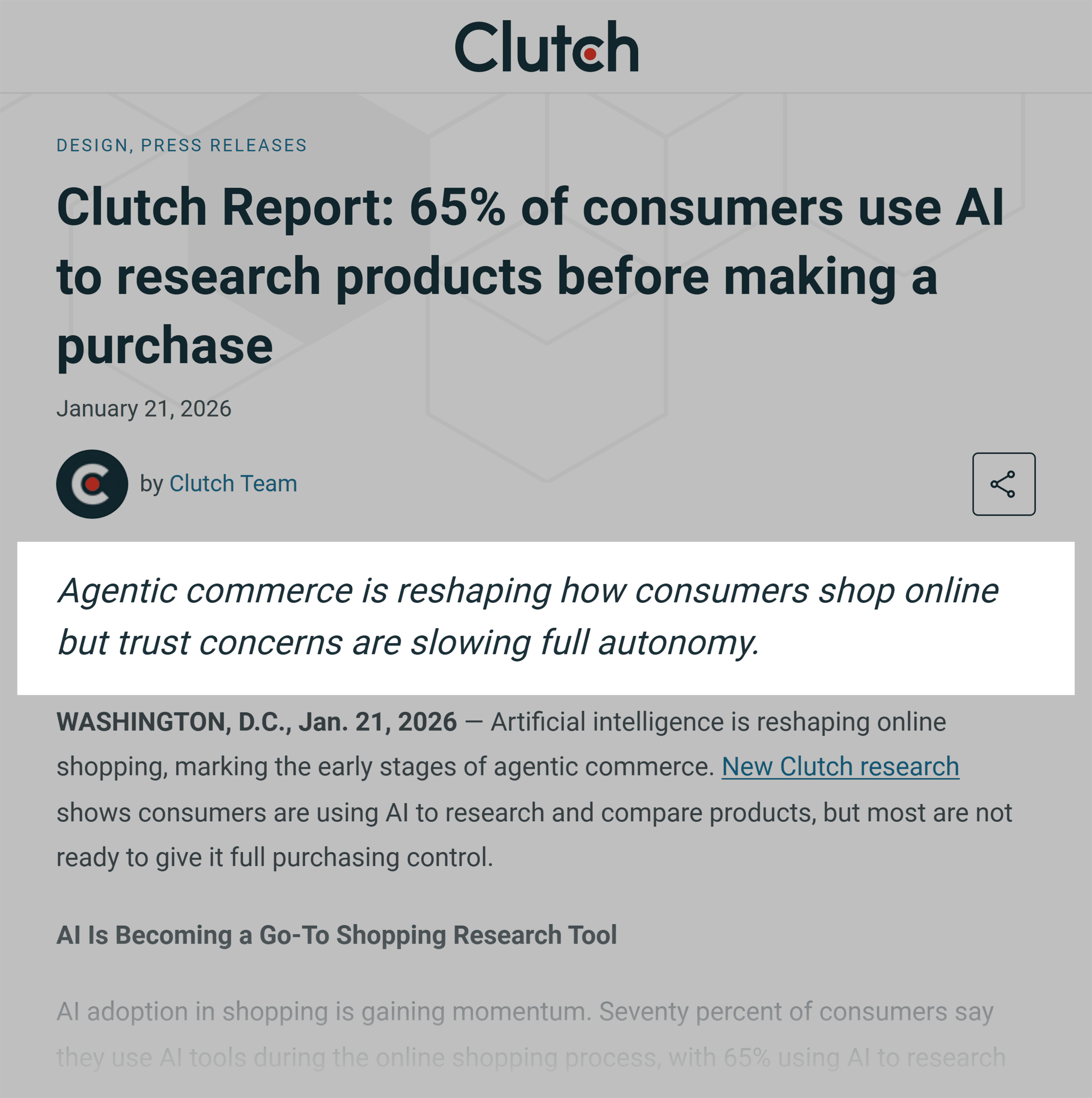
- The AI Discovery Phase: Over 65% of buyers now utilize AI-powered search and research tools before making a purchase, according to recent data from Clutch Research. The AI serves as a gatekeeper, synthesizing information about your brand.
- Social Validation: Before visiting a site, prospects look for "social proof" in community-led spaces like Reddit, Discord, or industry-specific forums.
- The First Interaction: By the time a user clicks a link to your site, they have already formed a baseline opinion based on AI summaries and social sentiment.
- The Conversion: The website’s role has shifted from "educator" to "closer." If the site fails to align with the reputation built in the discovery phase, the user bounces.
1. Mastering AI and Human Discovery
You cannot leave your brand’s reputation to the algorithms of chance. You must actively engineer how the internet describes your business.
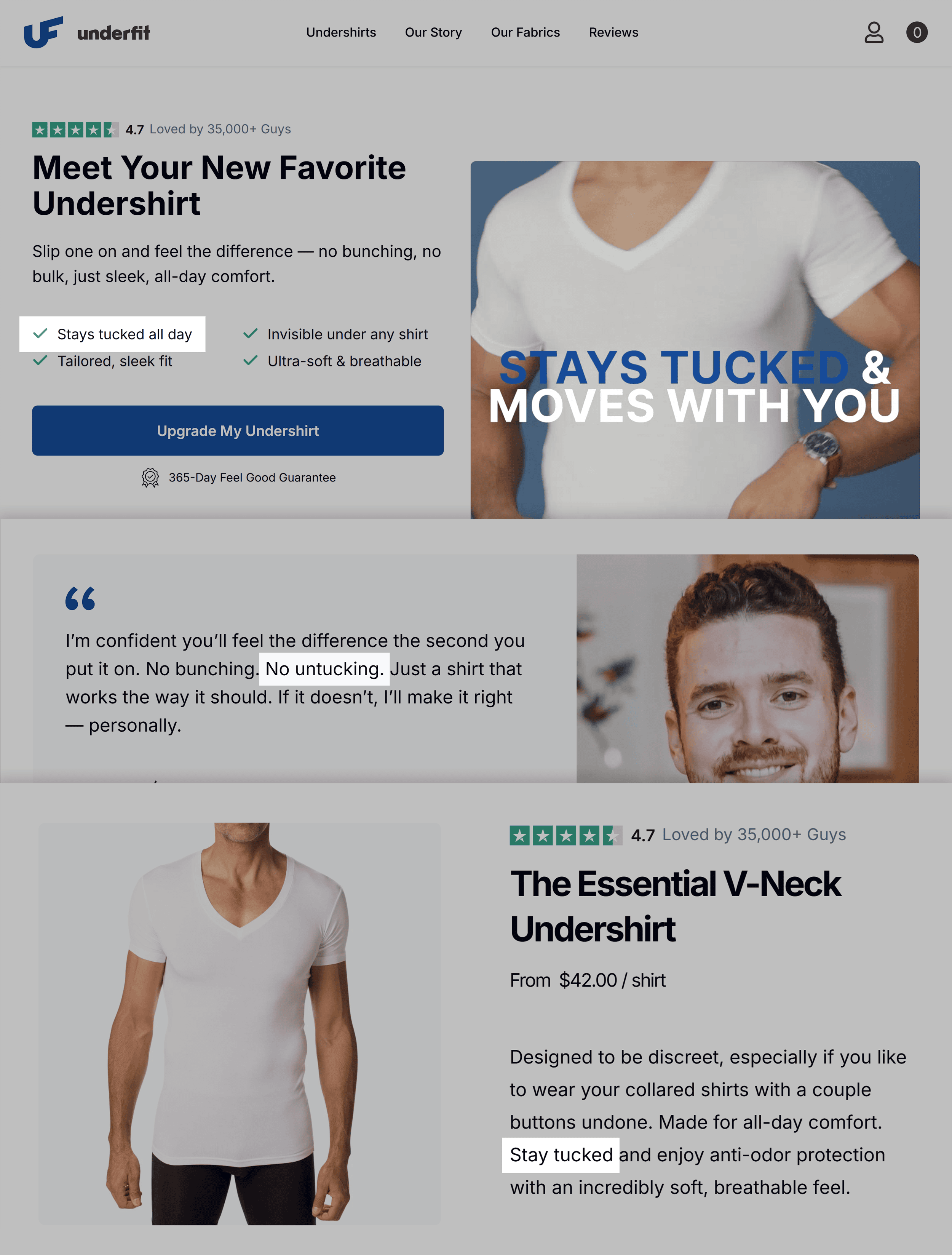
The Importance of Brand Messaging
A documented brand messaging strategy is no longer a "nice-to-have" internal document; it is a critical SEO and AI-optimization asset. This document should define your company’s core positioning, the specific problems you solve, and your unique value proposition.
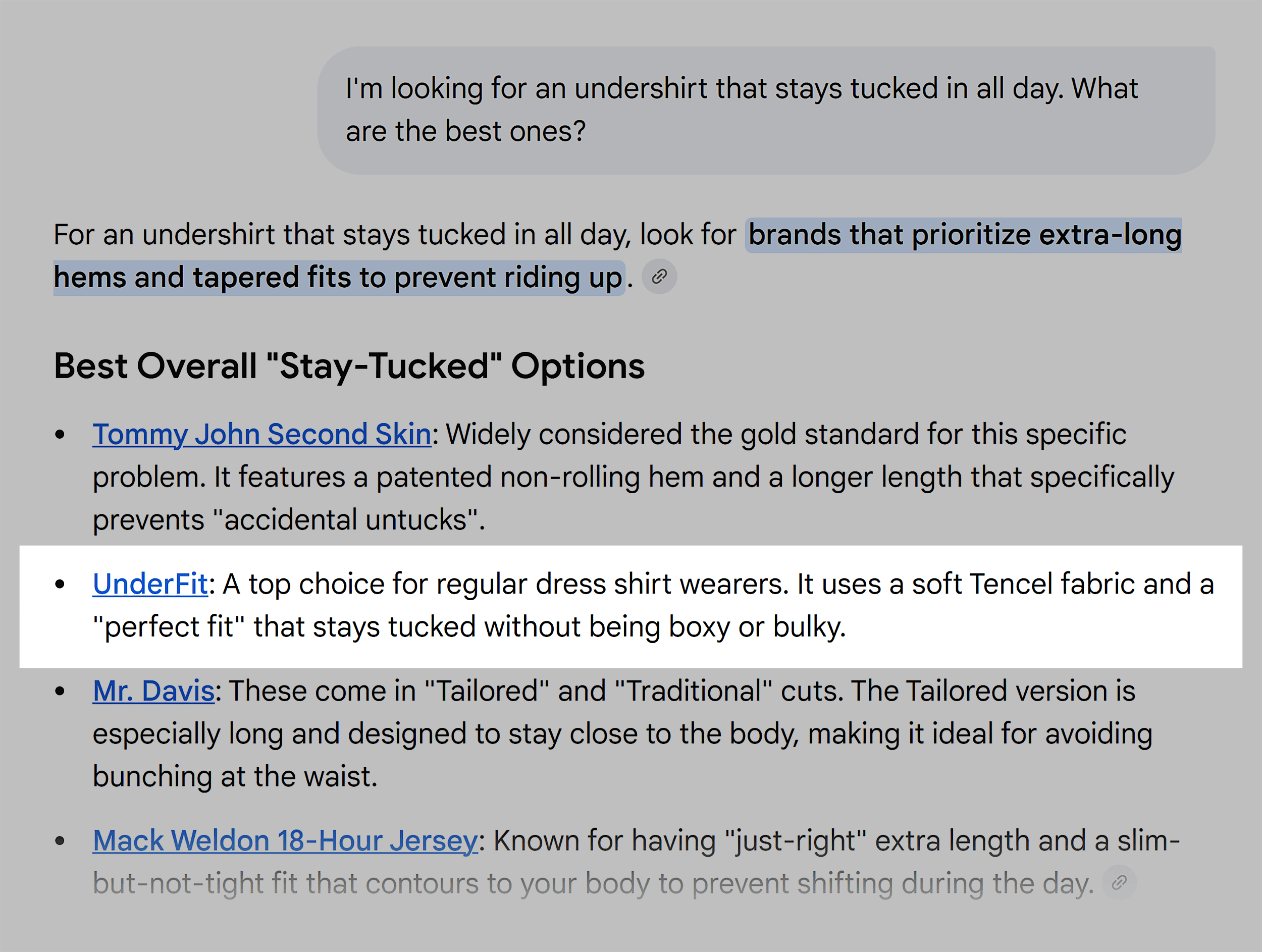
Actionable Steps:
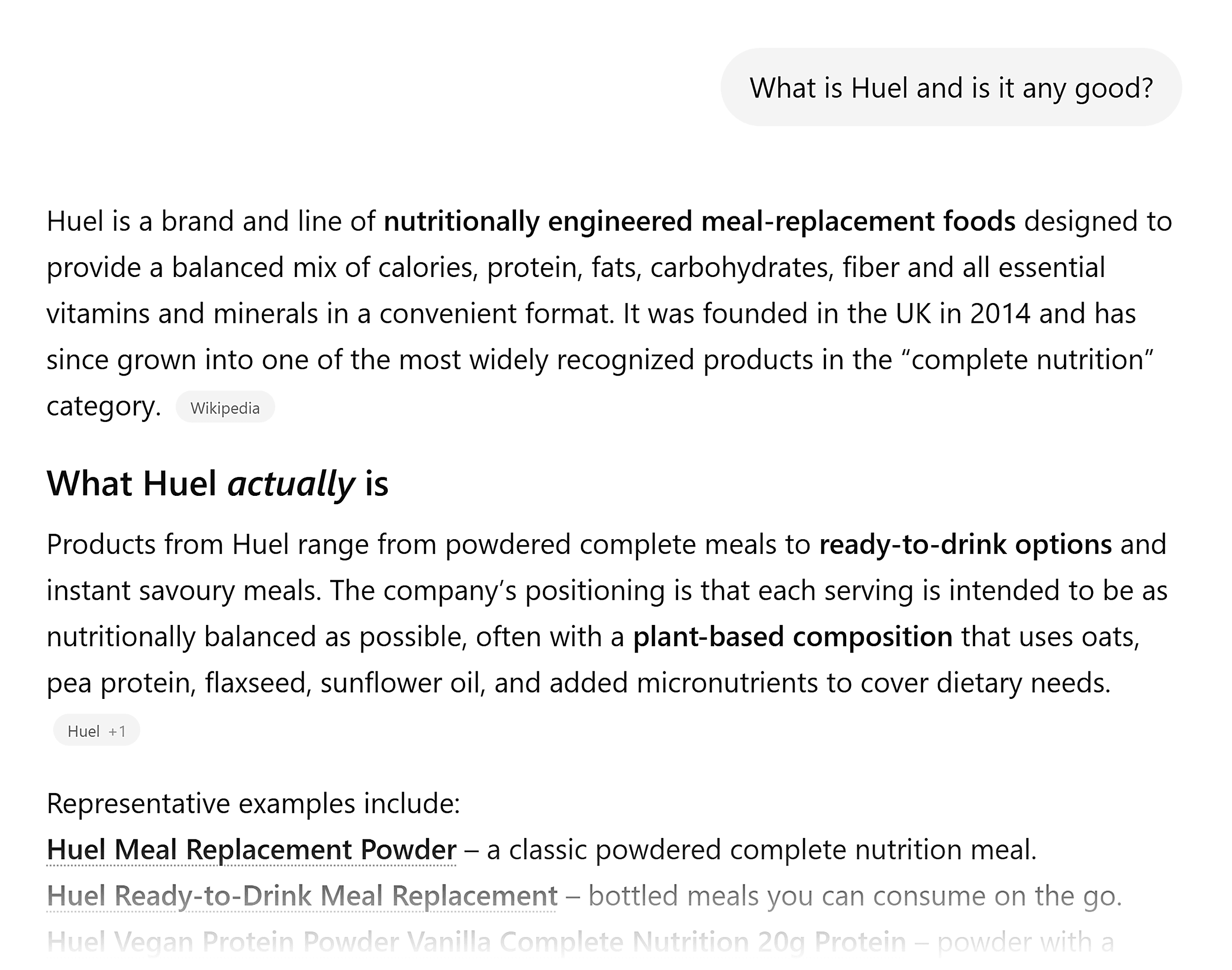
- Consistency is Key: Ensure every touchpoint—from social posts and press releases to sales pitches—uses the same language. This repetition builds the "association" that LLMs (Large Language Models) use to categorize your brand.
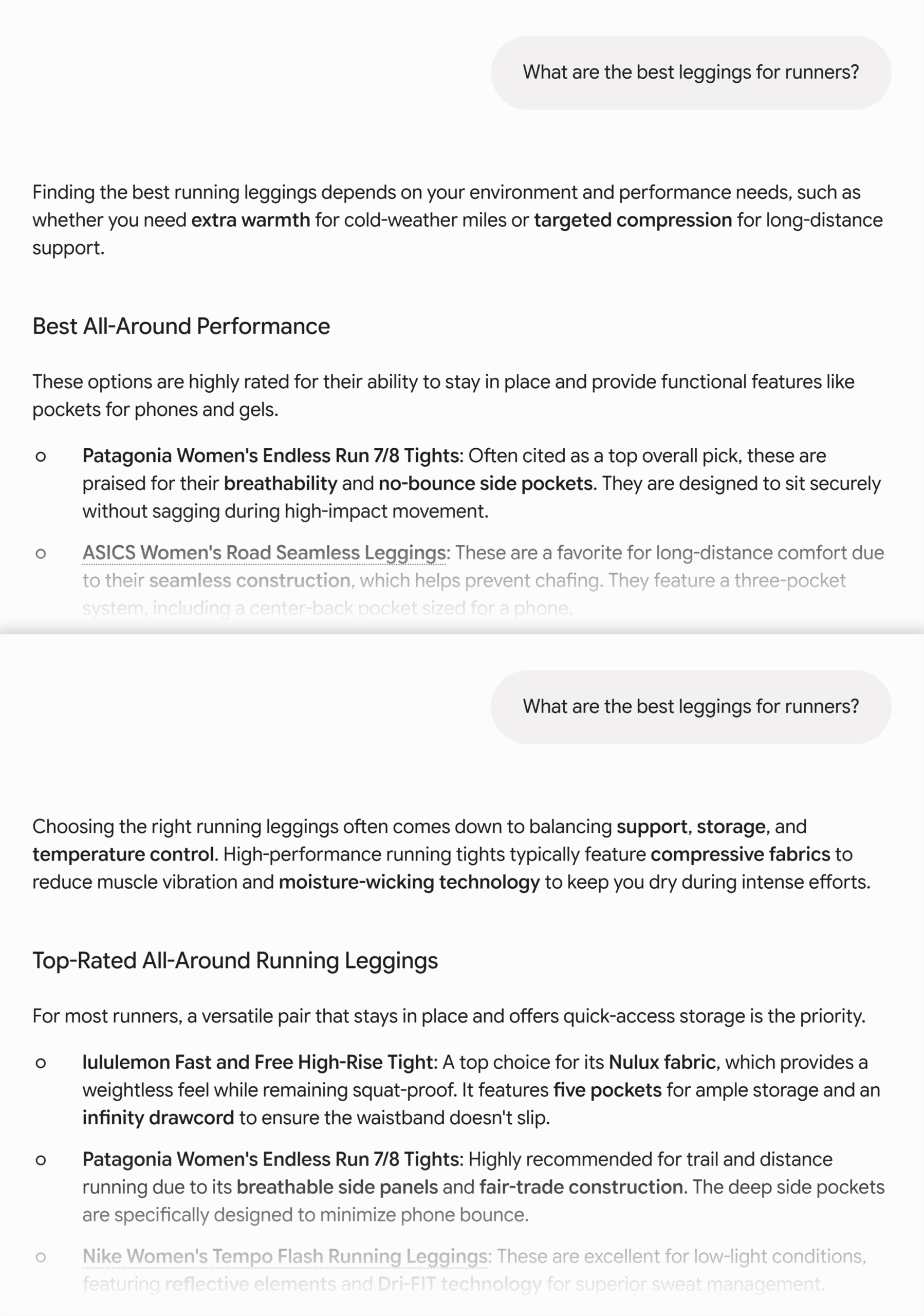
- Audit Your AI Narrative: Open an LLM and ask it questions your customers would ask, such as, "What are the benefits of [Your Product]?" or "Who are the competitors of [Your Product]?" If the AI’s summary is inaccurate or weak, you know exactly what messaging gaps you need to fill on your website.
2. Structural Integrity: Designing for Humans and Machines
Your website architecture must be as logical as your messaging is consistent. This means building a flat, intuitive hierarchy that allows both human users and web crawlers to navigate your content without friction.
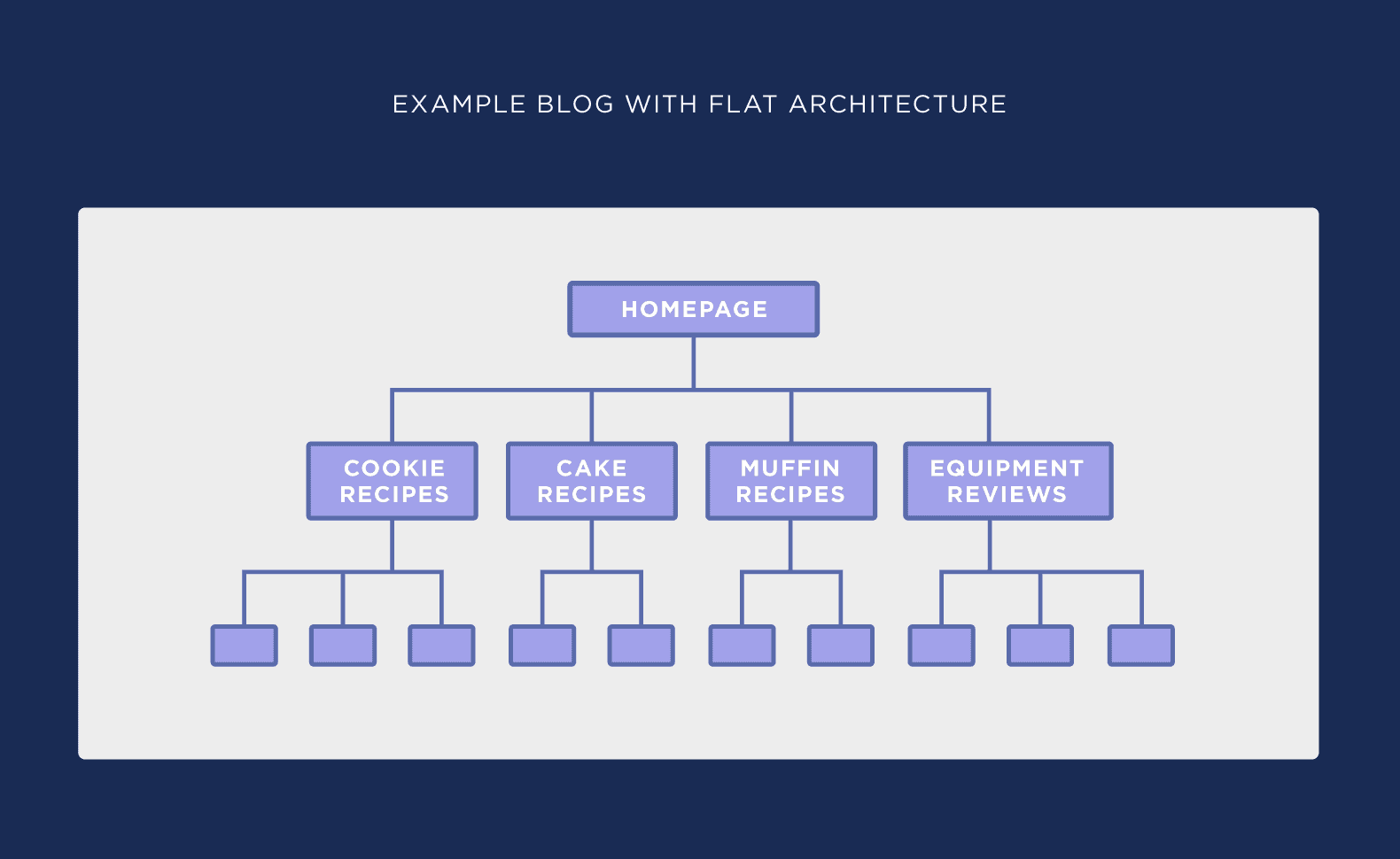
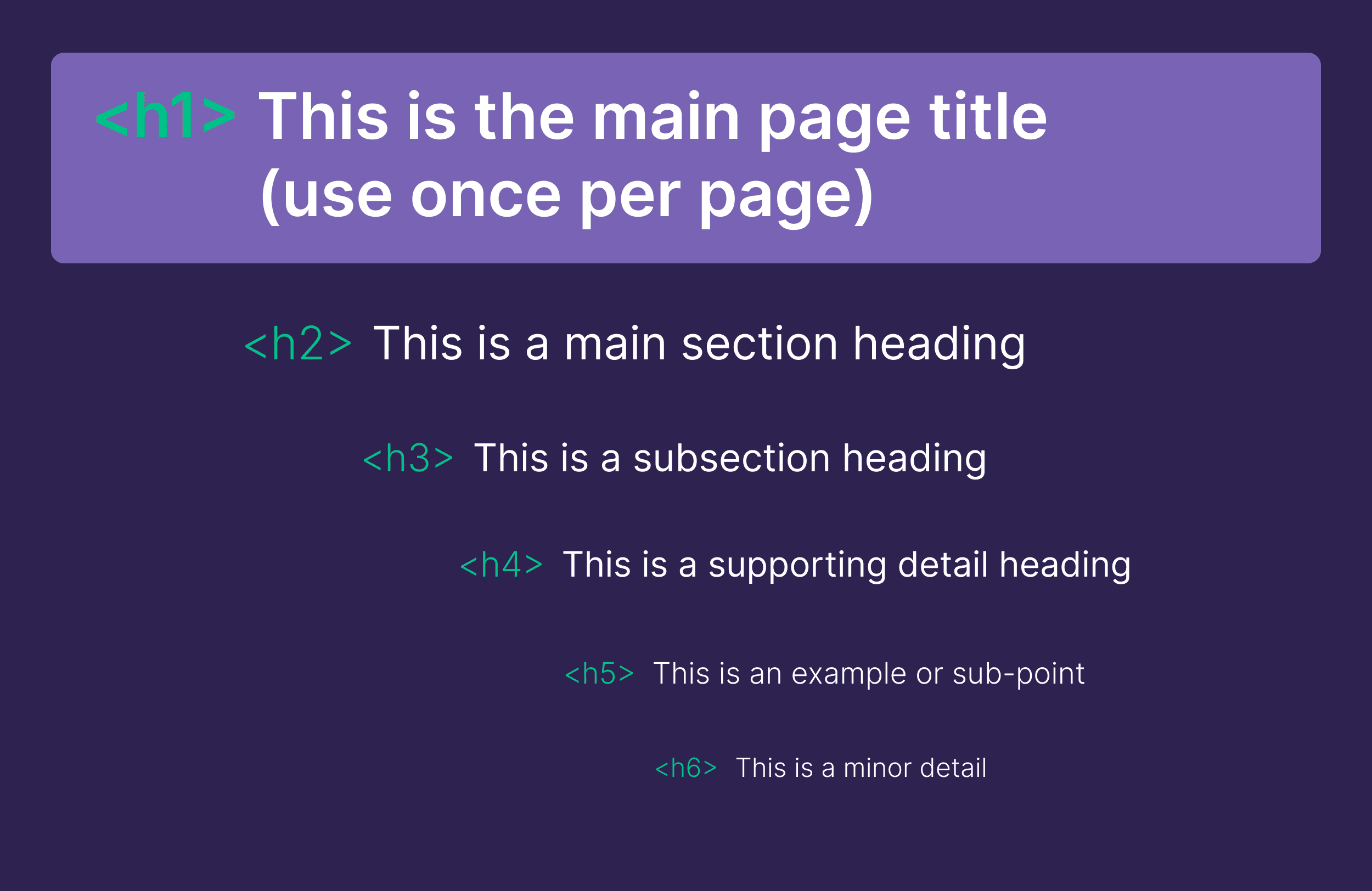
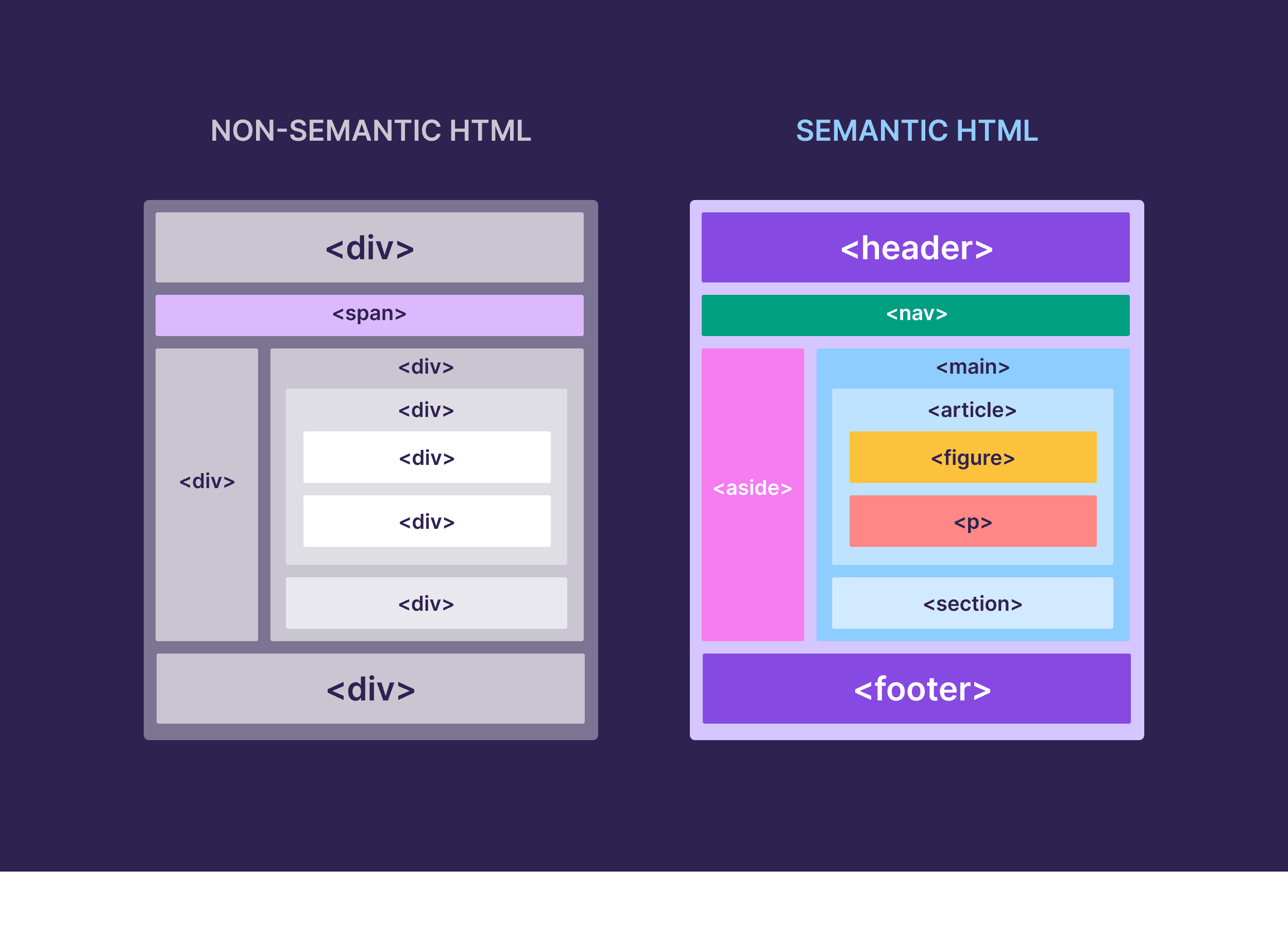
- Semantic HTML: Use proper heading tags (H1, H2, H3) and list elements. These structural signals tell search engines and AI systems exactly what your content hierarchy looks like.
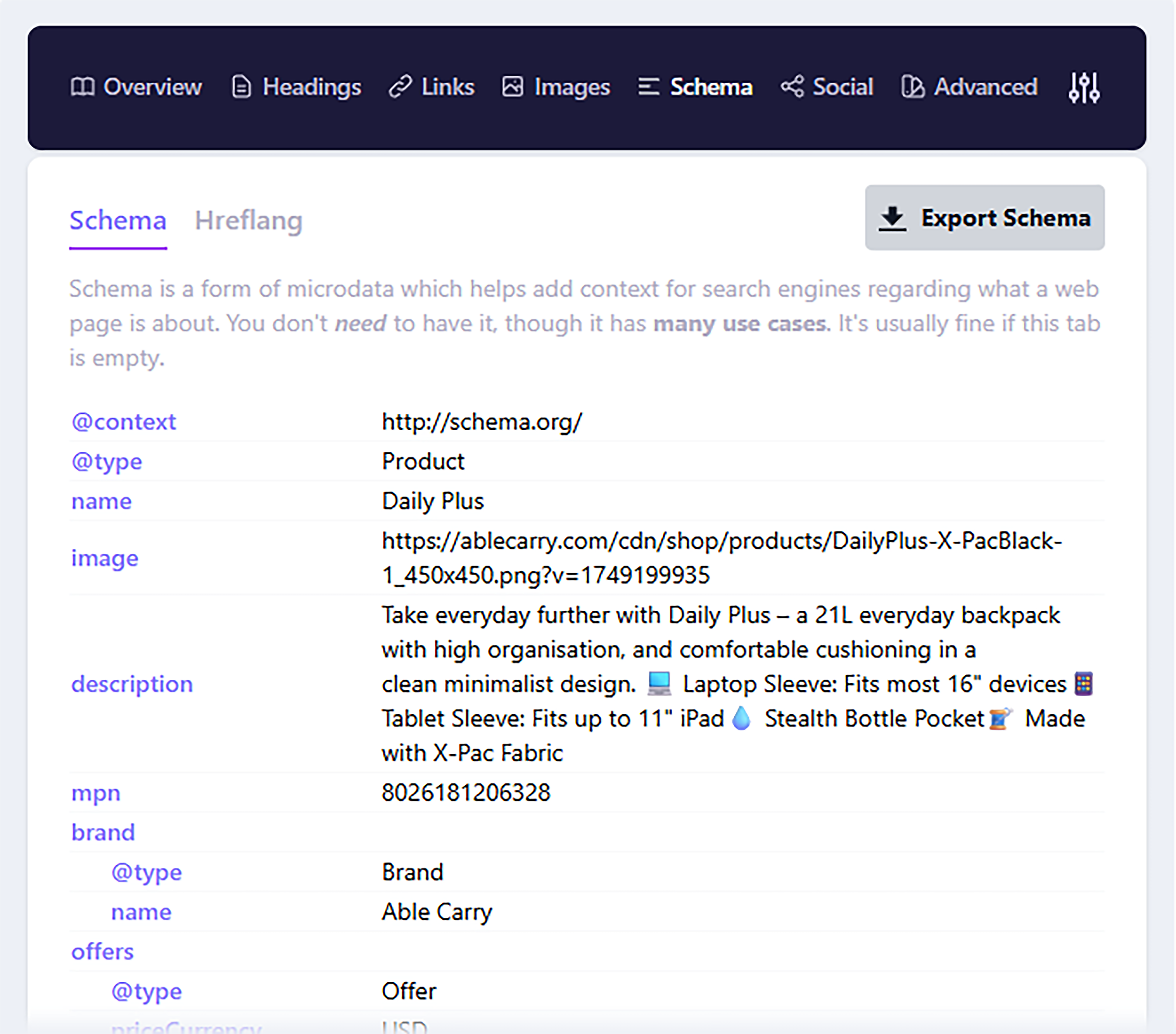
- Structured Data: Implement schema markup to provide search engines with explicit context about your products, reviews, and service details.
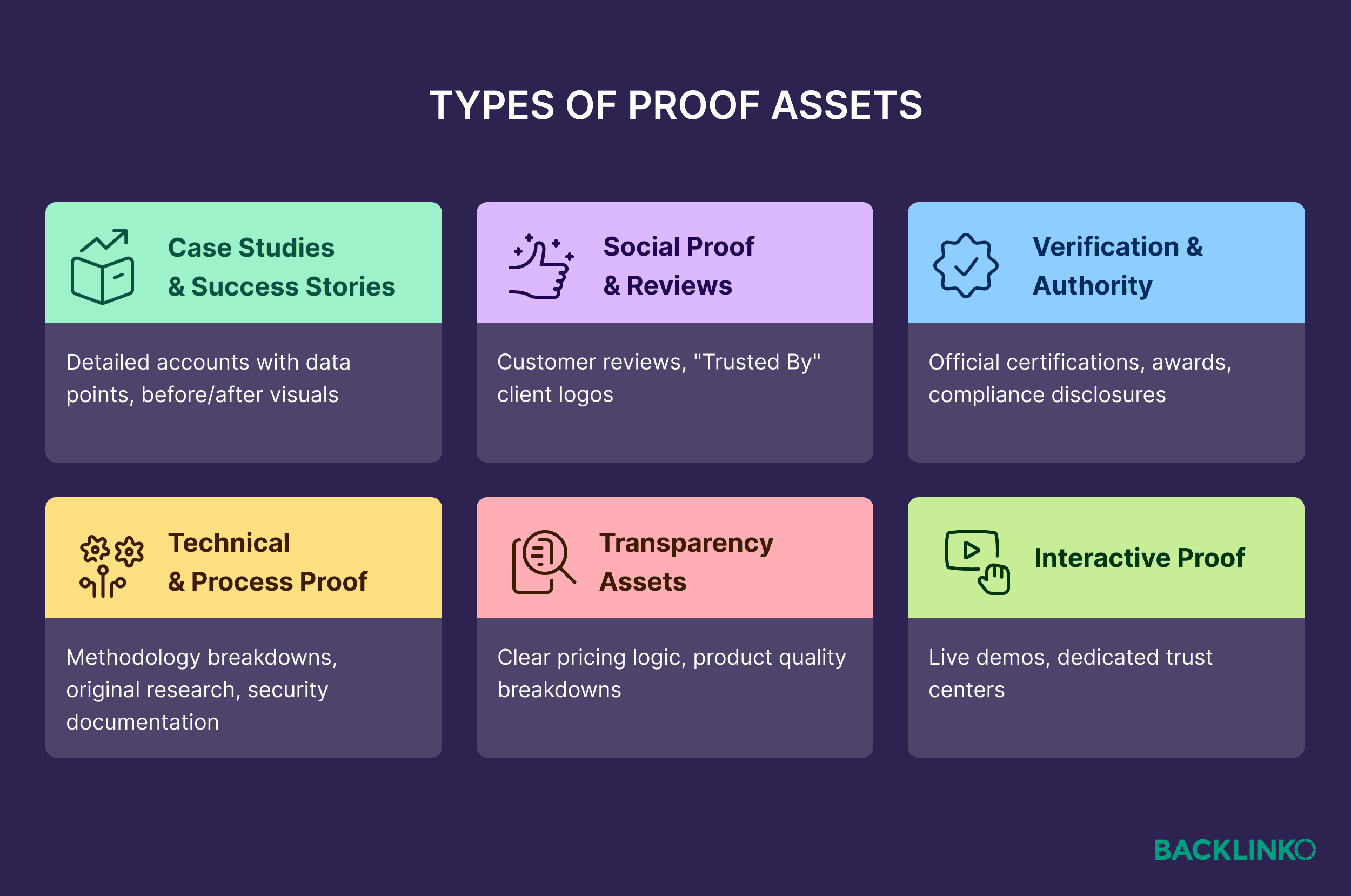
3. The Power of Proof Assets
Proof assets are the evidence that validates your marketing claims. In the B2B world, these might be technical case studies or uptime reports. In the B2C/ecommerce world, they are product quality deep-dives, return policies, and user-generated reviews.
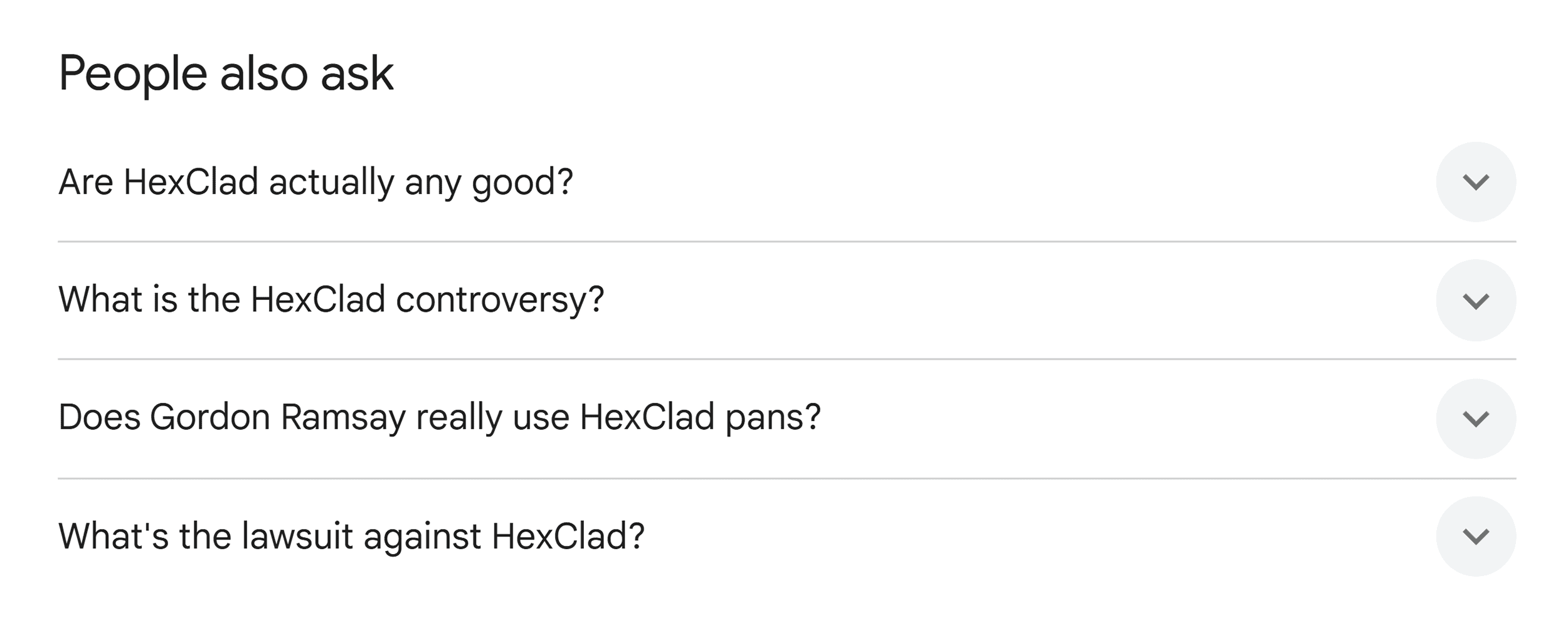
Implementation Tip: Use the "People Also Ask" section on Google to identify the exact questions your customers need answered to feel safe in their purchase. Create dedicated content that answers these questions clearly.
4. Leveraging Video to Build Familiarity
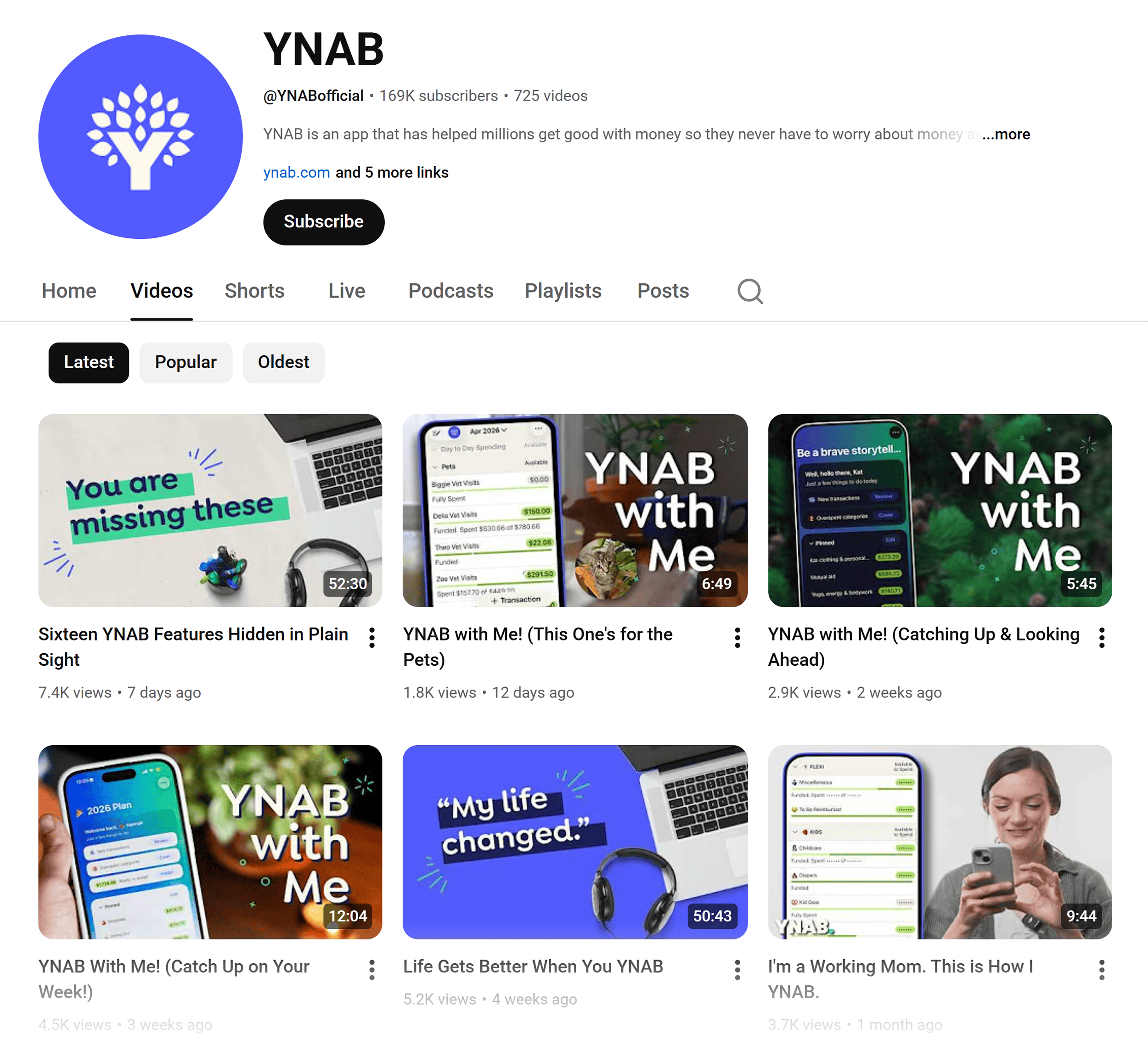
Video is the most effective medium for building the "trust-by-proxy" required to convert modern buyers. Long-form video (YouTube) establishes authority, while short-form video (Reels, TikTok) drives familiarity through repetition.
- Long-Form: Use tutorials, deep-dive explainers, or interviews. The goal is to move the buyer from "evaluating" to "ready."
- Short-Form: Focus on answering a single, specific customer question per video. By answering these questions repeatedly, you solidify your position as the go-to expert in your niche.
5. Capturing Google Discover Traffic
Google Discover is the personalized content feed within the Google app. Unlike traditional search, which is reactive, Discover is proactive, showing content based on user interests.
How to get picked up:
- Focus on "Stakes and Tension": Headlines should hint at the "why now" of your content.
- Visuals Matter: Use high-quality, 1200px+ featured images.
- The "Discover Lane": Create a dedicated category in your content calendar for pieces that are timely, high-stakes, and mobile-optimized.
6. Conversion Rate Optimization (CRO) in a Zero-Click World
With the rise of "zero-click" searches—where users get their answers without ever leaving the search results page—your website must work harder to convert the visitors who actually make it there.
The Audit Checklist:
- Reduce Friction: Ensure your site loads in under two seconds.
- Reduce Anxiety: Display security badges, clear pricing, and accessible contact info.
- Behavioral Email Targeting: If a user visits your pricing page but doesn’t convert, use automated behavioral triggers to send them a relevant case study or a specific objection-handling email.
7. The Human Premium: Thought Leadership
In an age of AI-generated content, a human voice is a competitive advantage.
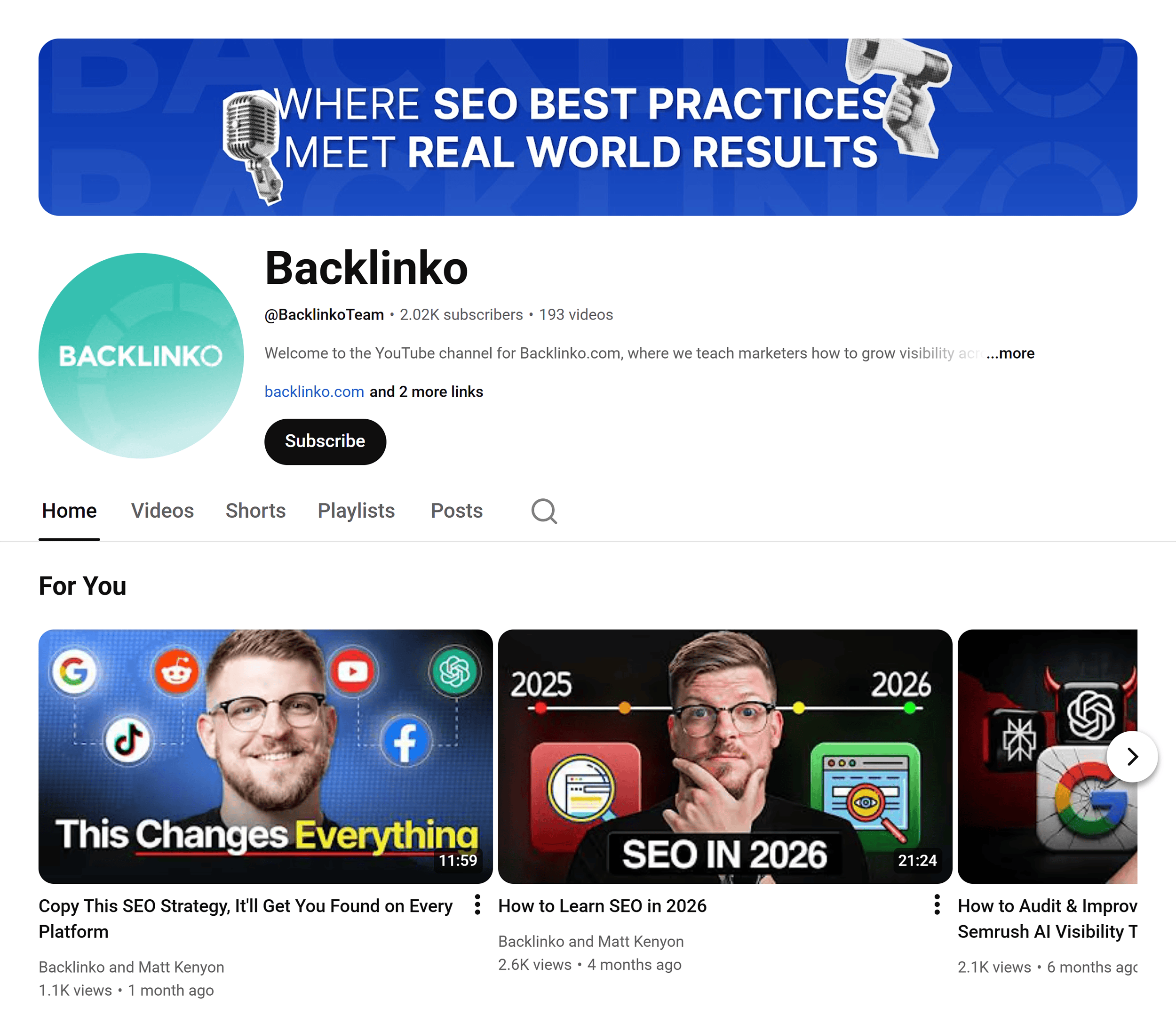
- Public Advocates: Identify a founder or an internal expert to be the face of your brand. They should be active on LinkedIn and other platforms, not just as a salesperson, but as a thought leader who shares opinions on industry trends.
- Community Contribution: Show up in Reddit subreddits or Discord servers as a helpful contributor, not a brand representative. By solving problems for free, you build the kind of trust that AI simply cannot replicate.
Conclusion: The Path Forward
Website marketing in 2026 is an exercise in orchestration. You are managing the conversation about your brand across a massive, digital landscape. By controlling your brand messaging, optimizing for both human and AI discovery, and leading with visible human expertise, you ensure that your website remains the destination of choice for a well-informed, high-intent audience.
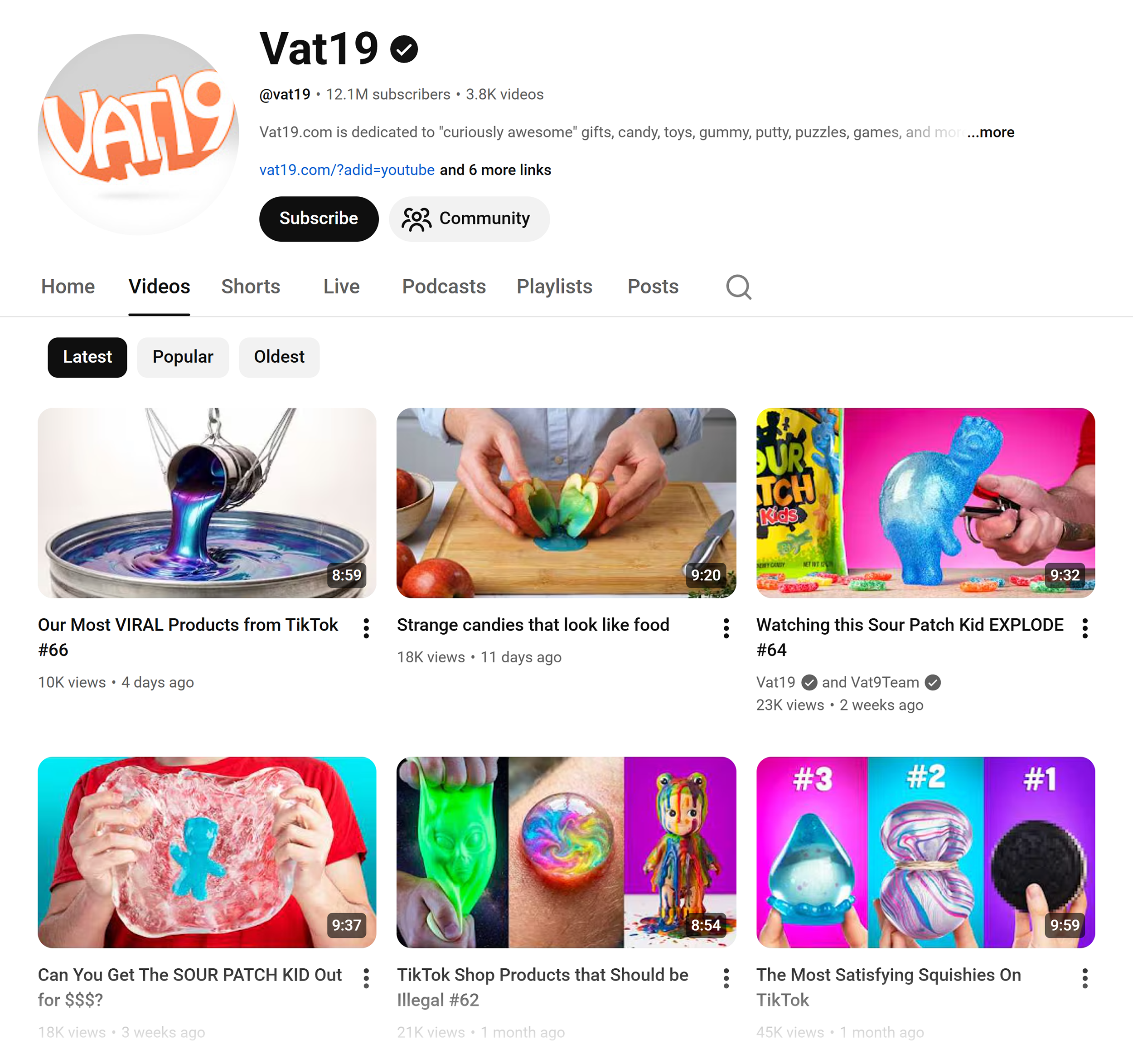
The strategies above are not just technical requirements; they are the new standard for building brand authority in a decentralized world. Start by auditing your AI-presence today—the results will ripple through your entire marketing funnel.


 Raul Delapena Setiawan
 Laily UPN

 Ammar Sabilarrohman

 Asep Darmawan

 Asro

 Layla Zulfa
 Nila Kartika Wati

 Muslim
